Le Veau d'Or

In Residence
Lee Hanson
Owner
- 01CuisineClassic French Bistro
- 02CityNew York City, United States
- 03RecognitionWorld's 50 Best — No. 10
From the people index
Recommended by
3 trusted voices point here.
- World's 50 Best · #10 · World's 50 Best Restaurants
- James Beard Winner · James Beard Foundation
- Eater 38 #6 · 2026
- Opinionated About Dining Top Restaurants in North America Ranked #143 · 2026
- World's 50 Best North America's Best Restaurants #12 · 2026
- Opinionated About Dining Top Restaurants in North America · 2025
- New York Magazine The 43 Best Restaurants in New York · 2025
- Wine Enthusiast Best Wine Restaurants · 2025
- Michelin Plate · 2025
- James Beard Award Outstanding Restaurateur #1 · 2025
- OpenTable Top 100 Restaurants · 2025
- New York Times Best Restaurants in New York City · 2025
- World's 50 Best North America's Best Restaurants #10 · 2025
- James Beard Award Semi Finalist · 2025
A 1937 Address and What It Means in 2025
New York's relationship with classic French cooking has always been complicated. The city built its fine-dining identity partly on Michelin-chasing tasting menus at places like Le Bernardin and Eleven Madison Park, where the architecture of the meal is itself the statement. But a counter-current has persisted: the bistro tradition that cares less about innovation and more about fidelity, where the measure of success is whether the poulet rôti tastes like it came from a kitchen that has cooked it ten thousand times. Le Veau d'Or, a Classic French Bistro on New York's Upper East Side, sits at the intersection of both impulses. It is old enough to carry genuine institutional memory and has just returned, after a five-year hiatus, with enough culinary firepower to make that memory feel active rather than merely preserved.
The Bistro as a Document of French Culinary Tradition
The word "bistro" is used loosely in New York, applied to anything with a zinc bar and a steak on the menu. Le Veau d'Or uses the format with more discipline. The prix-fixe structure, the sequence of pâté en croûte followed by a protein course, then a small intermezzo salad, then dessert, maps directly onto the meal architecture that defined mid-century Parisian dining rooms. That sequence is not nostalgia for its own sake. It is a pedagogical argument: that French cooking's logic runs through the progression of a meal, through the relationship between fat, acid, and sweetness across courses, not just through any single dish in isolation. The pâté en croûte that opens the menu is a test of that argument. It is one of French charcuterie's most demanding preparations, requiring precise seasoning, careful fat distribution, and a pastry crust that must hold its structure without becoming dense. Getting it right signals kitchen discipline across the board.
The Sunday letter
Find new places through the people who run them.
Our Sunday email brings you the chefs, winemakers and hoteliers behind our newest stories. See a sample before you subscribe.
See a sample of the Sunday emailOne email a week. Unsubscribe from any issue.
This concern with classical provenance connects Le Veau d'Or to a European tradition that runs through places like Waterside Inn in Bray and Cheval Blanc by Peter Knogl in Basel, where the French canon is treated as a living discipline rather than a museum exhibit. In New York's current dining moment, that stance is a genuine editorial position, not a default.
Where the Venue Sits in the Current New York Scene
New York's high-end French dining has bifurcated. On one side are the grand tasting-menu formats, where a meal at Per Se or Le Bernardin involves architectural plating, sourcing narratives, and a cost structure that runs well into the hundreds per person. On the other, a group of neo-bistros has emerged that frames classical cooking as a democratic rather than ceremonial act. Le Veau d'Or positions itself in this second group, with a prix-fixe format that enforces a set sequence without requiring the financial commitment of a tasting menu. The Michelin two-star recognition it has received places its execution at a level that the comparable set of experiential-first restaurants like Atomix or Masa occupy, but the idiom is entirely different. Where those counters are forward-looking, Le Veau d'Or is explicitly retrospective, and confident enough in that stance to hold it without apology.
The 2025 James Beard Award, alongside placement on the Opinionated About Dining Leading Restaurants in North America list and New York Magazine's 43 Best Restaurants in New York, consolidates that position. These are not the awards of a revival that traded on sentiment. They reflect sustained critical evaluation of the cooking itself.
The Kitchen Lineage and What It Signals
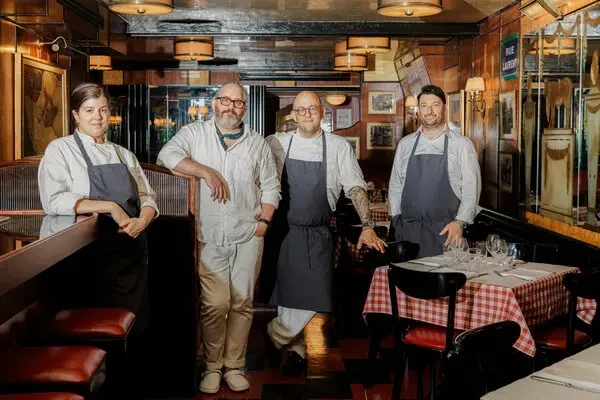
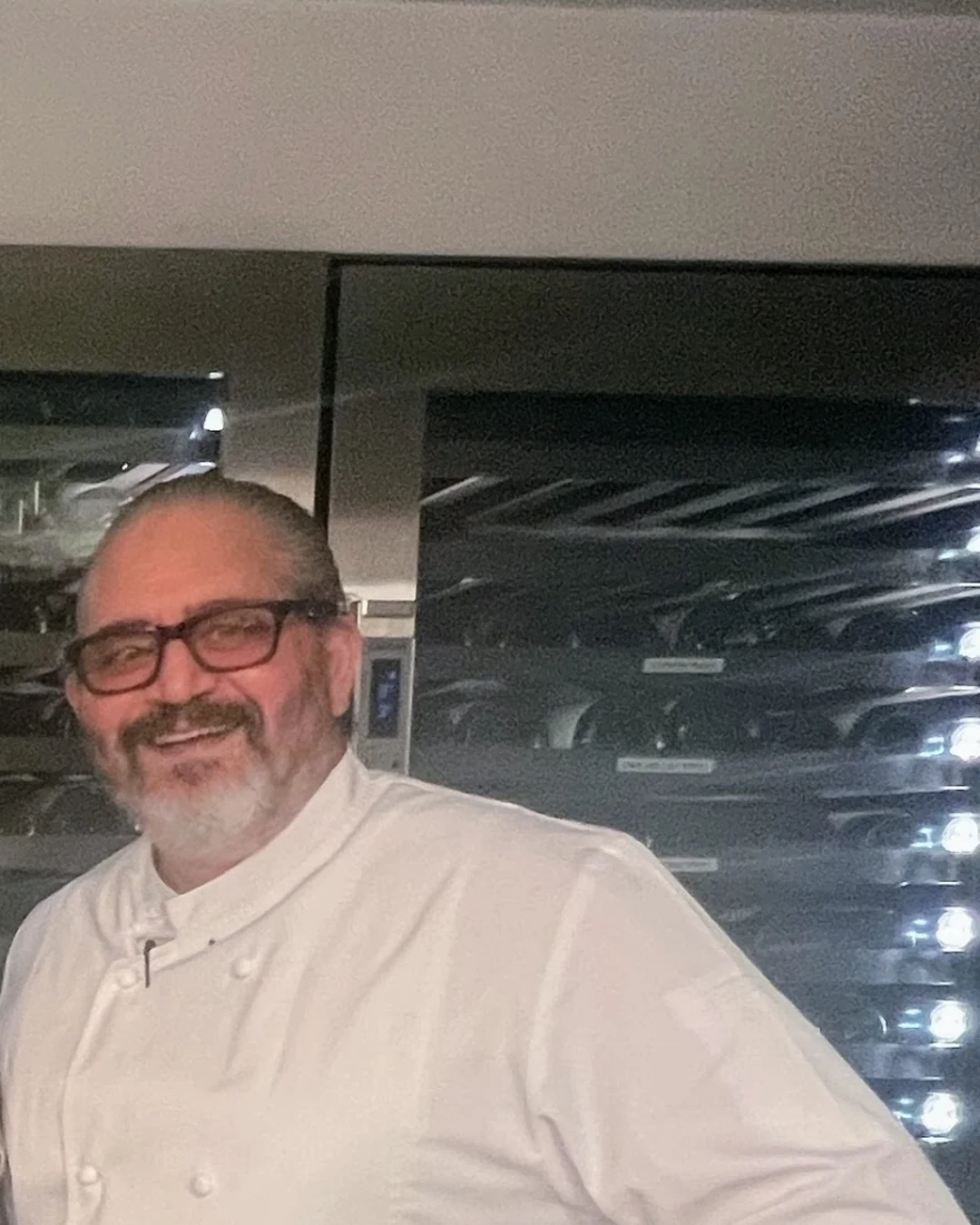
The revival's credibility rests partly on who is running the kitchen. Lee Hanson and Riad Nasr built their reputations as founding chefs of Balthazar and Minetta Tavern before opening Frenchette and Le Rock, restaurants that demonstrated a consistent orientation toward French cooking as technique rather than trend. Their involvement at Le Veau d'Or is not a branding decision. It reflects a kitchen philosophy that the bistro format, executed at full technical seriousness, has as much to say about French culinary identity as any three-star tasting menu. The golden-roasted poulet à l'estragon with its tarragon-flecked butter sauce represents this argument in a single dish: the ingredient list is short, the technique is classical, and the result depends entirely on whether the kitchen has the patience and skill to do it properly.
Wine program adds a further dimension. Wine director Jorge Riera oversees approximately 100 biodynamic and organic French selections, including a seasonal Champagne list. The all-natural orientation of the list reflects a sourcing sensibility that privileges agricultural method and regional identity over producer prestige. Diners who prefer a different approach to wine can bring their own bottles for a corkage fee, which keeps the format accessible without compromising the house list's editorial coherence. This approach to the beverage program mirrors the kitchen's approach to the food: provenance matters, and the selections should demonstrate that.
The Room and the Experience It Produces
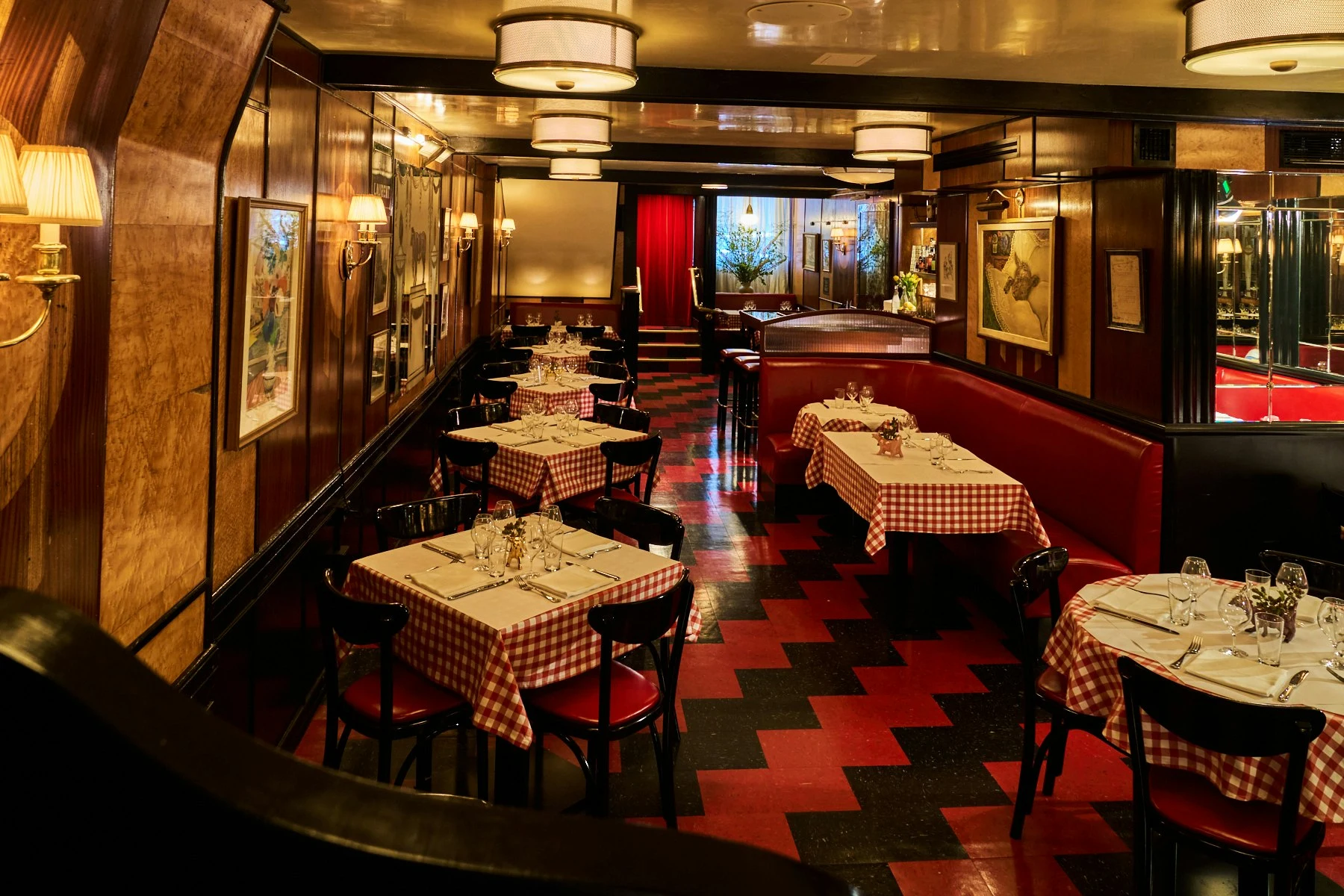
Physical space at 129 East 60th Street is small and deliberately preserved. Dark wood, red accents, closely set linen-covered tables, and an atmosphere that compresses into something warm rather than austere. The décor, including the bovine details that give the restaurant its name ("le veau d'or" translates as "the golden calf"), reads as documentary rather than decorative. This is what an Upper East Side bistro of that vintage looked like, and the decision to retain rather than refresh those details is a statement about the relationship between room and food. The two are in conversation: the cooking is not trying to transcend its setting, and the setting is not trying to apologize for the cooking.
Lunch format, a two-course menu with dessert as an add-on, offers a lower-commitment entry into the experience than the three-course prix-fixe dinner.
Le Veau d'Or in a National Context
Revival of Le Veau d'Or sits within a broader American re-engagement with classical French cooking that does not require a transatlantic flight. That conversation spans cities and formats: The French Laundry in Napa and Alinea in Chicago approach the canon from different angles of abstraction, while Lazy Bear in San Francisco, Single Thread Farm in Healdsburg, Providence in Los Angeles, and Emeril's in New Orleans each demonstrate that French technique, rooted in regional provenance, continues to generate durable dining formats in the country. Within New York specifically, the bistro revival also encompasses venues like Le B, which occupies a different register of the same French-in-New-York conversation. Le Veau d'Or's advantage in that field is its date: 1937 is not a marketing figure. It is a credential.
Planning Your Visit
Le Veau d'Or is at 129 East 60th Street on the Upper East Side.
Questions
Frequently asked
What recognition does Le Veau d'Or hold?
Le Veau d'Or holds a place on the World's 50 Best list at number 10 and a James Beard award.
Who works at Le Veau d'Or?
Made By profiles Lee Hanson (Restaurateur), Jeff Teller (Chef) and Riad Nasr (Restaurateur) at Le Veau d'Or.
How expensive is Le Veau d'Or?
Le Veau d'Or is listed at a price level of $$$.
Where is Le Veau d'Or and what does it serve?
Le Veau d'Or is in Upper East Side-Carnegie Hill, New York City, serving Classic French Bistro.
The field
How it compares
| Place | Awards | Cuisine | Notes |
|---|---|---|---|
| Le Veau d'Or | World's 50 Best #10, James Beard | Classic French Bistro | Upper East Side-Carnegie Hill, $$$ |
| Atomix | Michelin 2 Stars, World's 50 Best | Modern Korean Tasting Menu | New York City |
| Daniel | Michelin 1 Star, World's 50 Best | Modern French Fine Dining | New York City |
| Eleven Madison Park | Michelin 3 Stars, World's 50 Best | Contemporary Plant-Based Fine Dining | New York City |
| Jungsik New York | Michelin 3 Stars, World's 50 Best | Modern Korean Fine Dining | New York City |
| Kabawa | World's 50 Best | Modern Caribbean Prix Fixe | New York City |
| Le Bernardin | Michelin 3 Stars, World's 50 Best | French Seafood Fine Dining | New York City |
In residence
Similar places
Modern Korean Tasting Menu
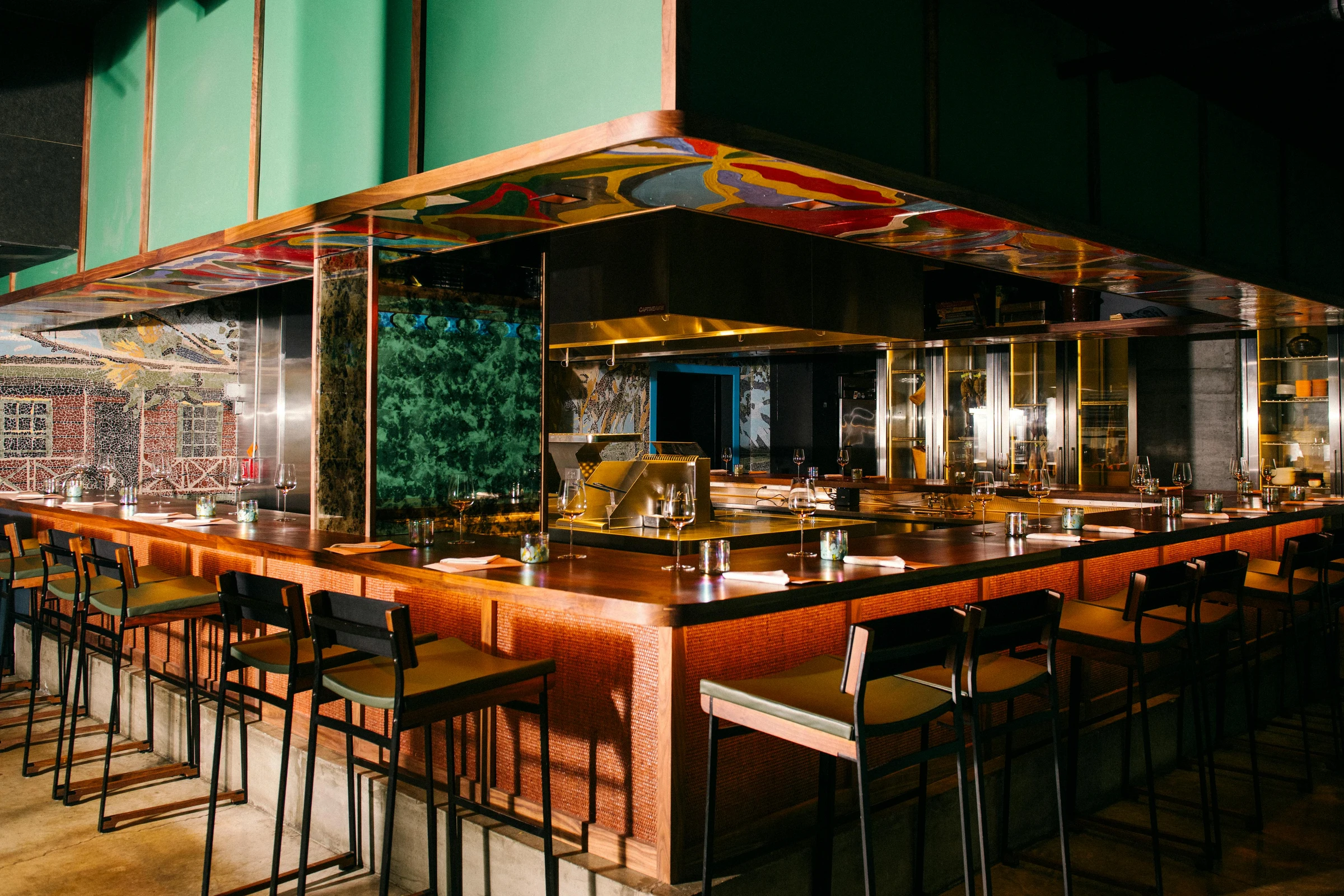
Atomix
New York City, United States
★★ · 50 Best
Modern French Fine Dining
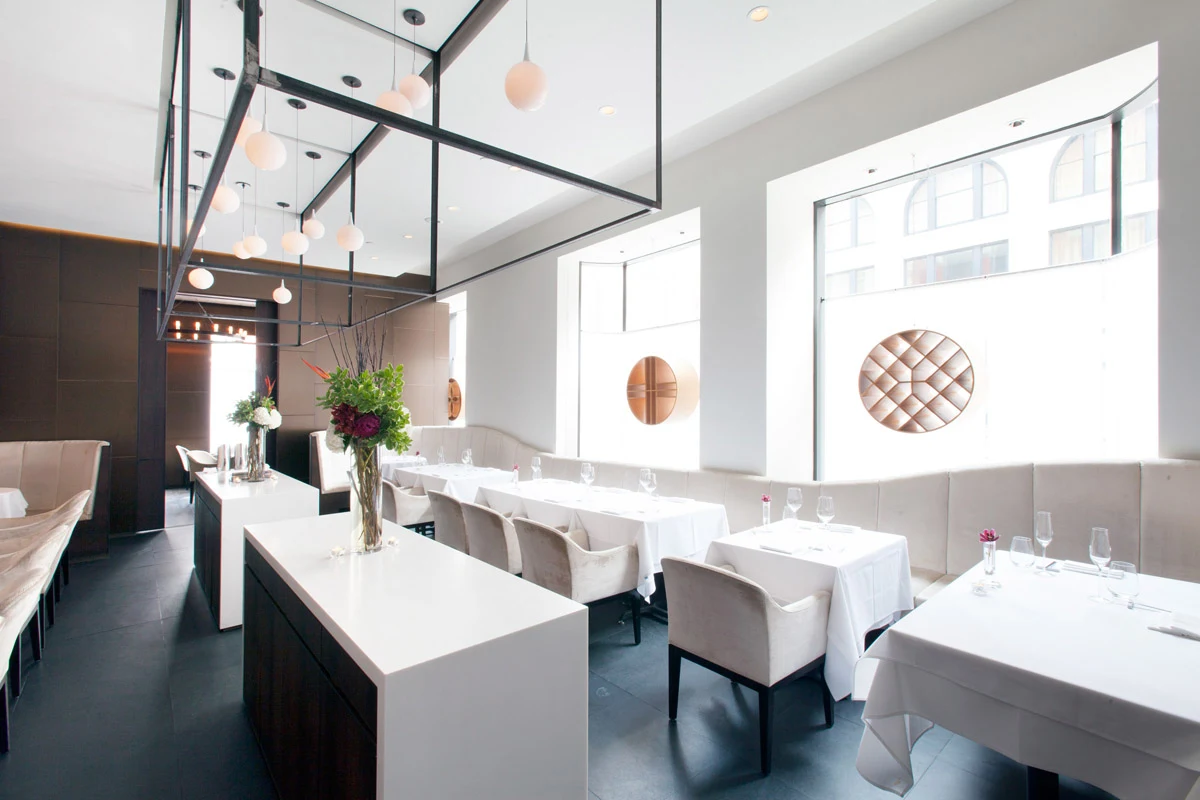
Daniel
New York City, United States
★ · 50 Best
Contemporary Plant-Based Fine Dining
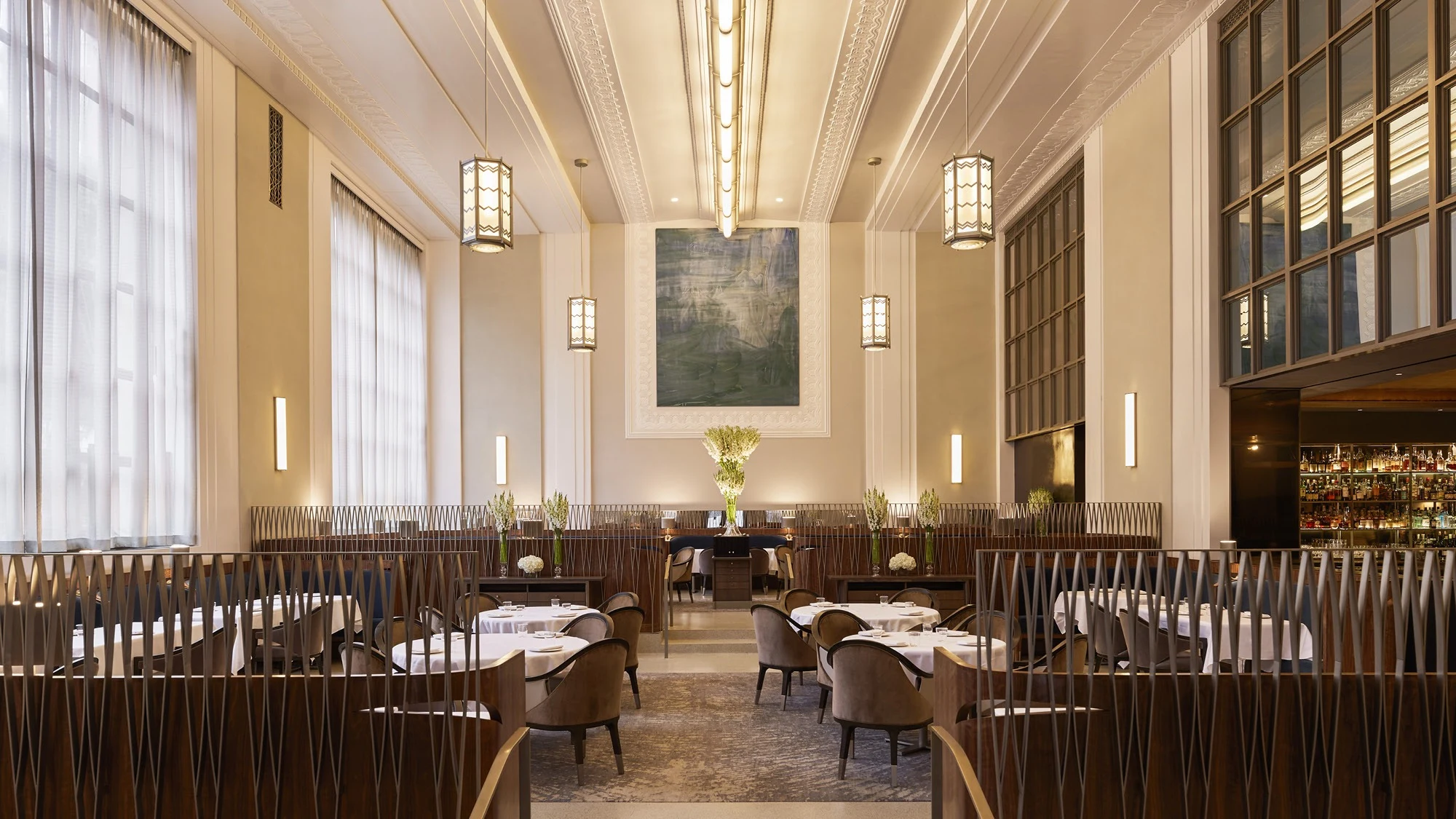
Eleven Madison Park
New York City, United States
★★★ · 50 Best
Modern Korean Fine Dining
Jungsik New York
New York City, United States
★★★ · 50 Best
Modern Caribbean Prix Fixe
Kabawa
New York City, United States
50 Best
French Seafood Fine Dining
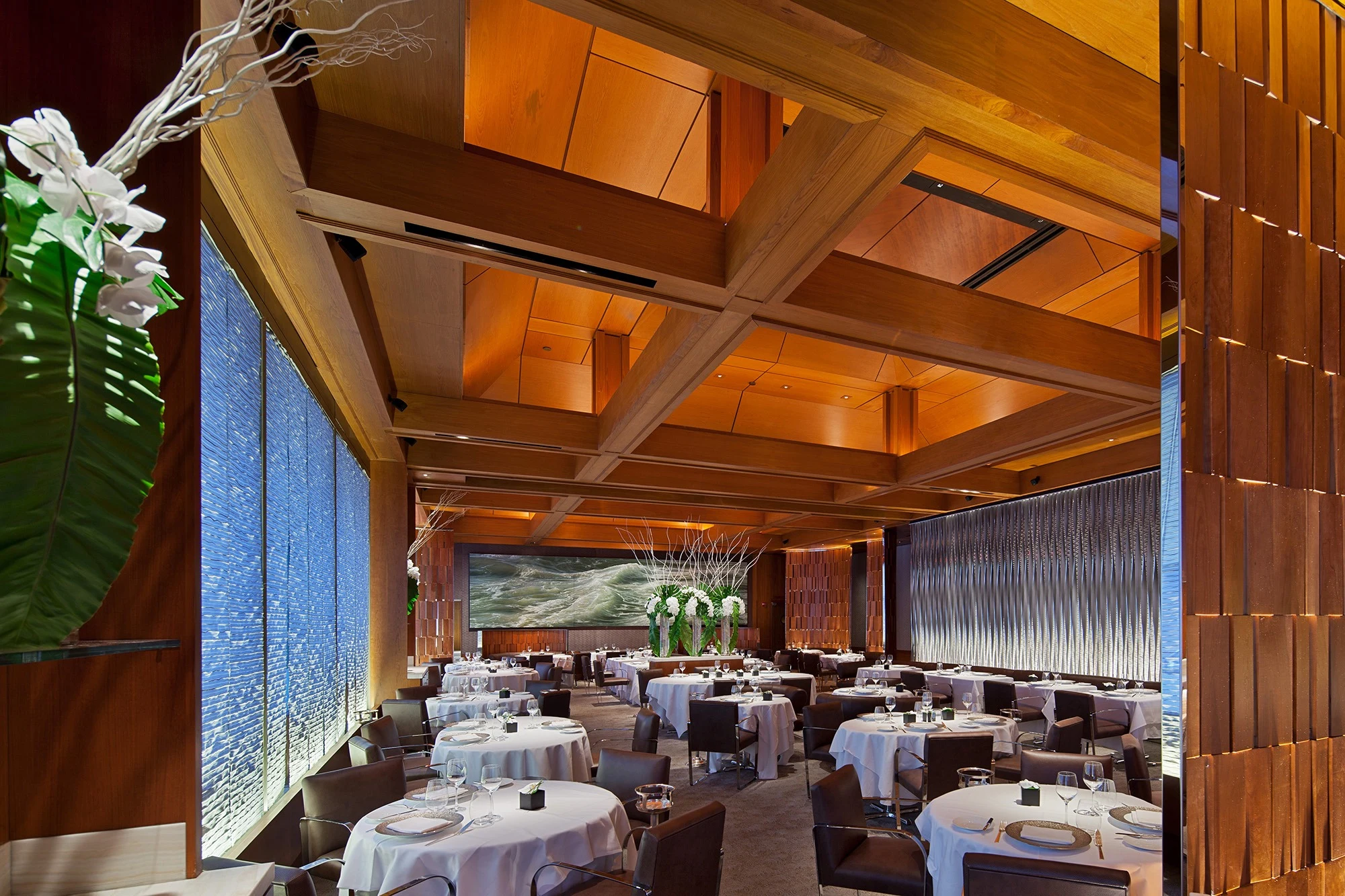
Le Bernardin
New York City, United States
★★★ · 50 Best
The Sunday letter
Get the next Made By story in your inbox.
We send one email every Sunday morning with the places and people we covered that week.
See a sample of the Sunday emailOne email a week. Unsubscribe from any issue.