Roman's
- 01CuisineItalian Trattoria
- 02CityNew York City, United States

From the people index
Recommended by
2 trusted voices point here.

- New York Times Best Restaurants in New York City #53 · 2026
Fort Greene and the Quiet Case for Neighborhood Restaurants
There is a particular kind of restaurant that Manhattan dining culture consistently undervalues: the neighborhood room that operates on discipline rather than spectacle. Fort Greene has one in Roman's, the low-key Italian Trattoria at 243 DeKalb Avenue in Brooklyn.
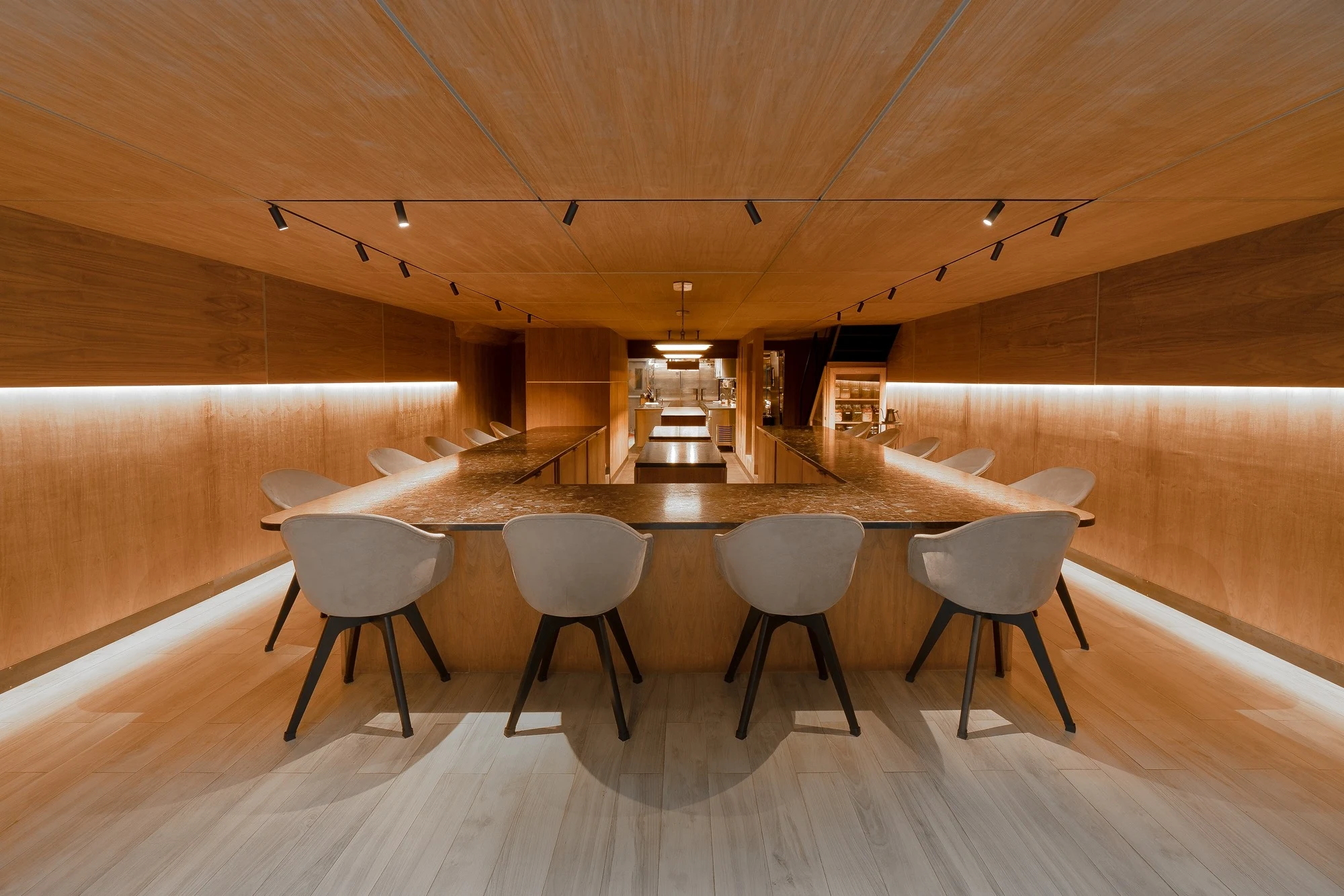
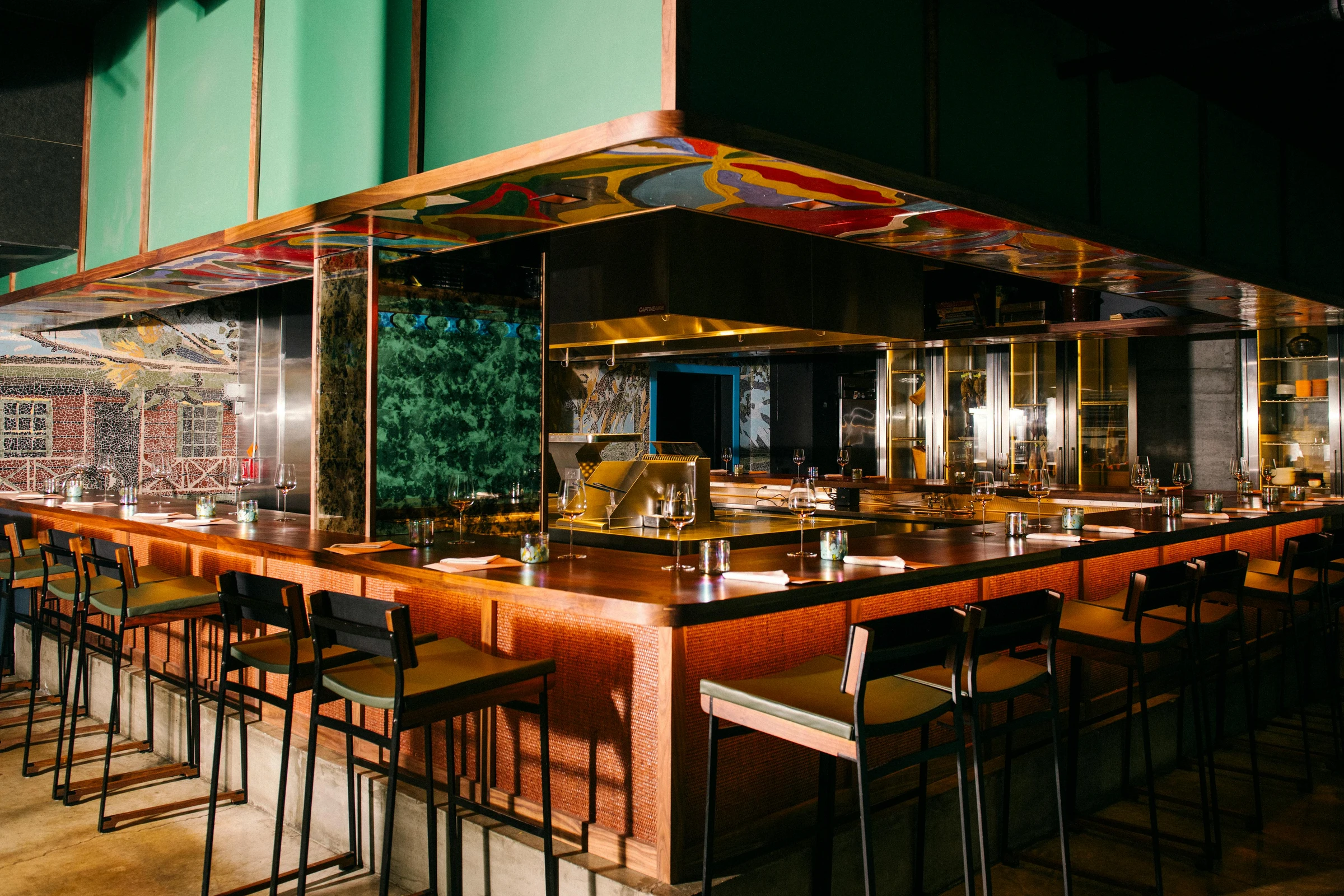
Fort Greene itself sits at a productive intersection of Brooklyn communities, close enough to the cultural infrastructure of BAM to pull a crowd that crosses borough lines, but rooted enough in its residential character that restaurants here are built to last rather than launch. Roman's reads that environment correctly. The room is spare and warm in the way that Italian osterie have always been spare and warm: wood, low light, and the sense that the space exists to frame dinner rather than compete with it.
Sourcing as Editorial Position
Across American fine dining, the sustainability conversation has fractured into two camps. The first is institutional: multi-starred restaurants with documented supply chains, carbon offset programs, and sustainability reports. The second is quieter and arguably more consequential at street level: the neighborhood kitchen that builds its menu around what the regional agricultural network can actually deliver, week by week, without fanfare. Roman's operates in the second tradition.
This distinction matters because it changes how a menu is written. When sourcing is treated as a marketing layer applied after the menu is conceived, the result is a list of dishes with producer footnotes. When sourcing is the starting point, the menu is inherently seasonal and inherently limited, because availability dictates it. The Italian culinary framework maps onto this approach naturally. Italian regional cooking has always been structured around what is local and what is in season, not as an ethical position but as a practical one. A kitchen working in that tradition doesn't need to announce its commitments; the menu announces them by what it includes and, just as importantly, by what it doesn't.
This places Roman's in a peer conversation with restaurants like Smyth in Chicago, Lazy Bear in San Francisco, and Frasca Food and Wine in Boulder, all of which have built their identities around a similar proposition: that the most honest cooking is the cooking most tightly tied to place and season. The price tier and format differ across these addresses, but the underlying philosophy does not.
Where Roman's Sits in the Brooklyn and New York Context
New York City's restaurant culture has developed two largely separate tracks. The first runs through Manhattan's high-ticket tasting-menu circuit, where Le Bernardin, Atomix, Eleven Madison Park, Per Se, and Masa operate in a globally competitive bracket with booking windows measured in months and price points that position them against international peers. The second track runs through Brooklyn and parts of lower Manhattan, where a different set of restaurants has been building credibility through repetition, regularity, and community trust rather than institutional recognition.
Roman's has always lived on the second track, and that positioning is a choice, not a limitation. The restaurant's longevity in a neighborhood that has seen significant change is itself a signal. Restaurants that survive in Brooklyn for an extended period do so because they serve their immediate community consistently, not because they cycle through trends. This is a more demanding test than it appears: neighborhood loyalty is earned visit by visit, and it is lost the moment a kitchen starts optimizing for external attention over local quality.
The Italian-leaning format gives Roman's a clear point of orientation in a city crowded with Italian restaurants at every price point. Italy's culinary traditions have always been regional and seasonal by definition, which means a kitchen working in that tradition with genuine seriousness is working within a framework that was sustainable before sustainability became a conversation. Pasta made with flour milled nearby, proteins sourced from regional farms, vegetables pulled from the market rather than a distribution catalog: these are not innovations, they are the original model, recovered and applied with care.
The Broader Farm-to-Table Argument, Made Without Argument
Restaurants that make their sourcing a primary talking point often create a category problem: the ethics overshadow the food. The more effective approach, and the one Roman's appears to take, is to let the sourcing show up in the cooking rather than in the copy. The cue here is international. In Italy, the equivalent of a farm-to-table declaration would be considered redundant; the expectation that a trattoria uses what is local and seasonal is foundational, not exceptional. Restaurants like Atelier Moessmer Norbert Niederkofler in Brunico and Dal Pescatore in Runate operate within regional Italian traditions where the connection between kitchen and land is structural, not aspirational.
American restaurants that genuinely absorb this lesson tend to produce cooking that reads as more confident and less effortful than those that wear their ethics on the menu. The commitment to seasonal sourcing stops being a constraint and becomes a creative framework. What you can get right now, from this region, in this condition, is your palette. The discipline that imposes tends to produce more focused, more honest cooking than a kitchen with access to everything.
This is the strongest case for Roman's in the context of New York's neighborhood dining culture. It has operated within a framework of local sourcing and seasonal honesty long enough that the framework is no longer visible as a framework. It is just the way the restaurant cooks. Comparable commitments are visible at Providence in Los Angeles, Addison in San Diego, and The French Laundry in Napa, though each operates at a different scale and price tier, and with a different relationship to institutional recognition.
Planning Your Visit
Roman's is at 243 DeKalb Avenue in Fort Greene, Brooklyn.
Questions
Frequently asked
How expensive is Roman's?
Roman's is listed at a price level of $$.
Where is Roman's and what does it serve?
Roman's is in Fort Greene, New York City, serving Italian Trattoria.
The field
How it compares
| Place | Cuisine | Notes | Awards |
|---|---|---|---|
| Roman's | Italian Trattoria | Fort Greene, $$ | · |
| Atomix | Modern Korean Tasting Menu | New York City | Michelin 2 Stars, World's 50 Best |
| Daniel | Modern French Fine Dining | New York City | Michelin 1 Star, World's 50 Best |
| Eleven Madison Park | Contemporary Plant-Based Fine Dining | New York City | Michelin 3 Stars, World's 50 Best |
| Jungsik New York | Modern Korean Fine Dining | New York City | Michelin 3 Stars, World's 50 Best |
| Kabawa | Modern Caribbean Prix Fixe | New York City | World's 50 Best |
| Le Bernardin | French Seafood Fine Dining | New York City | Michelin 3 Stars, World's 50 Best |
Similar places
Modern Korean Tasting Menu
Atomix
New York City, United States
★★ · 50 Best
Modern French Fine Dining
Daniel
New York City, United States
★ · 50 Best
Contemporary Plant-Based Fine Dining
Eleven Madison Park
New York City, United States
★★★ · 50 Best
Modern Korean Fine Dining
Jungsik New York
New York City, United States
★★★ · 50 Best
Modern Caribbean Prix Fixe
Kabawa
New York City, United States
50 Best
French Seafood Fine Dining
Le Bernardin
New York City, United States
★★★ · 50 Best