Skip to Content
    Made ByRestaurant

    Sabi Omakase
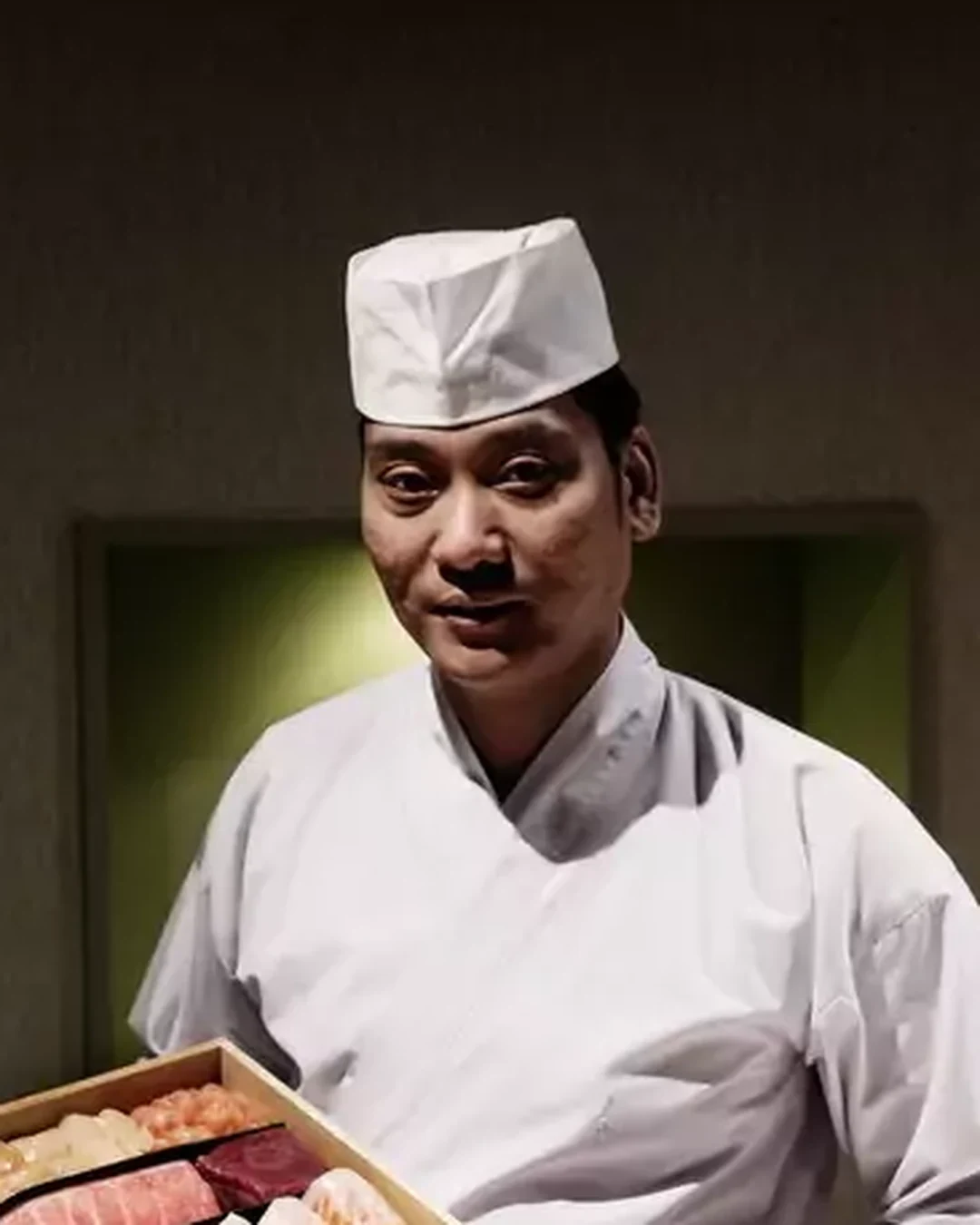
    Roger Askil Joya

    In Residence

    Roger Askil Joya

    Chef

    1. 01CuisineSushi
    2. 02CityStavenger, Norway
    Sabi Omakase (restaurant)

    Roger Askil Joya, chef at Sabi Omakase in Stavenger, works Ginza-rooted sushi through Norwegian seafood at a small counter.

    • Opinionated About Dining Top Restaurants in Europe Recommended · 2026

    A sushi ya held to Norwegian water

    A piece of Norwegian seafood reaches the counter before Roger Askil Joya, chef at Sabi Omakase in Stavenger, turns it into sushi. The gesture sits close to the idea that brought the restaurant into being: Joya had long wanted his own sushi ya, and in spring 2015 that wish took a permanent address in Stavanger. The model he chose was not a loose borrowing. Sabi Omakase was framed as an authentic sushi restaurant with origins in Ginza, Japan, then set against the fish and shellfish of Norwegian waters.

    Joya’s present work in Stavanger spans Sabi Omakase, where he is co-owner, and Sabi Enso, where he cooks in a Japanese-meets-Nordic register. At this counter, the language remains tighter: Japanese cuisine, seafood, and sushi, described by the house as compromise-free and innovative. The public arc of the restaurant turned quickly. In 2017, the MICHELIN Guide Nordic Countries awarded Sabi Omakase one star, placing a small Stavanger sushi ya on a Nordic stage while keeping the work fixed to the pass, the rice, and the sequence served piece by piece.

    Edomae by way of Stavanger

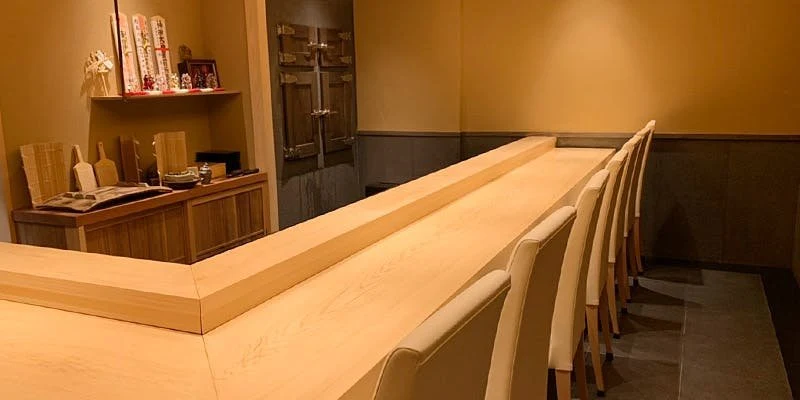
    The program here is omakase in the literal sense: the guest gives the order of decisions to the chef, and the meal moves by sequence rather than choice. The Stavanger counter has been described as holding 7 to 10 seats around the bar, a scale that keeps the hands visible and the margin for drift small. The set menu runs at approximately 17 to 20 courses, with otsumami, sashimi, and nigiri appearing according to the season and the supply of fish.

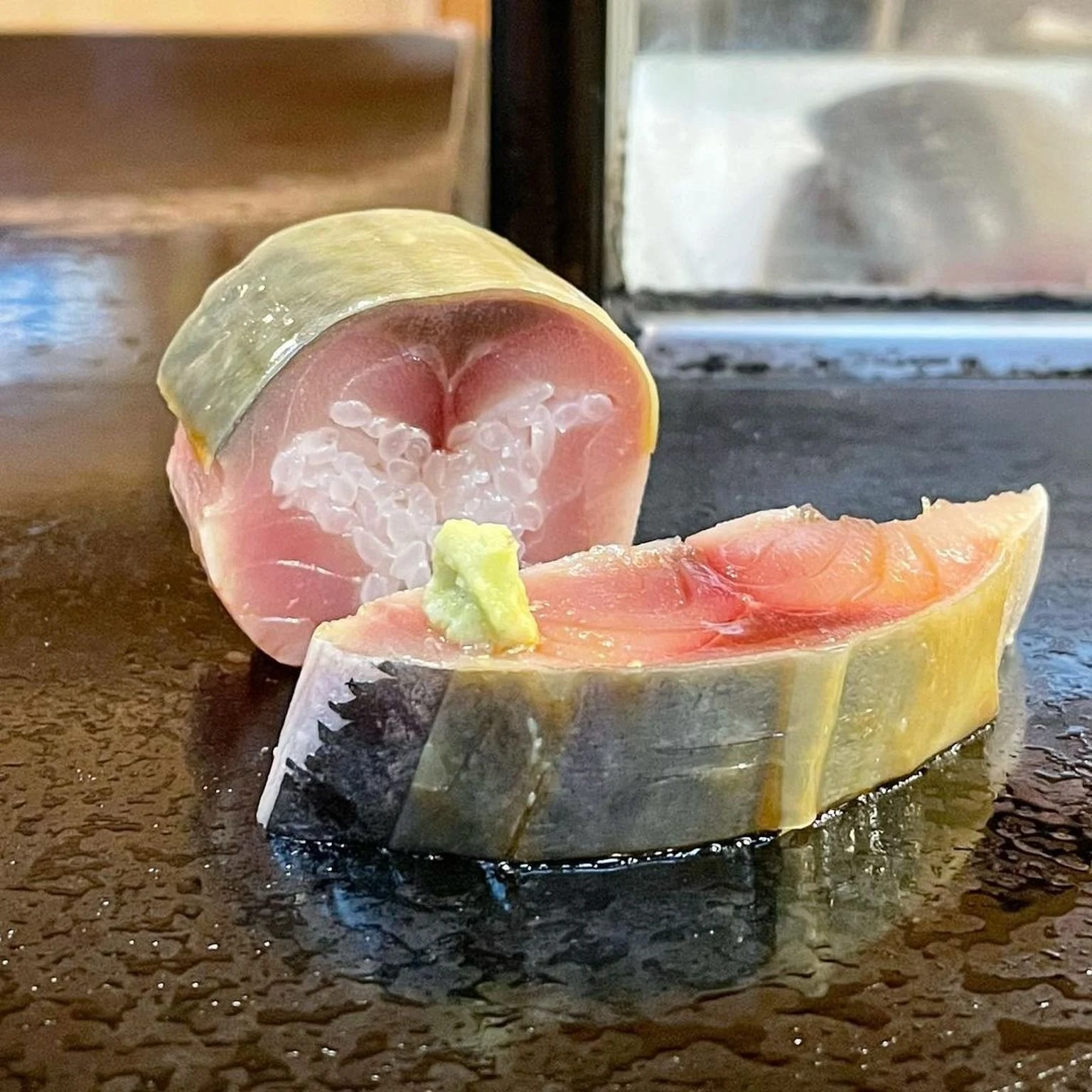
    The method is Japanese Edomae in discipline, but the materials pull north. Sabi Omakase has described its own reading as Nor-Mae sushi, an adaptation built around Norwegian seafood rather than a replica of Tokyo markets. Approximately 90% of the ingredients are locally sourced from Norway. Scallops, langoustine, squid, cod, halibut, salmon, mackerel, trout, shrimp, eel, tuna and salmon tartar, and yuzu sorbet have all belonged to the restaurant’s repertoire. The list matters less as abundance than as a working vocabulary: fat, brine, temperature, cut, rice, timing.

    The counter as the room

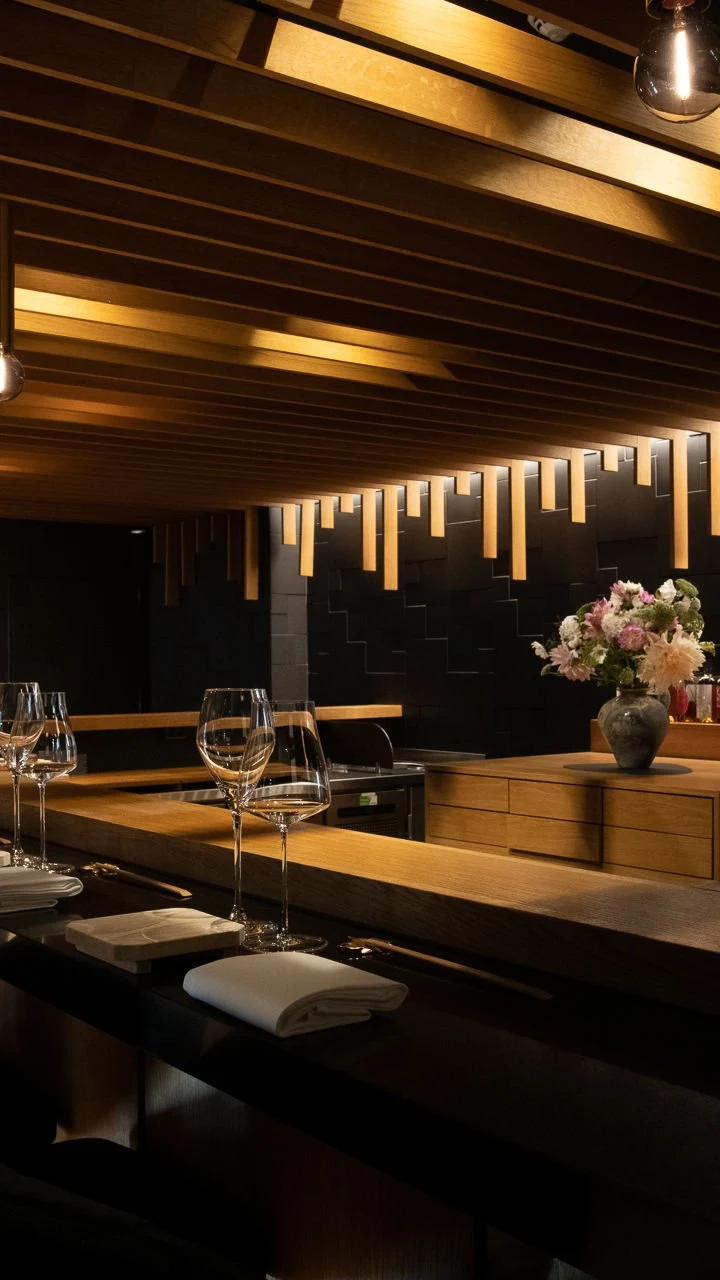
    The room at Sabi Omakase is small enough for the counter to become the restaurant’s architecture. Guests sit around the bar, not at a remove from the station, and the work arrives without the cover of distance. A knife stroke, a pressed piece of rice, the placement of fish, the pause before the next course: the meal uses those intervals as much as it uses seasoning.

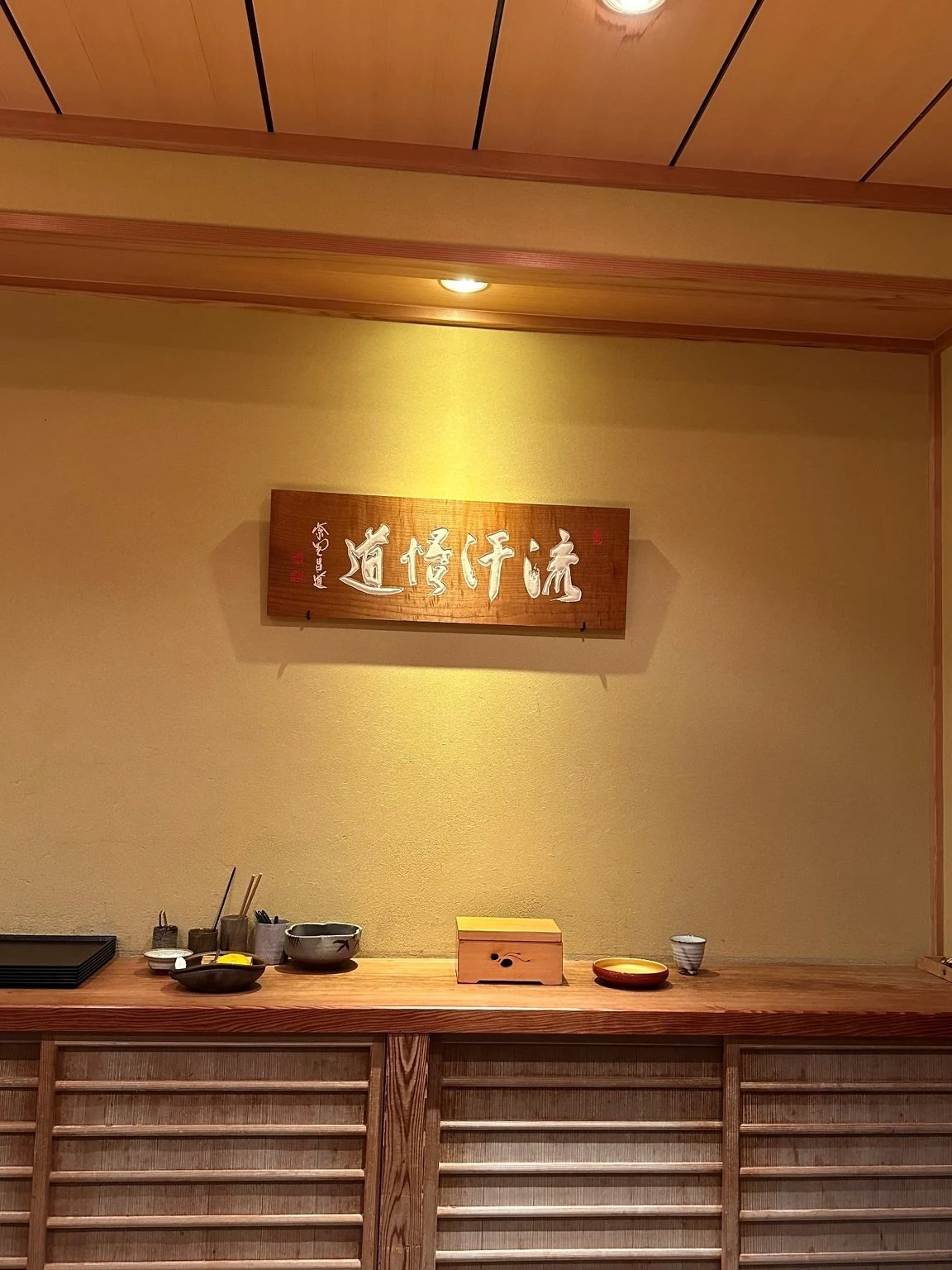
    Pedersgata 38A gives the restaurant a precise ground in Stavanger, in a small wood-clad building on Pedersgata. Inside, the mood has been described through warm light, music, and a staff that keeps attention on the bench rather than the room. The design of the place serves the same purpose as the menu format. It narrows the field until seafood, rice, and the chef’s hands carry the evening.

    A star held at the same address

    The one star awarded in 2017 still belongs to Sabi Omakase in current MICHELIN listings, and the restaurant has also appeared in broader ranking systems, including Restaurant Ranking, La Liste, and OAD European Restaurants. Awards can widen the audience, but they do not change the shape of the work here. Joya’s own public response to the 2017 recognition named Nordic edomae and Norwegian seafood as the direction to keep developing. The close attention remains on the next piece placed at the counter on Pedersgata 38A.

    Questions

    Frequently asked

    What kind of restaurant is Sabi Omakase?

    Sabi Omakase is a sushi restaurant in Stavanger, built around omakase service and a small counter. The restaurant describes its approach as Japanese cuisine, seafood, and sushi, with a focus on Norwegian seafood.

    Who cooks at Sabi Omakase?

    Roger Askil Joya is the chef at Sabi Omakase in Stavanger, and he is also a co-owner of the restaurant. His work there is shaped by Japanese Edomae discipline and Norwegian seafood.

    What is the format of the meal?

    The meal is served as omakase, so the guest leaves the order of decisions to the chef. The set menu runs at approximately 17 to 20 courses and can include otsumami, sashimi, and nigiri.

    What recognition has the restaurant received?

    The MICHELIN Guide Nordic Countries awarded Sabi Omakase one star in 2017, and that star still appears in current MICHELIN listings. The restaurant has also appeared in Restaurant Ranking, La Liste, and OAD European Restaurants.

    The field

    How it compares

    PlaceCuisineAwardsNotes
    Sabi OmakaseSushi··
    AddisonModern California Fusion Fine DiningMichelin 3 Stars, World's 50 BestSan Diego
    Hiša FrankoModern Slovenian Fine DiningMichelin 3 Stars, World's 50 BestKobarid
    Moor HallModern British Fine DiningMichelin 3 StarsAughton
    NorthcoteModern British Fine DiningMichelin 1 StarLangho
    TantrisModern French Fine DiningMichelin 2 Stars, World's 50 BestMunich
    The Fat DuckModern British Molecular GastronomyMichelin 3 Stars, World's 50 BestBray

    In residence

    Similar places

    ← Browse all places