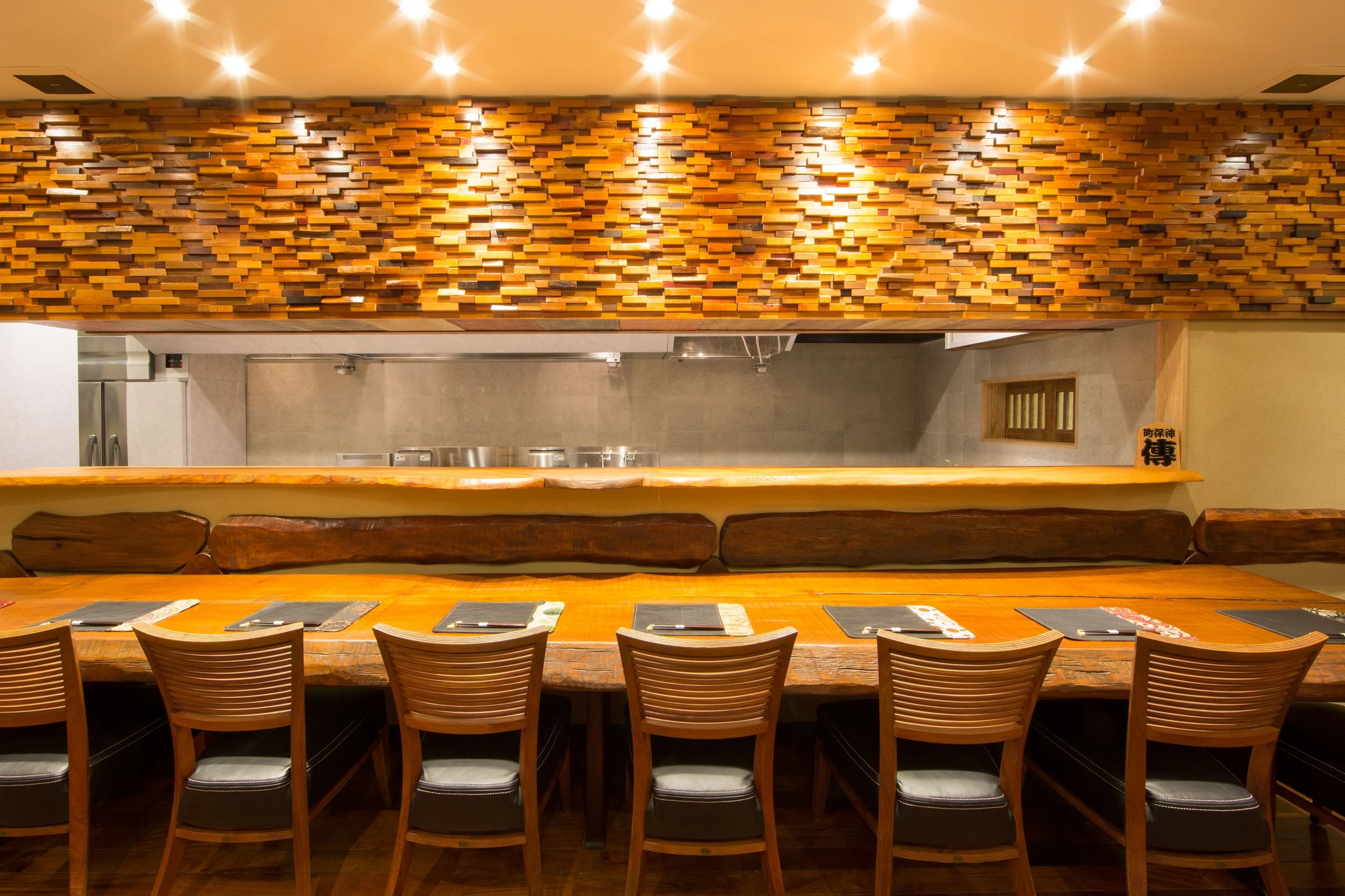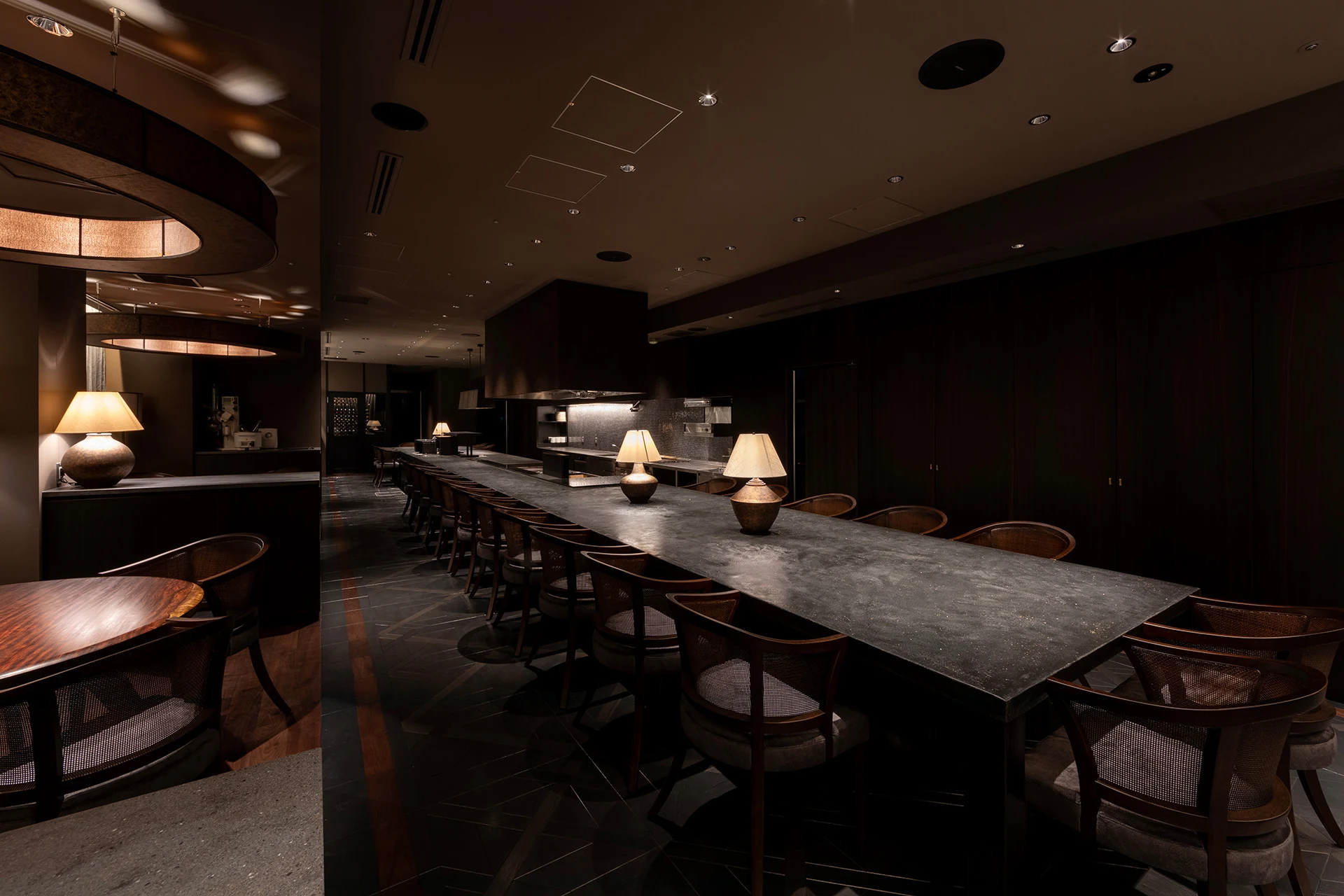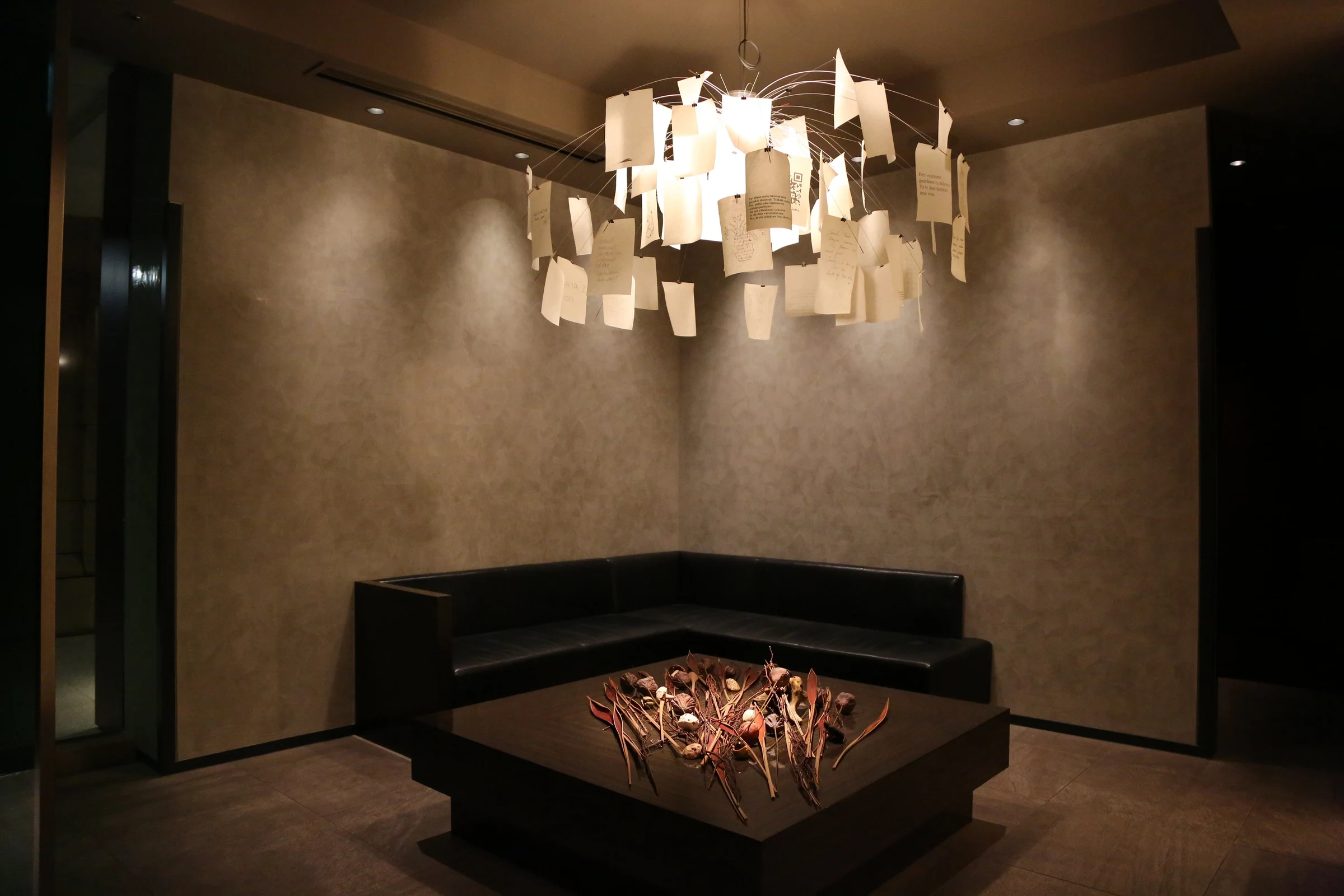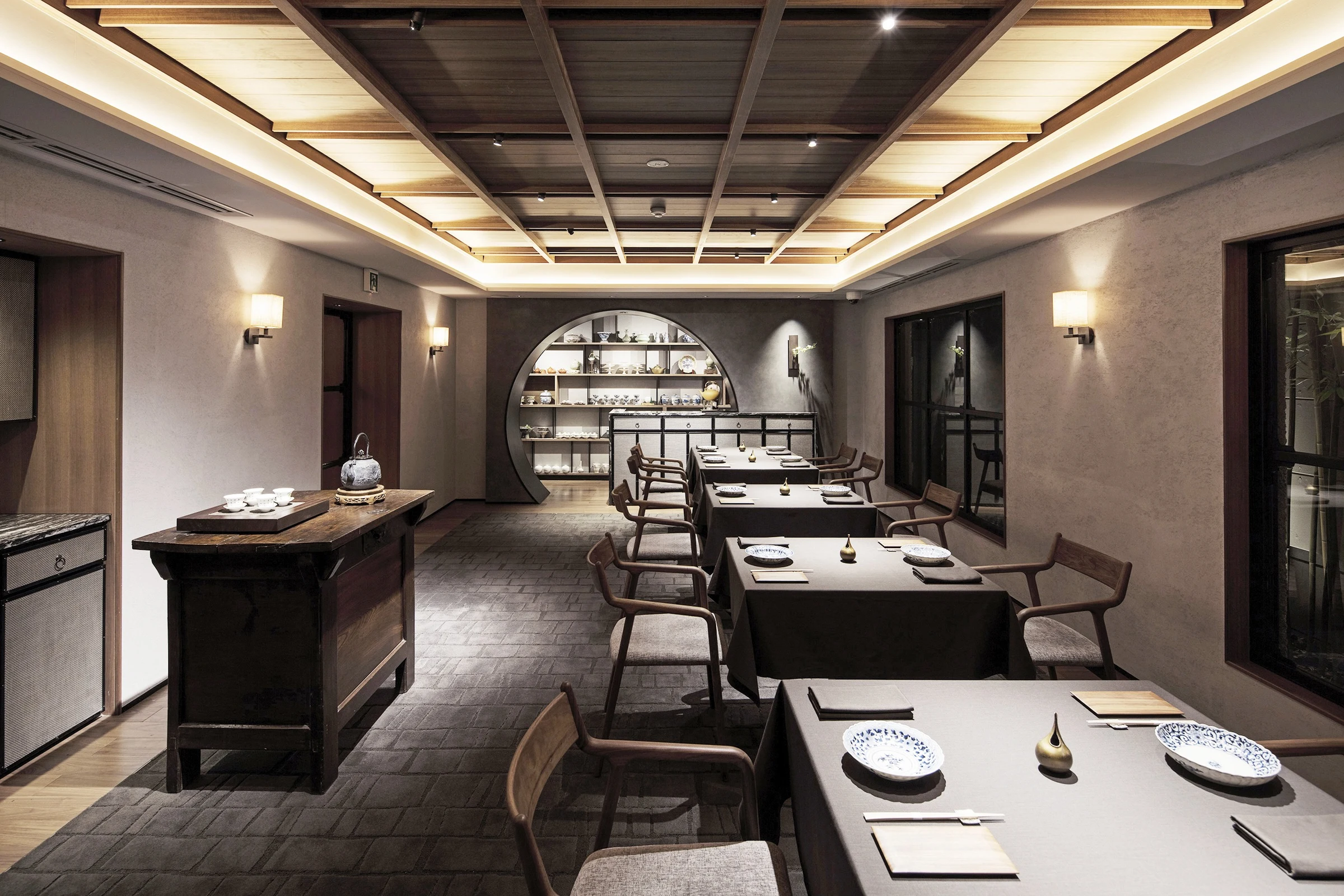
- Opinionated About Dining Top Restaurants in Japan Ranked #15 · 2026
- Opinionated About Dining Top Restaurants in Japan Ranked #8 · 2025
- Opinionated About Dining Top Restaurants in Japan Ranked #7 · 2024
- Opinionated About Dining Top Restaurants in Japan Ranked #5 · 2023
Tokyo's Tempura Counter Tier, Where Nitome Sits
Tokyo's premium tempura scene occupies a narrower competitive bracket than its sushi or kaiseki counterparts, but within that bracket the distinctions are sharp. A small number of specialist counters have built reputations over decades on the quality of their oil, the temperature discipline of their frying, and an ingredient sourcing calendar that tracks Japan's seasonal produce with the same rigour you find at leading kaiseki houses. Tempura Nitome, operating from Toranomon in Minato City, sits in that upper tier. Its Opinionated About Dining ranking, #5 in Japan in 2023, #7 in 2024, and #8 in 2025, places it consistently among the most critically regarded tempura destinations in the country.
The slight downward drift in ranking across 2023 to 2025 is less a signal of decline than a reflection of how competitive this category has become. Counters like Tempura Kondo and Tempura Motoyoshi occupy the same critical conversation, and Tempura Ginya has added pressure from within the city. Holding a top-ten position across three consecutive OAD cycles is a more meaningful credential than a single-year spike, it reflects a stable kitchen with consistent execution rather than a moment of critical novelty.
Shuji Niitome and the Weight of Specialist Training
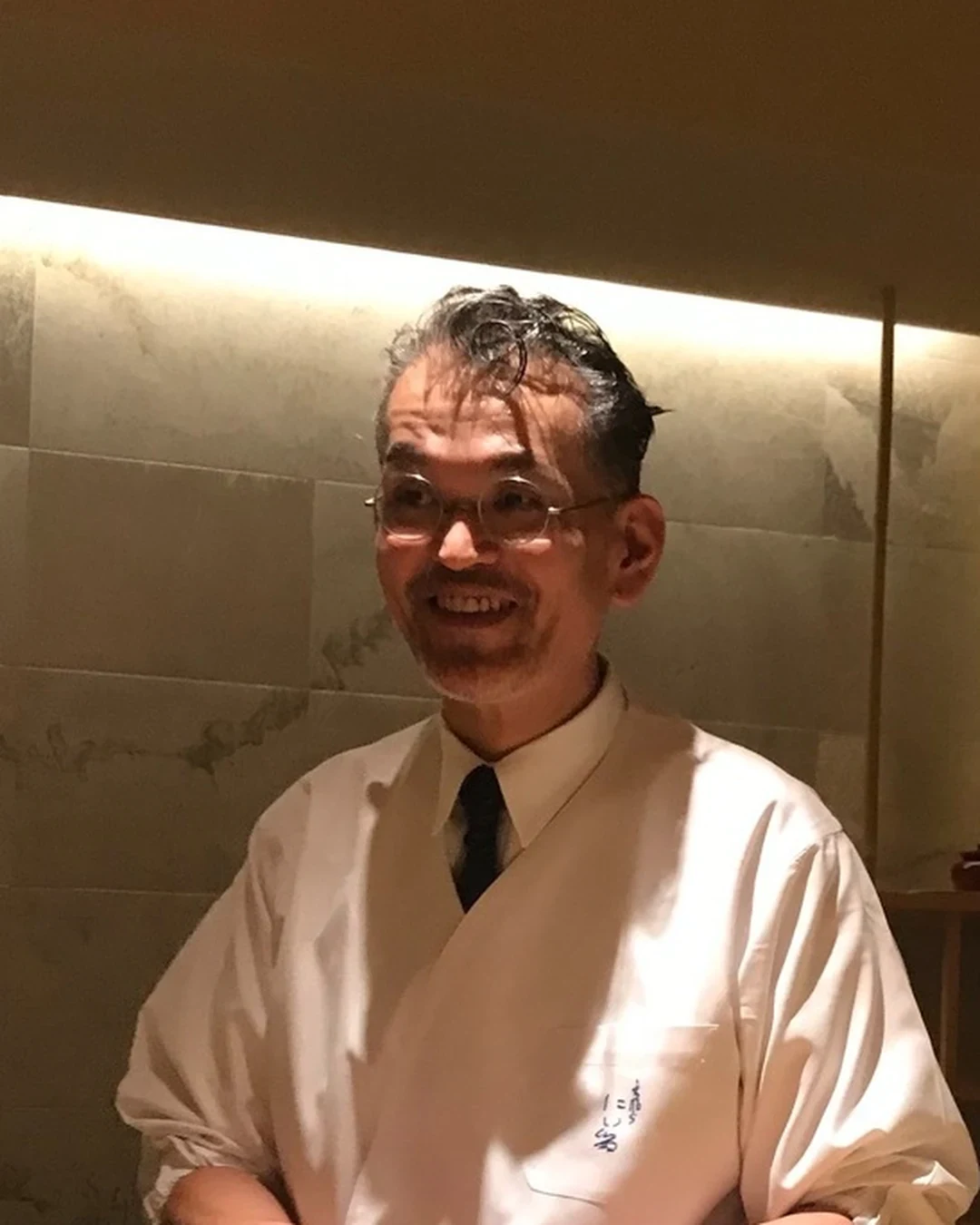
Tokyo's leading single-discipline counters, tempura, sushi, soba, tend to be built around chefs whose training was long, narrow, and deliberate. The logic is consistent: when a menu revolves around one cooking method, the chef's accumulated knowledge of that method has nowhere to hide. At Tempura Nitome, Chef Shuji Niitome's name is embedded in the restaurant's own, a signal of the kind of direct authorship that distinguishes owner-operated specialist counters from larger dining groups where chefs rotate and menus drift.
In the tempura tradition, that authorship expresses itself through decisions that are invisible to the casual observer but legible to anyone who has eaten at multiple serious counters: the blend and temperature of the frying oil, the hydration and resting time of the batter, the sequencing of ingredients from lighter to richer across the course of a meal. These are not stylistic flourishes. They are accumulated craft decisions that take years to stabilise into a coherent kitchen identity. The OAD scores over three years suggest Niitome's kitchen has that stability.
For context on the broader Japanese culinary scene outside Tokyo, the same critical apparatus that tracks Nitome also covers HAJIME in Osaka, Gion Sasaki in Kyoto, and akordu in Nara, a reminder that Japan's critical restaurant culture extends well beyond the capital, even as Tokyo concentrates the highest density of specialist counters in any one city.
The Toranomon Address and What It Signals
Minato City has become one of Tokyo's more interesting neighbourhoods for serious dining, partly because of its density of corporate headquarters and high-net-worth residents, and partly because of the infrastructure investment that has accompanied the Toranomon Hills development over the past decade. Restaurants in this area tend to attract a professional clientele with both the budget and the schedule flexibility to commit to omakase-length meals during working hours, a dynamic that shapes how counters here are positioned and priced relative to, say, those in Ginza or Shinjuku.
The address at 5 Chome-10 Toranomon places the restaurant in a pocket of the neighbourhood that rewards some navigation, which is consistent with the broader pattern of Tokyo's leading specialist counters: they are rarely on the most trafficked streets.
Tempura as a Discipline, What Separates the Serious Counters
It is worth being precise about what distinguishes a restaurant like Tempura Nitome from the broader category of tempura in Tokyo, because the gap is significant. The word tempura covers everything from fast-food tendon bowls to multi-course omakase experiences priced at the level of leading kaiseki. The separating factors at the serious counter level are well understood among critics: oil freshness and type (sesame, cottonseed, or proprietary blends), batter temperature management, the origin and seasonality of ingredients, and the pace of service, each piece fried to order and served immediately so the batter texture is caught at the correct moment.
These counters also differ from each other in philosophy. Some prioritise shellfish and marine ingredients; others build their reputation around the treatment of mountain vegetables in spring or autumn mushrooms. The consistent OAD recognition across three years points to a kitchen that has defined its position within the category and executes against it reliably.
For those exploring tempura specifically across Japan's cities, Numata in Osaka offers a useful regional comparison, while Mudan Tempura in Taipei illustrates how the form has been adopted and adapted outside Japan. Closer to Tokyo, Fukamachi and Edomae Shinsaku extend the city's depth in adjacent Japanese dining traditions.
Planning Your Visit
Tempura Nitome is located at 5 Chome-10 Toranomon, Minato City, Tokyo 105-0001. Toranomon Station on the Ginza Line is the most direct access point. Given the restaurant's sustained OAD ranking, booking well in advance is advisable.
For dining outside the capital during the same Japan trip, Goh in Fukuoka, 1000 in Yokohama, and 6 in Okinawa represent the kind of serious regional alternatives that a Japan itinerary built around critical dining should include.
What do regulars order at Tempura Nitome?
At counters of this calibre, Tempura Kondo and Tempura Motoyoshi being the most direct peer references, the omakase format means the kitchen sequences courses according to what is in season and at peak quality on a given day, so a fixed signature order is rarely the right frame for understanding how these restaurants work. The OAD recognition across three consecutive years points to consistent quality across the full sequence rather than a single standout item.
Questions
Frequently asked
Who works at Tempura Nitome?
Made By profiles Shuji Niitome (Chef) at Tempura Nitome.
How expensive is Tempura Nitome?
Tempura Nitome is listed at a price level of $$$$.
Where is Tempura Nitome and what does it serve?
Tempura Nitome is in Minato, Tokyo, serving Master Tempura.
The field
How it compares
| Place | Cuisine | Notes | Awards |
|---|---|---|---|
| Tempura Nitome | Master Tempura | Minato, $$$$ | · |
| Den | Modern Japanese Kaiseki | Tokyo | Michelin 2 Stars, World's 50 Best |
| Florilège | Modern French-Japanese Plant-Based Fine Dining | Tokyo | Michelin 2 Stars, World's 50 Best |
| Narisawa | Modern Japanese Satoyama Fine Dining | Tokyo | Michelin 2 Stars, World's 50 Best |
| Quintessence | Modern French Fine Dining | Tokyo | Michelin 3 Stars |
| Sazenka | Modern Chinese Fine Dining | Tokyo | Michelin 3 Stars, World's 50 Best |
| Sézanne | Modern French Fine Dining | Tokyo | Michelin 3 Stars, World's 50 Best |
In residence
Similar places
Modern Japanese Kaiseki
Den
Tokyo, Japan
★★ · 50 Best
Modern French-Japanese Plant-Based Fine Dining
Florilège
Tokyo, Japan
★★ · 50 Best
Modern Japanese Satoyama Fine Dining
Narisawa
Tokyo, Japan
★★ · 50 Best
Modern French Fine Dining
Quintessence
Tokyo, Japan
★★★
Modern Chinese Fine Dining
Sazenka
Tokyo, Japan
★★★ · 50 Best
Modern French Fine Dining
Sézanne
Tokyo, Japan
★★★ · 50 Best