Nishimuraya Honkan
In Residence
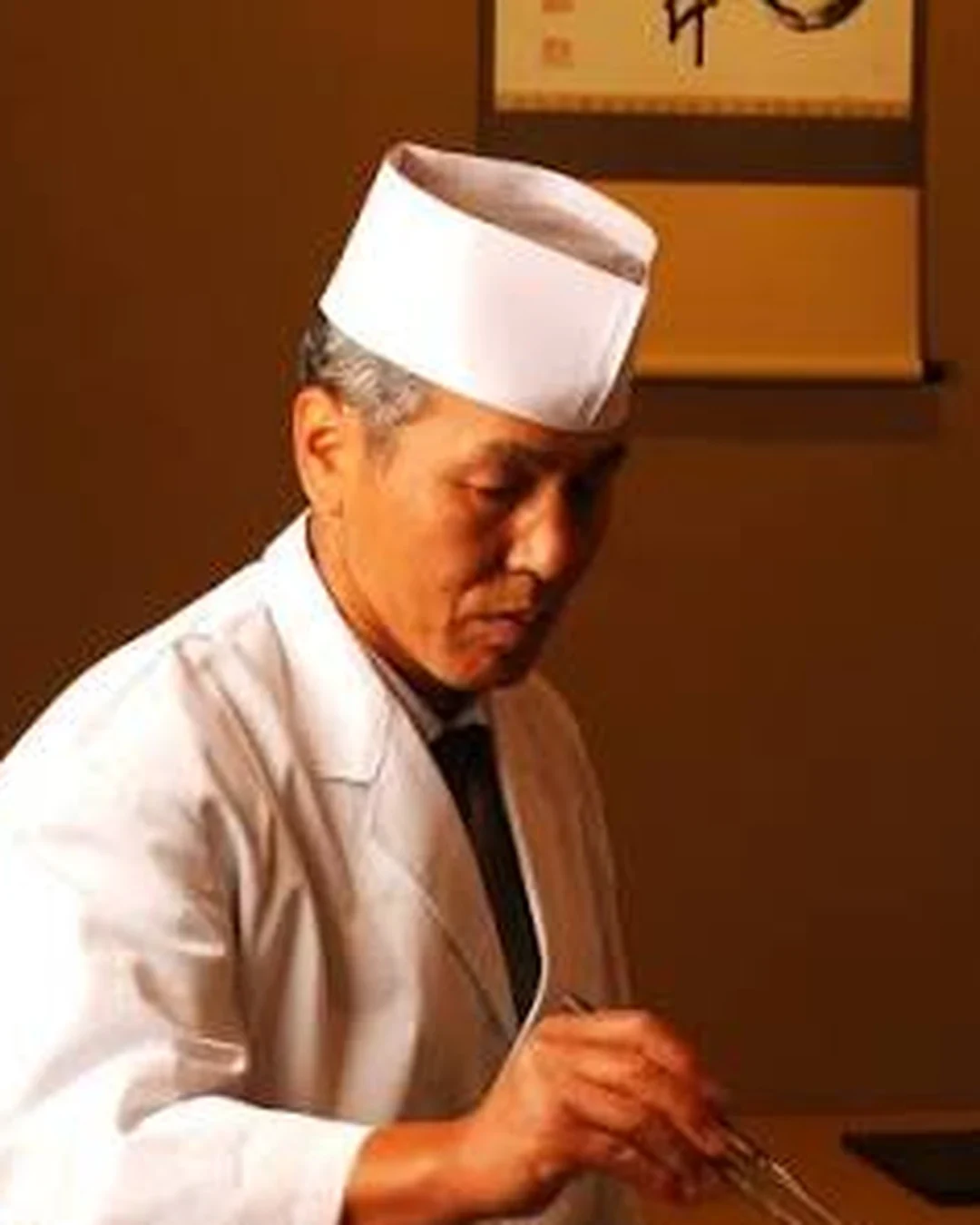
Etsunobu Takahashi
Chef
- 01CuisineTraditional Japanese Kaiseki
- 02CityKinosaki-cho, Japan
Kaiseki as Seasonal Argument
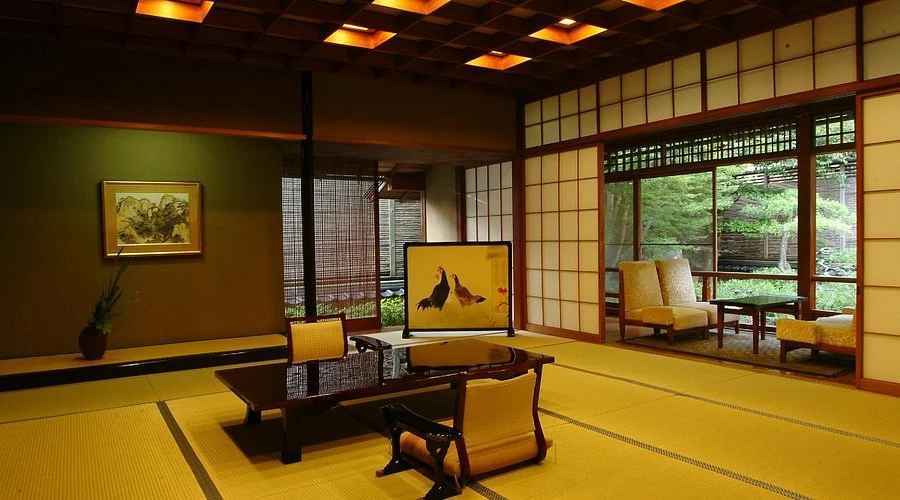
Kaiseki is a format that resists compression. Where the kaiseki counters in Kyoto and Tokyo, places like Gion Sasaki in Kyoto or Aca 1° in Kyoto, operate as theatrical dining rooms where the chef performs across a counter, ryokan kaiseki operates on a different register entirely. The meal comes to the guest. Courses arrive in the guest room, timed around the baths, unfolding over two to three hours without the ambient pressure of a restaurant setting. Each dish in a kaiseki sequence serves a structural purpose: sakizuke as an opening statement, hassun to establish the season, yakimono as the protein pivot, and so on. The sequence is a calendar argument, not a tasting menu in the Western sense.
Hyogo Prefecture's position on the Sea of Japan coast gives Kinosaki kitchens a different larder than the kaiseki houses in Kyoto or the sushi counters of Tokyo. The region is known for Matsuba crab in winter, a product so closely tied to the local economy that the season's opening in early November is treated as a civic event. That seasonal specificity feeds directly into the kaiseki philosophy: the menu at a place like Nishimuraya Honkan reflects not just the calendar month but the specific coastal geography of Toyooka and the Sea of Japan shore.
The Sunday email
Read about the people behind restaurants like Nishimuraya Honkan in the Sunday email.
Every Sunday we send a lead story and up to four more about the chefs, winemakers, sommeliers and hoteliers behind the restaurants, bars, wineries and hotels we cover.
Recent stories
Free. One email a week, and you can unsubscribe from any issue.
Seven Generations and What That Means in Practice
Family continuity across seven generations is not primarily a sentimental credential. In Japanese hospitality, it signals something structural: accumulated knowledge of suppliers, relationships with local fishing boats and mountain foragers, and an institutional memory of how a place changes season by season across decades. The premium ryokan market in Japan has split between large resort-group properties, many of them operated by chains like Hoshino Resorts, and family-run establishments where the operational logic is inheritance rather than brand standards. Nishimuraya Honkan sits firmly in the latter category, and that distinction shapes everything from the sourcing decisions to the omotenashi rhythm, the attentive service model that a seven-generation house has had time to calibrate.
The competitive comparable set for a property of this standing is not the onsen hotel chains but the small handful of historic family ryokan across Japan that have maintained both culinary seriousness and physical authenticity simultaneously. Google scores Nishimuraya Honkan 4.5 across 202 reviews.
Placing Kinosaki in Japan's Kaiseki Map
Japan's kaiseki geography tends to centre on Kyoto and, to a lesser degree, Tokyo, where restaurants like Aoyagi in Tokyo operate as urban kaiseki destinations with Michelin recognition. Osaka's fine dining scene runs parallel with different emphases, as you can see at HAJIME in Osaka. Kinosaki operates outside that urban circuit, which means it draws guests who are specifically seeking the ryokan format rather than a restaurant destination. The comparison is not between Nishimuraya Honkan and a Kyoto counter; it is between Nishimuraya Honkan and other historic ryokan kaiseki experiences in regions like the Noto Peninsula, the Izu coast, or the onsen towns of Kyushu, where properties such as those near Aji Arai in Oita serve comparable coastal-seasonal menus.
What separates Kinosaki from those peer regions is the density of the communal bathing infrastructure. The town's seven bathhouses mean that the evening moves between room, bath, and table in a sequence that structures the body's experience of the meal. That sequence, hot bath, then cold air, then a composed kaiseki course by the window, is difficult to replicate elsewhere and it matters to how the food lands.
Questions
Frequently asked
Who works at Nishimuraya Honkan?
Made By profiles Etsunobu Takahashi (Chef) at Nishimuraya Honkan.
How expensive is Nishimuraya Honkan?
Nishimuraya Honkan is listed at a price level of $$$$.
Where is Nishimuraya Honkan and what does it serve?
Nishimuraya Honkan is in Kinosaki Onsen, Kinosaki-cho, serving Traditional Japanese Kaiseki.
The field
How it compares
| Place | Cuisine | Notes | Awards |
|---|---|---|---|
| Nishimuraya Honkan | Traditional Japanese Kaiseki | Kinosaki Onsen, $$$$ | · |
| Hayato | Traditional Japanese Kaiseki | Los Angeles | Michelin 2 Stars |
| Iyo Kaiseki | Traditional Japanese Kaiseki | Milan | Michelin 1 Star |
| Kagurazaka Ishikawa | Traditional Japanese Kaiseki | Tokyo | Michelin 3 Stars |
| Sanso Kyoyamato | Traditional Japanese Kaiseki | Kyoto | Michelin 2 Stars |
| Yamazato | Traditional Japanese Kaiseki | Amsterdam | Michelin 1 Star |
| 麻布 幸村 | Traditional Japanese Kaiseki | Tokyo | · |
Similar places
Traditional Japanese Kaiseki
Hayato
Los Angeles, United States
★★
Traditional Japanese Kaiseki
Iyo Kaiseki
Milan, Italy
★
Traditional Japanese Kaiseki
Kagurazaka Ishikawa
Tokyo, Japan
★★★
Traditional Japanese Kaiseki
Sanso Kyoyamato
Kyoto, Japan
★★
Traditional Japanese Kaiseki
Yamazato
Amsterdam, Netherlands
★
Traditional Japanese Kaiseki
麻布 幸村
Tokyo, Japan
The Sunday email
Read about the people behind restaurants like Nishimuraya Honkan in the Sunday email.
Every Sunday we send a lead story and up to four more about the chefs, winemakers, sommeliers and hoteliers behind the restaurants, bars, wineries and hotels we cover.
Recent stories
Free. One email a week, and you can unsubscribe from any issue.