Palmira Barbecue
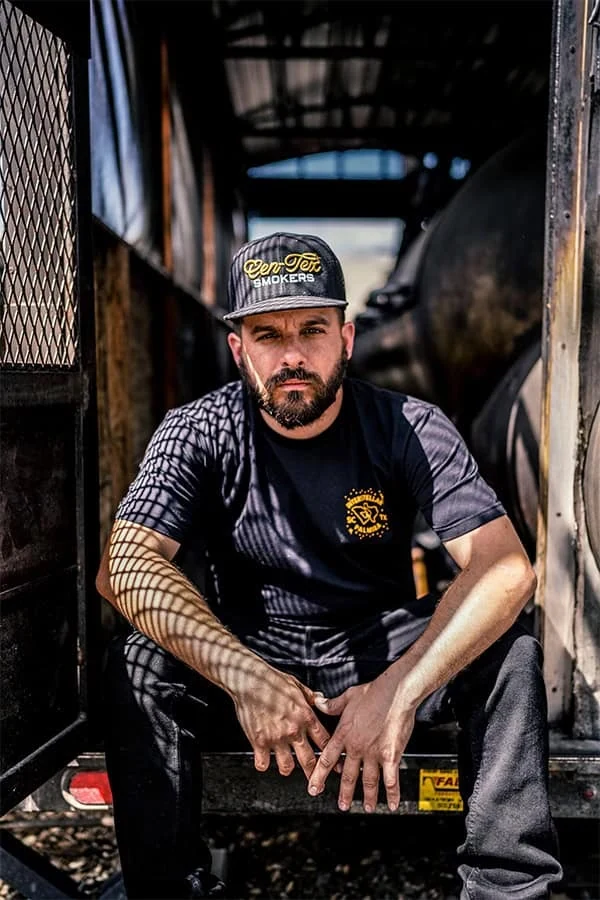
In Residence
Hector Garate
Chef
- 01CuisinePuerto Rican Fusion BBQ
- 02CityCharleston, United States
- 03RecognitionJames Beard Award
- James Beard Winner · James Beard Foundation
- Conde Nast Selected for 2026 Condé Nast Traveler Best Restaurants in Charleston: 100pts
- James Beard Award Semi Finalist · 2026
- New York Times The 23 Best Restaurant Dishes We Ate Across the U.S. · 2025
Smoke, Structure, and What the Menu Reveals
Charleston's barbecue conversation has long lived in the shadow of its fine-dining reputation. The city's most-discussed restaurants tend to cluster downtown, trading in Low Country seafood, New American tasting menus, or the kind of Southern-inflected cooking that courts Michelin attention. Palmira Barbecue is a Puerto Rican Fusion BBQ restaurant in Charleston on Ashley River Road. Positioned west of the peninsula, it operates at a remove from that concentrated dining corridor, and the distance is more than geographic. The premise here is barbecue treated with the same seriousness that places like Le Bernardin in New York City or Alinea in Chicago bring to their own traditions.
That seriousness registered nationally when Palmira's cooking appeared on a curated list of the 23 best restaurant dishes eaten across the United States. Recognition at that level tends to arrive for restaurants where the kitchen has made deliberate choices about what to cook and how, not simply for those producing adequate versions of a familiar form.
What the Menu Architecture Says
Barbecue menus, at their most considered, function as a kind of argument. The cuts chosen, the woods selected, the sides offered alongside the proteins, each decision reflects a position on what the tradition is and where it comes from. South Carolina's barbecue identity is itself contested: the state has competing regional styles, with mustard-based sauces holding particular claim to historical legitimacy in the Midlands, while the Lowcountry has absorbed influences that complicate any single lineage.
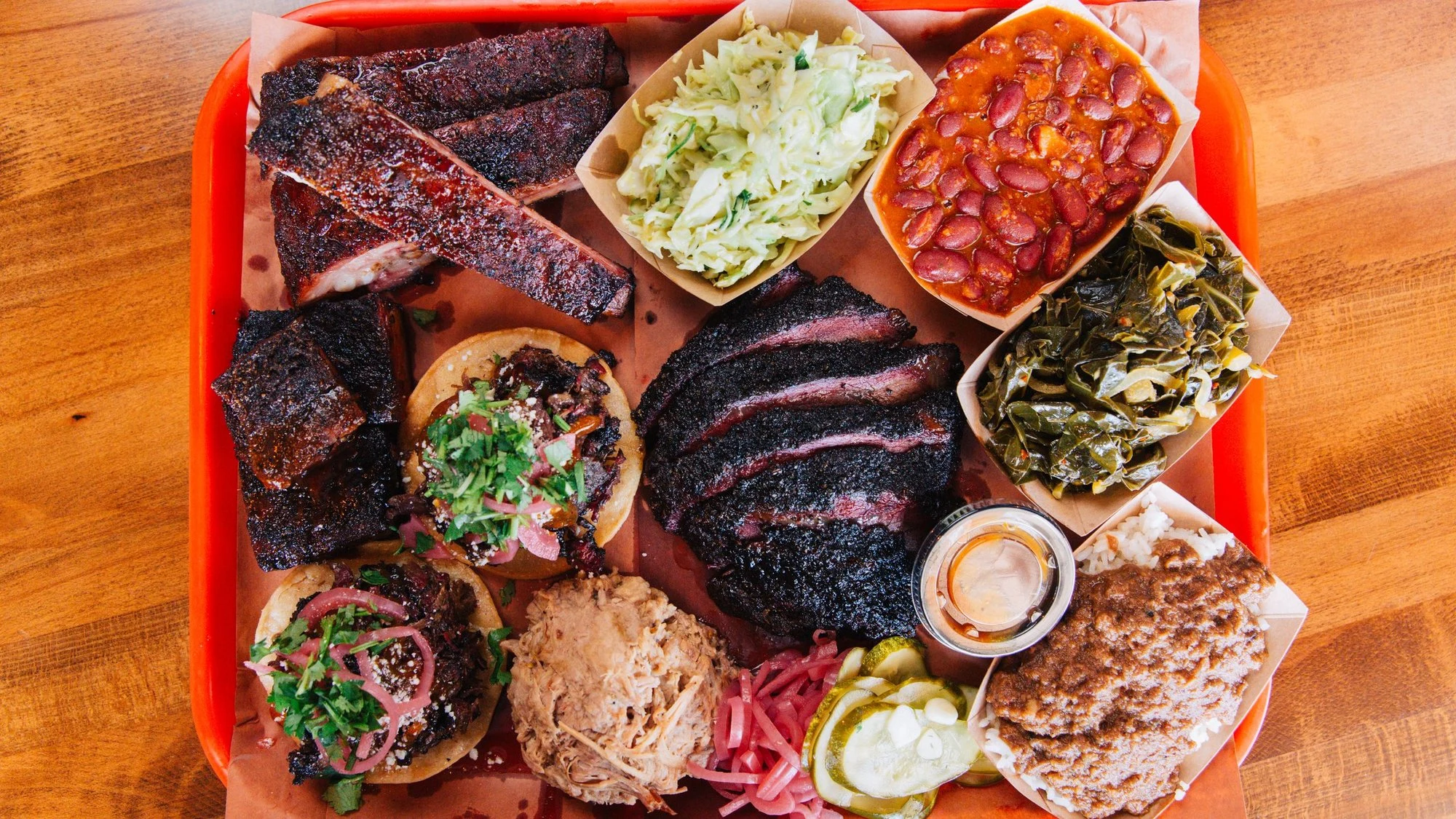
A menu read at Palmira communicates an engagement with that complexity rather than a retreat from it. The structure prioritizes smoked proteins as the central argument, with supporting elements that function as evidence rather than filler. This is the architecture of a kitchen that has thought carefully about what each component is doing, an approach shared, in form if not in cuisine, by focused operations like Lazy Bear in San Francisco or Single Thread Farm in Healdsburg, where the menu structure itself carries editorial weight.
Charleston's broader dining scene has become increasingly stratified in recent years. Restaurants like Vern's and Lowland occupy the creative New American tier, while venues like Malagón Mercado y Taperia represent the city's growing appetite for genre-specific depth. Palmira sits within that movement toward specificity, but grounds it in a tradition, American barbecue, that carries its own distinct evaluative criteria. Smoke management, timing, sourcing, and restraint in seasoning matter here in ways that differ structurally from how a kitchen making composed plates is assessed.
Charleston Barbecue in Context
Any serious barbecue program in Charleston exists in dialogue with what has come before, locally and regionally. Rodney Scott's BBQ established a high-profile benchmark for whole-hog cooking in the city, bringing national recognition to a form that had long operated outside the fine-dining conversation. The presence of multiple nationally recognized barbecue operations in a single market signals that Charleston's appetite for this tradition runs deeper than tourism alone can explain.
That depth creates the conditions for differentiation. When a market has more than one serious barbecue destination, the distinctions between them, in wood, cut selection, sauce philosophy, cooking time, become legible to a growing local audience. Palmira's national recognition, arriving through the dish-focused curatorial lens of a best-dishes list rather than a full restaurant award, suggests the kitchen has identified something specific enough to be singular at the plate level.
For reference beyond the barbecue category, the broader Charleston dining scene offers significant range. 167 Raw anchors the city's oyster bar tradition on the opposite end of the culinary spectrum, while the concentration of recognized restaurants across multiple genres makes Charleston one of the more analytically interesting mid-sized dining cities in the American South. Our full Charleston restaurants guide maps the full range.
Getting There and Planning Your Visit
Palmira Barbecue is located at 2366 Ashley River Road, Building 1, in West Ashley, a neighborhood that sits outside the historic peninsula but is accessible by car in roughly fifteen to twenty minutes from downtown Charleston depending on traffic. The location places it closer to residential Charleston than to the tourist-heavy corridor along King Street, which tends to mean a dining room that skews local rather than transient.
Barbecue restaurants operating at this level of recognition frequently face the same logistical pressure: demand that arrives faster than capacity can absorb it. Quantities of smoked meat are fixed by what enters the pit hours before service, which means popular items can sell out earlier in a session than a casual visitor might expect. Arriving early, particularly on weekends, is the practical response to that constraint. For current hours and menu availability, check directly with the restaurant before visiting.
Those building a full Charleston itinerary around food can orient around the city's other recognized operations: Charleston's hotels, bars, wineries, and experiences cover the broader picture. For those with wider American barbecue interests, Emeril's in New Orleans offers a reference point for how Southern culinary traditions translate into fine-dining formats, while Atomix in New York City and 8 1/2 Otto e Mezzo Bombana in Hong Kong illustrate the range of what nationally recognized restaurant cooking looks like across different cuisines and cities.
The French Laundry in Napa represents one pole of American fine dining ambition. Palmira occupies a different pole entirely, one where the measure of success is the quality of what comes off a wood-burning pit, and where a single dish earning national recognition counts as the relevant credential.
Questions
Frequently asked
What recognition does Palmira Barbecue hold?
Palmira Barbecue holds a James Beard award.
Who works at Palmira Barbecue?
Made By profiles Hector Garate (Pitmaster) at Palmira Barbecue.
How expensive is Palmira Barbecue?
Palmira Barbecue is listed at a price level of $$.
Where is Palmira Barbecue and what does it serve?
Palmira Barbecue is in West Ashley, Charleston, serving Puerto Rican Fusion BBQ.
The field
How it compares
| Place | Awards | Cuisine | Notes |
|---|---|---|---|
| Palmira Barbecue | James Beard | Puerto Rican Fusion BBQ | West Ashley, $$ |
| Chubby Fish | World's 50 Best | Modern Seafood Raw Bar | Charleston |
| FIG | · | Southern Farm-to-Table Bistro | Charleston |
| Husk | · | Elevated Southern Farm-to-Table | Charleston |
| Merci | · | French-Italian Bistro | Charleston |
| Rodney Scott's BBQ | · | Whole-Hog South Carolina BBQ | Charleston |
| Vern's | Michelin 1 Star | New American Seasonal Bistro | Charleston |
In residence
Similar places
Modern Seafood Raw Bar
Chubby Fish
Charleston, United States
50 Best
Southern Farm-to-Table Bistro
FIG
Charleston, United States
Elevated Southern Farm-to-Table
Husk
Charleston, United States
French-Italian Bistro
Merci
Charleston, United States
Whole-Hog South Carolina BBQ
Rodney Scott's BBQ
Charleston, United States
New American Seasonal Bistro
Vern's
Charleston, United States
★