A Fifth-Floor Address in a Neighbourhood That Keeps Changing
The Lower East Side has undergone several versions of itself since the early 2000s. What began as a tightly packed immigrant neighbourhood, defined by tenement buildings and the kind of eating that prioritised volume and value over presentation, has since absorbed successive waves of reinvention. Cocktail bars arrived first, then small-plates restaurants, then a smattering of reservation-only rooms that would not have looked out of place in Tribeca. Rosie's, at 29 East 2nd Street on the fifth floor, sits within that evolving context, occupying a position that the neighbourhood's earlier identity would not have predicted.
The address itself signals something about the current moment in Lower East Side dining. Fifth-floor walk-up spaces in this part of Manhattan tend to attract operators who are either working with limited capital or deliberately cultivating a remove from street-level foot traffic, or both. Neither is a criticism. Some of the more interesting rooms in New York operate on exactly that logic, trading visibility for a sense of arrival that ground-floor venues cannot manufacture. The climb, or the elevator ride if the building has one, becomes part of the format. You are not stumbling in from the street; you are going somewhere.
The Broader Shift: How the LES Dining Scene Has Evolved
To understand where Rosie's fits, it helps to map the broader arc of the neighbourhood. A decade ago, the Lower East Side restaurant conversation centred on places that kept prices low and hours long, operating on the assumption that their clientele was young, cash-conscious, and arrived after midnight. That demographic has not disappeared, but it has been joined by a different kind of diner: older, more deliberate, willing to book ahead and spend more per head.
That shift mirrors what happened in comparable neighbourhoods in other American cities. In San Francisco, Lazy Bear helped demonstrate that a non-traditional format, in a non-traditional location, could attract serious dining attention. In Chicago, Smyth built a reputation in the West Loop before that area had the density of restaurants it now has. The pattern is consistent: operators take below-the-radar addresses and use the lower overhead to build something that the main-drag locations cannot afford to attempt.
New York's version of this trend has played out across multiple neighbourhoods simultaneously. The East Village, adjacent to the Lower East Side, has produced a string of restaurants that sit at an interesting middle point between neighbourhood casual and destination dining, drawing regulars from across the city rather than just the immediate blocks. Rosie's, with its fifth-floor remove and East 2nd Street address, occupies a similar conceptual space.
Where Rosie's Sits in the New York Dining Picture
New York's documented fine-dining tier is well-mapped. Le Bernardin and Per Se represent the city's French-anchored formal end. Atomix has established modern Korean tasting menus as a serious format in the city's upper tier. Eleven Madison Park and Masa occupy price points that function as much as social signals as they do as dining decisions. These are restaurants with Michelin recognition, long press records, and booking windows measured in months.
Rosie's does not sit in that tier. It is a casual Modern Mexican restaurant, with reservations recommended and an average price of about $40 per person. That is not a lesser position. Some of the most durable restaurants in any city operate this way, building loyalty before visibility. Comparable examples from outside New York include Frasca Food & Wine in Boulder, which spent years building a devoted local base before achieving national recognition, and Emeril's in New Orleans, which built its reputation through consistent neighbourhood presence rather than a single defining critical moment.
What the Address Implies About the Format
Restaurants that operate at refined residential addresses in Manhattan tend to share certain characteristics. The room count is usually modest. The service model is often more personal than brigade-formal. The kitchen is working within the constraints of a space designed for another purpose, which can produce interesting results: menus that are tighter, formats that are more considered, and an overall atmosphere that feels less institutional than a purpose-built restaurant floor.
This is a pattern visible at some of the more discussed American restaurants of the past decade. Single Thread Farm in Healdsburg and Blue Hill at Stone Barns in Tarrytown both operate formats shaped substantially by their physical contexts. The Inn at Little Washington and Addison in San Diego demonstrate that address and setting are not incidental to the dining experience; they define its register. At the international level, Atelier Moessmer Norbert Niederkofler in Brunico and Dal Pescatore in Runate show how a specific, place-defined context can become the restaurant's primary identity over time. Providence in Los Angeles and The French Laundry in Napa similarly demonstrate how physical setting anchors a restaurant's positioning across decades.
The fifth floor on East 2nd Street will not deliver the pastoral framing of a Hudson Valley farm or the grandeur of a converted wine-country house, but it offers something that those contexts cannot: an urban remove, a sense of having found something that is not on the main circuit.
Planning a Visit
Rosie's is located at 29 East 2nd Street, fifth floor, in Manhattan's Lower East Side. Rosie's is open Monday from 5 to 10 PM, Tuesday through Thursday from 5 to 11 PM, Friday from 4 to 11 PM, Saturday from 12 to 11 PM, and Sunday from 12 to 10 PM. Reservations are recommended.
Quick reference: 29 East 2nd Street, 5th Floor, New York, NY 10003.
Questions
Frequently asked
Who works at Rosie's?
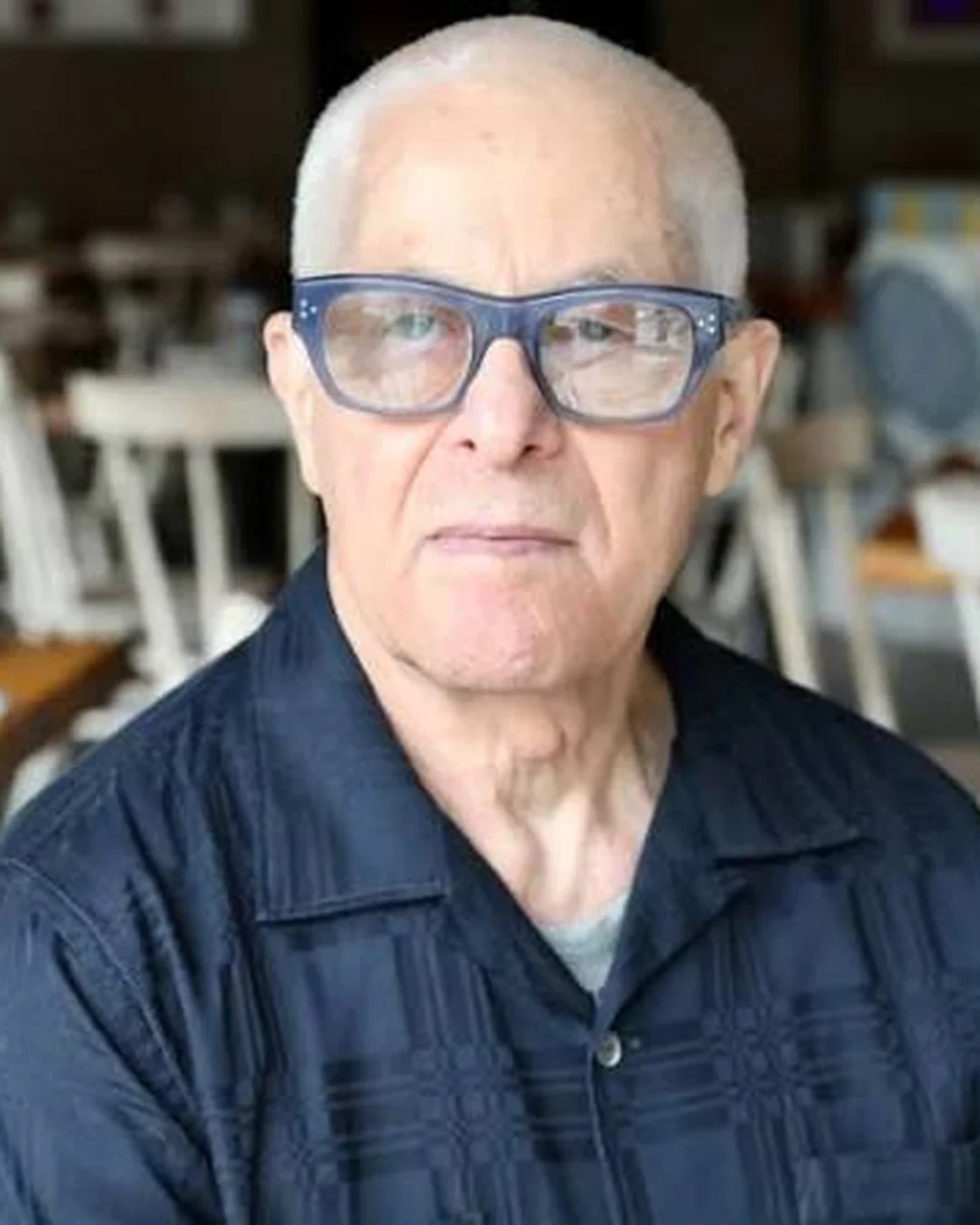
Made By profiles Marc Meyer (Other) at Rosie's.
How expensive is Rosie's?
Rosie's is listed at a price level of $$.
Where is Rosie's and what does it serve?
Rosie's is in East Village, New York City, serving Modern Mexican.
The field
How it compares
| Place | Cuisine | Notes | Awards |
|---|---|---|---|
| Rosie's | Modern Mexican | East Village, $$ | · |
| Atomix | Modern Korean Tasting Menu | New York City | Michelin 2 Stars, World's 50 Best |
| Daniel | Modern French Fine Dining | New York City | Michelin 1 Star, World's 50 Best |
| Eleven Madison Park | Contemporary Plant-Based Fine Dining | New York City | Michelin 3 Stars, World's 50 Best |
| Jungsik New York | Modern Korean Fine Dining | New York City | Michelin 3 Stars, World's 50 Best |
| Kabawa | Modern Caribbean Prix Fixe | New York City | World's 50 Best |
| Le Bernardin | French Seafood Fine Dining | New York City | Michelin 3 Stars, World's 50 Best |
In residence
Similar places
Modern Korean Tasting Menu
Atomix
New York City, United States
★★ · 50 Best
Modern French Fine Dining
Daniel
New York City, United States
★ · 50 Best
Contemporary Plant-Based Fine Dining
Eleven Madison Park
New York City, United States
★★★ · 50 Best
Modern Korean Fine Dining
Jungsik New York
New York City, United States
★★★ · 50 Best
Modern Caribbean Prix Fixe
Kabawa
New York City, United States
50 Best
French Seafood Fine Dining
Le Bernardin
New York City, United States
★★★ · 50 Best