Shinn East
In Residence
Mike Lian
Chef
- 01CuisineModern Japanese Omakase
- 02CityNew York City, United States
From the people index
Recommended by
One trusted voice points here.
- Opinionated About Dining Top Restaurants in North America Recommended · 2026
- Opinionated About Dining Top Restaurants in North America · 2025
East Village Sushi and the Counterintuitive Argument for Downtown
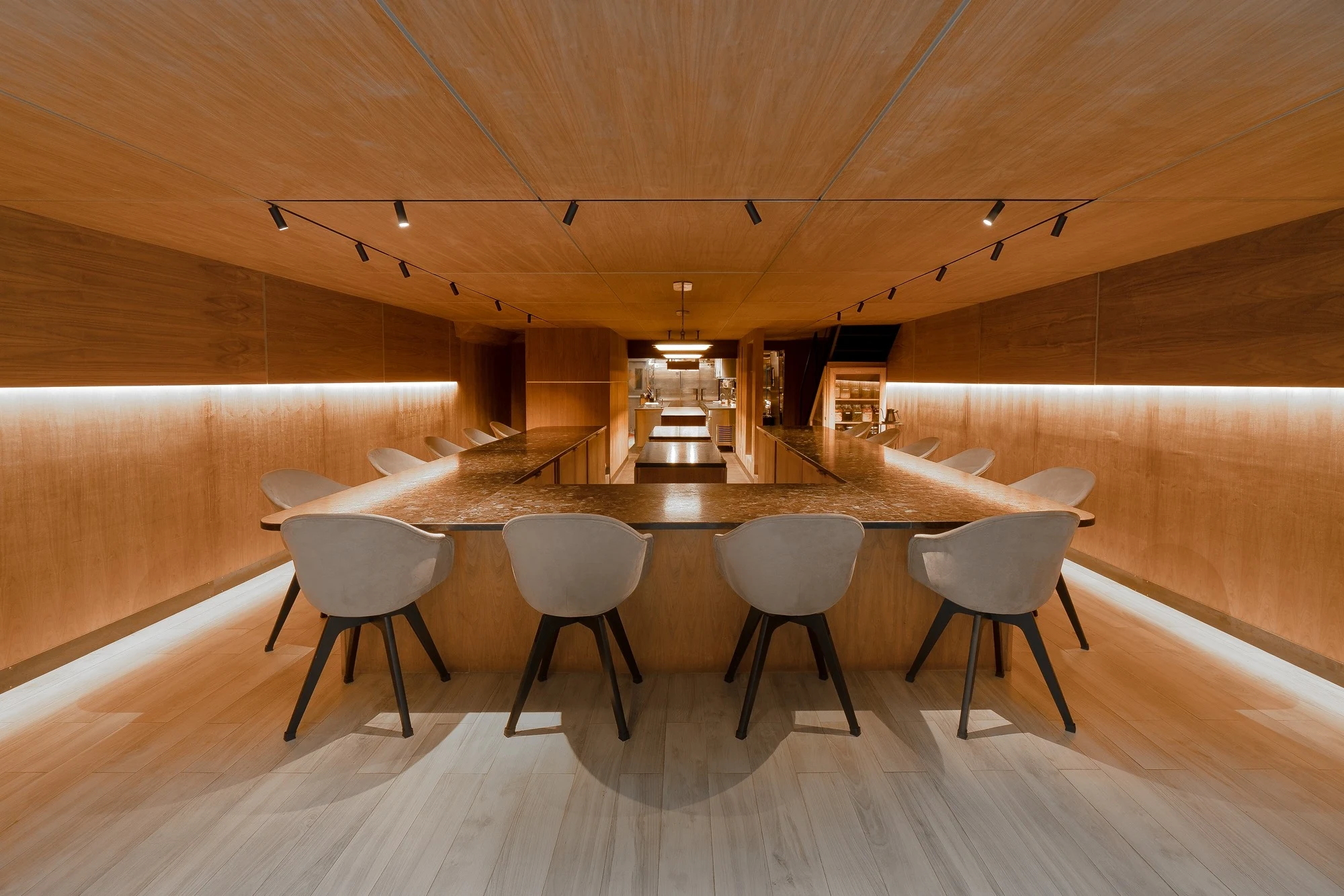
Shinn East is a modern Japanese omakase restaurant in New York City, located in the East Village at 119 E 7th St. It offers a casual setting with an essential reservation policy and an average price of about $69 per person. That geography is partly historical and partly economic: the expense-account corridor that built Bar Masa and its peers still runs through midtown. But over the past decade, a parallel sushi culture has taken shape downtown, one that trades on neighbourhood density, lower rents, and a diner demographic that is younger, more technically literate, and less dependent on corporate entertainment budgets. East 7th Street in the East Village sits inside that shift.
Shinn East, at 119 East 7th Street, is part of this downtown omakase cohort. Chef Mike Lian operates here, and in 2025 the counter earned recognition from Opinionated About Dining's Leading Restaurants in North America. A 4.6 Google rating drawn from 565 reviews adds a volume signal to that recognition. Both signals together place Shinn East clearly above the noise level in a city where sushi counters have multiplied aggressively since 2015.
Sourcing, Restraint, and Where Sustainability Arguments Land in Sushi
Sustainability in the omakase format is a genuinely complicated subject. The traditional Japanese fish supply chain, built around Tsukiji-era wholesale relationships and premium Atlantic bluefin allocations, does not always sit comfortably with contemporary sourcing ethics. Some of the most decorated counters globally, including Harutaka in Tokyo and Sushi Shikon in Hong Kong, build their identity partly around imported Japanese product, which carries both quality advantages and a significant carbon footprint. The more interesting question in American sushi right now is what happens when a counter decides to work differently: leaning into domestic sourcing, seasonal availability, and a lower-waste prep discipline that comes from applying Japanese technique to whatever is actually available.
That tension between tradition and sourcing realism is reshaping how a subset of American omakase counters position themselves. At the precise technical tier where Shinn East operates, the choice of what fish to serve, and where it comes from, carries editorial weight. Counters that work within domestic catch cycles and apply the same aging and preparation rigour to underutilised domestic species are making an argument that runs against the grain of prestige omakase orthodoxy. The downtown East Village context and the OAD recognition together suggest a counter oriented toward substance over status signalling.
The East Village Sushi Counter in Its Competitive Set
Mapping Shinn East against its competitive tier requires some precision. The midtown ceiling of New York sushi, Joji, Shion 69 Leonard Street, Sushi Sho, operates at price points and booking depths that require careful planning. Those counters compete not only with each other but with the broader fine-dining tier that includes French and contemporary formats at comparable spend levels: Alinea in Chicago, The French Laundry in Napa, and Lazy Bear in San Francisco all draw from the same pool of serious diners allocating limited fine-dining nights.
Shinn East sits in a different bracket. Its OAD listing places it above the casual end of the downtown sushi scene, where Blue Ribbon Sushi operates with a broader menu and later hours aimed at a different use case. But Shinn East does not appear to be competing for the same ceiling-tier diner as the multi-Michelin midtown counters. The more useful comparison set is the cohort of counter-format restaurants across American cities that OAD consistently surfaces: technically serious, neighbourhood-rooted, and less dependent on imported prestige signals than on the actual quality of what arrives in front of you. Providence in Los Angeles plays a comparable role in its market, occupying a tier that demands genuine attention without requiring the full expense-account ritual.
What the East Village Location Means Practically
East 7th Street is a walkable block in the East Village, a neighbourhood whose dining density has compressed considerably over the past decade as rents pushed out lower-margin operators. What remains tends toward either high-volume casual or counter-format precision: both formats that can sustain the economics. The East Village has a longer association with Japanese food culture than its current restaurant scene might suggest, the area's Japanese population and food import infrastructure run back decades, predating the omakase boom by a generation.
For visitors building a New York dining itinerary, the East Village location means Shinn East slots into a different kind of evening than a midtown reservation. The neighbourhood has bars and wine spots within walking distance that can absorb pre- or post-dinner time without requiring a cab. Anyone planning across the full range of the city's serious dining should cross-reference our full New York City restaurants guide, and pair it with our hotels guide, bars guide, wineries guide, and experiences guide to build full coverage of the city.
Internationally, the comparison points that inform expectations for a counter at this recognition level include places like Single Thread Farm in Healdsburg, where seasonal and sourcing discipline is embedded structurally into the program, or Emeril's in New Orleans, which has spent years negotiating the relationship between regional sourcing identity and technical ambition. These are different formats and cuisines, but the underlying question of how a serious kitchen relates to its ingredient supply is the same.
Planning Your Visit
| Venue | Format | Recognition | Price Tier | Neighbourhood |
|---|---|---|---|---|
| Shinn East | Sushi counter / omakase | OAD Leading North America 2025; 4.7 / 5 (539 reviews) | not listed | East Village |
| Joji | Omakase counter | Michelin-recognised | $$$$ | Midtown |
| Shion 69 Leonard Street | Omakase counter | Michelin-recognised | $$$$ | Tribeca |
| Blue Ribbon Sushi | Full-service sushi | Long-running downtown institution | $$$ | Multiple downtown |
| Masa | Omakase counter | Michelin three-star | $$$$ | Midtown |
Shinn East is open Tuesday through Sunday from 1 to 10 PM and is closed Monday.
Questions
Frequently asked
Who works at Shinn East?
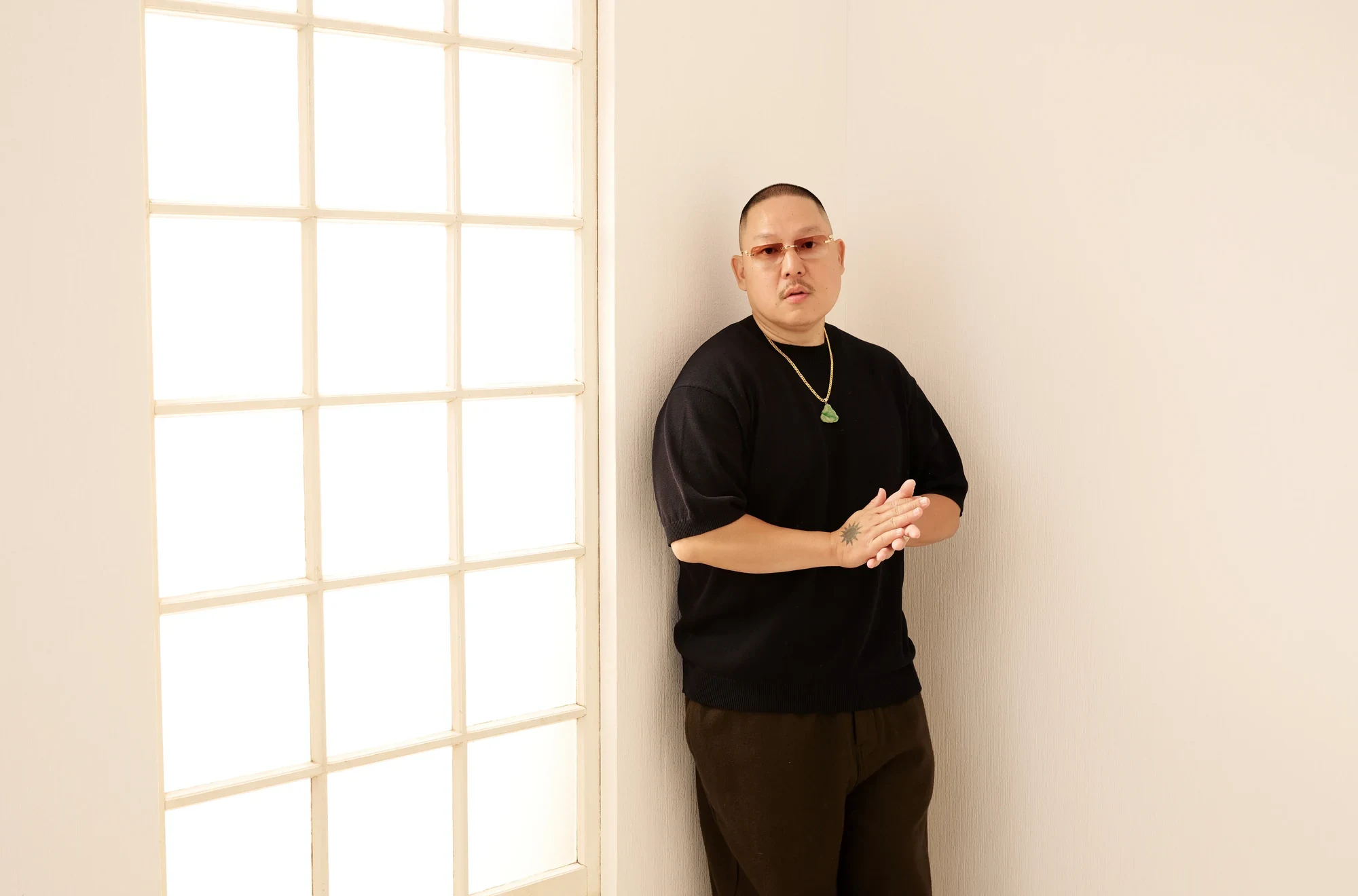
Made By profiles Mike Lian (Chef) at Shinn East.
How expensive is Shinn East?
Shinn East is listed at a price level of $.
Where is Shinn East and what does it serve?
Shinn East is in East Village, New York City, serving Modern Japanese Omakase.
The field
How it compares
| Place | Cuisine | Notes | Awards |
|---|---|---|---|
| Shinn East | Modern Japanese Omakase | East Village, $ | · |
| Atomix | Modern Korean Tasting Menu | New York City | Michelin 2 Stars, World's 50 Best |
| Daniel | Modern French Fine Dining | New York City | Michelin 1 Star, World's 50 Best |
| Eleven Madison Park | Contemporary Plant-Based Fine Dining | New York City | Michelin 3 Stars, World's 50 Best |
| Jungsik New York | Modern Korean Fine Dining | New York City | Michelin 3 Stars, World's 50 Best |
| Kabawa | Modern Caribbean Prix Fixe | New York City | World's 50 Best |
| Le Bernardin | French Seafood Fine Dining | New York City | Michelin 3 Stars, World's 50 Best |
In residence
Similar places
Modern Korean Tasting Menu
Atomix
New York City, United States
★★ · 50 Best
Modern French Fine Dining
Daniel
New York City, United States
★ · 50 Best
Contemporary Plant-Based Fine Dining
Eleven Madison Park
New York City, United States
★★★ · 50 Best
Modern Korean Fine Dining
Jungsik New York
New York City, United States
★★★ · 50 Best
Modern Caribbean Prix Fixe
Kabawa
New York City, United States
50 Best
French Seafood Fine Dining
Le Bernardin
New York City, United States
★★★ · 50 Best