The Hamilton
- 01CuisineModern American Steakhouse with Sushi
- 02CityWashington DC, United States
From the people index
Recommended by
One trusted voice points here.
Penn Quarter's Anchor: Where Scale and Scope Define the Experience
Washington, D.C. has spent the past decade sorting its dining rooms into sharper tiers. At one end, hyper-focused tasting counters like Jônt and minibar operate on rigidly curated progression menus with small capacities and months-long waits. At the other, a cluster of large-format venues absorbs the city's event traffic, Capitol Hill crowds, and out-of-town visitors who want a full evening rather than a structured ritual. The Hamilton, at 600 14th St NW, sits firmly in the second category: a multi-level venue with a live-music basement and a dining room that operates at a scale the tasting-menu circuit never could. Understanding that positioning is the first step to deciding whether this is the right room for your night.
The address places it at the intersection of Penn Quarter and downtown's civic core, within walking distance of the National Mall, Ford's Theatre, and the corridor of government offices that empty each evening. That geography shapes who fills the room: a cross-section of the capital's dining public rather than a specialist crowd chasing a particular chef's output.
The Room Before the Meal
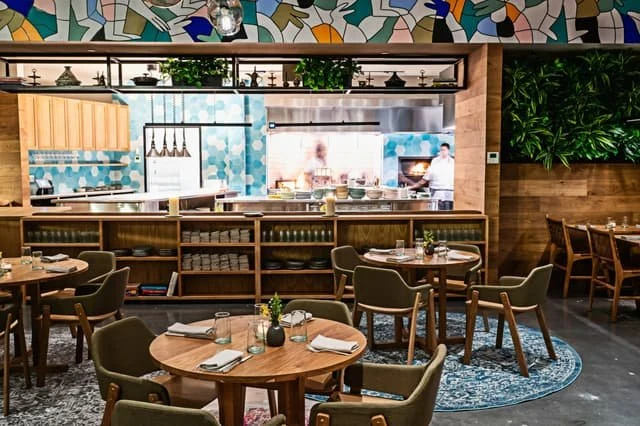
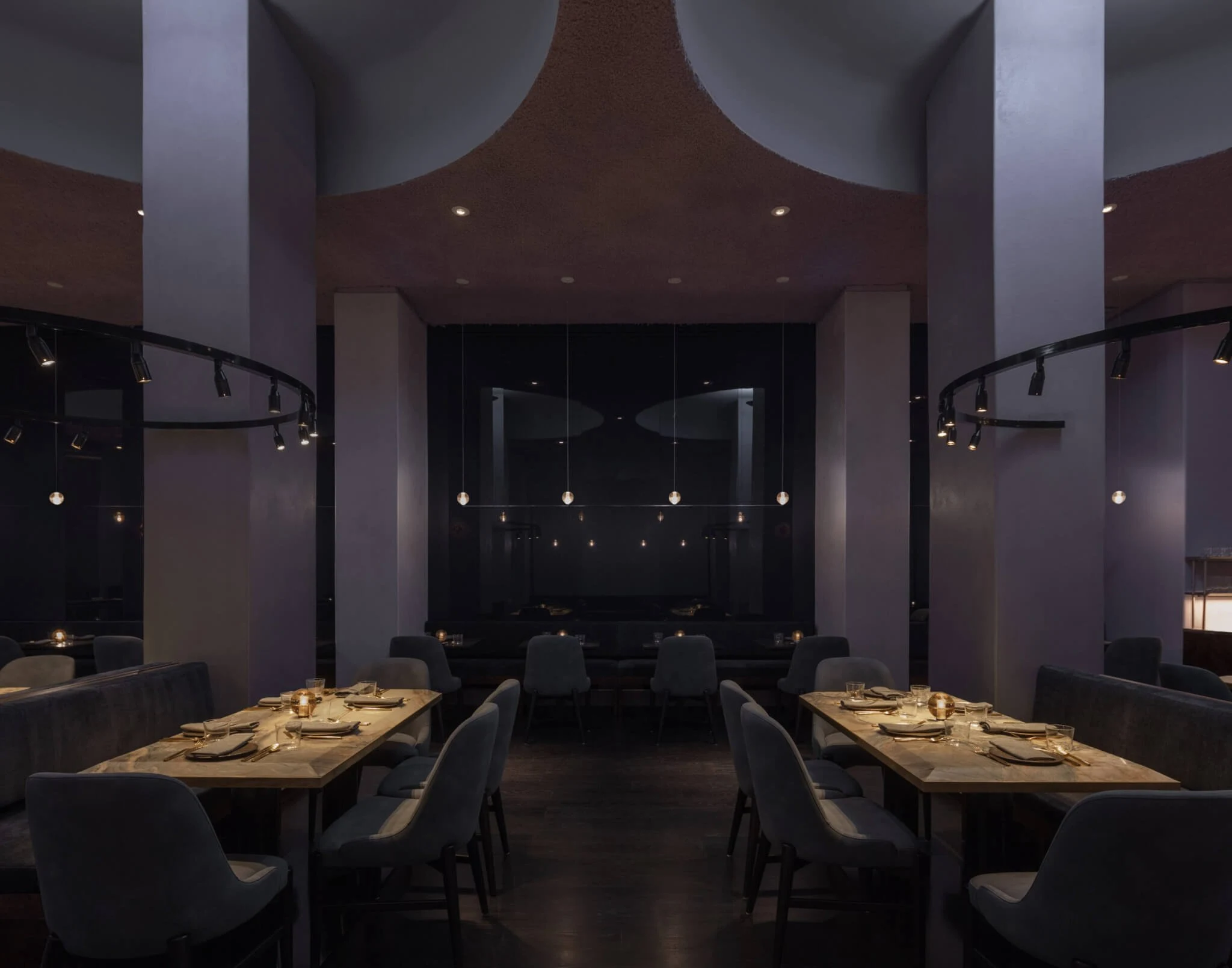
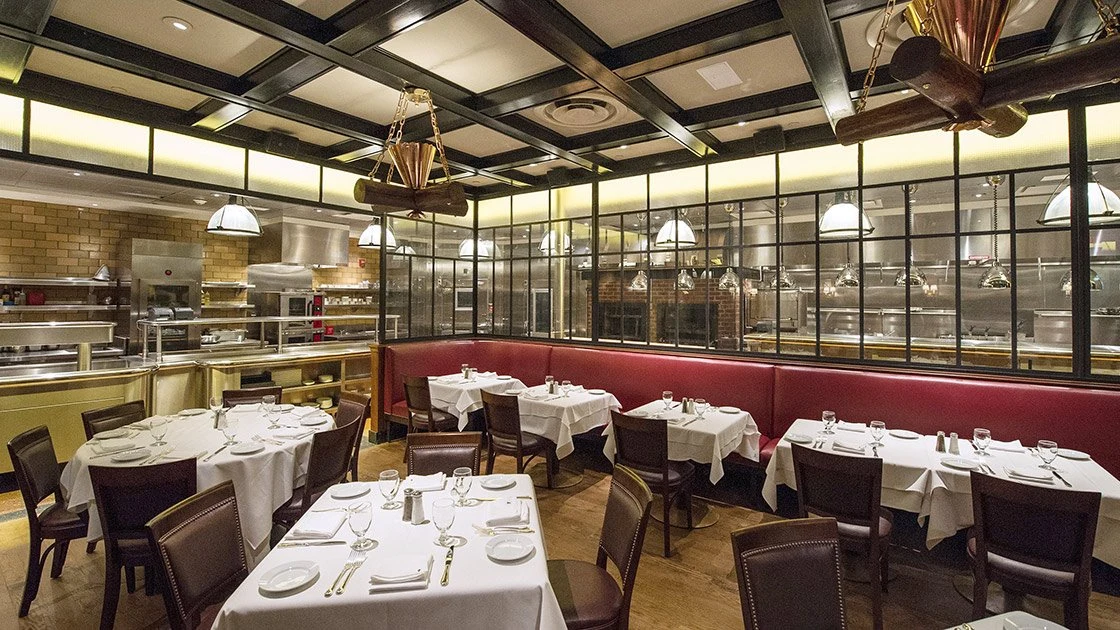
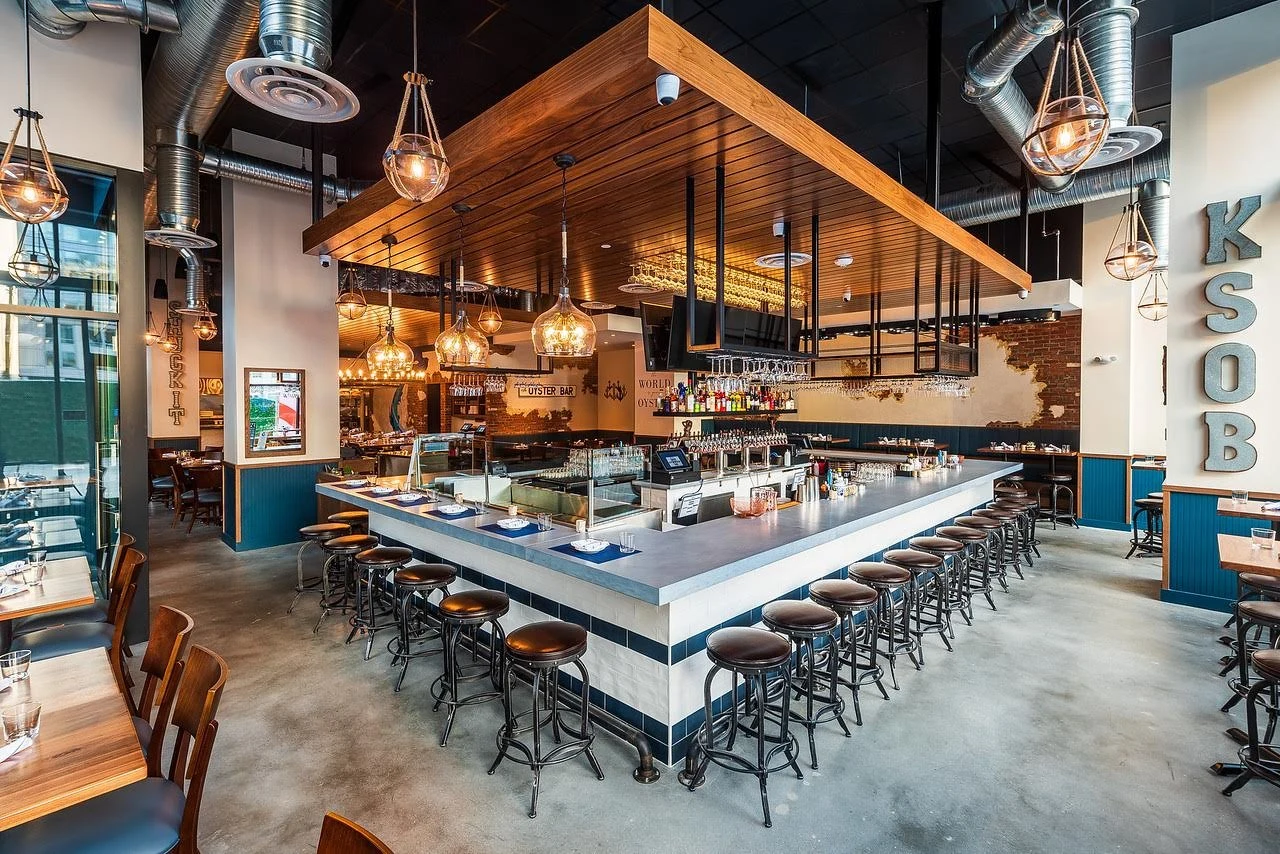
Large American dining rooms of this type live or die by their architecture. The Hamilton's multi-level layout distributes the volume of a full house in ways that single-floor rooms cannot, which matters when the downstairs stage is active. The approach from 14th Street gives little away; the scale becomes apparent once you are inside, with the dining room occupying its own acoustic space above the performance venue below. This is a city that has seen the large-format restaurant model evolve from afterthought to deliberate design, and the physical separation of dining and music here reflects that shift. You can have a conversation at the table without competing with the stage, a design discipline that separates this from noisier hybrid venues where the two functions simply collide.
How the Meal Actually Moves
The Hamilton's appeal lies in the arc of the meal itself, how the format moves you through an evening rather than a tasting progression. American restaurants operating at this scale typically organise around a wide menu that allows the table to set its own pace. Shareable starters, individual mains across broad protein categories, and a dessert list that functions as punctuation rather than climax: this is the format that defines the genre, and it rewards tables who treat ordering as a collaborative act rather than a solo exercise.
This structure contrasts directly with the progression logic of smaller D.C. rooms. At Jônt, the kitchen controls the arc entirely. At Oyster Oyster, a sustainable-focused tasting format shapes what arrives and when. The Hamilton inverts that relationship: the table controls the pace, the kitchen executes within that framework. Neither model is superior in the abstract; they suit different intentions. For a group with mixed dietary needs or a dinner that is as much about the conversation as the food, the wide-menu format has clear practical advantages over a fixed progression.
The same logic governs the beverage program at venues of this type. A broad American dining room requires a list that can anchor a table through appetizers, pivot to mains across different proteins, and close with something that works against dessert. That range, rather than depth in a single category, is what to look for on arrival. For comparison, the tightly curated wine and cocktail programs at rooms like Causa or Albi are built to complement a fixed menu rather than flex across a dozen different directions simultaneously.
The Hamilton in D.C.'s Broader Dining Pattern
Across American cities, the large-format venue with a live-music component has carved out a durable niche that sits outside the fine-dining conversation without being diminished by that exclusion. Emeril's in New Orleans built a version of this model at a different price point; Lazy Bear in San Francisco and Smyth in Chicago represent the opposite pole, where intimacy and progression are the entire proposition. The Hamilton operates where those poles have least to say to each other: a room designed for volume, variety, and a full evening that extends past the last course.
Within D.C. specifically, the comparison set matters. Rooms like The Inn at Little Washington occupy the formal tasting end with long-established credibility. Jônt and minibar hold the experimental, small-capacity tier. The Hamilton does not compete with either, and that clarity of positioning is itself useful information for a visitor building an itinerary across multiple nights. If one evening goes to a progression-focused room and another to a bar-led dinner, The Hamilton fills the slot where you want scale, sound, and a menu that can accommodate a table of six with different preferences, a slot that the city's specialist rooms are structurally unable to fill.
For those building a full D.C. dining itinerary, Washington, D.C. restaurants span fine-dining to neighbourhood staples. Comparable large-format American rooms across the country include Providence in Los Angeles, Addison in San Diego, and Blue Hill at Stone Barns in Tarrytown, each operating at distinct price points and with different degrees of tasting-menu rigidity. For international reference, Atelier Moessmer Norbert Niederkofler in Brunico and Atomix in New York City represent the far end of the progression-focused spectrum, useful calibration points when deciding how much control you want to cede to the kitchen on a given evening.
Visit Notes
The Hamilton's location on 14th Street NW makes it a convenient large-venue dining destination in the capital: multiple Metro lines converge nearby, and the Penn Quarter address means most downtown hotels are within a short walk. Because the venue combines dining and live music across multiple levels, it is worth checking the performance schedule before you book, a quiet weeknight in the dining room reads differently when there is a full show running below. Same-week reservations are often possible. That accessibility is part of the venue's value proposition for visitors on tighter planning timelines.
Questions
Frequently asked
How expensive is The Hamilton?
The Hamilton is listed at a price level of $$.
Where is The Hamilton and what does it serve?
The Hamilton is in East End, Washington DC, serving Modern American Steakhouse with Sushi.
The field
How it compares
| Place | Cuisine | Notes | Awards |
|---|---|---|---|
| The Hamilton | Modern American Steakhouse with Sushi | East End, $$ | · |
| Albi | Modern Levantine Fine Dining | Washington DC | Michelin 1 Star, World's 50 Best |
| Dōgon | Modern Afro-Caribbean | Washington DC | World's 50 Best |
| Jônt | Modern Japanese Fine Dining | Washington DC | Michelin 2 Stars |
| minibar | Avant-Garde Molecular Gastronomy | Washington DC | Michelin 2 Stars |
| Moon Rabbit | Creative Vietnamese-Cajun Fusion | Washington DC | World's 50 Best |
| Oyster Oyster | Modern Vegetable-Focused Tasting Menu | Washington DC | Michelin 1 Star |
Similar places
Modern Levantine Fine Dining
Albi
Washington DC, United States
★ · 50 Best
Modern Afro-Caribbean
Dōgon
Washington DC, United States
50 Best
Modern Japanese Fine Dining
Jônt
Washington DC, United States
★★
Avant-Garde Molecular Gastronomy
minibar
Washington DC, United States
★★
Creative Vietnamese-Cajun Fusion
Moon Rabbit
Washington DC, United States
50 Best
Modern Vegetable-Focused Tasting Menu
Oyster Oyster
Washington DC, United States
★