Xi’an Famous Foods
In Residence
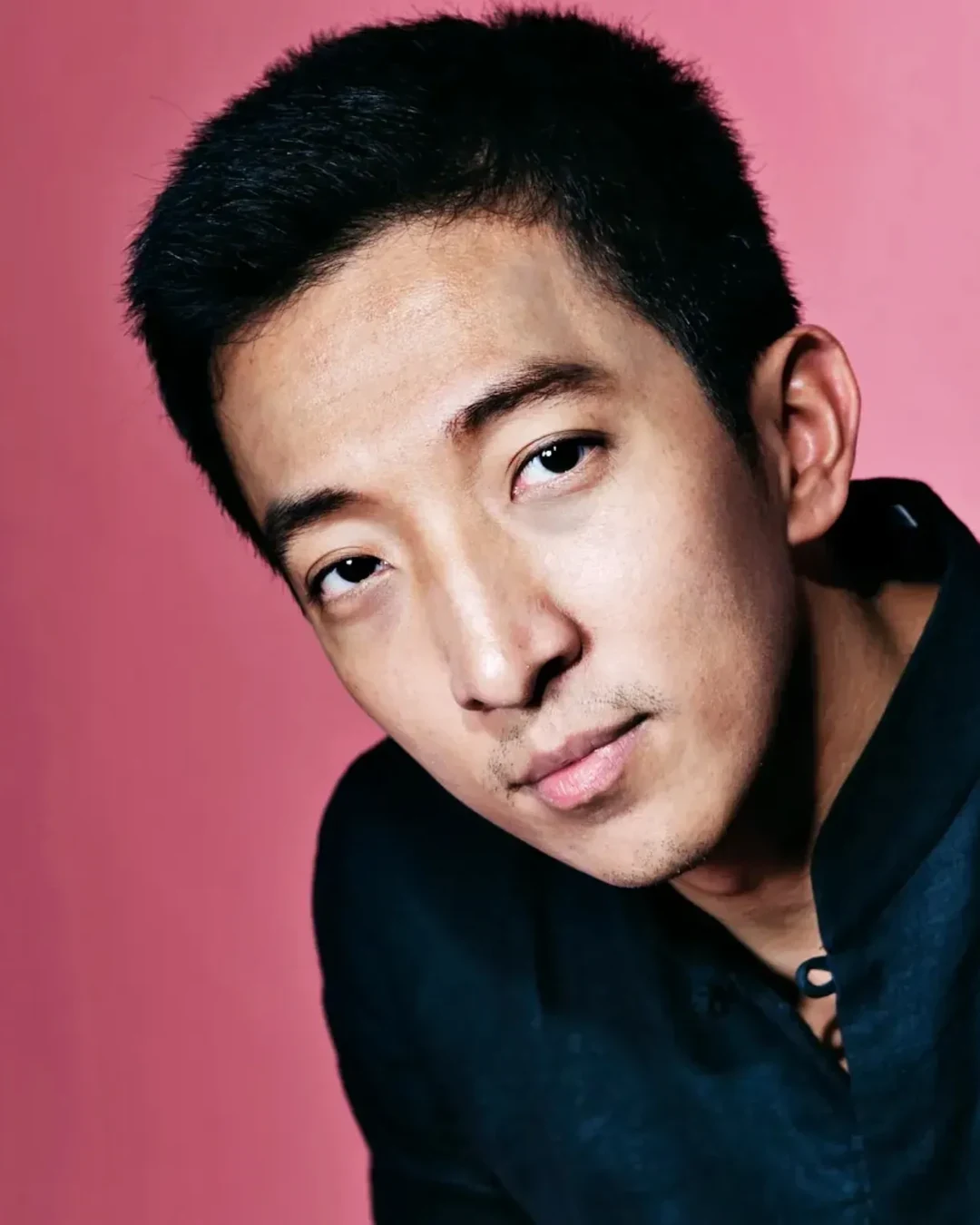
Jason Wang
Chef
- 01CuisineXi’an-style Shaanxi Chinese Noodles
- 02CityNew York City, United States
- Opinionated About Dining Cheap Eats in North America Ranked #148 · 2024
- Opinionated About Dining Cheap Eats in North America in Ranked #129 · 2023
Wheat, Cumin, and the Other Side of Chinese America
Most of New York's Chinese restaurant narrative runs through two registers: the dim sum houses of Flushing and Manhattan's Chinatown, and the ma-la heat of Sichuan peppercorn that has reshaped the city's appetite over the past decade. Xi'an Famous Foods operates in a third register almost entirely, one rooted in the wheat-belt cooking of Shaanxi province and the ancient trade routes that once passed through Xi'an. The food here is not about the numbing, electric tingle of hua jiao that defines Sichuan's ma-la spectrum. It is about cumin-crusted lamb, hand-pulled biang biang noodles, and a spice vocabulary that is closer to Central Asia than to Chengdu.
That distinction matters in a city where Sichuan heat has become the default shorthand for bold Chinese cooking. Restaurants like Chongqing Lao Zao work the ma-la spectrum with precision, and the broader category of fiery Chinese dining has never had more representation in New York. Xi'an Famous Foods sits apart from that comparable set not because it lacks heat, but because its chilli application is drier, more aromatic, and inseparable from lamb fat and cumin in a way that reads as distinctly northwestern Chinese rather than southwestern.
The Shaanxi Kitchen and Its Place in New York's Chinese Dining
Shaanxi cuisine is often grouped loosely under "northwestern Chinese" in Western dining guides, which undersells how specific its identity is. Xi'an, the province's capital, was the eastern terminus of the Silk Road and one of China's longest-serving imperial capitals. Its food reflects centuries of contact with Central Asian trading culture: lamb is the dominant protein, wheat noodles are made by hand and torn or pulled to order, and spices like cumin and dried chilli appear in combinations that have no direct parallel in the Cantonese or Sichuan traditions that anchor New York's Chinese dining establishment.
In New York, where places like Big Wong and Asian Jewel Seafood Restaurant represent the Cantonese institutional tier and Blue Willow and Alley 41 occupy different corners of the broader Chinese dining map, the Shaanxi tradition remains genuinely underrepresented. Xi'an Famous Foods has held that niche with consistency since its Flushing origins, and its continued presence at 139 4th Ave in the East Village places it in a neighbourhood where the lunch and dinner crowd is accustomed to serious food at counter-service prices.
Heat That Doesn't Numb: Reading the Spice Register
The editorial angle on Sichuan cooking tends to start and end with the peppercorn. The ma-la pairing of numbing (ma) and spicy (la) is a layered heat experience in which the tongue loses sensation before the chilli hits, creating a particular kind of progressively intense warmth. Sichuan chilli oil, broad bean paste, and doubanjiang each play a role in building that effect. It is a sophisticated spice architecture, and it has dominated the conversation around bold Chinese cooking in American cities for good reason.
Xi'an Famous Foods operates in a different chilli grammar. The heat in Shaanxi cooking tends to arrive as dry, fragrant, and immediate rather than numbing. Chilli and cumin are often applied as a dry rub or a pounded paste on lamb, and the resulting flavour is more direct and aromatic than the oil-slicked richness of Sichuan preparations. For diners who have built their tolerance on ma-la heat, the Xi'an register can feel sharper and less cushioned. Neither approach is more demanding than the other; they are simply different instruments.
This contrast is worth understanding before ordering, because the temptation to read Xi'an Famous Foods through a Sichuan lens will produce the wrong expectations. The spice here is not a platform for the peppercorn's numbing effect. It is a direct, forward heat that amplifies the minerality of lamb and the chew of hand-pulled noodles without the anesthetising undertow that hua jiao delivers.
OAD Recognition and the Cheap Eats Tier
Opinionated About Dining ranked Xi'an Famous Foods among its North American Cheap Eats selections in both 2023 (number 129) and 2024 (number 148). OAD's cheap eats list is not a consolation category. It operates as a distinct ranking system for venues where the quality-to-cost ratio is the defining metric, and repeated inclusion signals consistent performance rather than a one-cycle anomaly.
For context, the OAD cheap eats format covers a different competitive tier than the tasting-menu world occupied by places like Alinea in Chicago, The French Laundry in Napa, or Lazy Bear in San Francisco. It also sits in a different register from the Chinese fine-dining conversation developing at places like Mister Jiu's in San Francisco or the Chinese-influenced work at Restaurant Tim Raue in Berlin. Xi'an Famous Foods competes within a value-dining framework where the measure is ingredient quality, technical consistency, and culinary specificity per dollar, and it has placed twice in that framework at a national level.
Consensus at that level, across a location-specific sample, reflects diner reliability rather than viral novelty.
Planning Your Visit
The 4th Ave address in the East Village puts Xi'an Famous Foods within reach of a neighbourhood that runs on accessible, serious dining. The format is counter-service, which means there are no reservations to secure and no tasting-menu commitment to make. Under Jason Wang's management, the multi-location operation has maintained culinary consistency across outlets, which matters in a city where expansion tends to dilute quality. Coming at off-peak hours reduces wait times, and the menu rewards directness: the hand-pulled noodle formats and cumin lamb preparations are the items that carry one culinary argument. For other high-end reference points in American dining, Emeril's in New Orleans, Single Thread Farm in Healdsburg, and Providence in Los Angeles each represent distinct regional expressions of serious American cooking at the opposite end of the price spectrum.
Questions
Frequently asked
Who works at Xi’an Famous Foods?
Made By profiles Jason Wang (Chef) at Xi’an Famous Foods.
How expensive is Xi’an Famous Foods?
Xi’an Famous Foods is listed at a price level of $.
Where is Xi’an Famous Foods and what does it serve?
Xi’an Famous Foods is in East Village, New York City, serving Xi’an-style Shaanxi Chinese Noodles.
The field
How it compares
| Place | Cuisine | Notes | Awards |
|---|---|---|---|
| Xi’an Famous Foods | Xi’an-style Shaanxi Chinese Noodles | East Village, $ | · |
| Atomix | Modern Korean Tasting Menu | New York City | Michelin 2 Stars, World's 50 Best |
| Daniel | Modern French Fine Dining | New York City | Michelin 1 Star, World's 50 Best |
| Eleven Madison Park | Contemporary Plant-Based Fine Dining | New York City | Michelin 3 Stars, World's 50 Best |
| Jungsik New York | Modern Korean Fine Dining | New York City | Michelin 3 Stars, World's 50 Best |
| Kabawa | Modern Caribbean Prix Fixe | New York City | World's 50 Best |
| Le Bernardin | French Seafood Fine Dining | New York City | Michelin 3 Stars, World's 50 Best |
In residence
Similar places
Modern Korean Tasting Menu
Atomix
New York City, United States
★★ · 50 Best
Modern French Fine Dining
Daniel
New York City, United States
★ · 50 Best
Contemporary Plant-Based Fine Dining
Eleven Madison Park
New York City, United States
★★★ · 50 Best
Modern Korean Fine Dining
Jungsik New York
New York City, United States
★★★ · 50 Best
Modern Caribbean Prix Fixe
Kabawa
New York City, United States
50 Best
French Seafood Fine Dining
Le Bernardin
New York City, United States
★★★ · 50 Best