Freemans

In Residence
Taavo Somer
Other
- 01CuisineRustic American Tavern
- 02CityNew York City, United States
An Alley at the End of the World
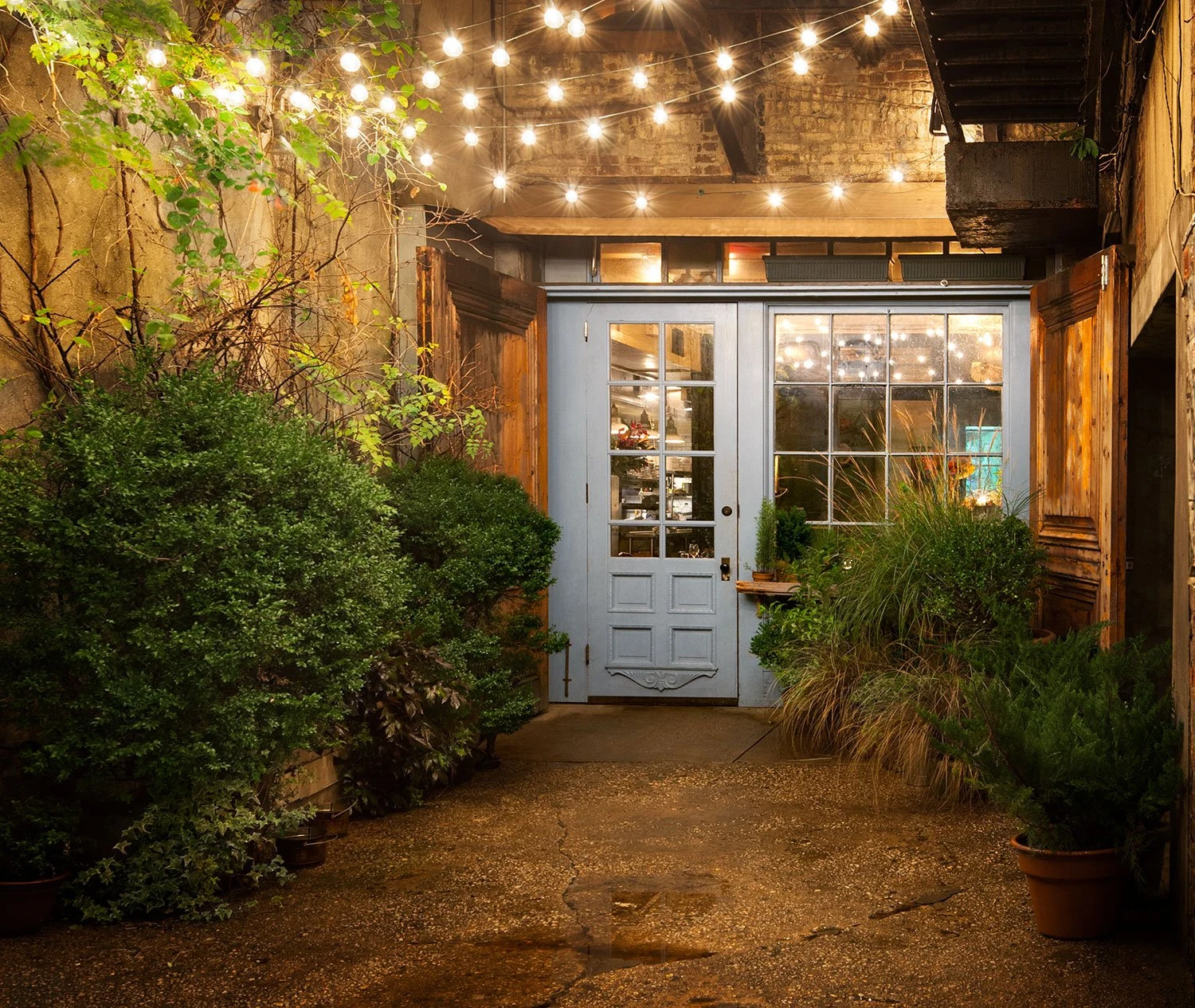
Freeman Alley, a dead-end passage off Rivington Street, is one of those Manhattan addresses that rewards the people who seek it out and quietly defeats those who don't. There is no signage visible from the street. The alley itself, narrow, brick-lined, dimly lit, functions as a kind of threshold, separating the noise of the Lower East Side from what waits at the end of it. Arriving at Freemans on a winter evening, when the passage holds a particular cold stillness, is one of the more atmospheric approaches to a dining room in New York City.
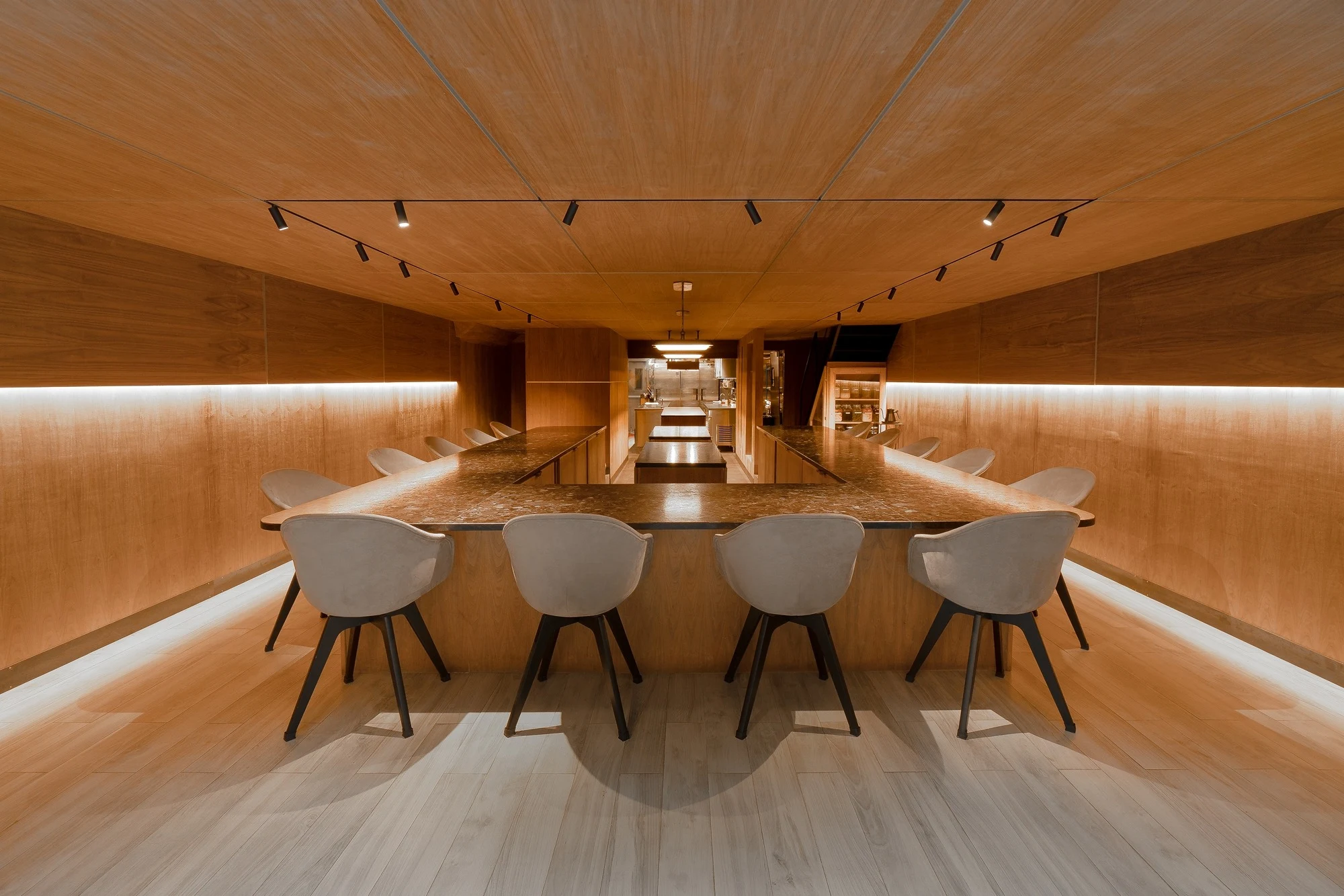
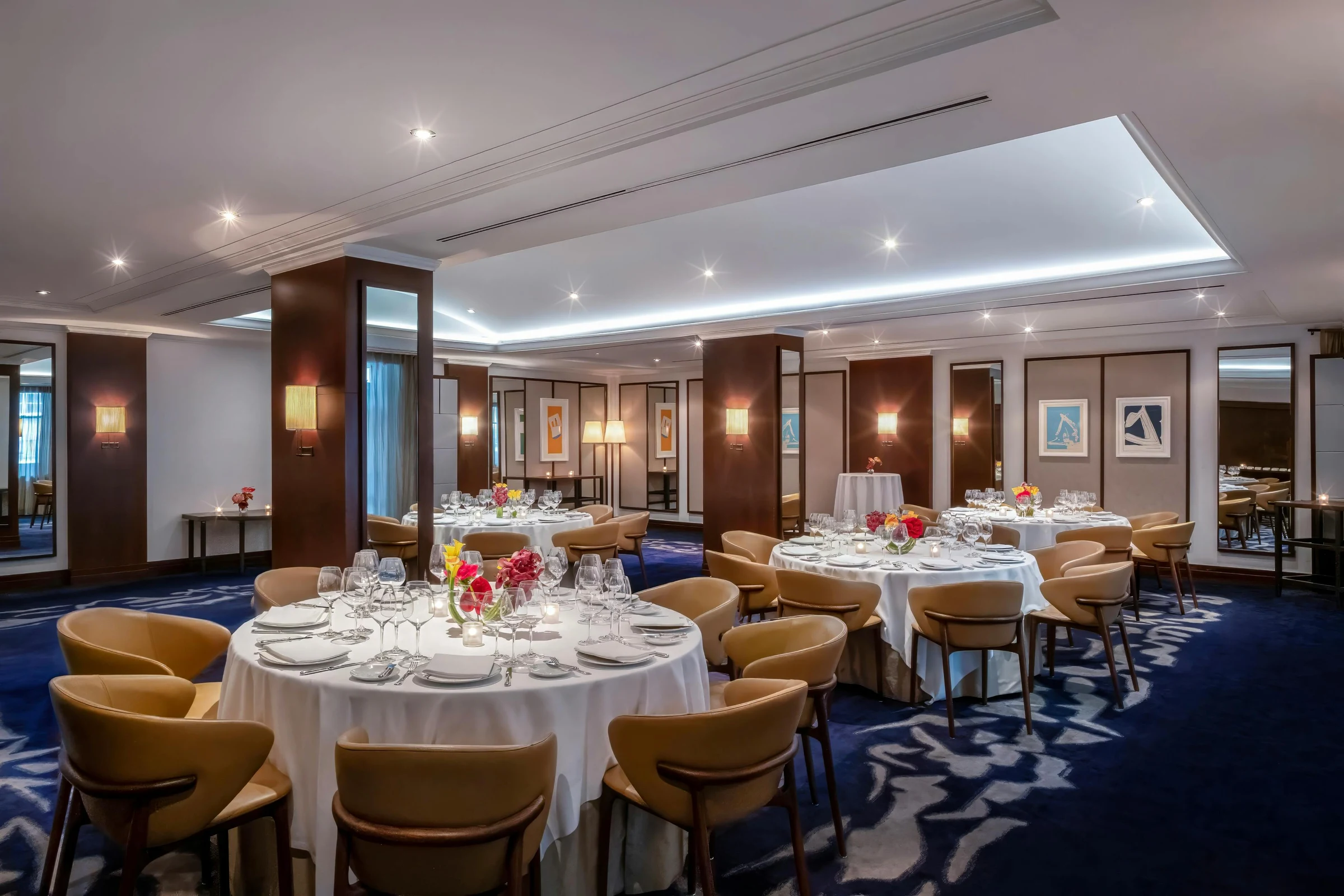
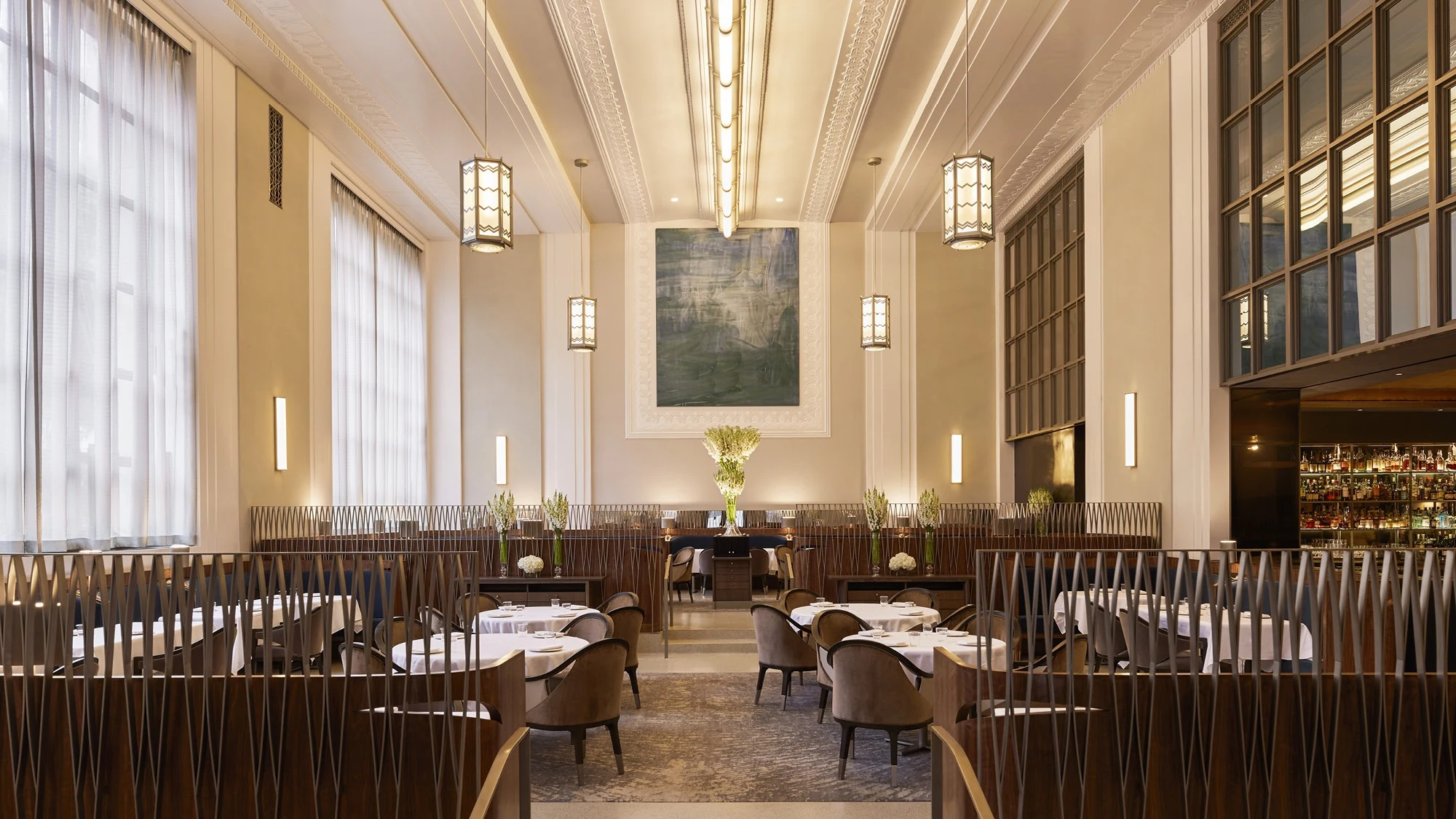
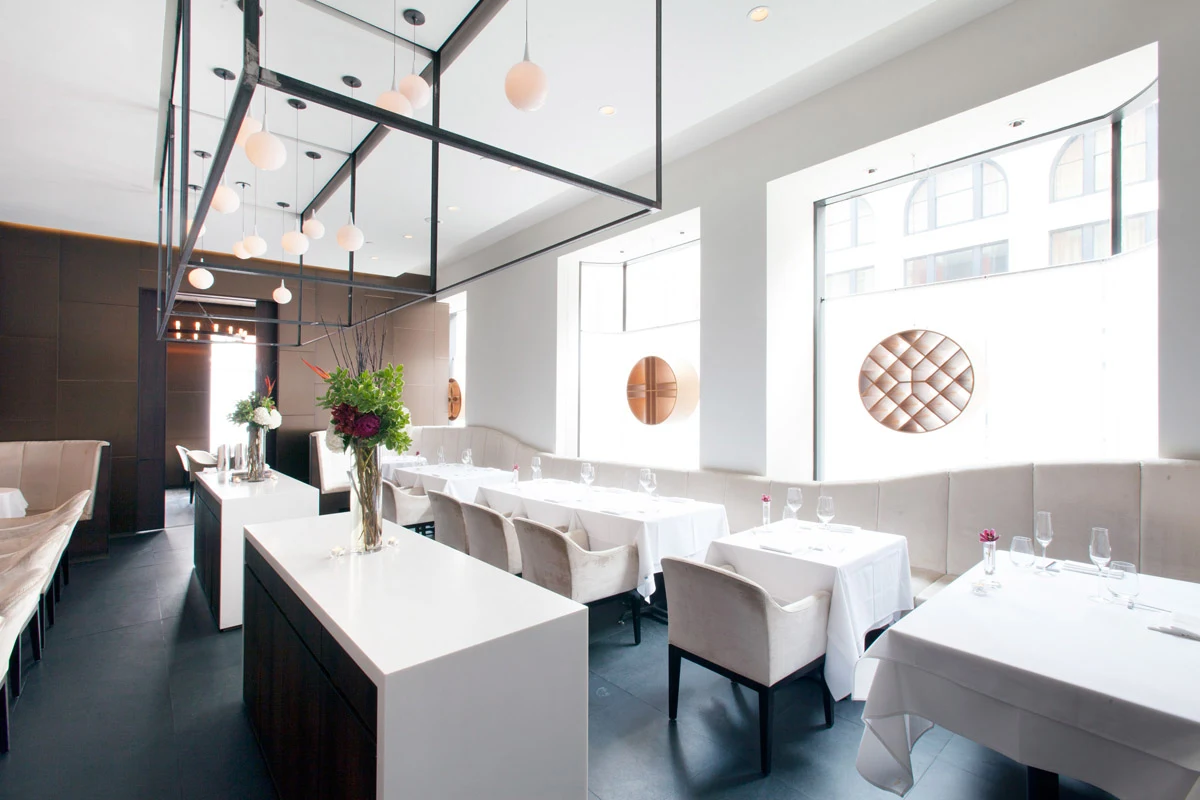
Inside, the room leans hard into a specific visual register: mounted animal heads, antique mirrors, white walls darkened by candlelight, wood and leather surfaces worn to a comfortable softness. It is a studied aesthetic, but it does not read as costume. The effect is closer to a well-aged British country pub relocated to downtown Manhattan, a coherent visual world rather than a theme-park approximation of one. In a city where restaurant interiors increasingly index toward the minimal or the aggressively modern, that kind of density and warmth has aged into something that feels genuinely rare.
Where Freemans Sits in the New York Dining Picture
The conversation about New York dining often gravitates to the formal end of the spectrum, the tasting-menu counters and $$$$ destinations like Le Bernardin, Atomix, Masa, Per Se, and Eleven Madison Park that define the city's technical ceiling. Freemans occupies a different tier entirely: it is a neighborhood restaurant that has outlasted most of its contemporaries, building a durable identity around a particular kind of Rustic American Tavern cooking served in an environment that actively discourages the formal.
The Lower East Side has changed substantially around it. Blocks that were defined by bodegas and wholesale textile shops when Freemans opened have since gentrified into a predictable rotation of boutique hotels and cocktail bars. Freemans has neither chased that shift nor ignored it. Its consistency, same alley, same room, same general posture, has become its own credential in a neighbourhood where turnover is the norm.
The Sensory Architecture of the Room
American dining has a long tradition of hunting-lodge and tavern aesthetics, a register that elsewhere in the country tends to feel default rather than designed. What distinguishes Freemans is the specificity of its execution. The taxidermy is not generic wall filler; the arrangement of mirrors, candles, and dark wood creates a room that changes character as the night deepens. At lunch or early evening, natural light filters in enough to see the detail. By nine o'clock, the room has contracted into something closer, louder, warmer, the candlelight doing more work.
Sound matters here in a way it often doesn't in discussions of what makes a dining room function. The room holds noise at a level that facilitates conversation without demanding it, which is less common than it should be in New York restaurant design. That acoustic quality, combined with the visual density of the space, creates a sense of enclosure that the alley entrance prefigures. You arrive already partially removed from the city, and the room completes the separation.
This kind of carefully assembled atmosphere is something that destination restaurants outside New York have long used as a differentiator. Places like Lazy Bear in San Francisco and The Inn at Little Washington use total environmental control, every visual and sensory element coordinated, to extend the dining experience beyond the plate. Freemans works from a similar instinct, even if the execution is less orchestrated and more worn-in.
American Comfort Cooking in Context
The category of American comfort cooking is broad enough to absorb almost anything, which makes it worth specifying what Freemans is not. It is not a gastropub in the British sense, nor a farm-to-table operation in the mode that places like Blue Hill at Stone Barns in Tarrytown or Single Thread Farm in Healdsburg have defined. It does not make provenance its primary selling point. The cooking is aligned with the room: hearty, unfussy, recognizably American in its references without being nostalgic in a forced way.
That positioning keeps it in a comparable set quite different from the technically ambitious American kitchens, Smyth in Chicago, Providence in Los Angeles, Addison in San Diego, or the heritage-driven American institutions like Emeril's in New Orleans and Frasca Food and Wine in Boulder. Freemans is playing a different game: neighbourhood longevity over destination ambition, atmosphere as the primary draw with the kitchen in reliable support.
For context at the European end of the comfort-cooking tradition, places like Dal Pescatore in Runate and Atelier Moessmer Norbert Niederkofler in Brunico show how deep regional identity and environmental character can carry a restaurant's identity as far as technical precision. Freemans operates on a version of that principle, at a different price point and without the formal structure, but with a similar commitment to a coherent sense of place. And The French Laundry in Napa represents the far end of the American dining spectrum, a useful reminder of how wide that spectrum actually runs.
Questions
Frequently asked
Who works at Freemans?
Made By profiles Taavo Somer (Other) at Freemans.
How expensive is Freemans?
Freemans is listed at a price level of $$$.
Where is Freemans and what does it serve?
Freemans is in Lower East Side, New York City, serving Rustic American Tavern.
The field
How it compares
| Place | Cuisine | Notes | Awards |
|---|---|---|---|
| Freemans | Rustic American Tavern | Lower East Side, $$$ | · |
| Atomix | Modern Korean Tasting Menu | New York City | Michelin 2 Stars, World's 50 Best |
| Daniel | Modern French Fine Dining | New York City | Michelin 1 Star, World's 50 Best |
| Eleven Madison Park | Contemporary Plant-Based Fine Dining | New York City | Michelin 3 Stars, World's 50 Best |
| Jungsik New York | Modern Korean Fine Dining | New York City | Michelin 3 Stars, World's 50 Best |
| Kabawa | Modern Caribbean Prix Fixe | New York City | World's 50 Best |
| Le Bernardin | French Seafood Fine Dining | New York City | Michelin 3 Stars, World's 50 Best |
In residence
Similar places
Modern Korean Tasting Menu
Atomix
New York City, United States
★★ · 50 Best
Modern French Fine Dining
Daniel
New York City, United States
★ · 50 Best
Contemporary Plant-Based Fine Dining
Eleven Madison Park
New York City, United States
★★★ · 50 Best
Modern Korean Fine Dining
Jungsik New York
New York City, United States
★★★ · 50 Best
Modern Caribbean Prix Fixe
Kabawa
New York City, United States
50 Best
French Seafood Fine Dining
Le Bernardin
New York City, United States
★★★ · 50 Best