Gramercy Tavern
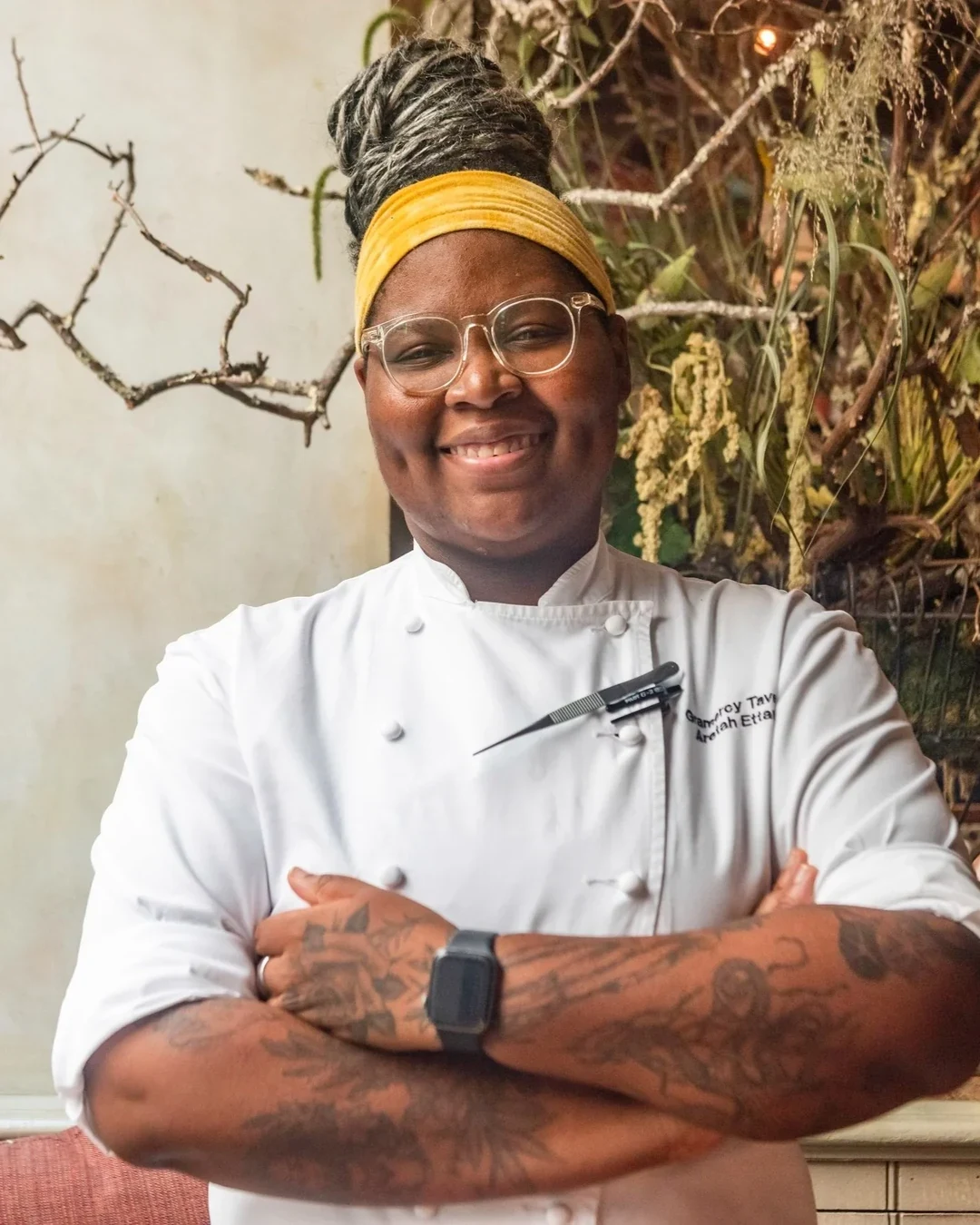
In Residence
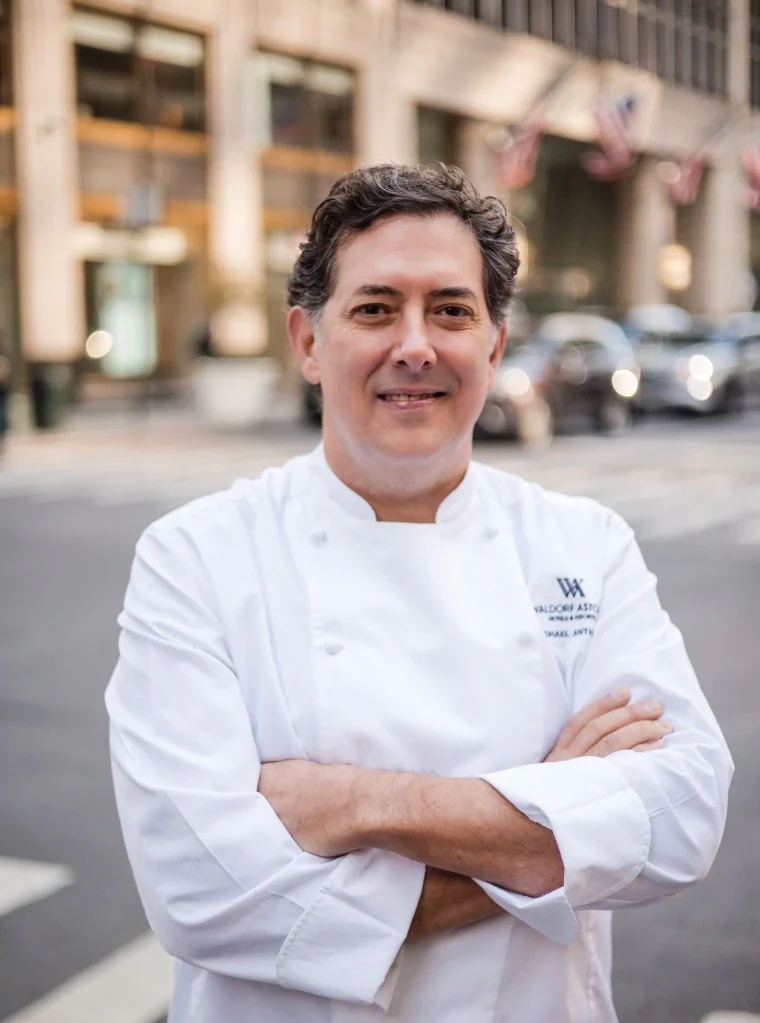
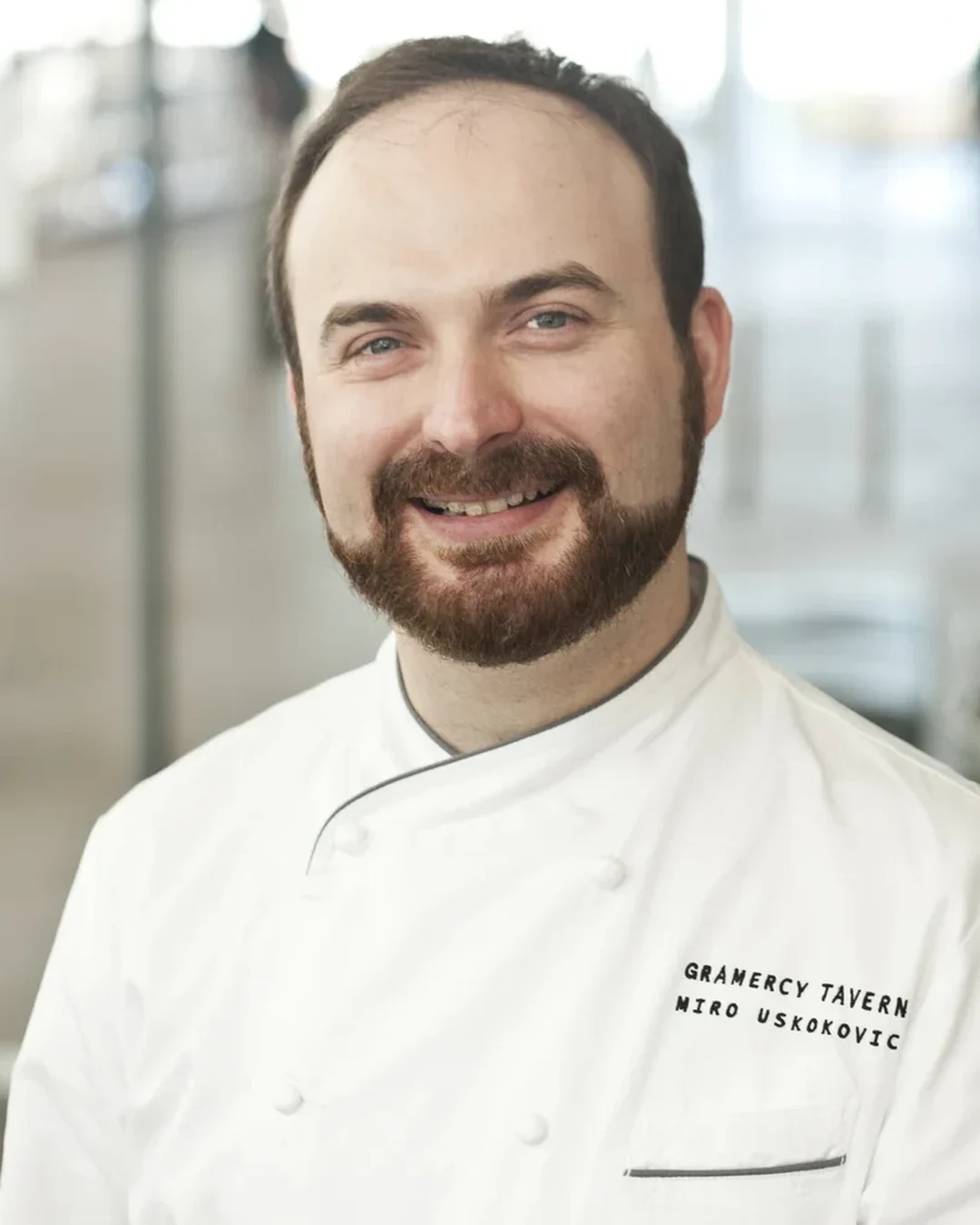
Aretah Ettarh
Chef
- 01CuisineContemporary Seasonal American
- 02CityNew York City, United States
- 03RecognitionOne Michelin Star
From the people index
Recommended by
5 trusted voices point here.
- 1 Michelin Star · Michelin Guide
- World's 50 Best · #10 · World's 50 Best Restaurants
- James Beard Winner · James Beard Foundation
- Wine Spectator · Tier 2
- Opinionated About Dining Casual in North America Ranked #59 · 2026
- La Liste Top Restaurants: 84pts · 2026
- Opinionated About Dining Top Restaurants in North America Ranked #129 · 2026
- James Beard Award Semi Finalist · 2026
- Star Wine List · 2026
- Forbes 4-Star · 2026
- World's 50 Best North America's Best Restaurants #43 · 2026
- Wine Spectator Best of Award of Excellence · 2026
- La Liste Top Restaurants: 85.5pts · 2025
- Opinionated About Dining Casual in North America Ranked #51 · 2025
- Wine Spectator Best of Award of Excellence · 2025
- Esquire Best Martinis in America · 2025
Thirty Years and Still the Benchmark
When Gramercy Tavern opened in 1994, the prevailing model for serious American dining was European in structure: formal service, French technique, rigid tasting menus. The restaurant, backed by Union Square Hospitality Group, offered something different, a warm-toned room with wood-fired cooking and a service philosophy built on making guests feel at ease rather than tested. Three decades later, that model has not just survived; it has been validated. Its standing is reinforced by World's 50 Best recognition, where it peaked at #10.
In a city where the upper end of the dining spectrum is dominated by high-format tasting menus, Eleven Madison Park, Per Se, Masa, Atomix, Gramercy Tavern occupies a different competitive position. It is not a destination that asks for total submission to a chef's vision. It is, instead, a restaurant that has learned how to be all things at once without losing coherence: casual bar perch, celebratory dinner, business lunch, long anniversary meal.
The Sunday letter
Find new places through the people who run them.
Our Sunday email brings you the chefs, winemakers and hoteliers behind our newest stories. See a sample before you subscribe.
See a sample of the Sunday emailOne email a week. Unsubscribe from any issue.
The Two Formats, and Why the Distinction Matters
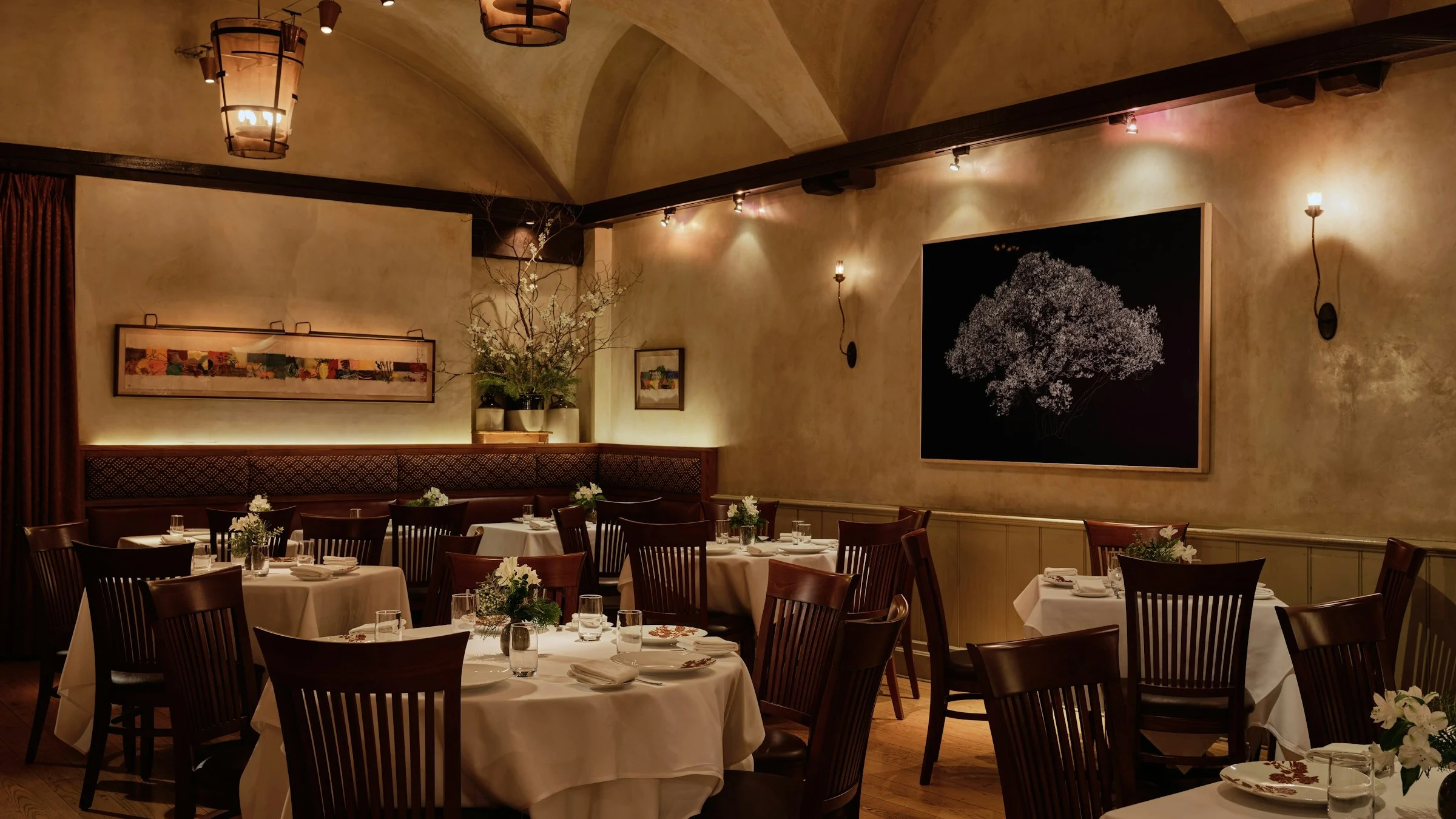
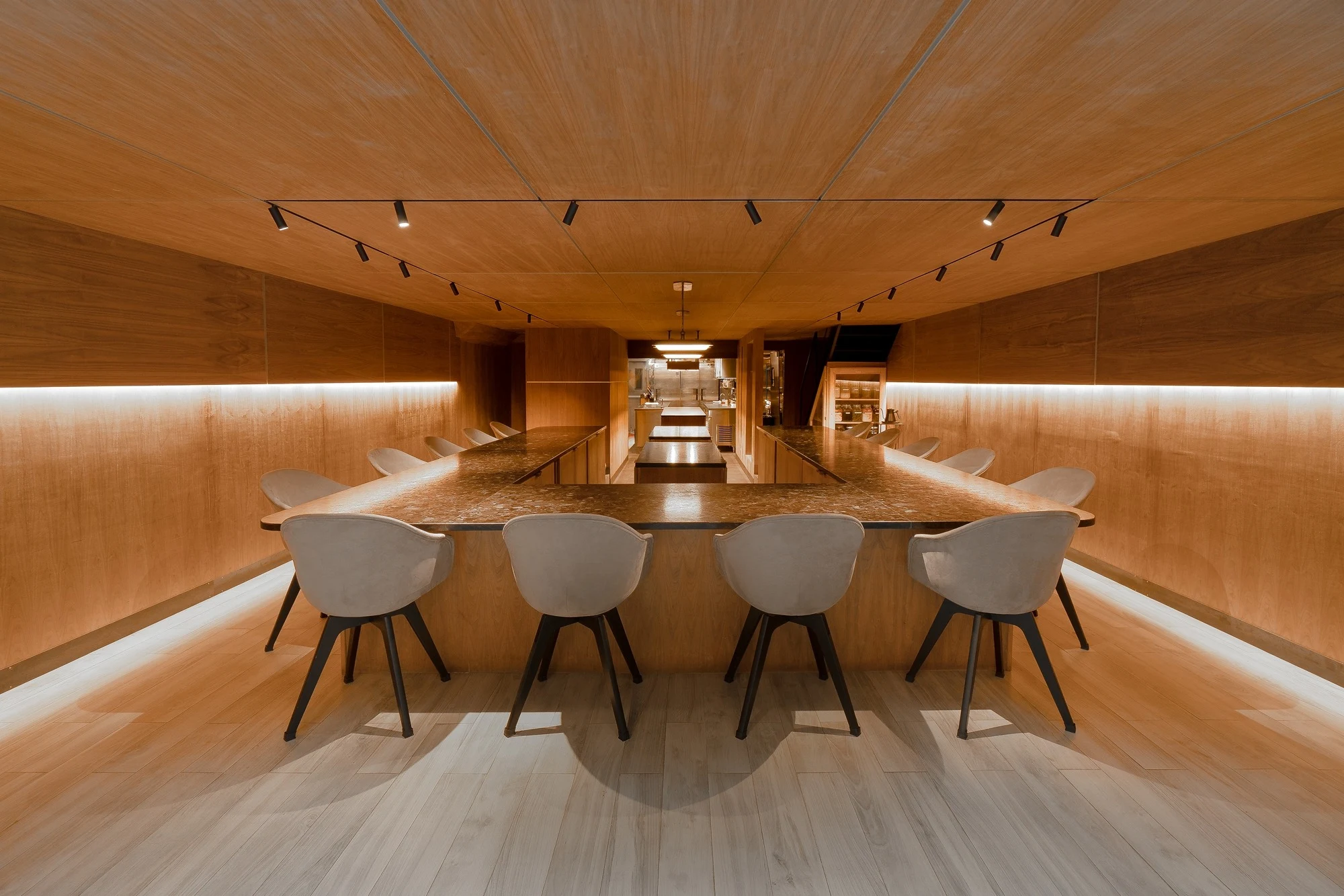
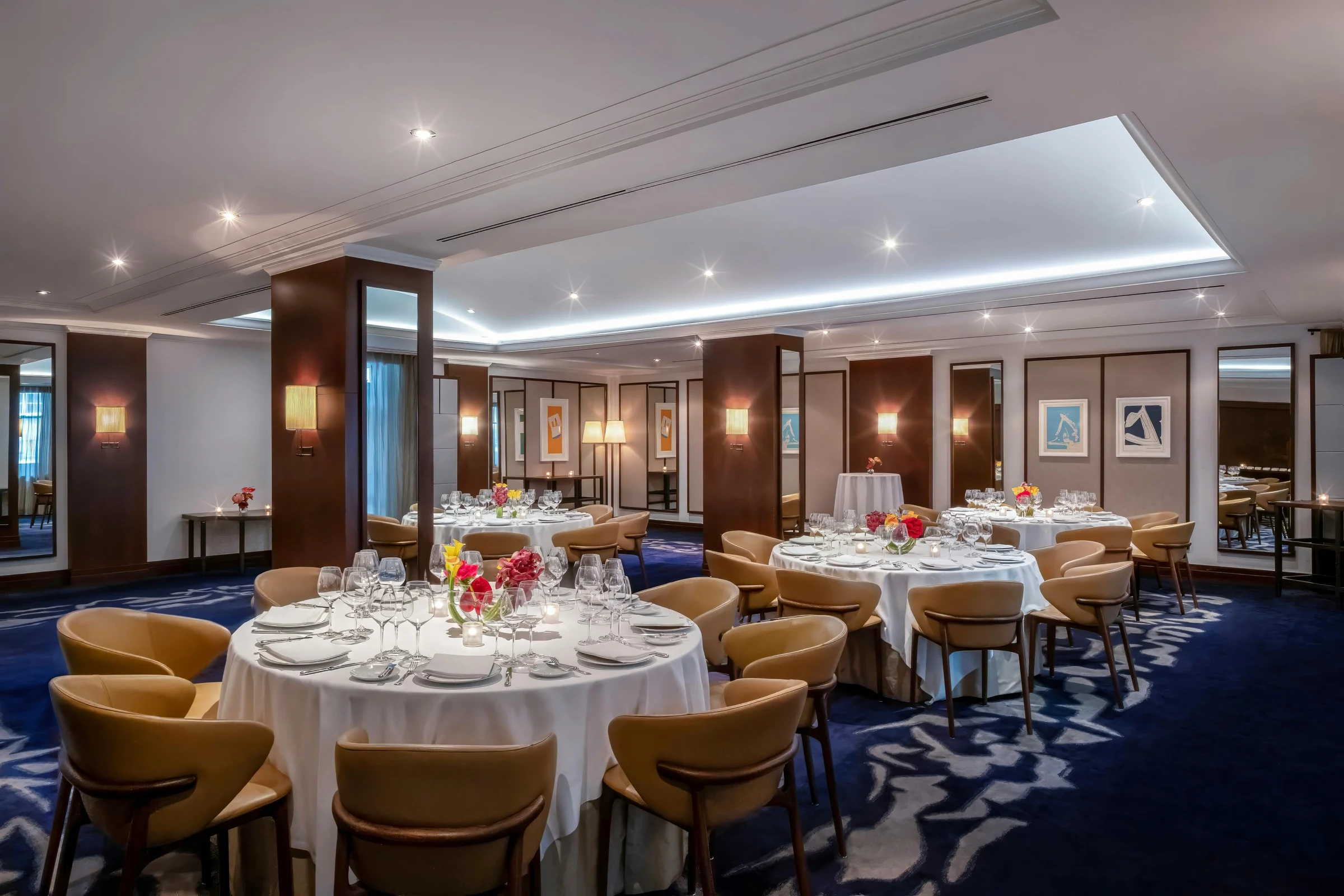
The restaurant operates as two separate dining experiences under one roof, and the choice between them shapes everything about the evening. The Tavern, at the front of the house, runs à la carte, takes no reservations, and seats diners at the bar or communal tables on a first-come basis. At lunch, particularly at the bar, it functions as one of Flatiron's more considered midday stops. The Dining Room, at the rear, operates on a prix fixe format, three courses with a range of options, and requires advance booking.
That window is tighter than many comparable New York restaurants, which means demand is managed through consistency rather than scarcity theatre.
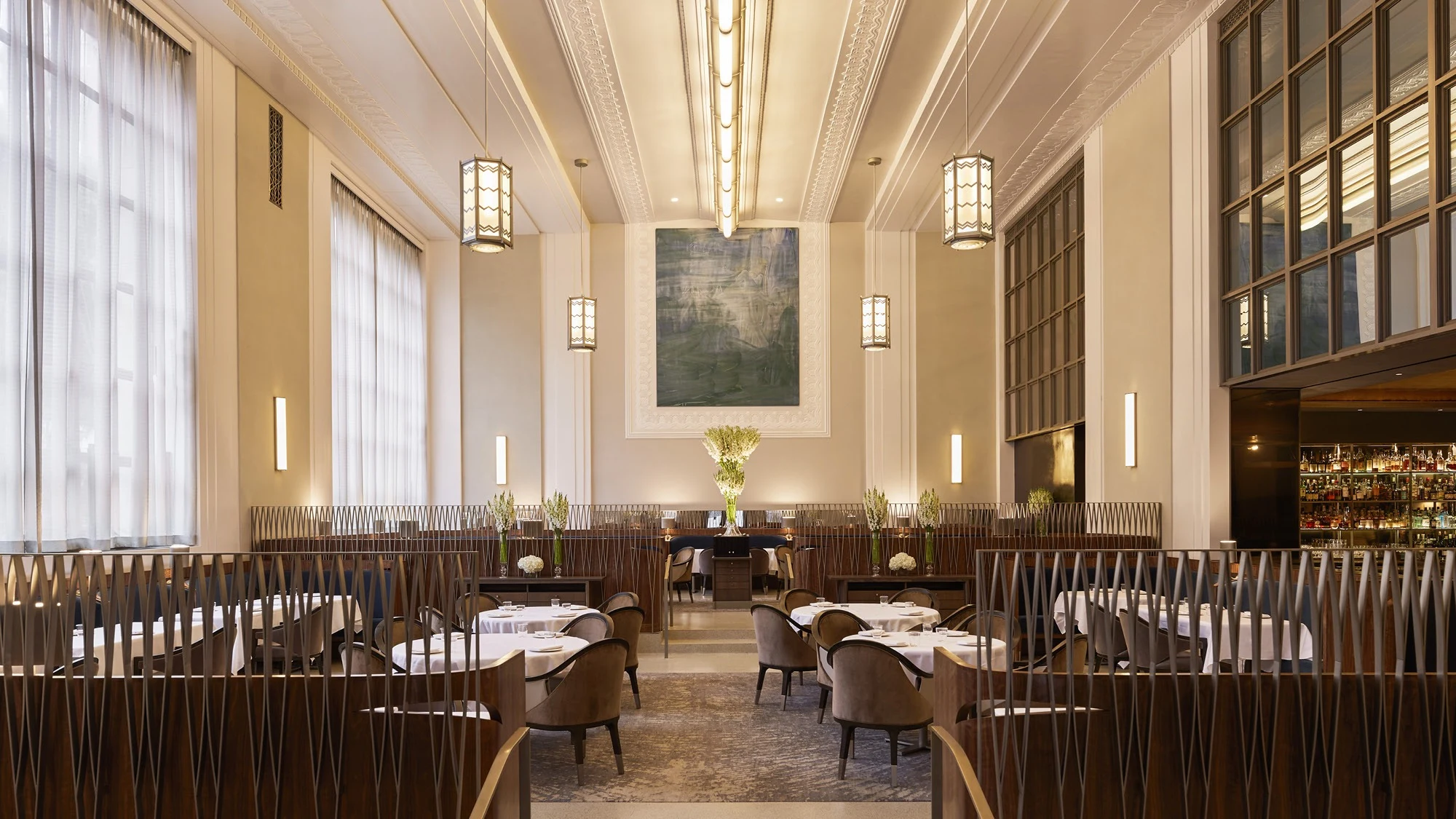
The room itself sets the tone before a dish arrives. Natural light comes through large windows during the day; evenings shift to recessed lighting that softens the scale of the space without turning it dim. The American craft aesthetic, wood beams, botanical murals, warm materials throughout, was not retrofitted for Instagram. It predates that consideration by two decades, which gives it a solidity that newer rooms with similar vocabularies tend to lack.
The Ritual of the Meal
American seasonal cooking, done at this level, follows a particular logic. The menu is built around what is available from local farms rather than what fits a fixed culinary concept, which means the dishes change and the daily specials carry real weight. Arriving with a set idea of what you will order and ignoring the specials board is a mistake that regular diners learn quickly. Chef Michael Anthony's sourcing approach, local produce as the organizing principle, with wood-fired technique as the through-line, gives the kitchen a consistent character even as individual dishes rotate.
The service ritual at Gramercy Tavern is worth noting separately from the food, because it is part of what the restaurant is selling. The Danny Meyer ethos of hospitality as the primary product, not warmth as a performance, but as a structural commitment, shows up in practical terms: guests are informed of wait times, staff are patient with questions, and the team does not treat the room as a conveyor of covers. For diners accustomed to the cooler, more technically focused service found at restaurants like Le Bernardin or Atomix, Gramercy's approach can feel almost counterintuitively loose. It is not. It is a studied informality built on the same discipline as the kitchen.
The Wine Program
A list of 2,225 selections with an inventory of 14,770 bottles places Gramercy Tavern in the serious tier of New York wine programs, not quite the monumental scale of a few specialist rooms, but deep enough that the list functions as a destination within the meal rather than a supporting document. Wine Director Randall Restiano oversees a program with particular depth in Burgundy, Bordeaux, Italy, Champagne, the Rhône, and Germany. The pricing tier sits at $$$, with many bottles crossing the $100 threshold, consistent with the restaurant's overall positioning at the upper end of the American casual-formal spectrum. A corkage fee of $35 applies for guests bringing their own bottles.
The sommelier team, Will Edwards, Sylvester Inda, Karan Makhija, Álvaro Mondaca, Caitlin Tripodi, Andrea Velo, James Burge, and Dorian González-Vega, is unusually large for a single-restaurant program, which in practice means the floor coverage is attentive without being intrusive. For a kitchen that changes its menu seasonally, a sommelier team that can navigate pairing conversations on the fly is not a luxury; it is a functional requirement.
Where Gramercy Sits in the American Restaurant Conversation
It ranks alongside, rather than below, the new generation of American seasonal restaurants that have emerged in its wake. Comparable programs in terms of ethos and ambition include Lazy Bear in San Francisco, Single Thread Farm in Healdsburg, and Providence in Los Angeles, each representing a regional interpretation of serious American cooking with local sourcing at the core. Gramercy predates most of them and, in some respects, established the template.
Internationally, the kind of seasonal-produce-driven American cooking that Gramercy pioneered now reads as a recognizable category alongside format-driven destinations like Alinea in Chicago or the formality of The French Laundry in Napa. Even further afield, restaurants like Emeril's in New Orleans, 8½ Otto e Mezzo Bombana in Hong Kong, and Alain Ducasse at Louis XV in Monte Carlo occupy a similar position in their respective cities: institutions that have outlasted trends by staying precise about what they do and refusing to reinvent for its own sake.
The Esquire recognition for one of America's leading martinis in 2025 is a small but telling data point. It signals that the Tavern side of the restaurant, the walk-in bar, the à la carte menu, the lighter end of the experience, is taken as seriously as the Dining Room. That coherence across formats is rarer than it sounds.
Planning Your Visit
Gramercy Tavern is located at 42 E 20th St, New York, NY 10003. For the Dining Room, reservations open 28 days in advance at 10 a.m. and are available through the restaurant's website. The Tavern takes walk-ins only; arriving early, particularly for lunch, gives you the best chance of a bar seat. Both sections serve lunch and dinner.
Questions
Frequently asked
What recognition does Gramercy Tavern hold?
Gramercy Tavern holds 1 Michelin star, a place on the World's 50 Best list at number 10 and a James Beard award.
Who works at Gramercy Tavern?
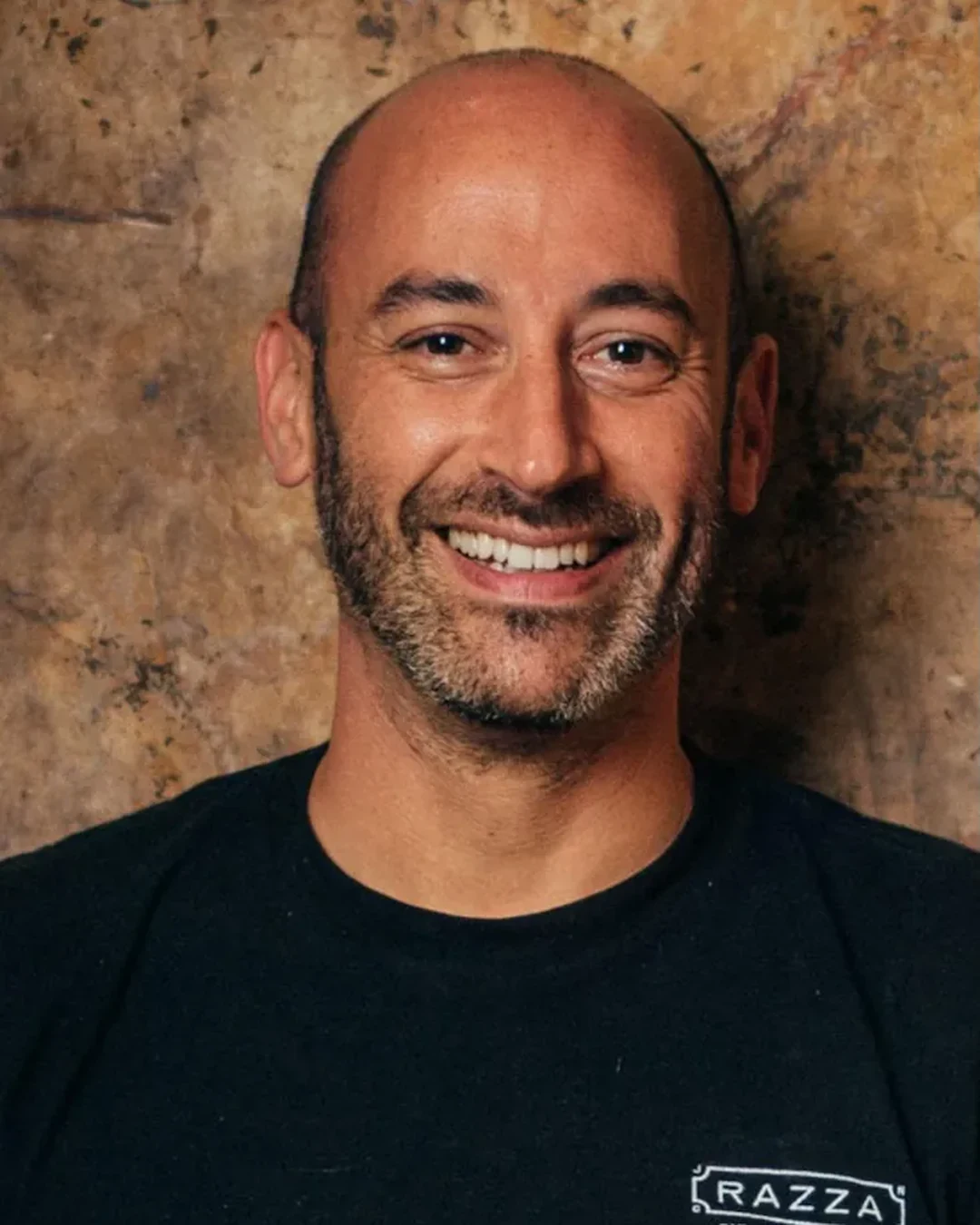
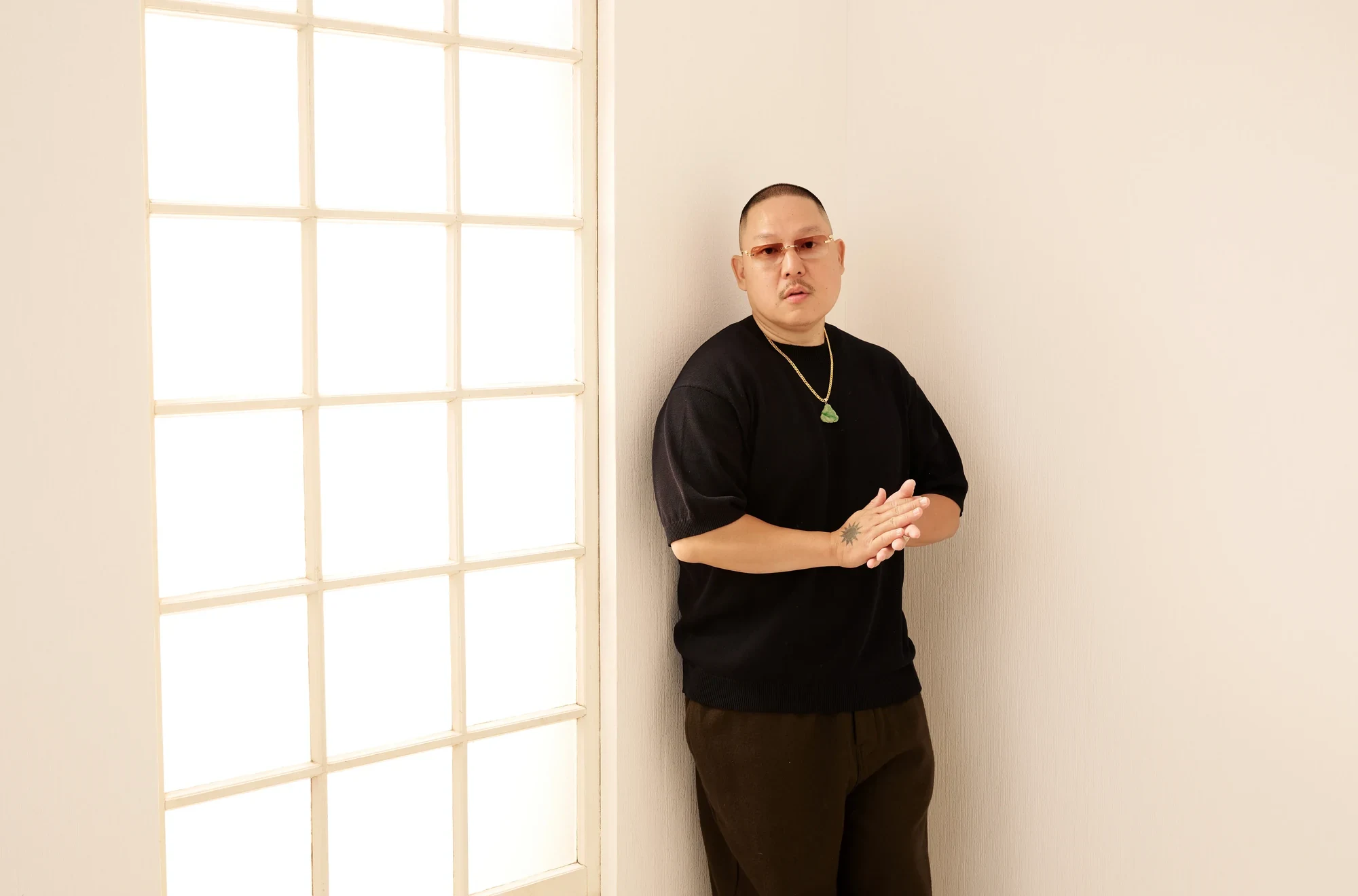
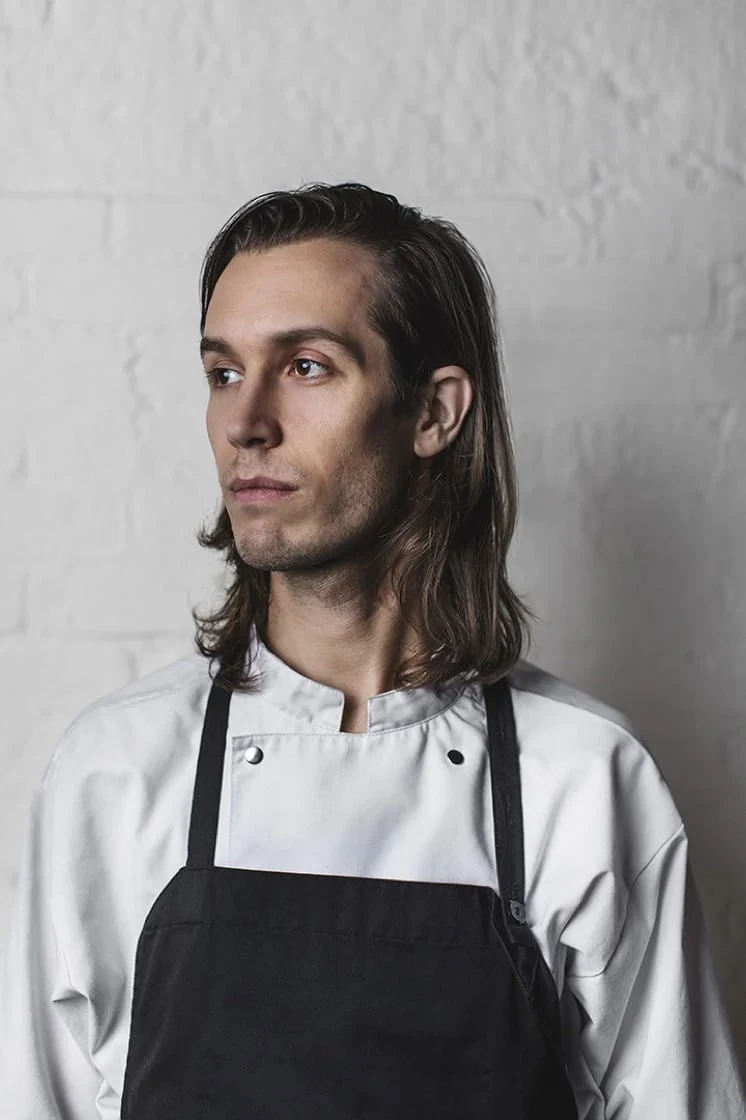
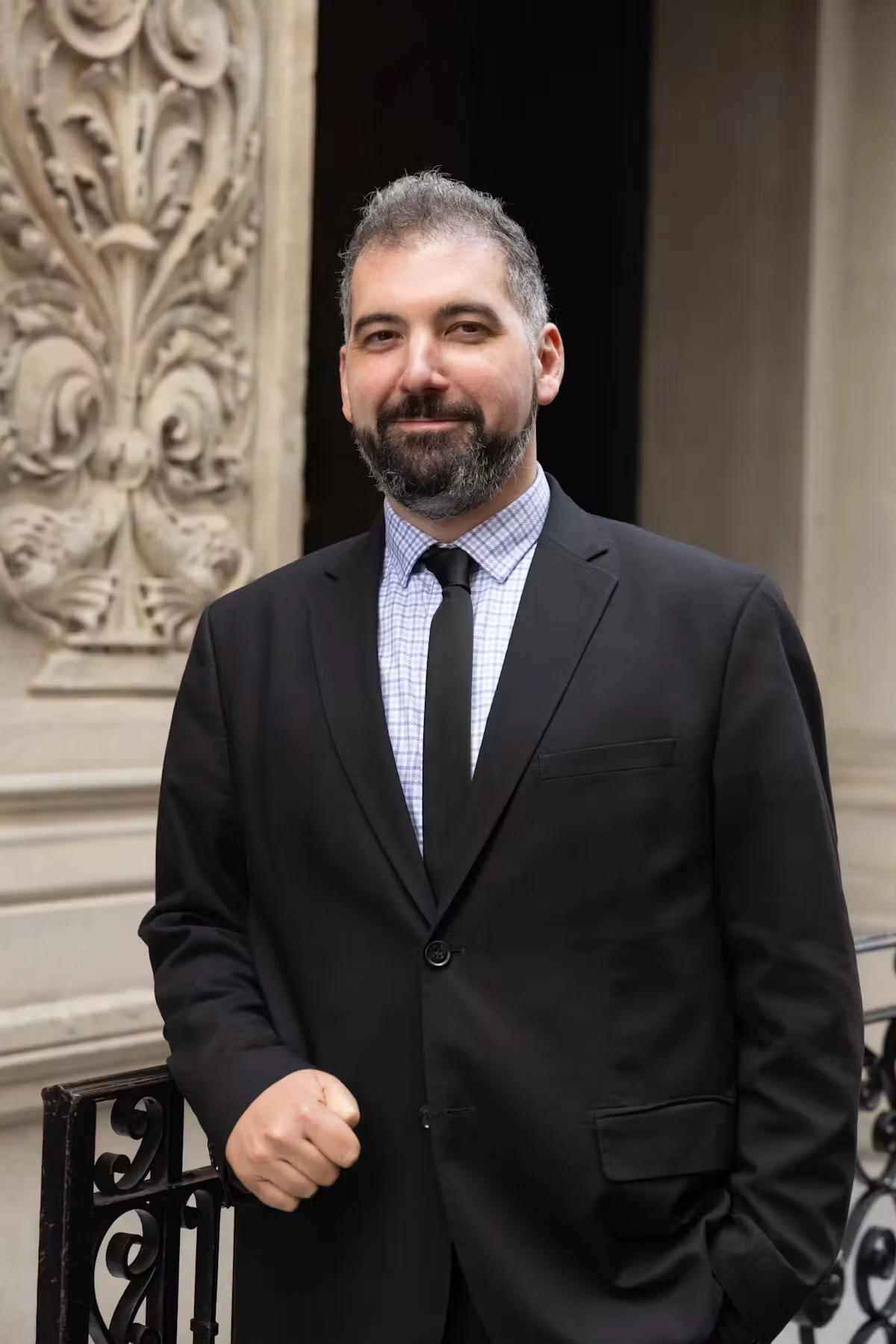
Made By profiles Aretah Ettarh (Chef), Randall Restiano (Beverage Director) and Michael Anthony (Chef) at Gramercy Tavern.
How expensive is Gramercy Tavern?
Gramercy Tavern is listed at a price level of $$$$.
Where is Gramercy Tavern and what does it serve?
Gramercy Tavern is in Midtown South-Flatiron-Union Square, New York City, serving Contemporary Seasonal American.
The field
How it compares
| Place | Awards | Cuisine | Notes |
|---|---|---|---|
| Gramercy Tavern | Michelin 1 Star, World's 50 Best #10, James Beard | Contemporary Seasonal American | Midtown South-Flatiron-Union Square, $$$$ |
| Atomix | Michelin 2 Stars, World's 50 Best | Modern Korean Tasting Menu | New York City |
| Daniel | Michelin 1 Star, World's 50 Best | Modern French Fine Dining | New York City |
| Eleven Madison Park | Michelin 3 Stars, World's 50 Best | Contemporary Plant-Based Fine Dining | New York City |
| Jungsik New York | Michelin 3 Stars, World's 50 Best | Modern Korean Fine Dining | New York City |
| Kabawa | World's 50 Best | Modern Caribbean Prix Fixe | New York City |
| Le Bernardin | Michelin 3 Stars, World's 50 Best | French Seafood Fine Dining | New York City |
Producers
Sourced from / Made with

In residence
Similar places
Modern Korean Tasting Menu
Atomix
New York City, United States
★★ · 50 Best
Modern French Fine Dining
Daniel
New York City, United States
★ · 50 Best
Contemporary Plant-Based Fine Dining
Eleven Madison Park
New York City, United States
★★★ · 50 Best
Modern Korean Fine Dining
Jungsik New York
New York City, United States
★★★ · 50 Best
Modern Caribbean Prix Fixe
Kabawa
New York City, United States
50 Best
French Seafood Fine Dining
Le Bernardin
New York City, United States
★★★ · 50 Best
The Sunday letter
Get the next Made By story in your inbox.
We send one email every Sunday morning with the places and people we covered that week.
See a sample of the Sunday emailOne email a week. Unsubscribe from any issue.