Kokoro
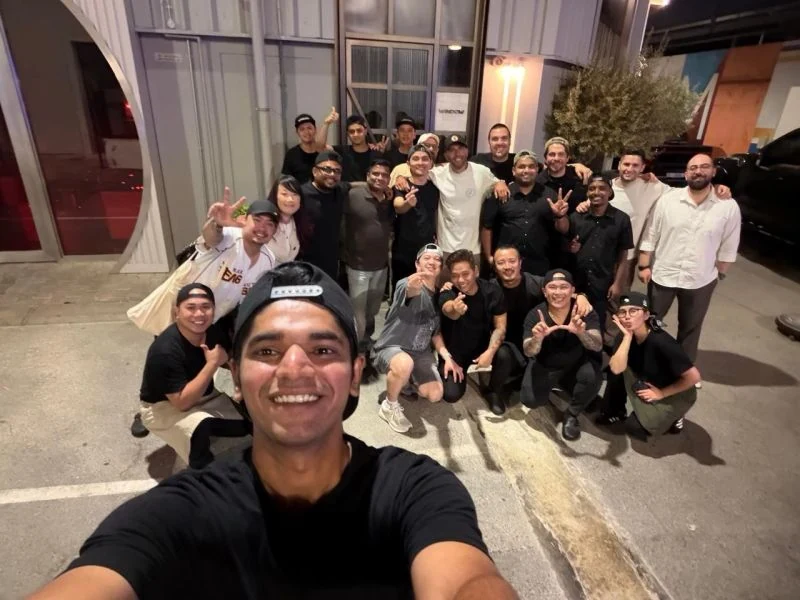
In Residence
Daniela Moiseev
Head Chef
- 01CuisineModern Japanese Hand Roll Bar
- 02CityDubai, United Arab Emirates
- 03RecognitionWorld's 50 Best — No. 15
From the people index
Recommended by
One trusted voice points here.
- World's 50 Best · #15 · World's 50 Best Restaurants
- World's 50 Best MENA's Best Restaurants #15 · 2026
- Gault & Millau UAE Selected Restaurant · 2026
Where the Meal Begins Before the First Bite
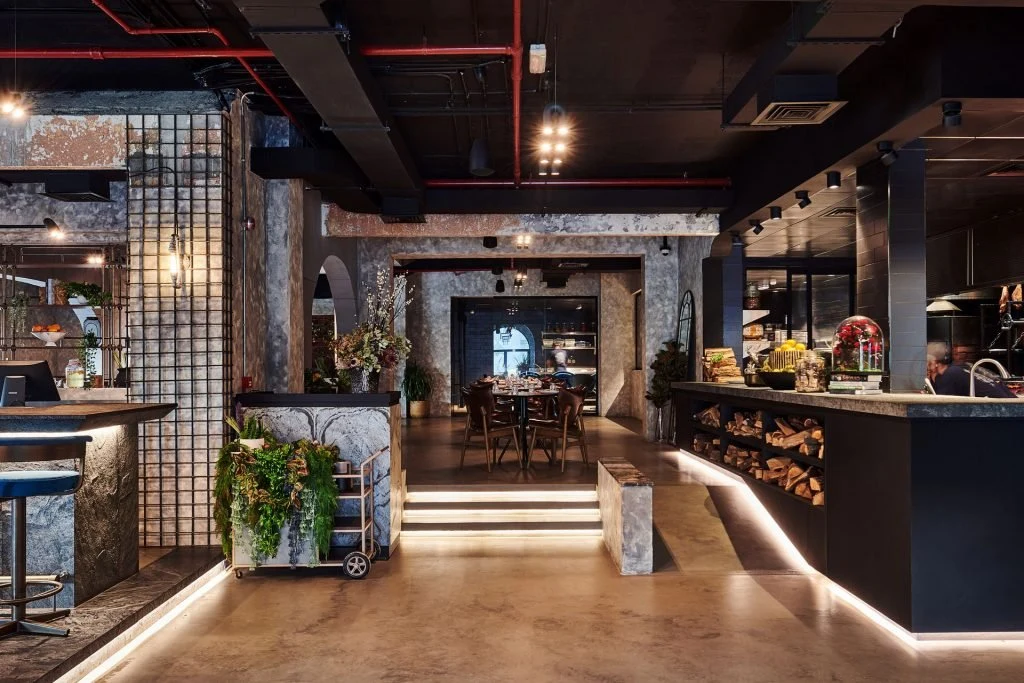
Al Serkal Avenue operates on different terms than the rest of Dubai's dining scene. While the city's restaurant conversation is often dominated by waterfront towers and hotel podiums, this low-rise warehouse district in Al Quoz has developed its own rhythm, one shaped by galleries, creative studios, and the kind of independent operators who choose context over convenience. Arriving at Kokoro here is already a statement of intent.
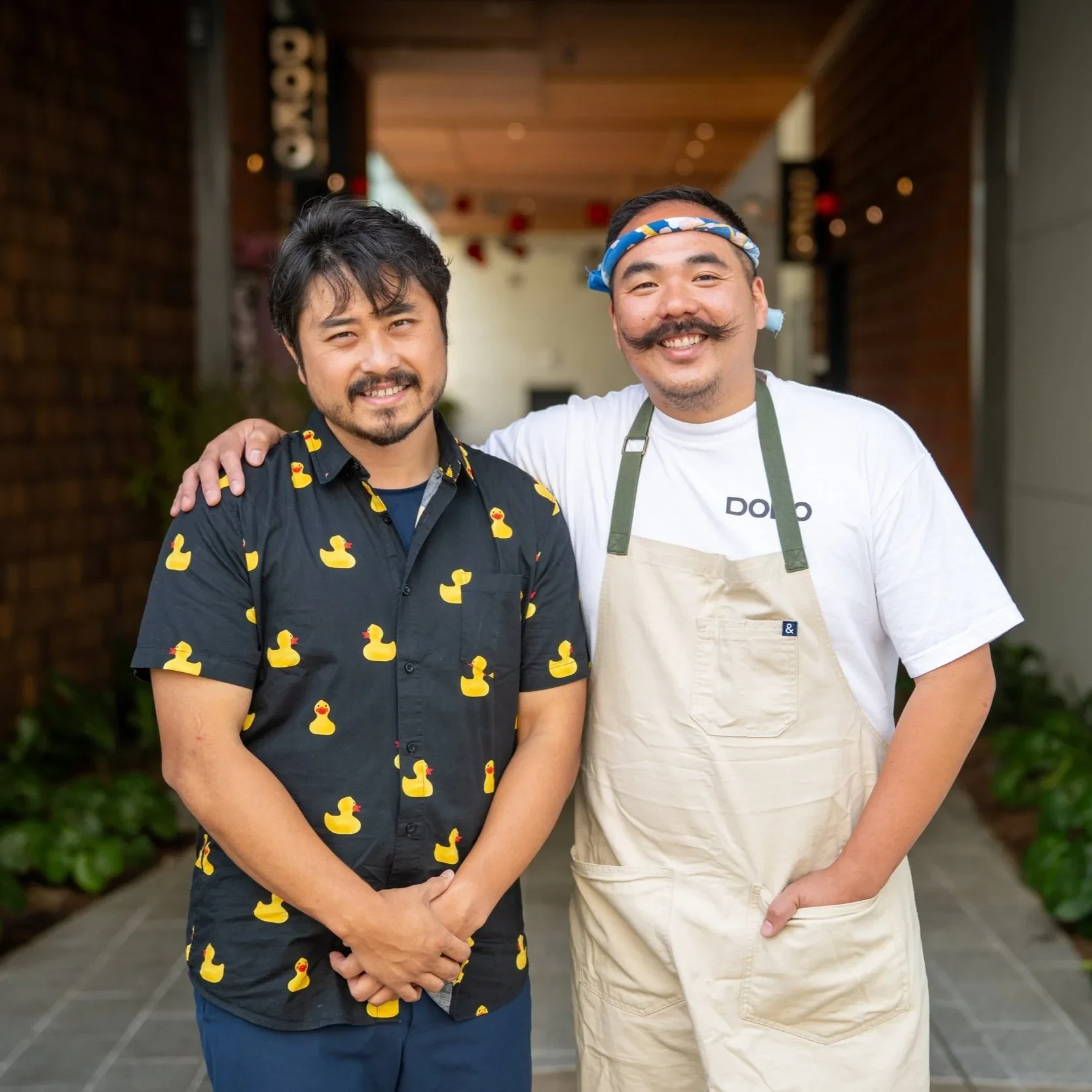
That framing matters because Kokoro's food asks something similar of the guest. The concept originated in Houston, Texas, where American chefs Patrick Pham and Daniel Lee built a reputation around sushi that questions its own conventions. The version in Dubai carries that original tension forward: deep respect for Japanese technique paired with a willingness to treat the format as a starting point rather than a sacred document.
A Meal That Builds an Argument
In a city where Japanese restaurants tend to cluster into two camps, the straight-formal omakase counter and the high-energy robata or contemporary roll bar, Kokoro occupies a more interesting middle ground. The meal functions as a progression, each stage adding a layer to the central question of what sushi can hold when the boundary between tradition and invention is treated as porous rather than fixed.
That kind of tasting architecture has become increasingly common in cities where diners have grown impatient with format rigidity. Places like Alinea in Chicago or Lazy Bear in San Francisco built their reputations by treating a meal as a structured narrative rather than a sequence of independent dishes. Kokoro works in a more accessible register, but the logic is similar: the progression matters, not just the individual plates.
Where a traditional omakase counter like those at the top of Tokyo's Ginza scene prioritises the purity of a single ingredient across incremental variations, the American approach that Pham and Lee developed leans into contrast and surprise as structural tools. The arc of the meal tends to move from lighter, more restrained preparations toward richer, more assertive combinations, building momentum rather than maintaining a single temperature throughout.
For reference, Atomix in New York City demonstrates how Korean fine dining navigated a similar challenge: honouring a national culinary vocabulary while reshaping it for an international audience and a contemporary format. Kokoro's project is adjacent. The vocabulary is Japanese, the shaping hand is American, and the audience in Dubai brings its own set of reference points that neither Houston nor Tokyo fully anticipated.
Dubai's Creative Dining Tier in 2024 and 2025
Kokoro's arrival in 2024 placed it inside a specific moment in Dubai's restaurant development. The city's premium dining segment has grown increasingly differentiated, with Michelin-starred formal rooms like Trèsind Studio and FZN by Björn Frantzén at one end, and a younger cohort of concept-driven independents at the other. The independents have been the more dynamic story recently, partly because they carry lower institutional overhead and partly because the city's dining public has become more adventurous than its international reputation suggests.
11 Woodfire and moonrise represent the creative ambition of that same cohort, and Row on 45 adds another data point for how Dubai's independent scene is developing its own aesthetic identity separate from imported formats. Kokoro sits within that peer group: smaller in footprint than the hotel-anchored rooms, specific in concept, and reliant on repeat business from guests who engage with the food rather than the view.
The Al Serkal Avenue location reinforces this positioning. The neighbourhood has become a gathering point for creative industry workers, gallery visitors, and residents who use the area as a counterweight to the more polished, brand-heavy districts elsewhere in the city. A restaurant concept built around intellectual play with sushi finds a natural audience there.
The Houston Origin and What It Means Here
Houston is an underappreciated reference point in global food culture. Its demographics, with deep Vietnamese, Japanese, Mexican, and Indian communities, have produced a restaurant scene that is genuinely comfortable with culinary hybridisation in ways that more monocultural cities sometimes struggle with. The American South more broadly, from New Orleans venues like Emeril's to the Gulf Coast seafood tradition, has developed an appetite for bold flavour combinations that sits differently than the European fine dining inheritance. Pham and Lee drew from that environment, and the Dubai iteration carries that DNA forward.
What this means in practice is a sushi programme that is unafraid of assertive flavour, of textures placed in deliberate opposition, and of references drawn from outside Japan's culinary borders. The meal progresses accordingly: early courses tend to establish a familiar Japanese framework, and subsequent plates introduce the American inflections that define the concept's identity. By the end, the full argument has been made, not just illustrated.
For comparison, Le Bernardin in New York City built its reputation on French technique applied to seafood with rigorous restraint. Kokoro works from a different premise: what happens when that restraint is relaxed in controlled, deliberate ways? The answer varies by visit, but the question itself is what keeps the concept interesting.
Placing Kokoro Against a Wider Map
Internationally, the creative Japanese format Kokoro occupies has developed most visibly in New York, Los Angeles, and Sydney, cities with large Japanese-American communities and dining publics comfortable with genre hybridity. Dubai is newer to this specific niche, and that relative freshness gives Kokoro some room. The comparison set within the region is thin: Erth in Abu Dhabi works a different culinary tradition entirely, and the Dubai Japanese scene has been dominated by the Zuma-adjacent contemporary Japanese format for most of the past decade.
Internationally minded diners who have experienced the omakase evolution at venues like 8½ Otto e Mezzo Bombana in Hong Kong or the formal European precision of Alain Ducasse at Louis XV in Monte Carlo will find Kokoro operating in a lighter, more playful key. That is a deliberate position, not a limitation.
Know Before You Go
- Address: Al Serkal Avenue, 17th St, Al Quoz Industrial First, Al Quoz, Dubai, UAE
- Neighbourhood: Al Serkal Avenue arts district, Al Quoz
- Opened: 2024
- Operators: The team behind FiyaIYA, Pinza, and Bake My Day
- Original concept: Houston, Texas (chefs Patrick Pham and Daniel Lee)
- Phone/website: Check current hours and booking availability directly with the venue.
- Getting there: Al Serkal Avenue is most accessible by car or taxi.
Questions
Frequently asked
What recognition does Kokoro hold?
Kokoro holds a place on the World's 50 Best list at number 15.
Who works at Kokoro?
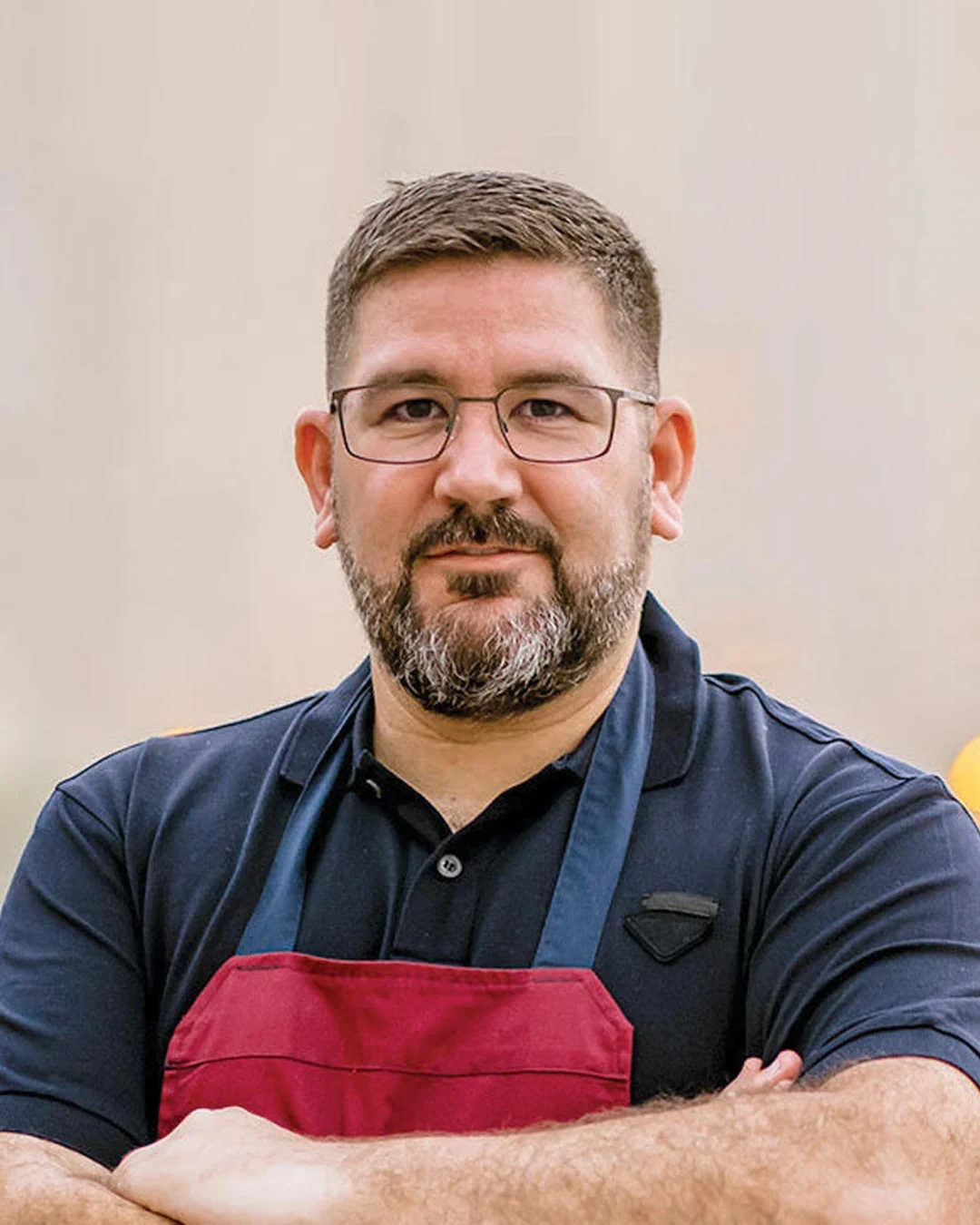
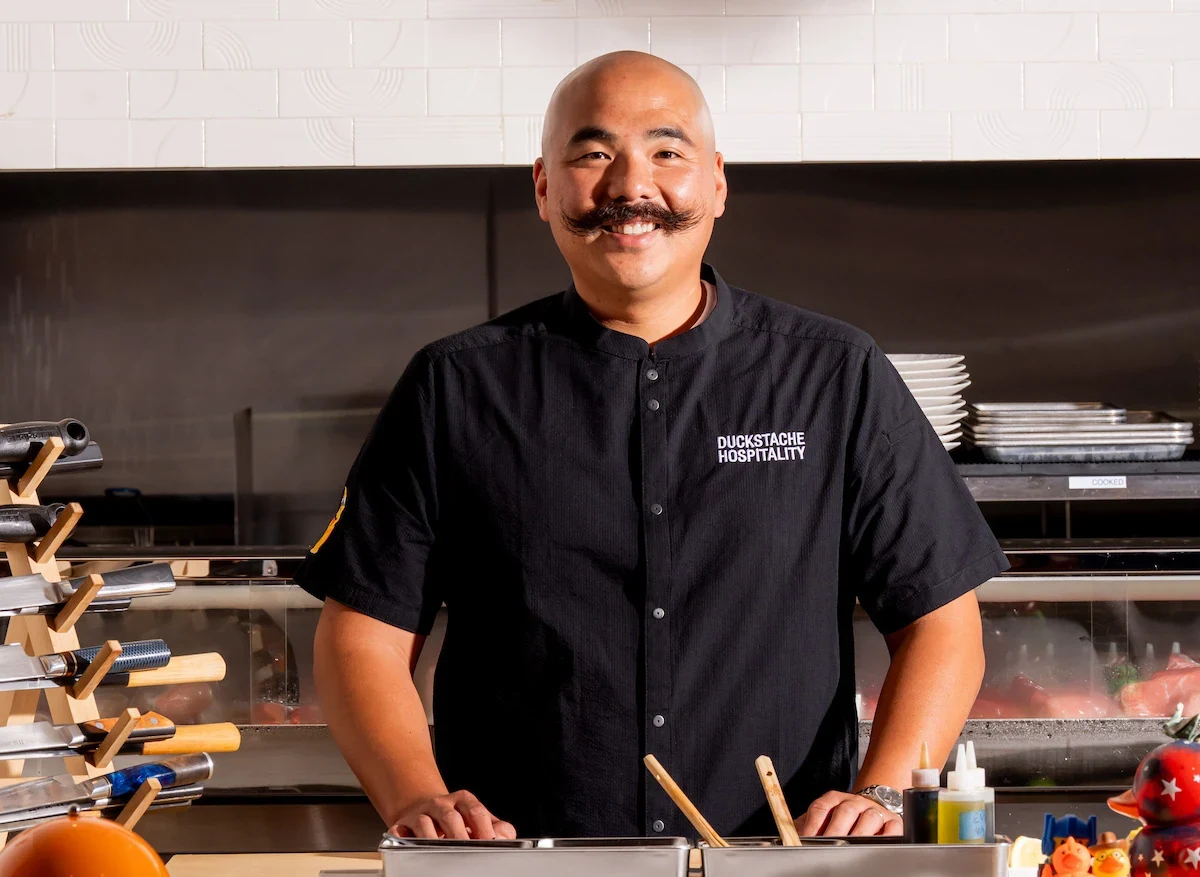
Made By profiles Daniela Moiseev (Head Chef), Daniel Lee (Co-Creator and Chef) and Patrick Pham (Co-Creator and Chef) at Kokoro.
How expensive is Kokoro?
Kokoro is listed at a price level of $$$.
Where is Kokoro and what does it serve?
Kokoro is in Al Quoz Industrial Area 1, Dubai, serving Modern Japanese Hand Roll Bar.
The field
How it compares
| Place | Awards | Cuisine | Notes |
|---|---|---|---|
| Kokoro | World's 50 Best #15 | Modern Japanese Hand Roll Bar | Al Quoz Industrial Area 1, $$$ |
| 11 Woodfire | Michelin 1 Star, World's 50 Best | Modern Woodfire Grill | Dubai |
| FZN by Björn Frantzén | Michelin 3 Stars, World's 50 Best | Modern Scandinavian-Japanese Fine Dining | Dubai |
| Orfali Bros | Michelin 1 Star, World's 50 Best | Contemporary Middle Eastern Bistro | Dubai |
| Ossiano | Michelin 1 Star, World's 50 Best | Modern Seafood Fine Dining | Dubai |
| Row on 45 | Michelin 2 Stars, World's 50 Best | Modern Japanese Fine Dining | Dubai |
| Trèsind Studio | Michelin 3 Stars, World's 50 Best | Modern Indian Fine Dining | Dubai |
In residence
Similar places
Modern Woodfire Grill
11 Woodfire
Dubai, United Arab Emirates
★ · 50 Best
Modern Scandinavian-Japanese Fine Dining
FZN by Björn Frantzén
Dubai, United Arab Emirates
★★★ · 50 Best
Contemporary Middle Eastern Bistro
Orfali Bros
Dubai, United Arab Emirates
★ · 50 Best
Modern Seafood Fine Dining
Ossiano
Dubai, United Arab Emirates
★ · 50 Best
Modern Japanese Fine Dining
Row on 45
Dubai, United Arab Emirates
★★ · 50 Best
Modern Indian Fine Dining
Trèsind Studio
Dubai, United Arab Emirates
★★★ · 50 Best