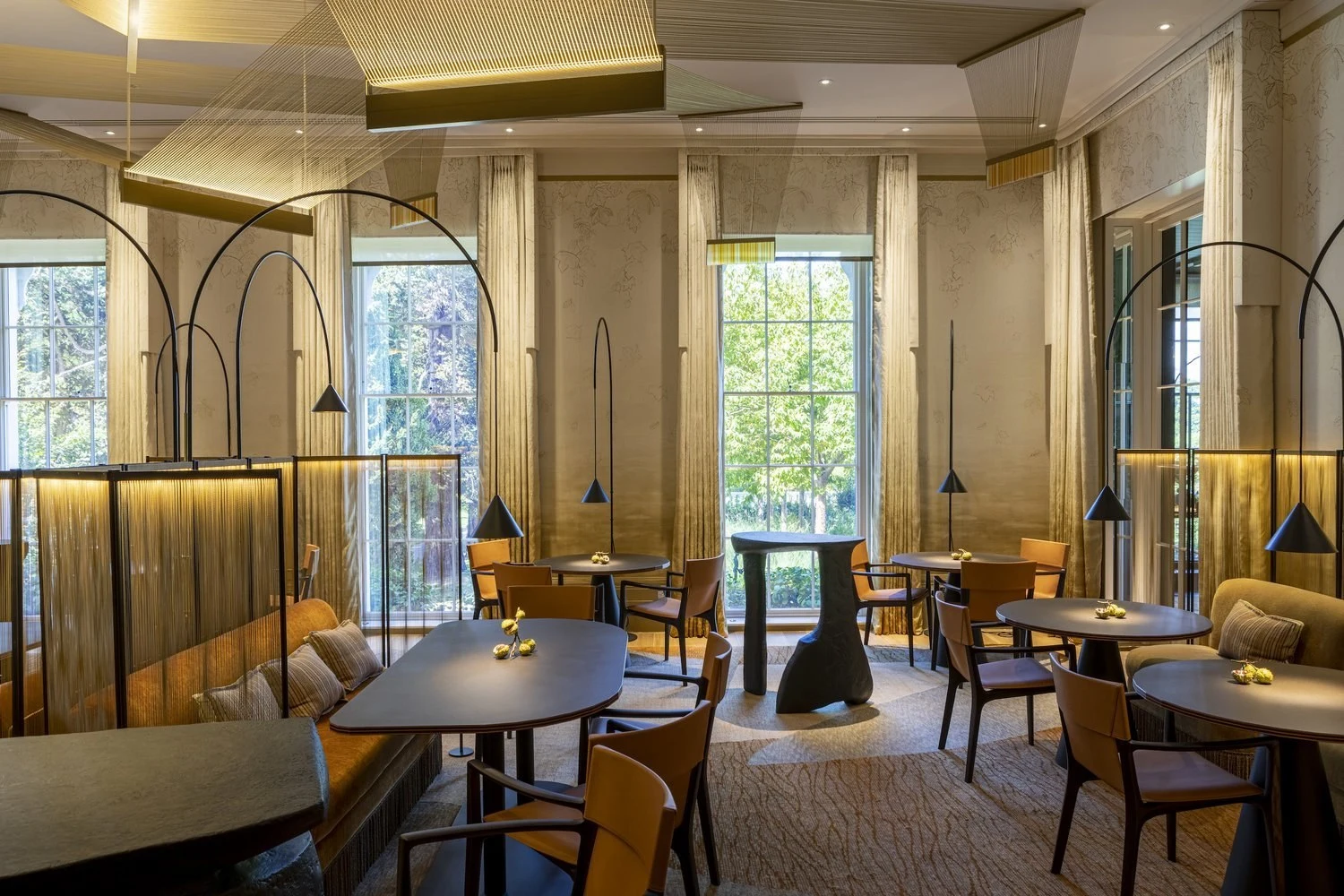
Le Doyenné
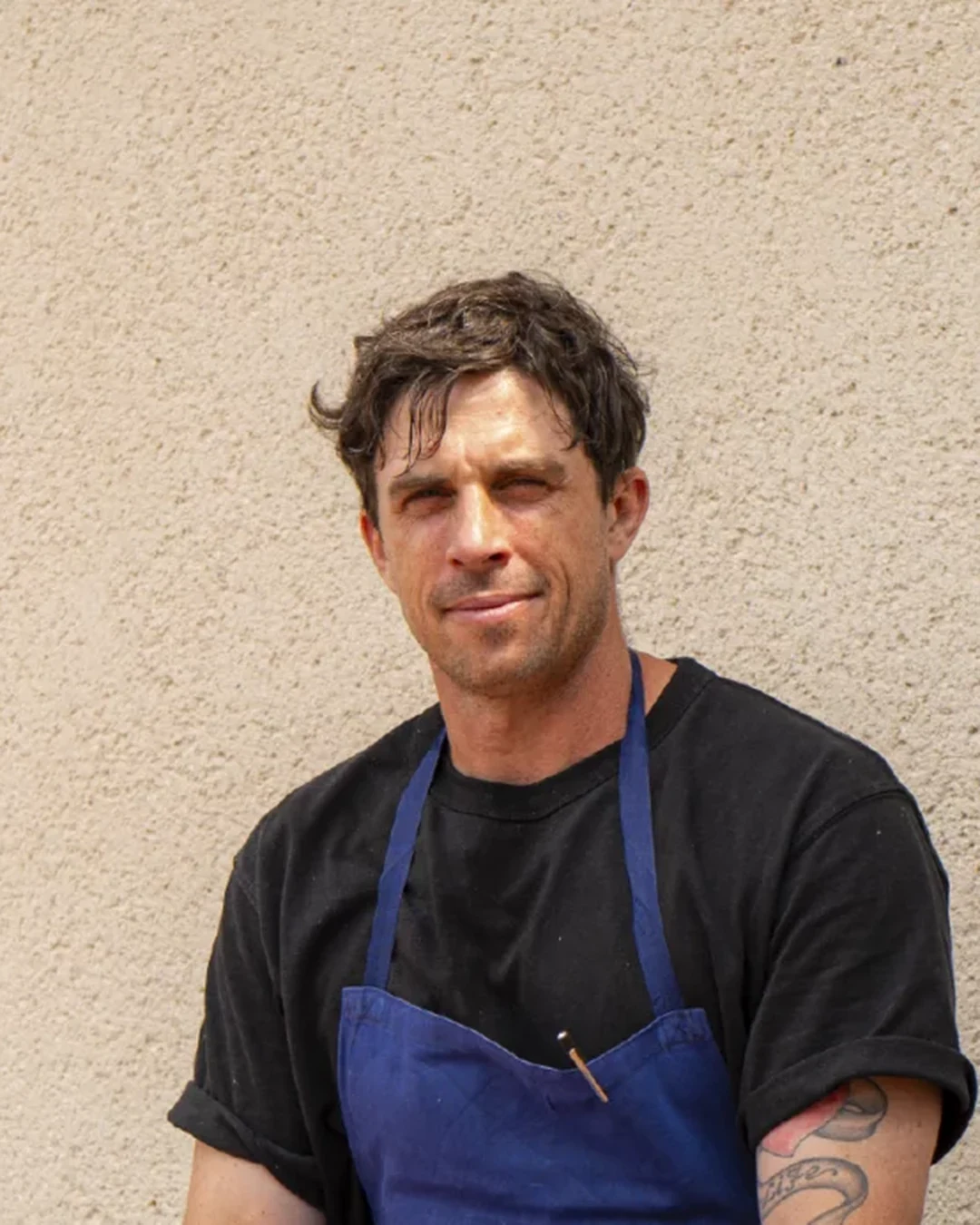
In Residence
James Henry
Chef
- 01CuisineSeasonal Farm-to-Table French Fine Dining
- 02CitySaint-Vrain, France
- 03RecognitionWorld's 50 Best — No. 70
From the people index
Recommended by
6 trusted voices point here.
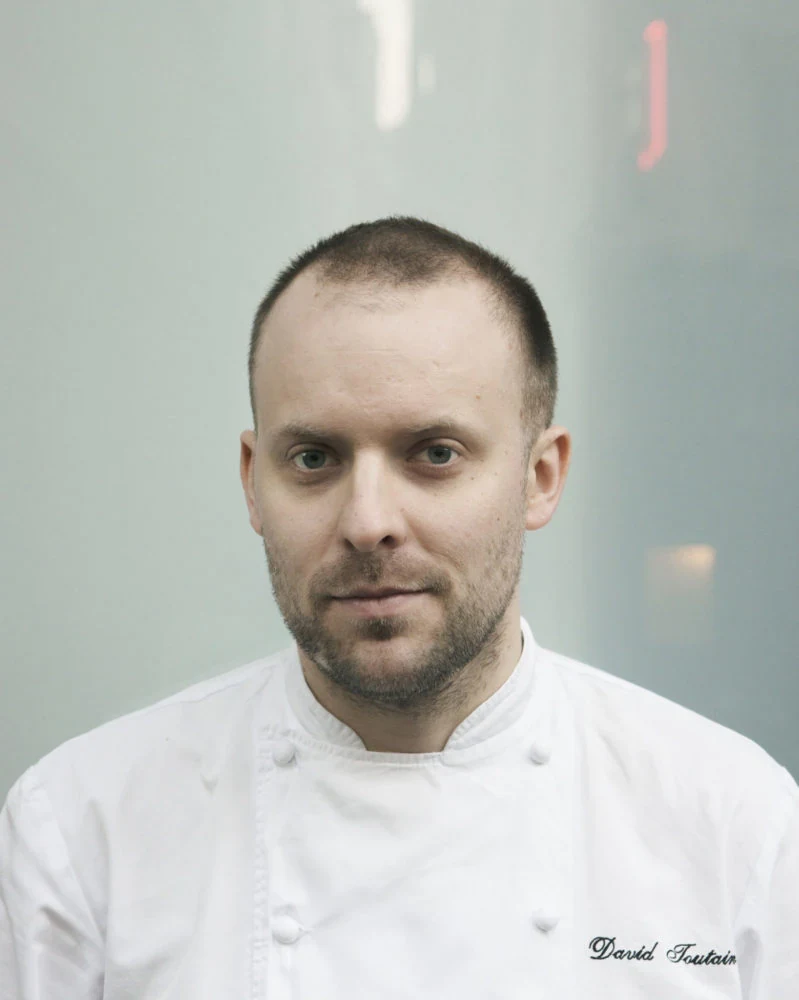
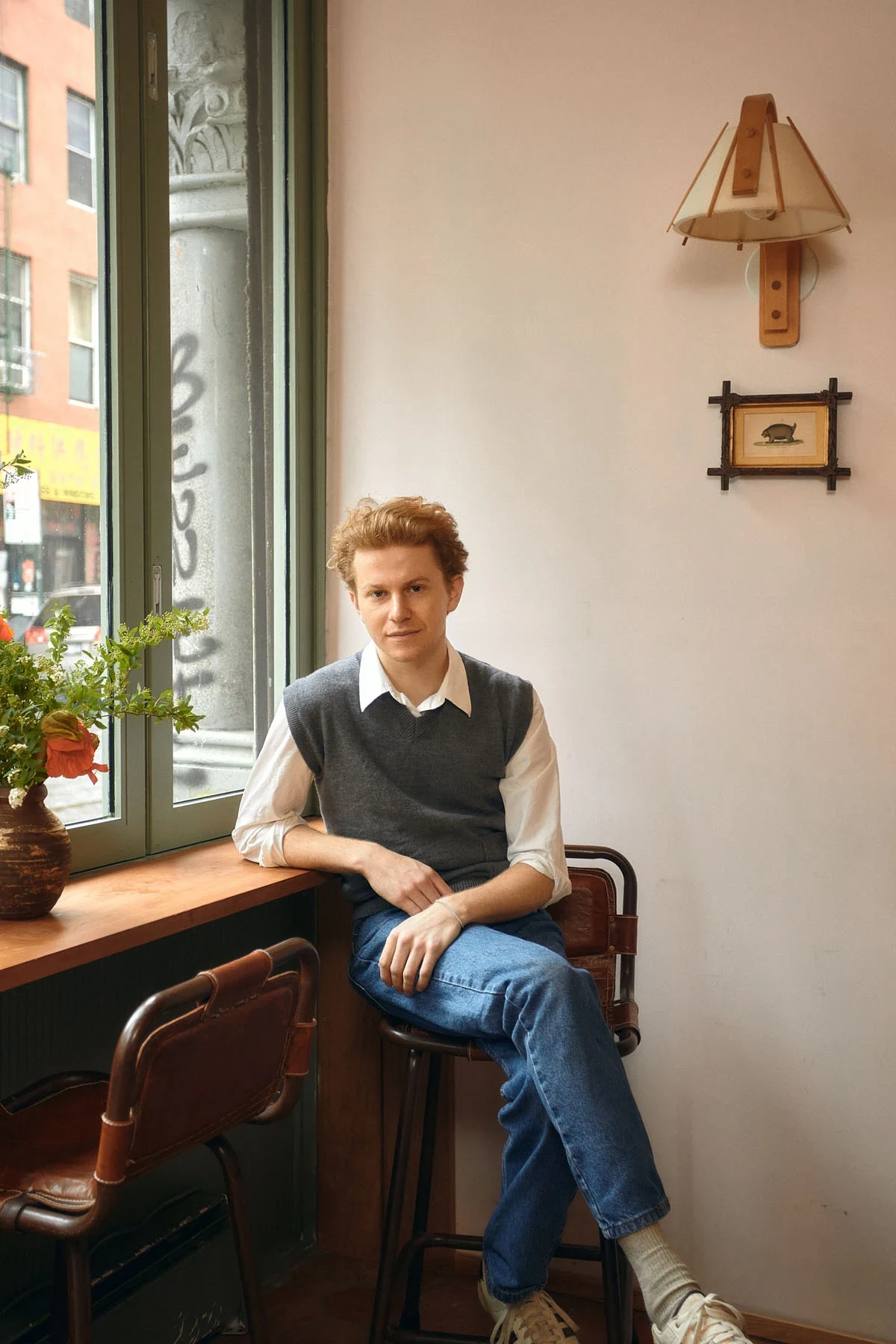
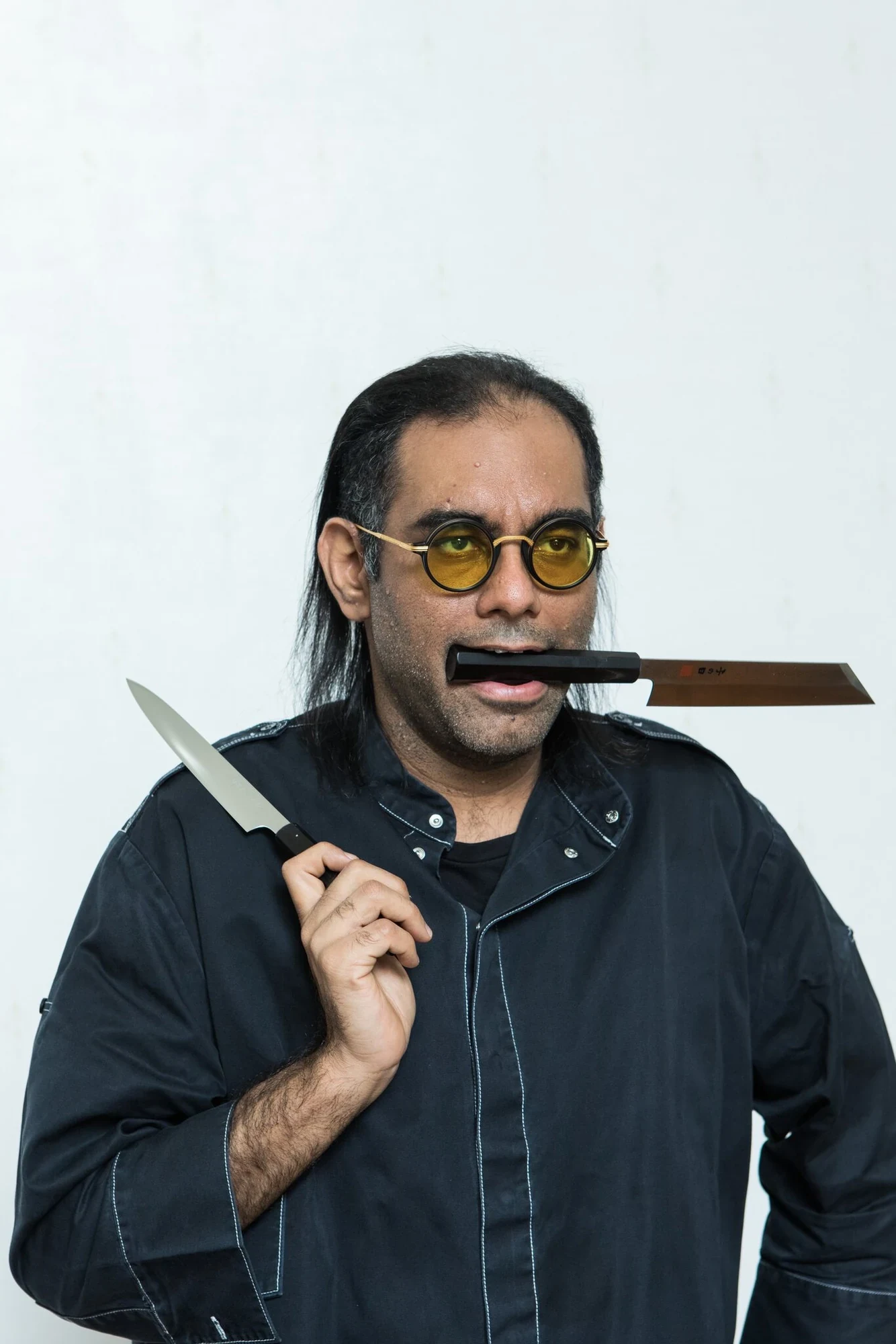
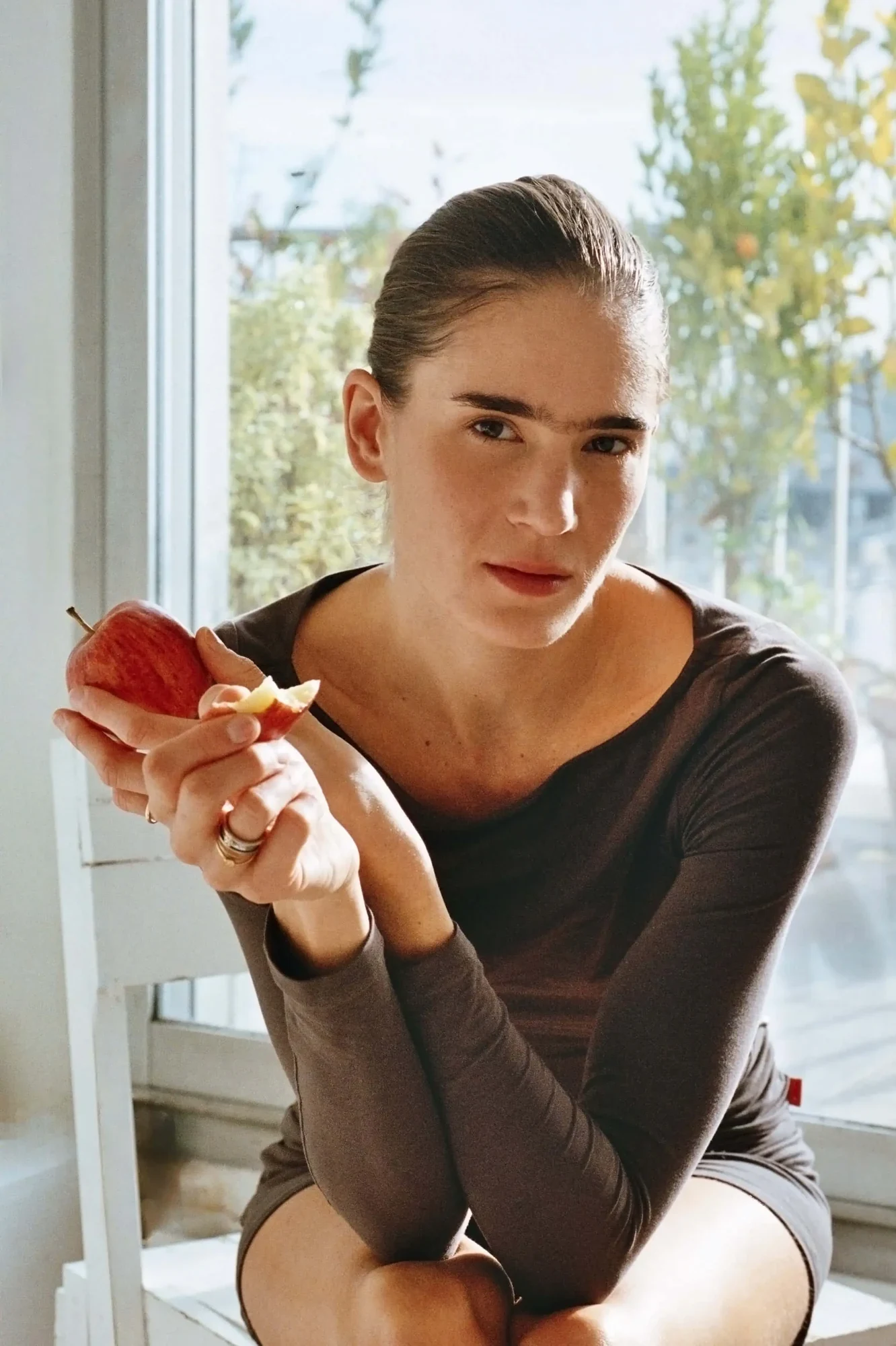
- World's 50 Best · #70 · World's 50 Best Restaurants
- Opinionated About Dining Top Restaurants in Europe Ranked #148 · 2026
- Opinionated About Dining Top Restaurants in Europe Ranked #270 · 2025
- World's 50 Best Best Restaurants #77 · 2025
- Michelin Plate · 2025
- World's 50 Best Best Restaurants #70 · 2024
- Michelin Plate · 2024
Forty Kilometres from Paris, a Different Kind of Ambition
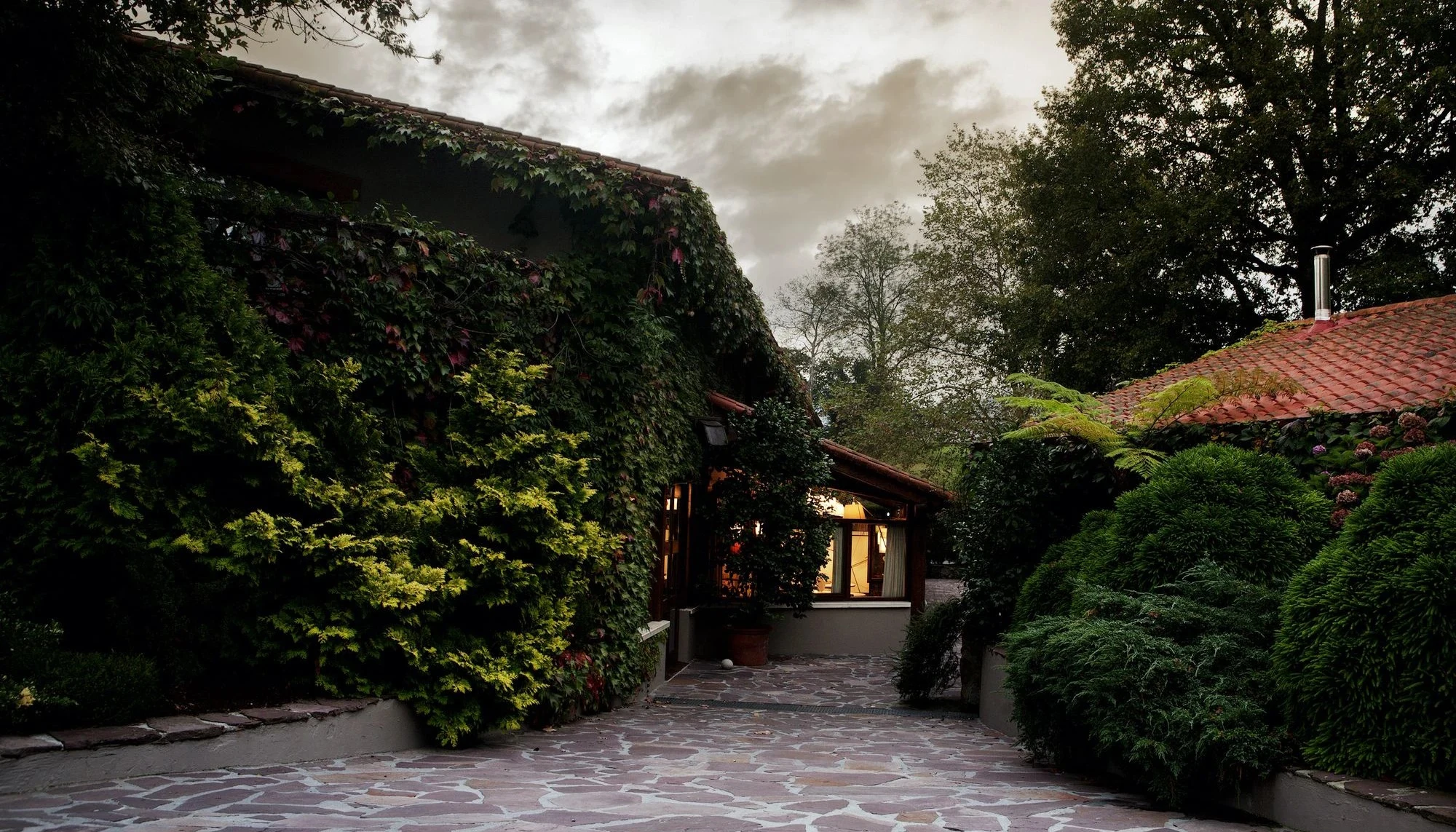
The road south from Paris through the Essonne département trades the city's density for a flatter, quieter countryside that most visitors never reach. Saint-Vrain is not a dining destination in the conventional sense: there is no cluster of starred addresses, no famous market, no gastronomic infrastructure pulling people in. What draws the reservation lists to this small commune is a single address at 5 Rue Saint-Antoine, where Le Doyenné operates from the grounds of a working farm. Arriving here, the signal is physical before it is culinary: you are somewhere that grows things, not somewhere that plates them.
That rural distance from Paris is itself a positioning statement. The French fine dining tradition, as practised at institutions like Alléno Paris au Pavillon Ledoyen, has long centralised prestige in the capital, with the provinces reserved either for deeply classical houses or for ambitious chefs at some remove from the main circuit. Le Doyenné sits in neither category comfortably. Its World's 50 Best ranking, 70th in 2024 and 77th in 2025, puts it among addresses from Stockholm to Dubai, yet the physical setting is closer in spirit to a property like Auberge du Vieux Puits in Fontjoncouse, which built its reputation in genuine rural isolation, or Bras in Laguiole, where the land itself functions as an ingredient and an argument.
The Kitchen Lineage Behind the Address
Modern cuisine as a category covers considerable ground, from technically driven tasting menus at urban multi-starred rooms to produce-led formats where the sourcing philosophy does most of the editorial work. Le Doyenné, under James Henry and Shaun Kelly, sits toward the latter pole. The farm context is not decorative: it shapes what the menu can do and, by extension, what kind of dining experience the address delivers.
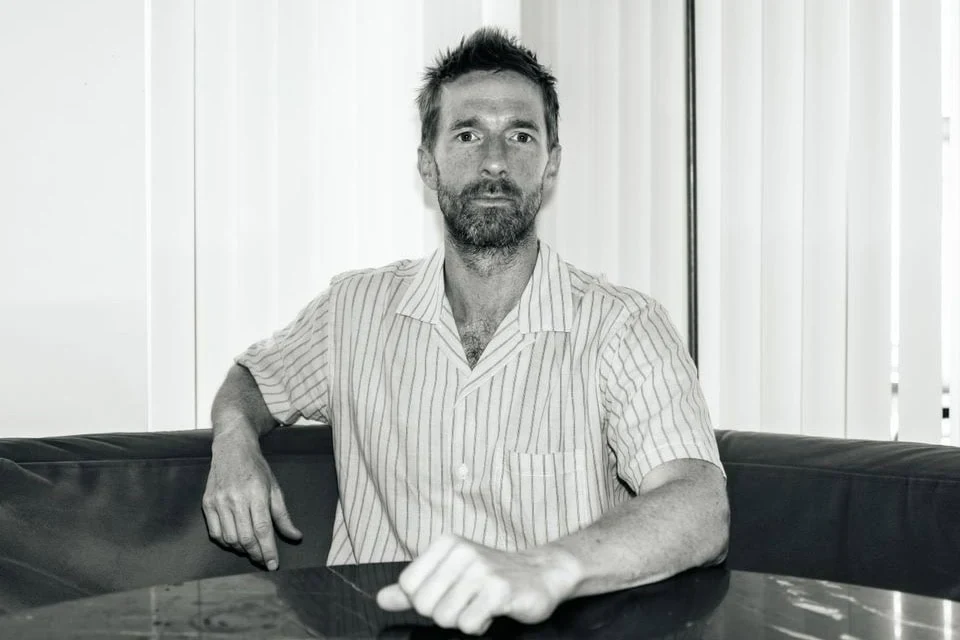
James Henry's trajectory through professional kitchens traces a path that matters for understanding what Le Doyenné became. He worked at Spring in Paris under Shaun Kelly before the two eventually established this project together, a collaboration that already signals a different model from the single-chef auteur format that dominates fine dining press. Shared kitchens at this level, where two chefs hold creative authority together, are less common than the branded individual, and that structure shows in how the restaurant has accumulated recognition: the Opinionated About Dining ranking at 270th in Europe (2025) reflects critical credibility with a readership that values culinary rigour over marketing, while consecutive World's 50 Best placements confirm the address is registering internationally rather than just within French institutional channels.
For context on what that lineage means: chefs trained in the Paris small-restaurant ecosystem of the 2010s, which produced a wave of owner-operated addresses focused on natural wine, market sourcing, and a deliberately informal register, brought a set of values that broke from the classical brigade model. Le Doyenné took those values and relocated them to a working farm, adding agricultural depth to what had previously been a sourcing philosophy expressed through supplier relationships rather than direct land stewardship. That move, from urban sourcing to rural production, is what distinguishes the project from its city-based peers.
Where Le Doyenné Sits in the French Restaurant Map
France's most decorated restaurants operate at a different register: the multi-starred palaces in Paris, the grandes maisons of Lyon, the destination addresses in Alsace. Paul Bocuse - L'Auberge du Pont de Collonges, Auberge de l'Ill in Illhaeusern, Assiette Champenoise in Reims, these are institutions with decades of accumulated prestige, full Michelin star portfolios, and formal dining codes. Le Doyenné has no Michelin stars, yet its World's 50 Best position in 2025 outranks many starred addresses globally. That discrepancy is instructive: the Michelin and World's 50 Best methodologies weight different things, and Le Doyenné's strong international ranking against a modest Michelin designation suggests that what critics with a produce and naturalness focus value most is being delivered consistently.
Compared to mountain-destination addresses like Flocons de Sel in Megève or coastal flagship rooms like Mirazur in Menton, Le Doyenné operates at a lower price point (€€€ against the €€€€ tier of Paris's starred rooms) with a format that is less ceremony-driven. For diners travelling internationally who want French fine dining without the formal apparatus of a grande maison, the comparison is worth making. The tradeoff is location: Saint-Vrain requires a dedicated trip, either from Paris as a day's excursion or with an overnight stay.
The Setting as Context for the Cooking
Farm-to-table has become a phrase so overused that it now requires careful unpacking. At one end of the spectrum, it describes urban restaurants with supplier relationships; at the other, it describes kitchens that are operationally integrated with working agricultural land. Le Doyenné's farm setting in Saint-Vrain places it toward the latter, which has direct consequences for what appears on the plate and when. Seasonal discipline here is not a menu-writing choice: it is a function of what is available from the land at a given point in the year. That constraint, taken seriously, produces a different kind of cooking from the approach at technically ambitious city addresses like AM par Alexandre Mazzia in Marseille or the innovation-forward formats seen at Frantzén in Stockholm or FZN by Björn Frantzén in Dubai.
The Opinionated About Dining ranking is a useful signal for this type of address: it suggests that the audience most likely to make a dedicated trip to an off-circuit rural address is finding the experience worth the effort.
Planning a Visit
Saint-Vrain sits roughly 40 kilometres south of central Paris, reachable by car in under an hour from the periphery. The address at 5 Rue Saint-Antoine places the restaurant within the farm property itself. Given the international profile Le Doyenné now carries, consecutive World's 50 Best entries draw reservation demand from beyond France, booking in advance is essential. The €€€ price range positions the meal meaningfully below the €€€€ tier of Paris's grandes maisons, making it accessible to diners who want serious cooking without the full ceremonial overhead. In the wider French fine dining conversation, Le Doyenné belongs to a strand that also includes Troisgros - Le Bois sans Feuilles in Ouches and Au Crocodile in Strasbourg, addresses that have sustained serious reputations outside Paris over decades, each by different means.
Questions Worth Asking Before You Book
What kind of setting is Le Doyenné?
If the combination of a World's 50 Best ranking and a rural farm address sounds counterintuitive, that tension is precisely the point. Le Doyenné operates at the €€€ tier with international critical recognition (77th globally in 2025), but the physical setting in Saint-Vrain is agricultural rather than urban-luxe. For diners who want a formal dining room with extensive service theatre, this is not that address. For those who want serious modern cuisine in a context driven by land and seasonality rather than ceremony, the match is direct.
Is Le Doyenné okay with children?
At the €€€ price point in Saint-Vrain, with a farm setting and a menu driven by seasonal produce, Le Doyenné is more relaxed in atmosphere than the formal grandes maisons of Paris, but it is a serious tasting-format address and not structured around young children.
What dish is Le Doyenné famous for?
The cooking at Le Doyenné, as reflected in its consecutive Opinionated About Dining and World's 50 Best placements through 2024 and 2025, is recognised for its integration of farm-grown produce into modern cuisine at a level that registers with critics focused on sourcing rigour and seasonal discipline, but
Questions
Frequently asked
What recognition does Le Doyenné hold?
Le Doyenné holds a place on the World's 50 Best list at number 70.
Who works at Le Doyenné?
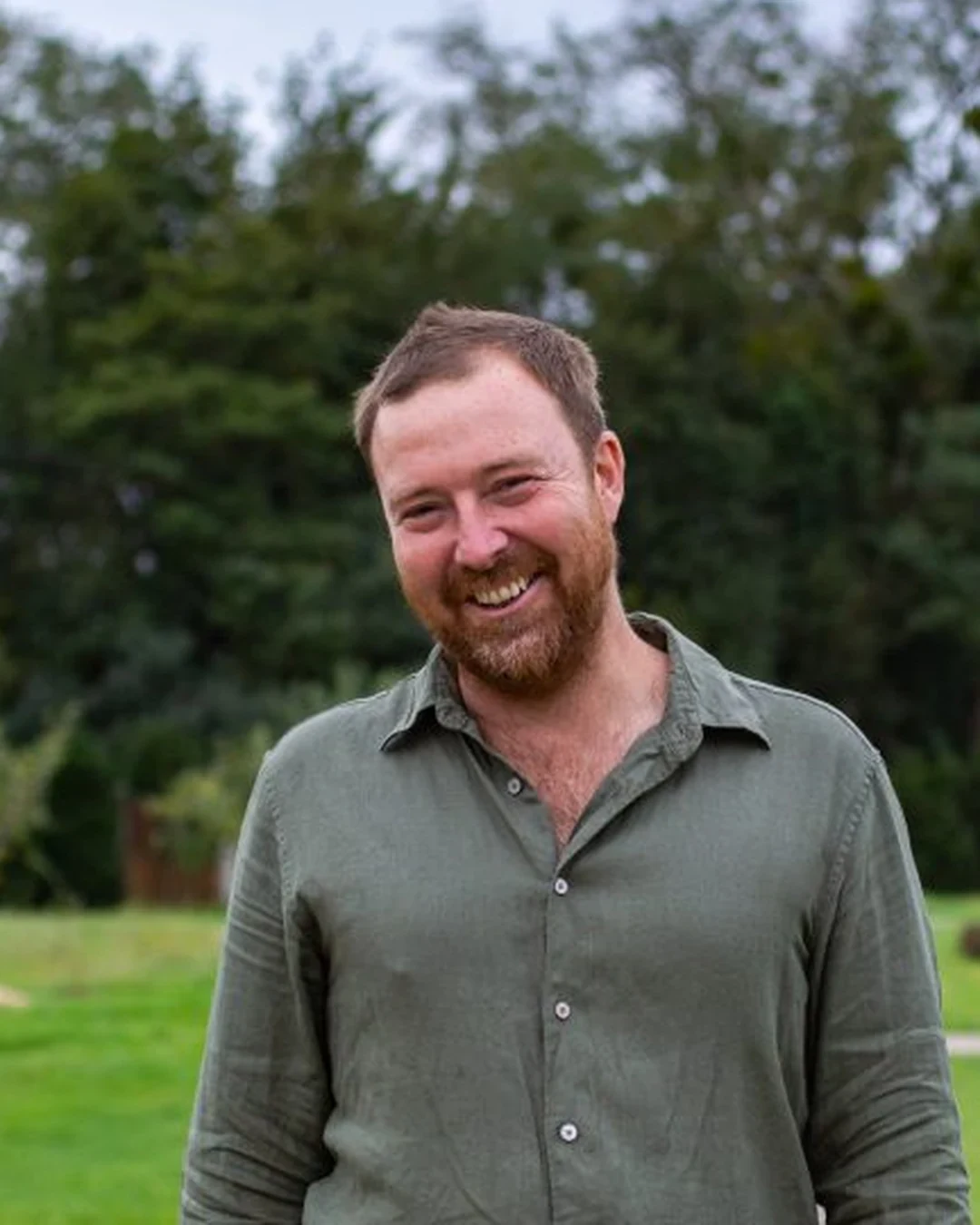
Made By profiles James Henry (Chef) and Shaun Kelly (Chef) at Le Doyenné.
How expensive is Le Doyenné?
Le Doyenné is listed at a price level of $$$$.
Where is Le Doyenné and what does it serve?
Le Doyenné is in Saint-Vrain, Saint-Vrain, serving Seasonal Farm-to-Table French Fine Dining.
The field
How it compares
| Place | Awards | Cuisine | Notes |
|---|---|---|---|
| Le Doyenné | World's 50 Best #70 | Seasonal Farm-to-Table French Fine Dining | Saint-Vrain, $$$$ |
| Mugaritz | Michelin 2 Stars, World's 50 Best | Avant-Garde Basque Fine Dining | Errenteria |
| Providence | Michelin 3 Stars, World's 50 Best | Modern Seafood Fine Dining | Los Angeles |
| Quince | Michelin 3 Stars, World's 50 Best | Modern French Fine Dining | San Francisco |
| The Glenturret Lalique Restaurant | Michelin 2 Stars | Modern Scottish Fine Dining | Crieff |
| Trèsind Studio | Michelin 3 Stars, World's 50 Best | Modern Indian Fine Dining | Dubai |
| Woven by Adam Smith | Michelin 1 Star | Modern British Fine Dining | Ascot |
In residence
Similar places
Avant-Garde Basque Fine Dining
Mugaritz
Errenteria, Spain
★★ · 50 Best
Modern Seafood Fine Dining
Providence
Los Angeles, United States
★★★ · 50 Best
Modern French Fine Dining
Quince
San Francisco, United States
★★★ · 50 Best
Modern Scottish Fine Dining
The Glenturret Lalique Restaurant
Crieff, United Kingdom
★★
Modern Indian Fine Dining
Trèsind Studio
Dubai, United Arab Emirates
★★★ · 50 Best
Modern British Fine Dining
Woven by Adam Smith
Ascot, United Kingdom
★