The Places · Page 175
Where the artisans work.

01.Distillery
Brennerei Tagwerker
Lienz, Austria
Brennerei Tagwerker in Lienz is an artisanal distillery specializing in small-batch, grain-to-glass production. Production emphasizes single-cask expressions and traditional fruit brandies; notable offerings include limited single-cask releases, seasonal fruit brandy, and cask-strength bottlings (specific product names not available). The distillery's unique selling proposition is handcrafted spirits shaped by alpine water and local provenance, delivered through intimate, appointment-only tastings. Expect aromas of dried orchard fruit, toasted grain, warm spice and a mineral backbone that evokes the East Tyrol highlands, an experience designed for collectors and discerning travelers seeking quietly refined spirits encounters.
● 1 artisanView →
02.Distillery
Private Distillery Weisz
Gols, Austria
Private Distillery Weisz operates out of Gols, a small Burgenland village that punches well above its size in Austrian wine and spirits production. Recognised with a Pearl 1 Star Prestige award in 2025, the distillery sits within one of Austria's most compelling terroir corridors, where the Pannonian plain meets the shores of the Neusiedlersee and produces raw material with a character that few Central European regions can replicate.
● 1 artisanView →
03.Winery
Antonio Camillo
Manciano, Italy
Antonio Camillo belongs to the quieter side of Maremma wine: old vines, native grapes, and cellar work that favors cement, large wood, and indigenous yeasts over polished spectacle. The draw is Ciliegiolo and other Tuscan varieties interpreted through clay soils, coastal influence, and a small artisanal frame near Manciano.
● 1 artisanView →
04.Distillery
Crowded Barrel Whiskey Co.
Austin, Canada
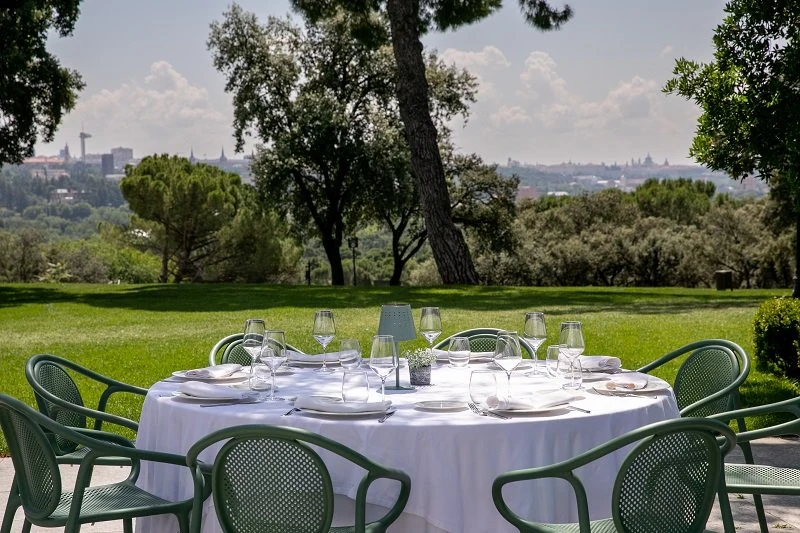
Crowded Barrel Whiskey Co. holds a Pearl 1 Star Prestige rating (2025), placing it among a select tier of craft distilleries recognized for production quality and consistency. Operating within Austin's expanding spirits scene, it represents the kind of small-format, craft-focused operation that has reshaped how the city thinks about American whiskey. Serious drinkers will find a program oriented around process and expression rather than volume.
● 1 artisanView →
05.Winery
Bodegas y Viñedos Barona
Burgos, Spain
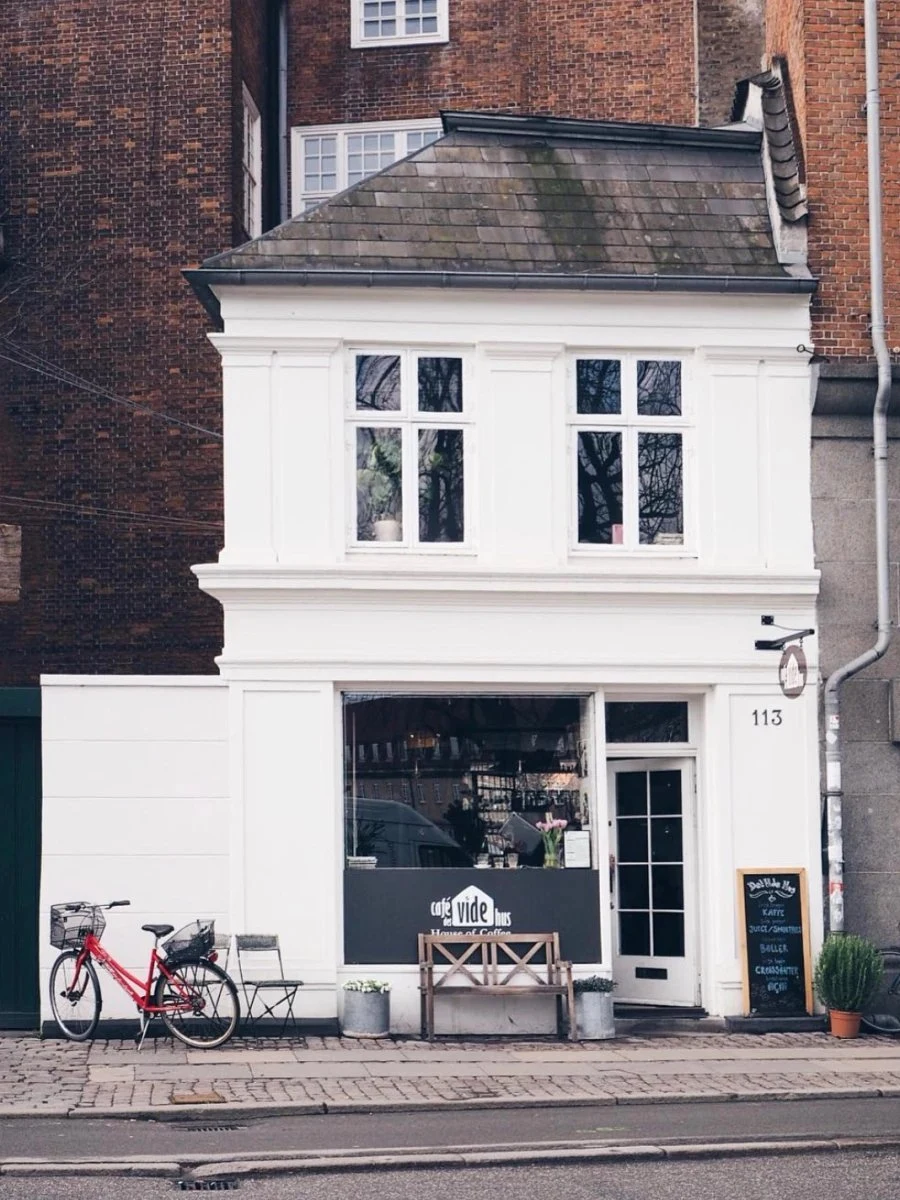
Bodegas y Viñedos Barona is a small Ribera del Duero estate in Burgos built around old-vine Tinto Fino and field-blend parcels rather than visitor-center theatre. The draw is terroir literacy: 26 hectares across 28 organically farmed sites, with vines planted from 1908 to 1948 and a quiet, appointment-led tasting format.
● 1 artisanView →06.Winery
Château L'If
Saint-Émilion, France
Château L’If sits in the quieter, production-led side of Saint-Émilion: small scale, serious vineyard work, and a Right Bank red shaped by limestone, clay, Merlot, and Cabernet Franc. The estate’s interest is not visitor theatre but precision, from its 8 hectares and 14 parcels to élevage in 50% new French oak for 12 to 16 months.
● 1 artisanView →
07.american
Mah Ze Dahr Bakery
New York City, United States
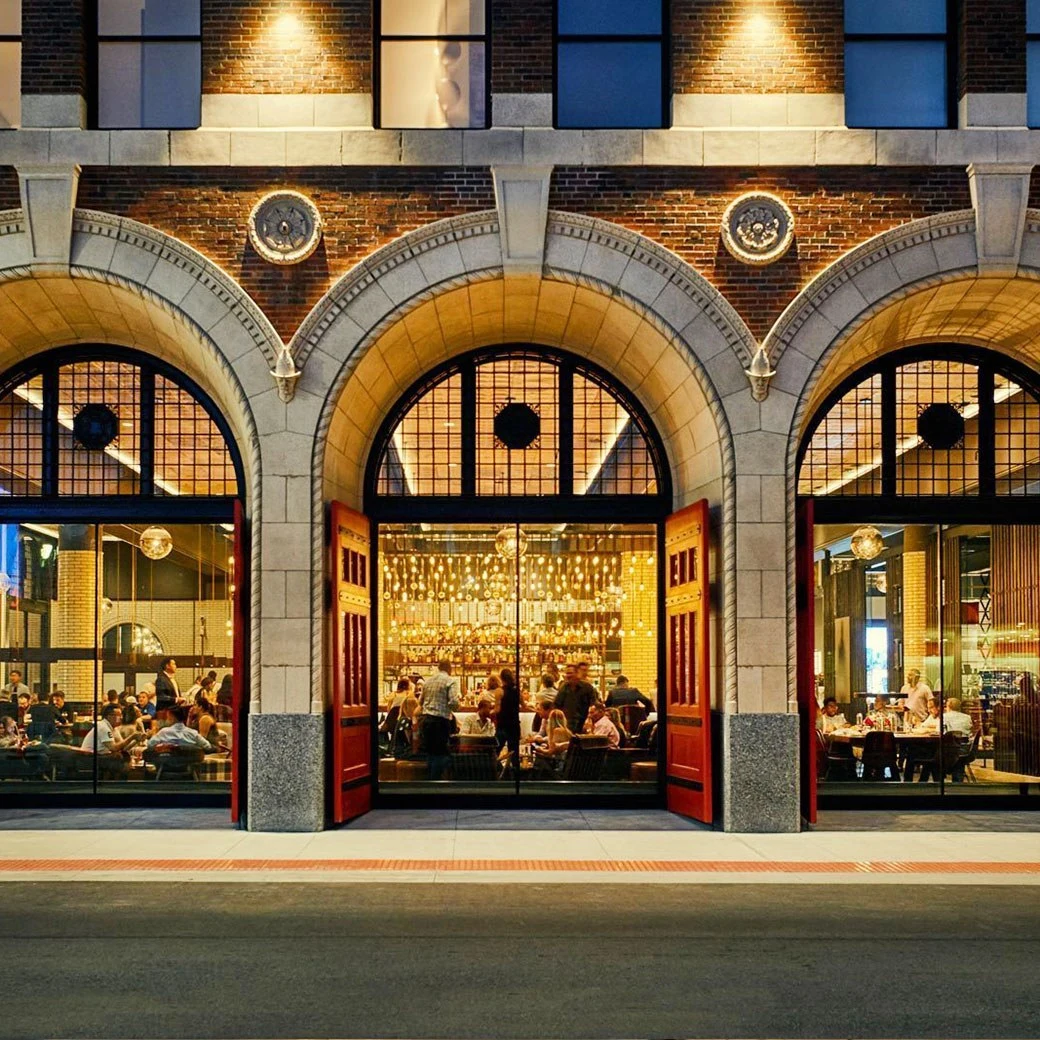
Mah Ze Dahr Bakery has held a place on Opinionated About Dining's Cheap Eats in North America list since 2023, climbing from a recommended mention to a ranked position by 2025. The 225 Liberty Street location serves the Battery Park City and Financial District corridor, where serious bakery options are thinner than in the Village or Brooklyn. Chef Umber Ahmad leads the program.
● 1 artisanView →
08.Winery
Babylonstoren
Simondium, South Africa
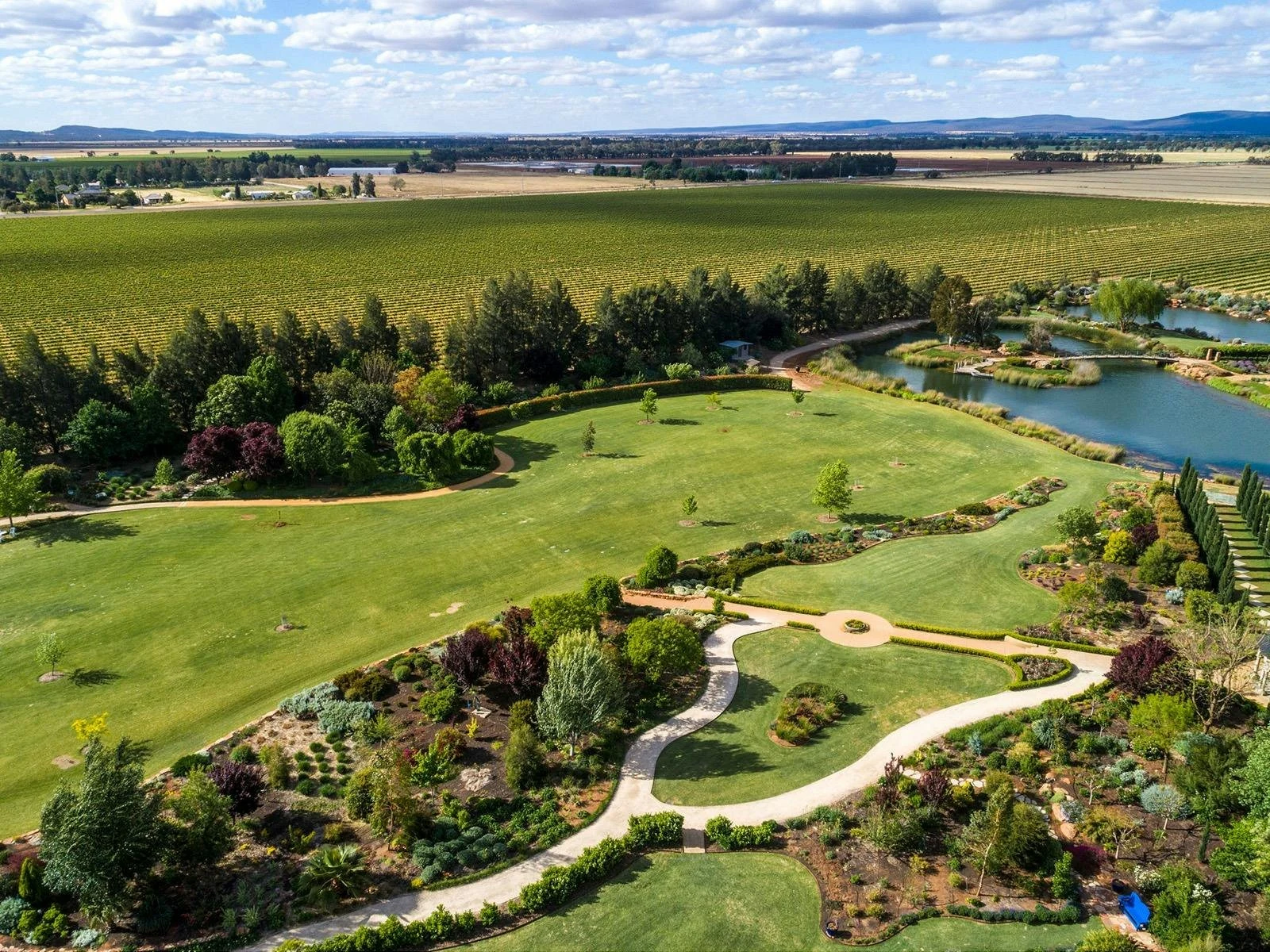
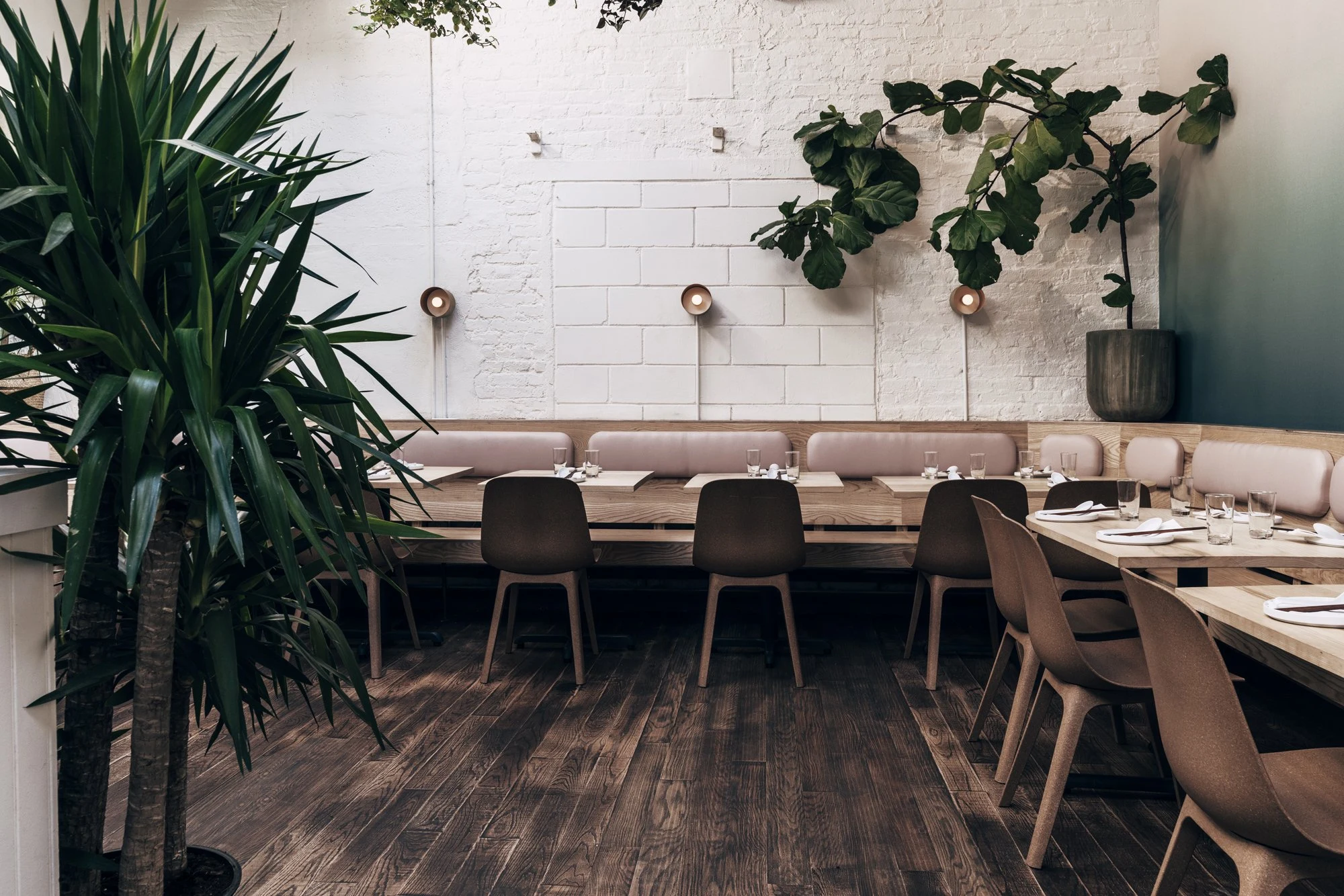
Babylonstoren sits at the intersection of working farm and restaurant, drawing its menu directly from one of the Cape Winelands' most photographed gardens. The kitchen leans on seasonal produce over technique, and the result is food that reads as honest rather than elaborate. Set on the Klapmuts-Simondium road in the Franschhoek Valley, it draws visitors from across the region for the grounds as much as the meal itself.
● 1 artisanView →09.Winery
Sevilen
Gaziemir, Turkey
Sevilen gives Gaziemir a modern winery address tied to Turkey’s Aegean and Central Anatolian wine map. The draw is less a romantic cellar myth than a large-scale producer format: vineyard sourcing across regions, guided and retail tasting, food pairing, and a restaurant atmosphere that makes the Turkish wine category easier to read in one sitting.
● 1 artisanView →
10.american
OWL Bakery
Asheville, United States
OWL Bakery on Haywood Road operates in West Asheville's most closely watched stretch of independent food businesses, drawing a 4.4-star rating across 372 Google reviews and a 2025 Pearl Recommended recognition. Chef Shinichi Ikeda leads the kitchen with an approach that reads as craft-first in a city increasingly defined by its artisan food culture. Plan arrivals early, popular items move fast at this neighborhood-scale operation.
● 1 artisanView →11.Winery
Schwoga - Weingut Schweighofer
Zistersdorf, Austria
Schwoga - Weingut Schweighofer is a small, family-run Weinviertel winery in Zistersdorf shaped by regional white varieties, hand-picked fruit, and an 800-year-old cellar. The draw is not a polished tasting complex but a rustic, tradition-led cellar experience rooted in Grüner Veltliner, Muskateller, Chardonnay, Zweigelt, and the quiet discipline of Lower Austrian wine culture.
● 1 artisanView →
12.Winery
Casa Armando Guillermo Prieto (AGP)
Tlacolula de Matamoros, Mexico
Casa Armando Guillermo Prieto (AGP) sits in Tlacolula de Matamoros, one of the Oaxacan Valley's most storied mezcal-producing corridors, and earned a Pearl 1 Star Prestige in 2025. The recognition places it among a small tier of producers where traditional method and terroir expression carry more weight than commercial scale. For visitors tracing the region's distilling tradition, AGP is a serious reference point.
● 1 artisanView →13.Winery
Corteforte
Fumane, Italy
Corteforte is a Fumane winery where Valpolicella’s hillside grammar is read through Amarone, Ripasso and estate-grown local varieties rather than through scale. The setting is an ancient fortified court with garden and vineyard atmosphere, but the more useful reason to pay attention is the small 4.5-hectare estate model, organic vineyard work and traditional appassimento frame behind the wines.
● 1 artisanView →
14.Winery
Yvon Clerget
Pommard, France
Yvon Clerget is a Burgundy wine estate included in the 2026 Michelin Grape Selection as Main Selection.
● 1 artisanView →
15.Winery
Bodegas y Viñedos Artadi
Laguardia, Spain
Bodegas y Viñedos Artadi is a serious Rioja Alavesa address for readers interested in place-led wine rather than cellar-door theatre. The focus is single-plot Tempranillo and Viura from high-elevation clay-limestone sites around Laguardia and Elvillar de Álava, with the estate’s 2015 break from DOCa Rioja giving its work a clear independent edge.
● 1 artisanView →16.Winery
Domaine des 2 Ânes
Peyriac De Mer, France
Domaine des 2 Ânes belongs to the maritime edge of Corbières, where limestone, clay, sandy deposits, garrigue and pine woods shape a quieter expression of Languedoc wine. The estate works 20 hectares under Demeter-certified biodynamic farming, with red, white and rosé wines framed by the Bages ponds, Mediterranean air and the scrubland around Peyriac De Mer.
● 1 artisanView →
17.Winery
Azienda Casale Daviddi
Montepulciano, Italy
Azienda Casale Daviddi is a traditional Montepulciano winery rooted in family viticulture and Sangiovese-led Tuscan reds. The draw is not theatrical hospitality but a classic Vino Nobile frame: Prugnolo Gentile, DOCG discipline, rustic cellar atmosphere, and a price tier that keeps the focus on regional substance rather than luxury staging.
● 1 artisanView →
18.Distillery
Brennerei Weigand
Steyr, Austria
Brennerei Weigand is a distillery in Steyr, Upper Austria, recognised with a Pearl 1 Star Prestige award in 2025. Operating within Austria's tradition of small-batch fruit and grain distillation, it sits in a tier defined by craft precision and regional character rather than commercial scale. For visitors to Steyr, it represents a grounded point of entry into the country's distilled spirits culture.
● 1 artisanView →19.Winery
Château Les Carmes Haut-Brion
Pessac Leognan Rot, France
Château Les Carmes Haut-Brion is Bordeaux city viticulture in a concentrated form: a small Pessac-Léognan estate where urban proximity, gravelly Graves terroir, and Cabernet Franc-led blending shape the argument. The visit is as much about place and architecture as wine, with heritage buildings set against a Philippe Starck-designed contemporary cellar and guided small-group formats.
● 1 artisanView →
20.Winery
Alice Bel Colle
Alice Bel Colle, Italy
Alice Bel Colle is a cooperative winery in Piedmont’s Alto Monferrato Acquese, built around Moscato, Brachetto and Barbera grown on limestone soils at hill elevation. The appeal is less luxury-cellar theatre than a direct reading of place: cooperative scale, panoramic vineyard context, dry Moscato work and an Equalitas sustainability certification from 2021.
● 1 artisanView →21.Winery
Domaine du Viking - Earl Gauthier Lhomme
Reugny, France
Domaine du Viking - Earl Gauthier Lhomme is a small Reugny winery shaped by Vouvray’s Chenin Blanc tradition, flint-heavy soils, and a rural cellar culture that prizes directness over polish. Its appeal is the contrast between modest surroundings and a serious range of dry, tender-dry, sweet, and sparkling Loire wines from a 13-hectare family estate.
● 1 artisanView →22.Winery
Colutta
Manzano, Italy
Colutta is a Friulian wine estate in Manzano shaped by the Colli Orientali del Friuli: clay-rich Eocene soils, Alpine-Adriatic exposure, and a family farming line that began its modern chapter in 1939. The visit reads as old-stone cellar culture rather than polished tasting-room theatre, with restored 18th-century fabric, modern production spaces, and a portfolio rooted in regional DOC expression.
● 1 artisanView →
23.Distillery
Strassbauer Distillery
Vienna, Austria
Strassbauer Distillery holds a Pearl 1 Star Prestige rating (2025), placing it within Vienna's specialist spirits tier where craft process and product precision carry more weight than scale. The distillery operates in a city with an established culture of small-batch production, where the gap between a working distillery and a tasting destination has narrowed considerably over the past decade.
● 1 artisanView →24.Winery
De Tomi Cristian
Sirmione, Italy
De Tomi Cristian is a small Lugana producer in Sirmione, framed by Lake Garda’s clay-calcareous soils and the Turbiana grape rather than by elaborate hospitality theatre. The appeal is direct: white wines rooted in the Lugana DOC tradition, handpicked fruit from Desenzano vineyards, and a cellar experience built around terroir, lees aging, and regional clarity.
● 1 artisanView →
25.Distillery
Bearded Wheat Distillery
Hillsboro, United States
Bearded Wheat Distillery operates out of Hillsboro, Texas, a small Hill County seat that sits well outside the state's established craft spirits corridors. Awarded a Pearl 1 Star Prestige in 2025, the distillery represents a growing pattern of recognition extending beyond Texas's urban craft drink hubs into smaller agricultural towns where grain provenance and local character define the product.
● 1 artisanView →
26.Winery
Brand Bros - Weingut Brand
Bockenheim, Germany
Brand Bros - Weingut Brand is a low-key northern Pfalz estate shaped by limestone, cool air from the Haardt massif, and a natural-wine discipline that favors organic farming, spontaneous fermentation, lees aging, and bottling without filtration. The draw is not polished cellar-door tourism; it is a rural Bockenheim setting where Riesling, Sylvaner, Müller-Thurgau and Pinot varieties are read through soil and climate rather than gloss.
● 1 artisanView →27.Winery
Domaine du Vieux Moulin
Motier Vully, Switzerland
Domaine du Vieux Moulin is a historic family winery in Motier Vully, shaped by Vully’s lake-influenced climate, limestone and sandstone geology, and a cellar culture that favors direct hospitality over display. Its appeal lies in regional AOC Vully wines across red, white, rosé, and sparkling styles, with the sandstone rock cellar giving the tasting experience a grounded sense of place.
● 1 artisanView →
28.Winery
Bodegas Callia
San Juan, Argentina
Bodegas Callia reads San Juan through fruit, sunlight, and water discipline rather than old-estate mythology. Founded in 2002 and tied to the Salentein Family of Wines, it works in the Tulum Valley with arid conditions, high sun exposure, and sustainable irrigation shaping an accessible Malbec-led portfolio.
● 1 artisanView →
29.Winery
Azienda Agricola La Magnolia
Spessa Di Cividale, Italy
A family-run Friuli estate in Spessa Di Cividale, Azienda Agricola La Magnolia reads the Colli Orientali through estate-grown fruit, native grapes, and a hospitality style closer to agritourism than spectacle. The point here is terroir: northern air, Adriatic warmth, and mixed marl, sandstone, and calcareous clay shaping a portfolio that ranges from Ribolla Gialla and Pignolo to barrel-aged Ubi Es.
● 1 artisanView →30.Winery
Shannon Vineyards
Elgin, South Africa
Shannon Vineyards gives Elgin’s cool-climate argument a clear shape: river boundary, mountain air, morning mist, and a compact 10 hectares under vine. The estate’s identity is built around site expression rather than volume, with Sauvignon Blanc, Pinot Noir, Chardonnay, Semillon, and Merlot in the frame and Gordon Newton Johnson and Nadia Newton Johnson attached to the winemaking.
● 1 artisanView →
31.Distillery
Kazakis Distillery
Limnos, Greece
Kazakis Distillery operates on Limnos, a North Aegean island whose volcanic soils and dry winds shape spirits and wines with a distinctly mineral, salt-edged character. Recognised with a Pearl 1 Star Prestige in 2025, it sits among a small tier of Greek producers drawing international attention to the island's underappreciated terroir. For visitors making the crossing to Limnos, a stop here is a direct encounter with what this landscape tastes like.
● 1 artisanView →
32.Winery
Rampoldi
Napa, United States
Rampoldi earned a Pearl 1 Star Prestige in 2025, placing it among a small tier of recognized dining addresses in Napa. The restaurant operates at the intersection where California's agricultural depth meets refined technique, drawing guests who approach the valley as seriously for its table as for its wine. For the full picture of Napa's dining scene, see our city guide.
● 1 artisanView →
33.Hotel
Château d'Isenbourg
Rouffach, France
A medieval hilltop château above the Alsace wine route, Château d'Isenbourg earned Gault & Millau's Exceptional Hotel designation (5pts, 2025), placing it among a small tier of French properties recognised for architectural integrity and hospitality depth. The setting, vineyard terraces, Romanesque stonework, and Rhine plain views, does more editorial work than any amenity list could.
● 1 artisanView →34.Winery
Schmelzer's Weingut
Gols, Austria
Schmelzer's Weingut is a fourth-generation biodynamic winery in Gols, shaped by Lake Neusiedl, dry-farmed vineyards, and a mixed permaculture farm of vines, fruit trees, vegetables, bees, chickens, and sheep. The cellar works in a low-intervention register: hand harvest, spontaneous fermentation, neutral oak, skin contact, pét-nat, unfiltered bottlings, and zero added sulfur across much of the range.
● 1 artisanView →35.Winery
Selendi
Istanbul, Turkey
Selendi belongs to the quieter side of contemporary Turkish wine: small-scale, organic-minded, and tied to Narince rather than international-variety spectacle. Its Aegean vineyard setting near Akhisar gives the story more force than the Istanbul listing suggests, with Moralılar and Sarnıç shaping a portfolio built around still whites, still reds, and estate-grounded restraint.
● 1 artisanView →
36.italian
Il Laboratorio del Gelato
New York City, United States
On Ludlow Street in the Lower East Side, Il Laboratorio del Gelato has spent two decades producing small-batch gelato at a standard that Opinionated About Dining has ranked among North America's notable cheap eats every year from 2023 through 2025. The operation runs on a rotating catalogue of flavors that shifts with season and availability, placing it firmly outside the soft-serve and novelty-flavor tier that dominates New York's frozen dessert market.
● 1 artisanView →37.Winery
Clos Canarelli
Figari, France
Clos Canarelli gives Figari a serious Corsican wine address rather than a polished tourism stop. The estate’s appeal is terroir-first: granitic soils, Mediterranean wind, biodynamic farming, and a portfolio built around native grapes such as niellucciu, sciacarellu, vermentinu, carcaghjolu neru, minustello, and moresconu.
● 1 artisanView →
38.Winery
Bodega Viña Tuelda
Villatuelda, Spain
Bodega Viña Tuelda is a Ribera del Duero winery in Villatuelda shaped by Tempranillo, high-elevation vineyards, clay-limestone soils, manual harvest, and oak aging in French and American barrels. Its interest lies less in spectacle than in the Burgos side of the denomination: old vines, severe seasonal contrast, and a disciplined focus on Tinto Fino expression.
● 1 artisanView →
39.Winery
Berton Vineyards
Yenda, Australia
Berton Vineyards gives Yenda a cellar-door experience rooted in Riverina practicality rather than cellar mythology: relaxed tastings, approachable award-winning wines, and a historic 1945 winery building. The interest is the contrast between warm-climate Riverina generosity and cooler High Eden fruit, with a portfolio that reads as accessible Australian wine made with regional range.
● 1 artisanView →
40.Winery
Domaine Buisson-Charles
Meursault, France
Patrick Essa's 2022 relaunch of Domaine Buisson-Charles brings indigenous-yeast, minimal-sulfur Meursault white inside the Côte de Beaune.
● 1 artisanView →
41.Distillery
Phillips Distillery
Pinkafeld, Austria
Phillips Distillery in Pinkafeld, Austria holds a Pearl 1 Star Prestige award (2025), placing it among a recognized tier of Austrian craft producers in the Burgenland region. Operating in a part of Austria better known for its wine culture than its distilling heritage, Phillips represents a small but growing cohort of producers working outside the country's established wine corridors. A focused destination for those tracing Austria's craft spirits scene.
● 1 artisanView →
42.bakery-cafe
Loste Café
Milan, Italy
Loste Café on Via Francesco Guicciardini has appeared in Opinionated About Dining's Cheap Eats in Europe list three consecutive years (2023 to 2025), placing it among the most consistently recognised affordable addresses in Italy. Open daily from 8 am to 3 pm, it operates in the morning-to-lunch register that defines Milan's working café culture, where the counter matters as much as what's on it.
● 1 artisanView →43.Winery
Schödl Family
Loidesthal, Austria
Schödl Family gives Loidesthal a contemporary natural-wine accent: organic-biodynamic farming, small-batch estate production, and a clear focus on sparkling, pét-nat, skin-contact and still white wines. The draw is not spectacle but the way loess, chalky clay, sandstone and low-intervention cellar work are treated as one continuous system.
● 1 artisanView →44.Winery
Sherma Family Wine
Gori, Georgia
Sherma Family Wine brings a quiet natural-wine lens to Gori, a central Georgian city outside the country’s more familiar wine-tourism circuits. The family winery began commercial production in 2020, works at small scale, and focuses on Krakhuna and Tavkveri with wild-yeast, unfiltered winemaking rather than polished cellar theatre.
● 1 artisanView →
45.Distillery
Filippou Distillery
Lesvos, Greece
Filippou Distillery holds a Pearl 1 Star Prestige (2025), placing it among the recognized producers operating out of Lesvos, an Aegean island with a centuries-old tradition in anise spirits. As one of the more decorated operations on an island where distillation is embedded in the agricultural and social fabric, it represents the local craft at a level of distinction that few producers on the island reach.
● 1 artisanView →
46.Winery
Cantina di Monteforte
Monteforte d'Alpone, Italy
Cantina di Monteforte is a cooperative winery in Monteforte d'Alpone, built around Soave’s volcanic basalt and the calcareous hills tied to Valpolicella. Its scale, 600 associated growers and roughly 1,200 hectares, gives the visit a practical, territorial character rather than a boutique performance.
● 1 artisanView →
47.Winery
Alfred Markus Deim
Schonberg, Austria
Alfred Markus Deim belongs to the older, family-run side of Lower Austrian wine culture: vaulted cellar, estate-grown fruit, hand harvest, and a tasting room built around Kamptal and Wachau expression rather than spectacle. The draw is terroir literacy, especially Grüner Veltliner and Riesling from a producer first documented in 1772 and noted by wein.plus for regional quality.
● 1 artisanView →
48.Hotel
Detroit Foundation Hotel
Detroit, United States
Detroit Foundation Hotel occupies a 1929 fire station on West Larned Street, converting its industrial bones into one of downtown's most architecturally coherent hotels. Selected by the Michelin Guide for 2025, it sits within a cohort of adaptive-reuse properties reshaping Detroit's accommodation offer. The address puts guests within walking distance of the riverfront and the city's core cultural institutions.
● 1 artisanView →49.Winery
Sgreva
Sirmione, Italy
Sgreva is a family-owned Sirmione winery founded in 1962, with Lugana DOC at the center of its identity and Lake Garda’s clay-rich southern shore as the governing influence. The experience is small-scale and guided, linking vineyard, cellar, Turbiana whites, Chiaretto rosé, and local pairings into a clear reading of place rather than a generic tasting-room stop.
● 1 artisanView →
50.Winery
Benoît Dorsaz
Fully, Switzerland
Benoît Dorsaz belongs to the small-estate side of Valais wine: compact, rural, and focused on Fully’s Alpine terraces rather than scale. The draw is terroir expression through Petit Arvine, Chasselas, Cornalin, Humagne Rouge, Syrah, and other varieties, shaped by biodynamic farming, indigenous yeasts, prolonged maturation, and a 2025 handover that keeps the estate in a continuity-minded phase.
● 1 artisanView →51.Winery
Domaine de l'Ecu
Le Landreau, France
Domaine de l’Ecu is a biodynamic Muscadet estate in Le Landreau, read through soil rather than polish: Melon de Bourgogne, gneiss, granite and orthogneiss are the point. Its interest lies in the Loire’s natural-wine current, where long organic history, Demeter biodynamics and amphora work turn a white-wine appellation into a study in geological precision.
● 1 artisanView →52.Winery
Château La Gorce
Aquitaine, France
Château La Gorce gives the northern Médoc a grounded, estate-grown reading: Merlot-led red Bordeaux from sand, gravel and clay, shaped by Cru Bourgeois discipline rather than grand-château theatre. Its appeal is the continuity between an 1821 chartreuse, a 45–48 hectare vineyard base, organic conversion and a guided tasting format that keeps the focus on land, cellar and classification.
● 1 artisanView →
53.Winery
Borgodangelo
Sant'Angelo All'Esca, Italy
Borgodangelo is a family-owned Irpinian winery in Sant'Angelo All'Esca, working in the Campanian tradition of Aglianico, Fiano and Greco rather than international-varietal gloss. The draw is terroir: volcanic soils, hilly vineyards around Taurasi and Luogosano, and a compact production scale that keeps the emphasis on DOCG reds and whites with regional identity.
● 1 artisanView →54.Winery
Sebastian Volz Winery
Essingen, Germany
Sebastian Volz Winery in Essingen reads as a Pfalz estate built around vineyard work rather than hospitality theatre. The draw is its organic direction, 28 hectares of contiguous vineyards, hand-picked fruit, Pfälzer oak, and a tiered range that moves from easy Daily Blend wines to parcel- and vintage-selected Grand Vue bottlings.
● 1 artisanView →
55.Winery
Aia delle Monache
Castel Campagnano, Italy
Aia delle Monache belongs to the quieter, more agricultural side of Campanian wine: small-scale, natural-leaning, and tied to Casertano grapes rather than visitor-center polish. Its interest lies in Pallagrello, Casavecchia, and Asprinio grown around Castel Campagnano, with production shaped by hillside vineyards, native yeasts, and a deliberately modest cellar footprint.
● 1 artisanView →
56.Winery
Viña Garcés Silva (Amayna)
San Antonio, United States
Viña Garcés Silva, producing under the Amayna label, is a Chilean winery operating in the cool-climate San Antonio Valley, where Pacific fog and lean soils shape restrained, precise whites and reds. A 2025 Pearl 1 Star Prestige award places it among a selective tier of producers drawing serious collector attention. For those tracking cool-climate South American viticulture, this is a reference-point address.
● 1 artisanView →57.Winery
Château Girolate
Naujan Et Postiac, France
Château Girolate is a modern Bordeaux estate in Naujan Et Postiac, focused on dense, oak-aged Merlot from old vines in Entre-Deux-Mers. Its point of interest is not château pageantry but terroir argument: clay-limestone soils, high-density planting, organic certification since 2005, and a low-volume red that pushes the appellation beyond its value-driven reputation.
● 1 artisanView →
58.Winery
Carmen
Las Condes, Dominican Republic
Carmen reads as a heritage-led winery page in Las Condes, with its strongest editorial value in the way Chilean terroir, Carménère, Cabernet Sauvignon and long institutional history meet. Founded in 1892 and linked to Santa Rita Estates, it belongs to the tradition-minded side of Chilean wine rather than the experimental fringe.
● 1 artisanView →
59.Winery
Bodegas Mitarte
Labastida, Spain
Bodegas Mitarte is a family-run Rioja Alavesa winery in Labastida, shaped by estate vineyards, old Tempranillo vines and the calcareous-clay discipline of the area. The appeal is not spectacle but a grounded reading of place: carbonic maceration, oak-aged reds and a rural tasting atmosphere that keeps the focus on vineyard character rather than cellar theatrics.
● 1 artisanView →
60.Winery
Alt Wiener Schnapsmuseum
Vienna, Austria
Alt Wiener Schnapsmuseum on Wilhelmstraße in Vienna's 12th district is a dedicated schnapps museum occupying a category of its own among the city's spirits destinations. The venue holds a Pearl 1 Star Prestige award (2025), placing it in a specialist tier where depth of tradition and format discipline matter more than scale. For visitors tracing Austria's distilling heritage, it belongs on the same itinerary as the city's serious wine estates.
● 1 artisanView →