The Places · Page 174
Where the artisans work.

01.Winery
Pallini
Rome, Italy
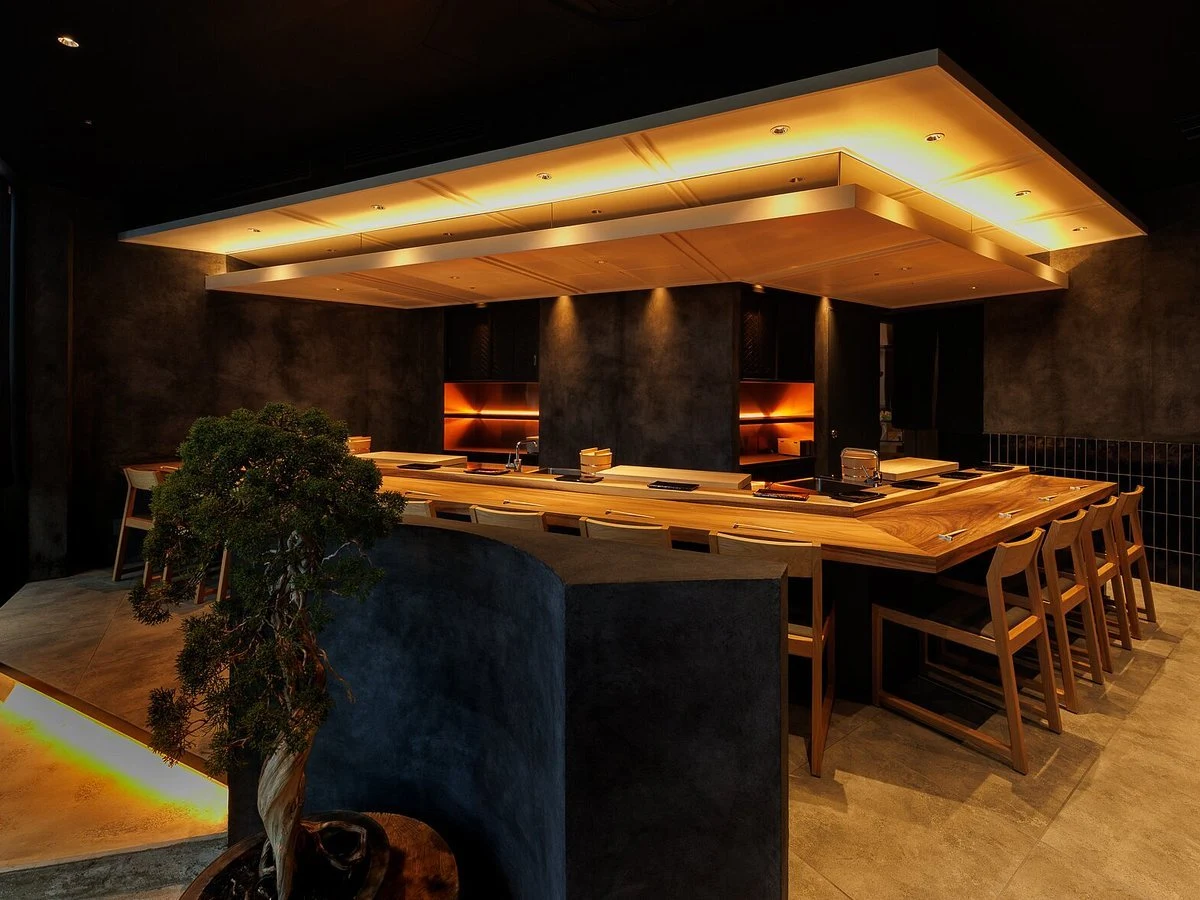
Pallini holds a Pearl 1 Star Prestige (2025) and sits in Rome's Ostiense-adjacent quarter along Via Enrico Pallini, positioning it within the city's growing cohort of recognized prestige venues outside the historic centre. Sparse practical details in the public record make advance research advisable before visiting.
● 1 artisanView →
02.Hotel
Bedford Post Inn
Bedford, United States
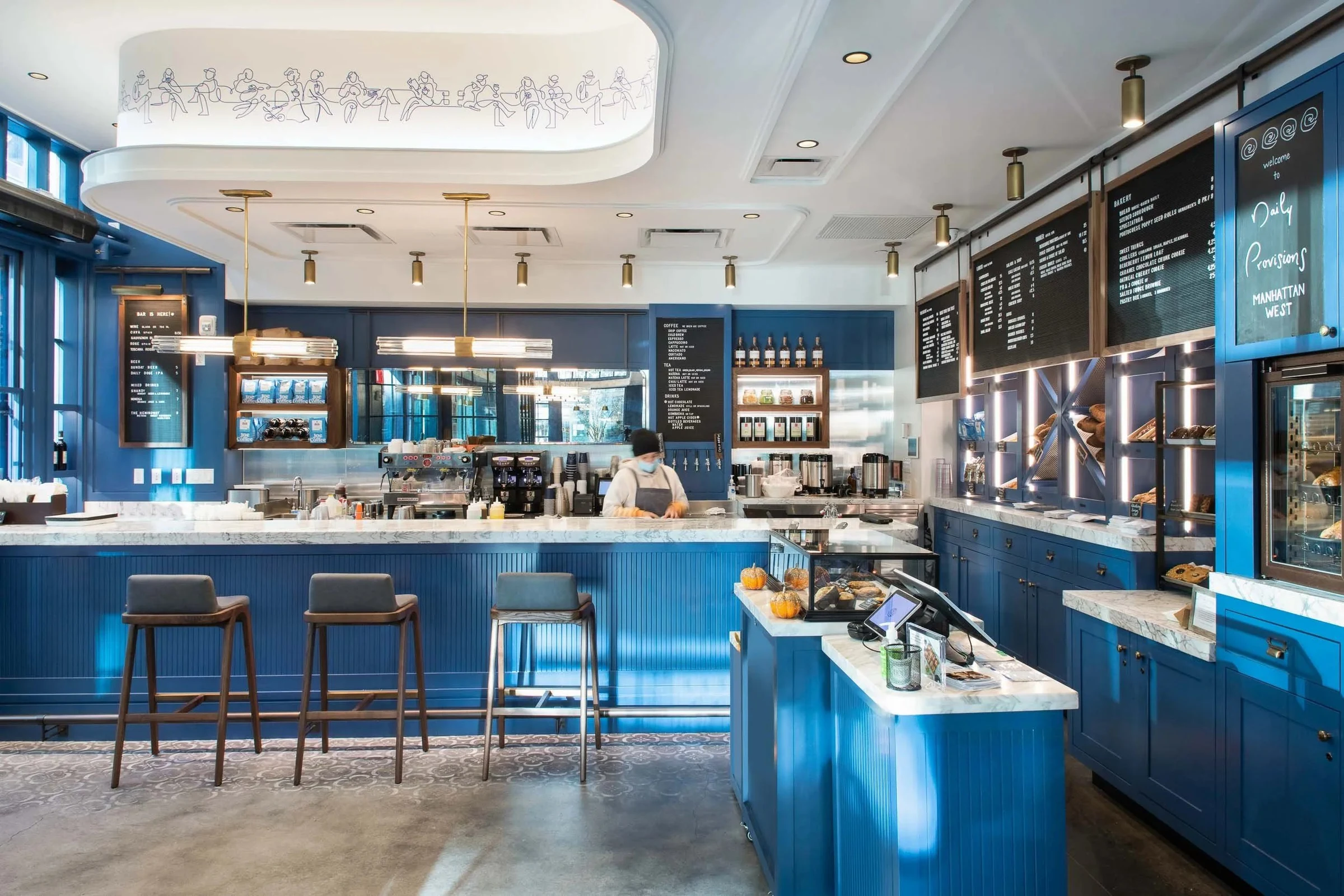
An hour from Manhattan in the horse-country village of Bedford, New York, Bedford Post Inn occupies a quietly composed historic property with rates from US$886 per night. The draw is specific: stone-and-timber architecture, a sun-drenched yoga studio, and a remove from the city that feels deliberate rather than incidental. EP Club members rate it 3.9 out of 5.
● 1 artisanView →
03.Winery
Bodega Goyenechea
San Rafael, United States
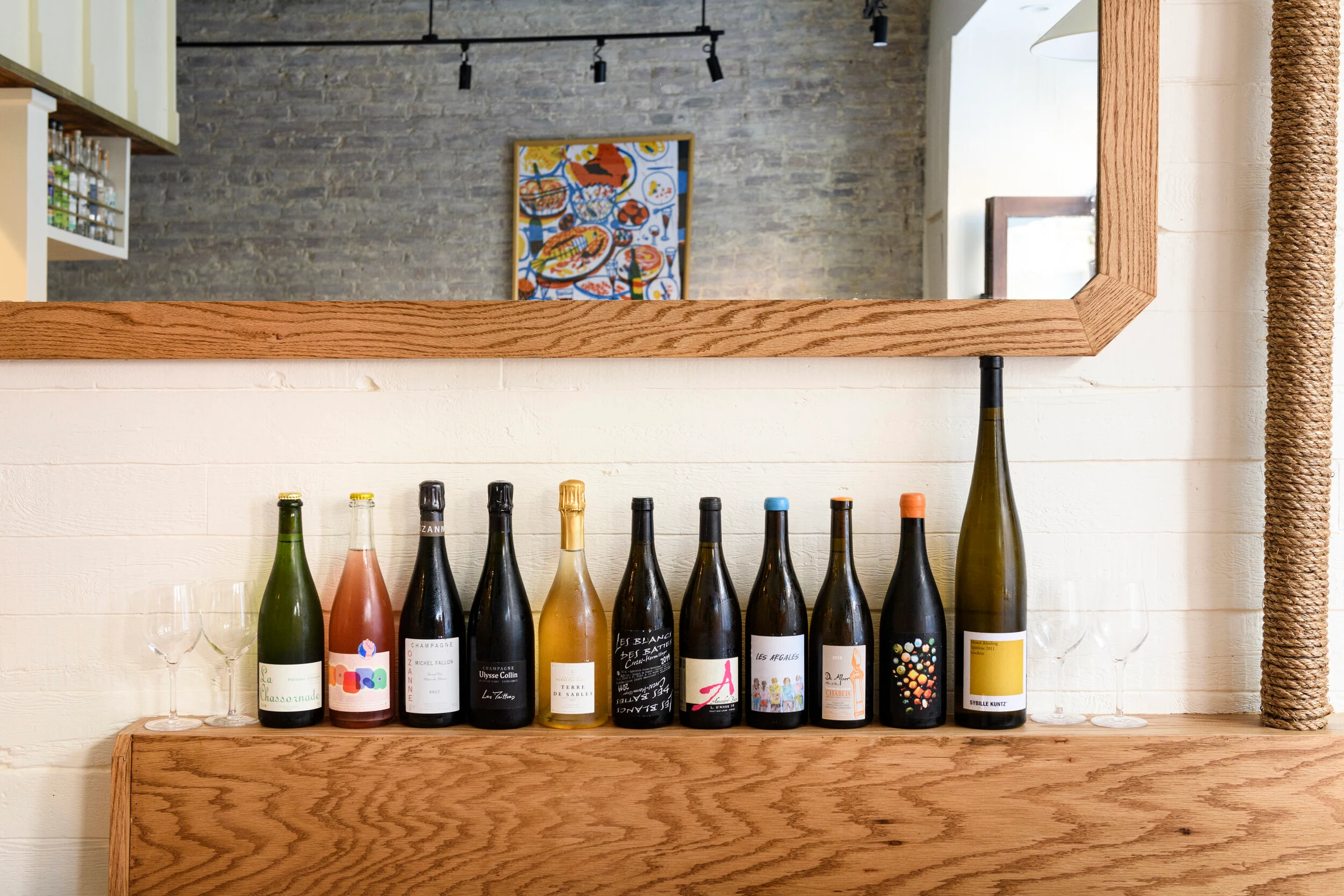
Bodega Goyenechea holds a Pearl 1 Star Prestige rating from 2025, placing it among a small cohort of recognized producers in San Rafael, California. The winery operates in a region where continental climate extremes and elevation shape vine character in ways distinct from California's coastal appellations. For visitors planning a wine-focused itinerary in San Rafael, Goyenechea warrants serious attention alongside the area's other prestige-tier estates.
● 1 artisanView →
04.other
La Cabra Bakery
New York City, United States
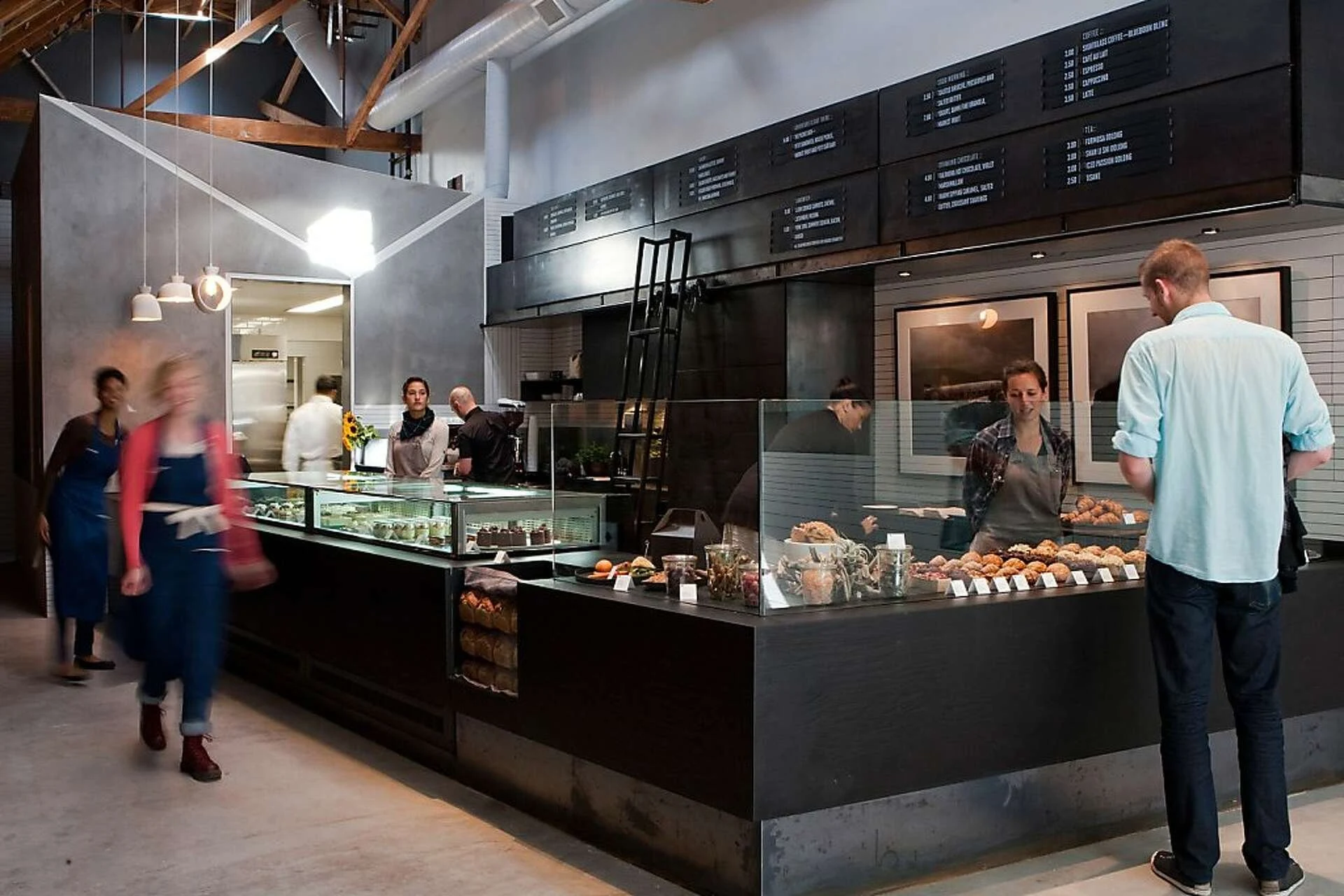
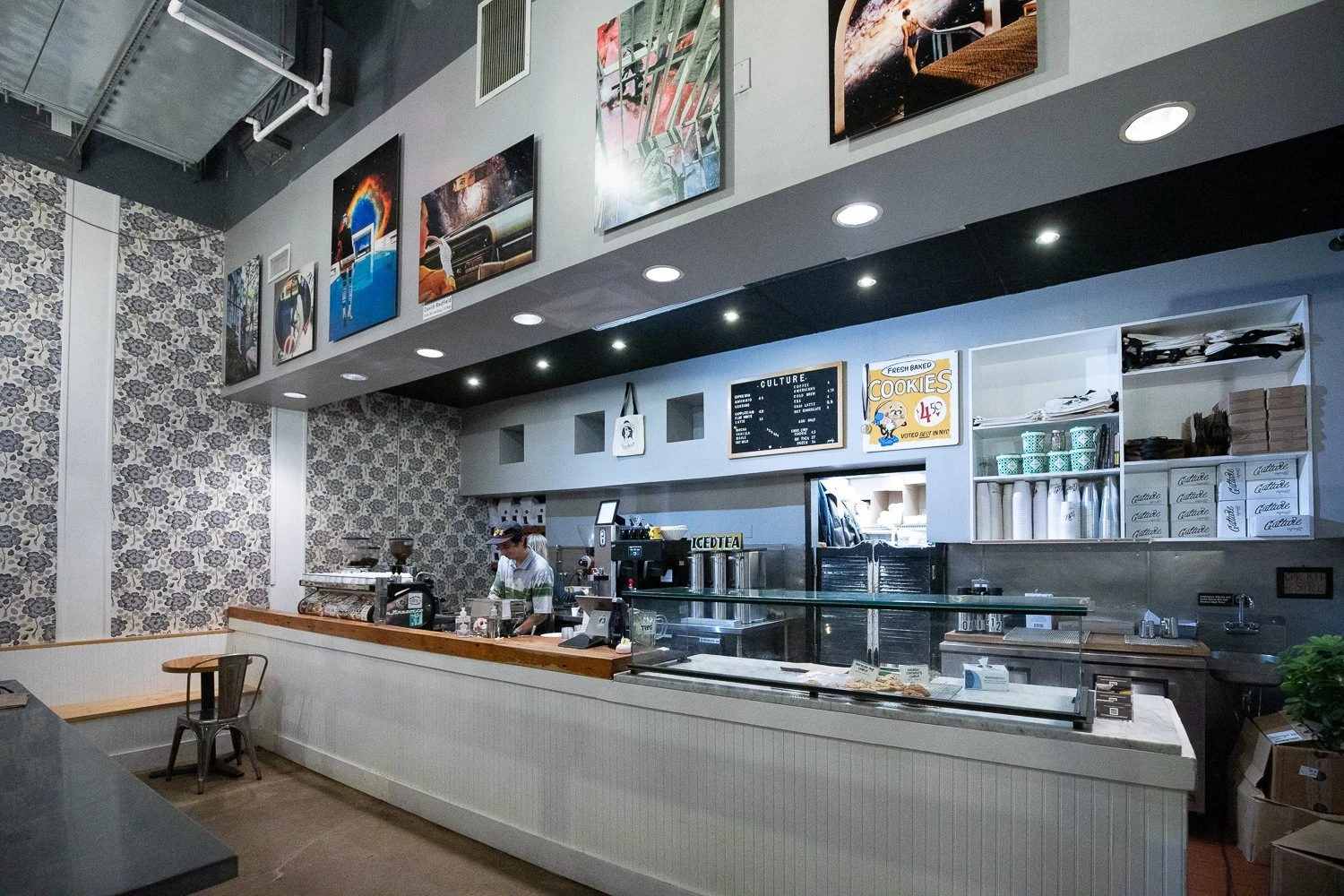
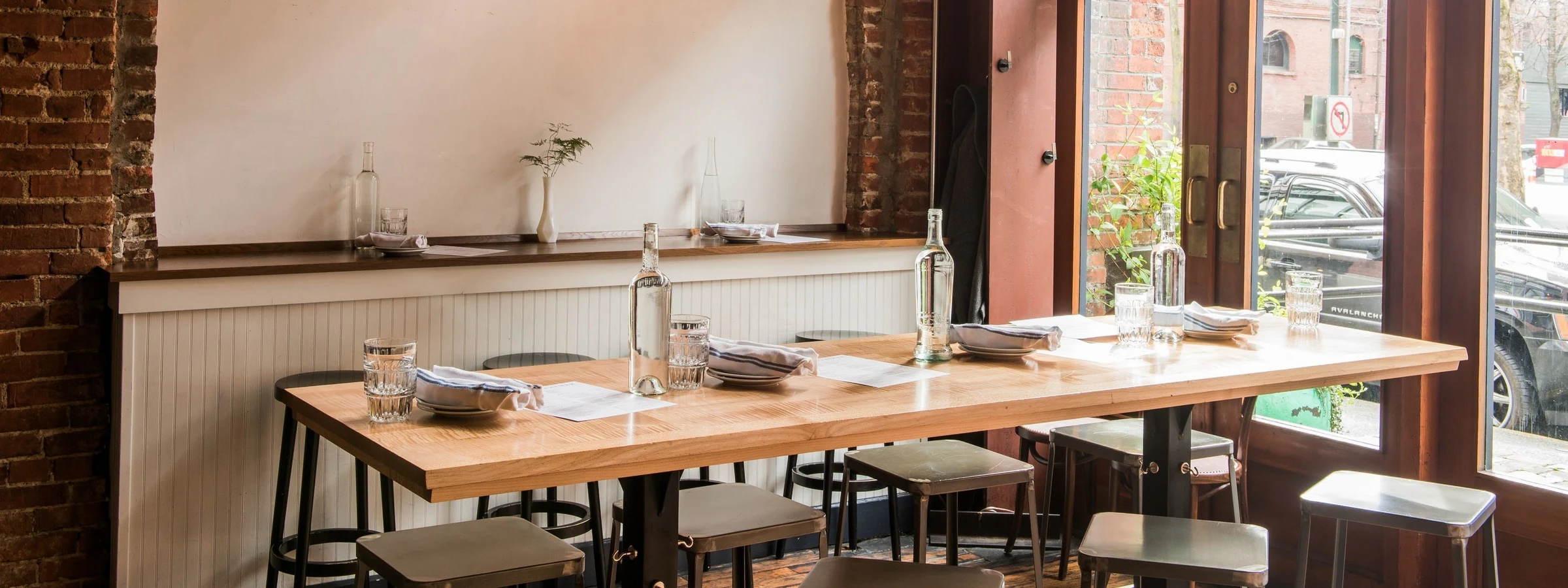
La Cabra Bakery on East 12th Street has built a following in the East Village that extends well beyond its neighbourhood, earning Opinionated About Dining recognition in 2025 for Cheap Eats in North America. Under Jared Sexton and Rachel Lowery, the bakery operates in the tradition-forward tier of New York's increasingly serious bread and pastry scene, where sourcing discipline and process matter as much as output.
● 1 artisanView →
05.Distillery
Fernet Capri Distillery
Córdoba, Spain
Fernet Capri Distillery is one of Córdoba's recognised spirits producers, holding a Pearl 1 Star Prestige award (2025) from EP Club. Operating within a small cohort of Andalusian distilleries pushing craft production into a region better known for wine and sherry, it represents a shift in how southern Spain's drinks scene is being mapped by serious tasters.
● 1 artisanView →
06.Winery
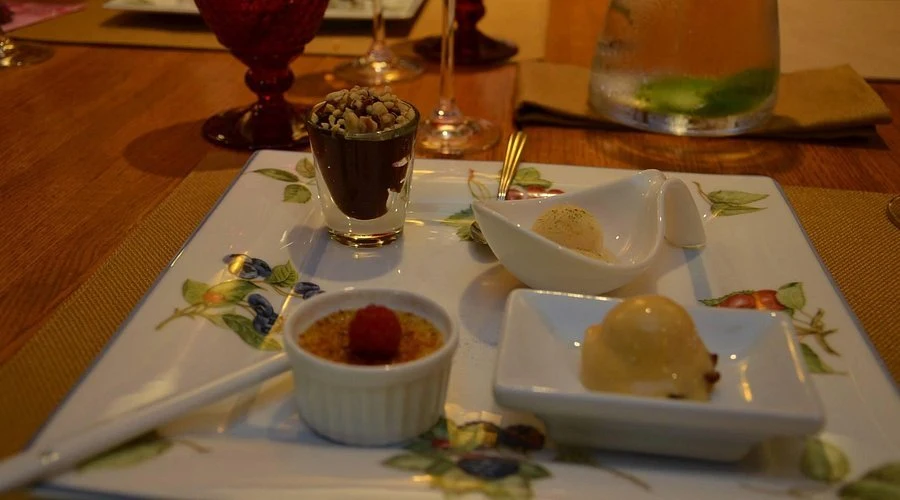
Kutjevo
Kutjevo, Croatia
Kutjevo is better read through its wine country than through a conventional venue checklist. With no published database details for pricing, awards, winemaker, cuisine, or booking channels, the value lies in the town’s Slavonian context: Graševina country, continental weather, and a slower cellar-door rhythm that rewards travelers who plan ahead.
● 1 artisanView →
07.Distillery
Tito’s Handmade Vodka (Distillery)
Austin, Canada
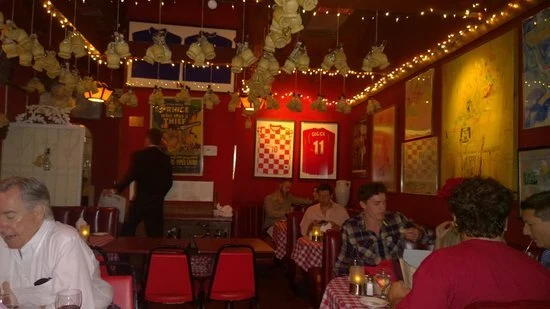
Tito's Handmade Vodka in Austin, Texas is a craft distillery known for a 100% corn mash bill and traditional copper pot still distillation. Its signature offering, Tito's Handmade Vodka (80 proof), is distilled six times for a clean, smooth profile with subtle sweetness and exceptional mixability. The distillery foregrounds small-batch roots, a civic-minded Tito's Prize for Austin artists and the Vodka for Dog People philanthropic program. Sensory notes lean toward silky texture, neutral grain clarity and bright, faintly sweet corn character, ideal neat, on the rocks or as the backbone of classic cocktails.
● 1 artisanView →08.Winery
Seresin Estate
Hawkesbury, New Zealand
Seresin Estate sits in Hawkesbury within Marlborough’s cool-climate wine country, with a rural, quiet estate atmosphere and a production identity shaped by organic and biodynamic farming. The draw is not cellar-door theatre but a sense of place: vineyard and mountain views, still wines led by Sauvignon Blanc, Pinot Noir, Chardonnay, Riesling and Pinot Gris, and a format built around arranged access rather than casual drop-ins.
● 1 artisanView →
09.Hotel
Andaz 5th Avenue
New York City, United States
Positioned directly across from the New York Public Library on Fifth Avenue, Andaz 5th Avenue occupies one of Midtown Manhattan's most legible cultural addresses. Part of Hyatt's design-led Andaz brand, the 184-room property trades grand-hotel formality for a residential aesthetic shaped by Tony Chi, with a lobby lounge library, an artist-in-residence mural program, and 54 suites, many with private balconies overlooking Bryant Park.
● 1 artisanView →10.Winery
Dolcevera
Negrar, Italy
Dolcevera is a small family-run Valpolicella estate in Negrar, shaped around the Villa di Negrar hills rather than scale or spectacle. Expect a cellar-and-tasting-room format focused on Corvina-led reds, appassimento traditions, and a close reading of clay, limestone, altitude, and exposure in the glass.
● 1 artisanView →
11.Winery
Pisco Control C
Paihuano, Chile
Pisco Control C holds a Pearl 1 Star Prestige rating (2025) and operates from Paihuano, one of Chile's northernmost pisco-producing valleys in the Elqui region. The operation sits within a growing cohort of artisan distillers reframing Chilean pisco as a craft spirit worthy of serious attention, placing it alongside specialist producers across the Atacama and Coquimbo regions.
● 1 artisanView →12.Winery
Domaine Frôté
Neuenstadt, Switzerland
Domaine Frôté belongs to the quieter side of Swiss wine: small-scale, family-run, and tied to the limestone slopes around Lake Biel rather than visitor infrastructure. The estate works four hectares of vines, produces Chardonnay, Pinot Noir and Rosé de Garide, and ages its cellar-worthy wines in the 16th-century Tour Carrée.
● 1 artisanView →13.Winery
Domaine Ancely Bernard
Siran, France
Domaine Ancely Bernard is a small Minervois estate in Siran, shaped by the Languedoc’s limestone, heat, and family-scale viticulture rather than tasting-room theatre. Its interest lies in the shift from cooperative-era grape growing to estate bottled production, with 22 hectares split mainly between red varieties and a smaller white-wine component led by Grenache Blanc.
● 1 artisanView →
14.Distillery
Magna Distillery
Drama, Greece
Magna Distillery holds a Pearl 1 Star Prestige award (2025), placing it among the recognised producers operating out of Drama, northern Greece's emerging spirits and wine region. The distillery sits in a part of Greece where aromatic grape varieties and continental growing conditions create a distinct production identity, separating Drama's output from the country's better-known southern appellations.
● 1 artisanView →15.Winery
Château Rocher Corbin
Montagne Saint Emilion, France
Château Rocher Corbin is a small right-bank Bordeaux estate in Montagne Saint Emilion, shaped less by visitor theatre than by vineyard detail. Its strongest argument is terroir: a 10.5-hectare single block on the western slope of Mount Calon, old Merlot, Cabernet Franc support, sustainable farming, spontaneous fermentation and a sulfur-free approach since 2017.
● 1 artisanView →
16.Winery
Casaloste
Panzano In Chianti, Italy
Casaloste is a small family-run winery in Panzano in Chianti, shaped around estate-grown Sangiovese, organic farming since 1993, and guided tastings that keep the focus on land rather than spectacle. The draw is the Chianti Classico frame: 18 hectares in total, 10 hectares of DOCG vineyards, red-wine production, and a Gran Selezione made in limited annual volume.
● 1 artisanView →
17.Distillery
Kiesel Distillery
Sigless, Austria
Kiesel Distillery in Sigless, Austria, earned a Pearl 1 Star Prestige award in 2025, placing it among a select tier of Austrian craft producers operating outside the country's more familiar wine corridors. For those tracing the quieter edges of Austrian spirits production, Sigless offers a counterpoint to the well-documented Wachau and Burgenland trails.
● 1 artisanView →
18.other
Juno the Bakery
Copenhagen, Denmark
Ranked third among Europe's cheap eats by Opinionated About Dining in 2025, Juno the Bakery in Copenhagen's Nordhavn district has held a top-six position on that list for three consecutive years. Open Tuesday through Sunday from Århusgade 48, it represents the city's serious commitment to bread as a craft rather than a commodity.
● 1 artisanView →
19.Winery
Casanova di Neri
Montalcino, Italy
Casanova di Neri belongs to the serious Brunello conversation in Montalcino: a polished tasting setting tied to estate-grown Sangiovese, gravity-flow cellar work, and a seven-vineyard reading of local soils. Its reputation rests on single-vineyard Brunello, including Tenuta Nuova and Cerretalto, with Wine Spectator’s 2006 Wine of the Year for the 2001 Tenuta Nuova giving the estate a clear global signal.
● 1 artisanView →20.Winery
Château Pontac Monplaisir
Villenave D Ornon, France
Château Pontac Monplaisir gives Pessac-Léognan a quieter register: family-run, historically rooted, and focused on the gravel-soil clarity that defines this part of Bordeaux. The estate works across red and dry white Bordeaux varieties, with a 10-hectare vineyard and a style described through fruit, elegance, and restraint rather than spectacle.
● 1 artisanView →21.Winery
Château Fontenil
Saillans, France
Château Fontenil gives Fronsac a concentrated Right Bank reading: south-facing clay-limestone slopes, mature Merlot vines, manual selection, and a cellar regime built for structure rather than easy charm. The estate’s critical weight comes through Le Défi de Fontenil, including a 98-point 2019 Tastingbook score, while its appointment-only format keeps the experience closer to collector visit than wine-tour circuit.
● 1 artisanView →22.Winery
Corte Grisela
Monteforte d'Alpone, Italy
Corte Grisela is a low-key agriturismo in Monteforte d’Alpone, framed by the vineyard country of Soave rather than by urban hotel theatre. Its appeal is wine-country lodging with a wellness tilt: quiet rooms, family-friendly facilities, parking, and a setting that lets Garganega territory, volcanic soils, and Veneto hill culture do the talking.
● 1 artisanView →23.Winery
Dalamara Winery
Naousa, Greece
Dalamara Winery is a small Naousa producer for drinkers who want Xinomavro read through place rather than spectacle. The family line dates to 1840, the vineyards are farmed organically across Vados, Paliokalias, and Gastra, and the experience is shaped by PDO Naoussa’s mountain-influenced red-wine tradition.
● 1 artisanView →24.Winery
Seifried Estate
Nelson, New Zealand
Seifried Estate gives Nelson wine a broad, family-run frame: aromatic whites, Pinot Noir, dessert wine and sparkling styles drawn from a large, sustainably farmed regional vineyard base. The cellar-door appeal is less about spectacle than range, with current releases and cellar selections showing how the Waimea Plains, sunshine hours and maritime moderation shape the glass.
● 1 artisanView →
25.Distillery
Varsamis Distillery
Tinos, Greece
Varsamis Distillery operates on Tinos, the Cycladic island whose volcanic granite and Aegean winds have long shaped its agricultural identity. Awarded a Pearl 1 Star Prestige in 2025, the distillery sits within a Greek spirits tradition that is drawing serious attention from producers and collectors alike. For anyone tracing the regional character of Greek distillation, Tinos offers a compelling and underexplored context.
● 1 artisanView →
26.Winery
Domaine Pierre Morey
Meurault, France
Anne Morey runs this 10-hectare organic Meursault domaine founded by Pierre Morey in 1971. Indigenous-yeast fermentation, minimal SO₂, Tessons...
● 1 artisanView →27.Winery
Tenuta delle Terre Nere
Randazzo, Italy
Tenuta delle Terre Nere is a benchmark Etna estate in the Randazzo area, known for precise north-slope wines from volcanic contrade including Calderara, Guardiola and Feudo di Mezzo.
● 1 artisanView →
28.Winery
Karam Wines
Jezzine, Lebanon
Karam Wines operates out of Qattine, near Jezzine in Southern Lebanon, shifting the country's wine conversation away from its Bekaa Valley anchor. The recipient of a Pearl 1 Star Prestige award in 2025, the estate draws attention for its elevation and terroir conditions that differ markedly from Lebanon's better-known wine regions. For those prepared to travel south, the reward is a perspective on Lebanese wine that the Bekaa cannot offer.
● 1 artisanView →
29.Winery
Bodegas Castillo Viejo
San José, Costa Rica
Bodegas Castillo Viejo holds a Pearl 1 Star Prestige (2025), placing it among San José's most formally recognised wine producers. Costa Rica's wine culture sits at an early but serious stage, and this producer represents one of the clearest reference points for how the country's conditions translate into the glass. A considered visit for anyone tracking Central American viticulture.
● 1 artisanView →30.Winery
Château Godeau
Saint-Émilion, France
Château Godeau is a Right Bank estate shaped by Saint-Émilion’s clay-limestone slopes and a Merlot-led Grand Cru profile. Its recent reputation rests on small-scale production, sustainable farming, manual harvest, Stéphane Derenoncourt’s consultation from the 2009 vintage, and wines built for freshness, lift and moderate cellar time rather than heavy extraction.
● 1 artisanView →31.Winery
Wine & Soul
Pinhão, Portugal
Founded in the Douro by Sandra Tavares da Silva and Jorge Serôdio Borges, Wine & Soul makes limited wines from old vineyards with minimal intervention.
● 1 artisanView →32.Winery
Señorio de San Vicente
Páganos, Spain
Señorío de San Vicente is a focused Rioja DOCa estate in Páganos built around Tempranillo Peludo, an 18-hectare single-vineyard site, and one flagship red wine. Its importance is not scale but discipline: a 1991 project that helped move Rioja’s premium conversation away from age-category orthodoxy and toward site, grape material, and vineyard identity.
● 1 artisanView →33.Winery
De Stefani
Fossalta Di Piave, Italy
De Stefani gives Veneto wine travel a quieter register: family history, Piave soils, Refrontolo roots and sustainability practices rather than tasting-room spectacle. The Fossalta di Piave estate is strongest for travellers who want the regional split in the glass, from Prosecco-zone hillside material to warmer Piave reds, framed by guided cellar and vineyard formats.
● 1 artisanView →34.Winery
Sieur d’Arques
Limoux, France
Sieur d’Arques gives Limoux’s sparkling-wine history a cooperative frame: Chardonnay, Mauzac, Chenin, Blanquette and Crémant seen through a large grower base rather than a single-estate lens. The tone is practical and educational, with the cellar, museum and galleries reinforcing why this corner of Occitanie matters to French fizz.
● 1 artisanView →
35.Winery
Viña Apaltagua
Santa Cruz, United States
Viña Apaltagua earned a Pearl 1 Star Prestige in 2025, placing it among a selective group of California wineries recognised for terroir-driven production. Based in Santa Cruz, the winery operates within a coastal wine culture that prizes climate precision over volume. For visitors planning a tasting itinerary in the region, Apaltagua carries credentials worth investigating before the list fills.
● 1 artisanView →36.Winery
Domaine Albert Mann
Wettolsheim, France
Domaine Albert Mann is a biodynamic family estate in Wettolsheim, shaped by Alsace’s fractured geology and its long habit of reading vineyard parcels with precision. The draw is terroir expression: 25 hectares split across roughly 100 small plots, seven Grand Cru holdings, hand harvesting, and a portfolio that gives Riesling, Gewurztraminer, Pinot Gris and Alsatian Pinot Noir equal seriousness.
● 1 artisanView →37.Winery
Schloss Meggenhorn
Meggen, Switzerland
Schloss Meggenhorn is a castle-estate experience in Meggen where Lake Lucerne, vineyard slopes, gardens, and historic rooms matter as much as the glass. The draw is less conventional winery theatre than a heritage landscape with seasonal hospitality, public culture, private events, and a small wine identity tied to AOC Luzern and Riesling-Silvaner.
● 1 artisanView →38.Winery
Schreckbichl - Colterenzio
Girlan Eppan, Italy
Schreckbichl - Colterenzio reads as South Tyrol in cooperative form: 300 winegrowers, 300 hectares, and a portfolio that stretches from Alpine whites to structured reds. The Girlan/Cornaiano winery is strongest for travelers interested in terroir at scale, especially the Lafóa line, St. Magdalena sourcing near Bolzano, and a 1960-founded production model shaped by Alto Adige’s bilingual wine culture.
● 1 artisanView →39.Winery
Quinta da Romaneira
Alijo, Portugal
Quinta da Romaneira is a historic Cima Corgo estate whose 86 planted hectares produce estate-grown Douro wines and Port under Carlos Agrellos.
● 1 artisanView →40.Winery
Château Paul Mas
Montagnac, France
Château Paul Mas gives Languedoc scale a clear terroir argument: Mediterranean exposure, Hérault valley slopes, Thau-facing limestone and a broad palette of southern varieties. The Montagnac estate is the flagship of Les Domaines Paul Mas, with 850 hectares of owned vineyards, 30% certified organic farming, and recent Mundus Vini recognition anchoring its reputation beyond local tourism.
● 1 artisanView →
41.Winery
Privatbrennerei Hiebl
Reikersdorf, Austria
Privatbrennerei Hiebl is a small-scale distillery operating out of Reikersdorf, Austria, recognised with a Pearl 1 Star Prestige award in 2025. The operation sits within Austria's broader tradition of artisan Privatbrennerei production, where local raw materials and regional character shape the spirit more than commercial scale ever could. For those tracing Austria's distilling geography beyond the well-mapped wine corridors, Reikersdorf offers a quieter but credentialled entry point.
● 1 artisanView →
42.Artisanal Danish Ice Cream & Sorbets
Østerberg Ice Cream
Copenhagen, Denmark
Østerberg Ice Cream has ranked among Europe's top cheap eats on Opinionated About Dining three consecutive years (2023 to 2025), placing it in a narrow tier of Copenhagen food destinations that reward effort to find. Open daily from noon at Rosenvængets Allé in Østerbro, it operates without reservations on a walk-in basis, making timing your visit the only planning variable that matters.
● 1 artisanView →43.Winery
Domaine de la Bolliattaz
Villette Lavaux, Switzerland
Domaine de la Bolliattaz is a single-parcel Grand Cru expression within Maison Hammel, rooted in Villette in the Lavaux AOC. The interest here is terroir rather than cellar-door theatre: a 3-hectare biodynamic parcel, Chasselas-led wines, glacial moraine soils, and a precise alpine-lake microclimate that gives Vaud’s white-wine tradition a disciplined, mineral frame.
● 1 artisanView →44.Winery
Schamari Mühle
Johannisberg, Germany
Schamari Mühle sits in Johannisberg as a Rheingau winery experience shaped by vineyard views, a historic mill setting, gardens, and an easygoing Gutsschänke atmosphere. The interest is terroir-led rather than trophy-led: Riesling, Pinot Noir, sweet wine, sparkling wine, and rosé reflect a small multi-site estate with about 5 hectares across named Rheingau villages.
● 1 artisanView →45.Winery
Sedella Vinos
Sedella, Spain
Sedella Vinos belongs to inland Andalusia’s mountain-wine conversation rather than the coastal holiday circuit. The draw is the Axarquía setting: a small hillside bodega at about 750 meters, focused on organic production, native Romé and Garnacha Tinta, and guided tastings framed by vineyard and mountain views.
● 1 artisanView →
46.Winery
Château Clos St. Emilion Philippe
Saint-Émilion, France
Château Clos Saint-Émilion Philippe makes three small cuvées of Merlot and Cabernet Franc from 1.15 hectares in Saint-Émilion.
● 1 artisanView →
47.Winery
Bibi Graetz
Fiesole, Italy
Bibi Graetz frames Tuscan wine through altitude, old vines, and a painter’s eye rather than a conventional estate script. In Fiesole, the experience is intimate and appointment-led, with Sangiovese from high-elevation Tuscan sites and Ansonica from Isola del Giglio giving the portfolio its tension between inland structure and coastal salinity.
● 1 artisanView →
48.Winery
3 Ases Bodegas y Viñedos
Quintanilla De Arriba, Spain
A small Ribera del Duero winery in Quintanilla De Arriba, 3 Ases Bodegas y Viñedos belongs to the rural, limited-production side of the region rather than the polished hospitality circuit. The draw is terroir-led Tempranillo from a serious wine village: quiet, intimate, and focused on the cellar rather than spectacle.
● 1 artisanView →49.Winery
Château Vieux Coutelin
Saint-Germain-d'Esteuil, France
Château Vieux Coutelin belongs to the quieter Cru Bourgeois register of Saint-Estèphe: structured Cabernet-led red wine, estate-scale production, and a Médoc cellar culture built around time rather than spectacle. Its 10 hectares, gravel-and-sand soils, 56% Cabernet Sauvignon planting, and 18-month French-oak maturation place the emphasis on terroir, tannin, and aging discipline.
● 1 artisanView →50.Winery
Domaine Jean-Michel Guillon & Fils
Gevrey-Chambertin, France
Domaine Jean-Michel Guillon & Fils belongs to Gevrey-Chambertin’s cellar-first Burgundy tradition: Pinot Noir shaped by limestone-clay soils, cool exposures and a disciplined estate-grown model. The interest here is terroir translation rather than hospitality theatre, with Les Champonnets Premier Cru giving a focused lens on the village’s structured, age-capable red Burgundy style.
● 1 artisanView →
51.Winery
Domaine Henri Bourgeois
Loiré, France
Domaine Henri Bourgeois sits at the heart of Sancerre's most storied hillside territory, where Kimmeridgian limestone and continental Loire winds shape some of France's most recognisable Sauvignon Blanc. Awarded a Pearl 1 Star Prestige by EP Club in 2025, the domaine represents the region's tightest argument for terroir-specificity, and pairs most naturally with the local chèvre that defines the valley table.
● 1 artisanView →
52.european
Passage Rock Wines
Waiheke Island, New Zealand
Passage Rock Wines sits along Orapiu Road on Waiheke Island's quieter southeastern edge, where the vineyard's distance from the ferry-crowd circuit keeps the atmosphere unhurried. The winery is part of Waiheke's serious wine-producing tier, an island that punches well above its size in New Zealand's premium wine conversation. For visitors making the crossing from Auckland, it rewards those willing to travel past the obvious stops.
● 1 artisanView →
53.Winery
Cantina Colli Euganei
Vo, Italy
Cantina Colli Euganei gives Vo a large-scale cooperative lens on the Euganean Hills rather than the intimacy of a small estate. The draw is the volcanic hill country itself: DOC and DOCG wines shaped by mineral soils, a mixed Mediterranean-Alpine climate, and a production model that gathers hundreds of local growers into one regional cellar.
● 1 artisanView →54.Winery
DerWolf. Das Weingut.
Hattenheim, Germany
Dr. med. Christopher Wolf makes wine at DerWolf. Das Weingut. in Hattenheim, working a tiny Rheingau estate by hand.
● 1 artisanView →
55.Winery
Casa da Passarella
Lagarinhos, Portugal
Casa da Passarella is a historic Portuguese wine estate tied to the early identity of Dão, founded in 1892 and associated with the region before its 1908 demarcation. Its interest lies in old-vine field blends, concrete tanks, traditional grape varieties and a terroir-led approach shaped by seven distinct vineyards rather than a varietal-first portfolio.
● 1 artisanView →56.Winery
Schneckenhof - Weingut Müller
Bretzfeld, Germany
Schneckenhof - Weingut Müller is a small family winery in Bretzfeld-Geddelsbach, founded in 1969 and rooted in Württemberg’s mixed red-and-white tradition. The interest here is the format as much as the bottle: guided and cellar tastings, vineyard context, and a quiet Brettachtal setting shaped by Trollinger, Lemberger, Riesling, Kerner, Schwarzriesling and Spätburgunder.
● 1 artisanView →57.Winery
Domaine Guillaume Gilles
Cornas, France
Domaine Guillaume Gilles belongs to the old-school Cornas camp: small-scale, hand-worked, Syrah-focused and tied closely to the granite and clay-limestone terraces of Chaillot. The interest here is not cellar-door theatre but the way whole-bunch fermentation, neutral demi-muids and an unfined, unfiltered finish preserve the appellation’s stern, mineral frame.
● 1 artisanView →58.Winery
Domaine Bott-Geyl
Beblenheim, France
Domaine Bott-Geyl frames Alsace through soil rather than spectacle: biodynamic farming, long family continuity, and a spread of Grand Cru and lieu-dit parcels around Beblenheim. The interest here is terroir range, from Riesling and Pinot Gris to Crémant d’Alsace and late-harvest wines, handled through a restrained cellar approach rather than cellar-door theatre.
● 1 artisanView →
59.Distillery
Brennerei Tagwerker
Lienz, Austria
Brennerei Tagwerker in Lienz is an artisanal distillery specializing in small-batch, grain-to-glass production. Production emphasizes single-cask expressions and traditional fruit brandies; notable offerings include limited single-cask releases, seasonal fruit brandy, and cask-strength bottlings (specific product names not available). The distillery's unique selling proposition is handcrafted spirits shaped by alpine water and local provenance, delivered through intimate, appointment-only tastings. Expect aromas of dried orchard fruit, toasted grain, warm spice and a mineral backbone that evokes the East Tyrol highlands, an experience designed for collectors and discerning travelers seeking quietly refined spirits encounters.
● 1 artisanView →
60.Distillery
Private Distillery Weisz
Gols, Austria
Private Distillery Weisz operates out of Gols, a small Burgenland village that punches well above its size in Austrian wine and spirits production. Recognised with a Pearl 1 Star Prestige award in 2025, the distillery sits within one of Austria's most compelling terroir corridors, where the Pannonian plain meets the shores of the Neusiedlersee and produces raw material with a character that few Central European regions can replicate.
● 1 artisanView →