The Places · Page 171
Where the artisans work.

01.Winery
Destilados Spiritu
Godoy Cruz, Argentina
Destilados Spiritu is a Pearl 1 Star Prestige-awarded venue in Godoy Cruz, Mendoza, operating on Perito Moreno at the edge of Argentina's most concentrated wine and spirits corridor. The recognition places it in a selective tier of producers in a province better known for Malbec than distillation, making it a notable reference point for anyone tracing Argentina's evolving artisan spirits scene.
● 1 artisanView →
02.Winery
Castello di Corbara
Orvieto, Italy
Castello di Corbara suits travelers who want Orvieto wine read through place rather than spectacle: volcanic soils, native varieties, a historic estate setting, and views toward Lake Corbara. The experience is relaxed and educational, with the castle atmosphere framing the region’s white-wine heritage and its quieter red-wine ambitions.
● 1 artisanView →03.Winery
Silenzi di Terra
Boffalora Sopra Ticino, Italy
Silenzi di Terra is a small organic winery tied to Lugana DOC, with Turbiana at the center of its regional identity. The draw is not trophy culture but terrain: morainic soils, Lake Garda influence, vineyard views, and a quiet estate setting between Alpine and Po Valley cues.
● 1 artisanView →04.Winery
Scarbolo Sergio
Cividale del Friuli, Italy
Scarbolo Sergio is a small, appointment-only winery in Cividale del Friuli, working within the Colli Orientali del Friuli tradition of hillside wines and cellar restraint. Its profile is rooted in Spessa, marl-and-sandstone soils, Friuli whites led by Pinot Grigio, Friulano, Sauvignon Blanc and Chardonnay, and a family winery history traced to 1928.
● 1 artisanView →05.Winery
Colle delle 100 Bottiglie
Lucca, Italy
Colle delle 100 Bottiglie is a small organic winery and olive farm in Lucca, focused on IGT Costa Toscana wines, local crus Segale and La Maolina, and estate olive oil. Its interest lies less in polished wine tourism than in Lucchese terroir: revived vineyard parcels, natural fermentation, and the recovery of Buriano as a local white grape.
● 1 artisanView →06.Winery
Di Lenardo Vineyards
Ontagnano, Italy
Di Lenardo Vineyards gives Ontagnano a clean, modern reading of Friuli DOC: estate-grown fruit, temperature-controlled cellar work, and white wines shaped around freshness rather than oak. The estate’s story has hard dates behind it, from the 1878 villa purchase to the 1987 shift to estate-only grapes and the solar-powered cellar introduced in 2009.
● 1 artisanView →
07.Distillery
Lederhaas Distillery
Vienna, Austria
Lederhaas Distillery holds a Pearl 1 Star Prestige rating (2025), placing it among Vienna's most recognised spirits producers. Operating within a city that has long balanced wine culture with a serious craft tradition, Lederhaas occupies a distinct position in Austria's distilling scene. For those tracing the full arc of Vienna's artisan production, it belongs on the same itinerary as the city's leading urban wineries.
● 1 artisanView →08.Winery
Setten
Mansue, Italy
Setten is a family-run winery in Mansuè, in Veneto’s Treviso province, with a quiet countryside feel and a production story centered on sustainable, traditional winemaking. The draw is not trophy-label theatre but the connection between vineyard setting, Raboso, Prosecco DOC Treviso context, and a guided tasting format that keeps the estate’s agricultural character in view.
● 1 artisanView →
09.Distillery
Katsaros Distillery (Volos)
Volos, Greece
Katsaros Distillery holds a Pearl 1 Star Prestige rating (2025), placing it among the recognised producers in Volos, a city with one of Greece's most concentrated clusters of spirit production. Operating within a tradition where ouzo and tsipouro define local identity, the distillery represents the craft end of a category that spans industrial scale to small-batch artisan output.
● 1 artisanView →
10.Winery
Can Xanet
Palma de Mallorca, Spain
Can Xanet belongs to the small-scale side of Mallorcan wine: two hectares, estate-grown fruit, organic viticulture, and a finca-style tasting room shaped by stone, beams, whitewash, and rural quiet. Its interest is terroir rather than spectacle, with calcareous soils, Sierra de Tramuntana influence, and local grapes such as Manto Negro and Gorgollassa giving the wines their point of view.
● 1 artisanView →11.Winery
Simon Wine
Kitzingen, Germany
Simon Wine puts Franconian natural wine into a modest Kitzingen frame: organic and regenerative farming, zero-intervention cellar work, and a Friday tasting culture built around conversation rather than ceremony. The point is not estate grandeur, but a direct reading of Silvaner, Pinot Blanc, Chardonnay, Pinot Noir, Domina and Savagnin through a young, small-scale producer with a strong sense of place.
● 1 artisanView →12.Winery
Château Laforge
Vignonet, France
Château Laforge is a modern garagiste-style Saint-Émilion Grand Cru label tied to Vignonet and the Jonathan Maltus orbit. Its interest lies in Merlot-heavy right-bank expression: fragmented parcels, gravel and iron-rich clay, gravity-flow handling at Château Teyssier, and French oak shaping a dense, contemporary Bordeaux profile.
● 1 artisanView →
13.Winery
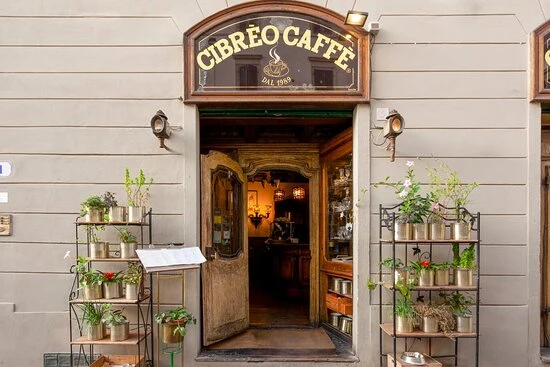
Cantina Produttori Nebbiolo di Carema
Carema, Italy
Cantina Produttori Nebbiolo di Carema belongs to Italy’s mountain-wine conversation, where Nebbiolo is shaped less by power than by altitude, stone, and narrow vineyard terraces. In Carema, on Piedmont’s northern edge near the Valle d’Aosta border, the appeal is the appellation itself: a small, disciplined expression of Nebbiolo that asks visitors to think beyond Barolo and Barbaresco.
● 1 artisanView →
14.Winery
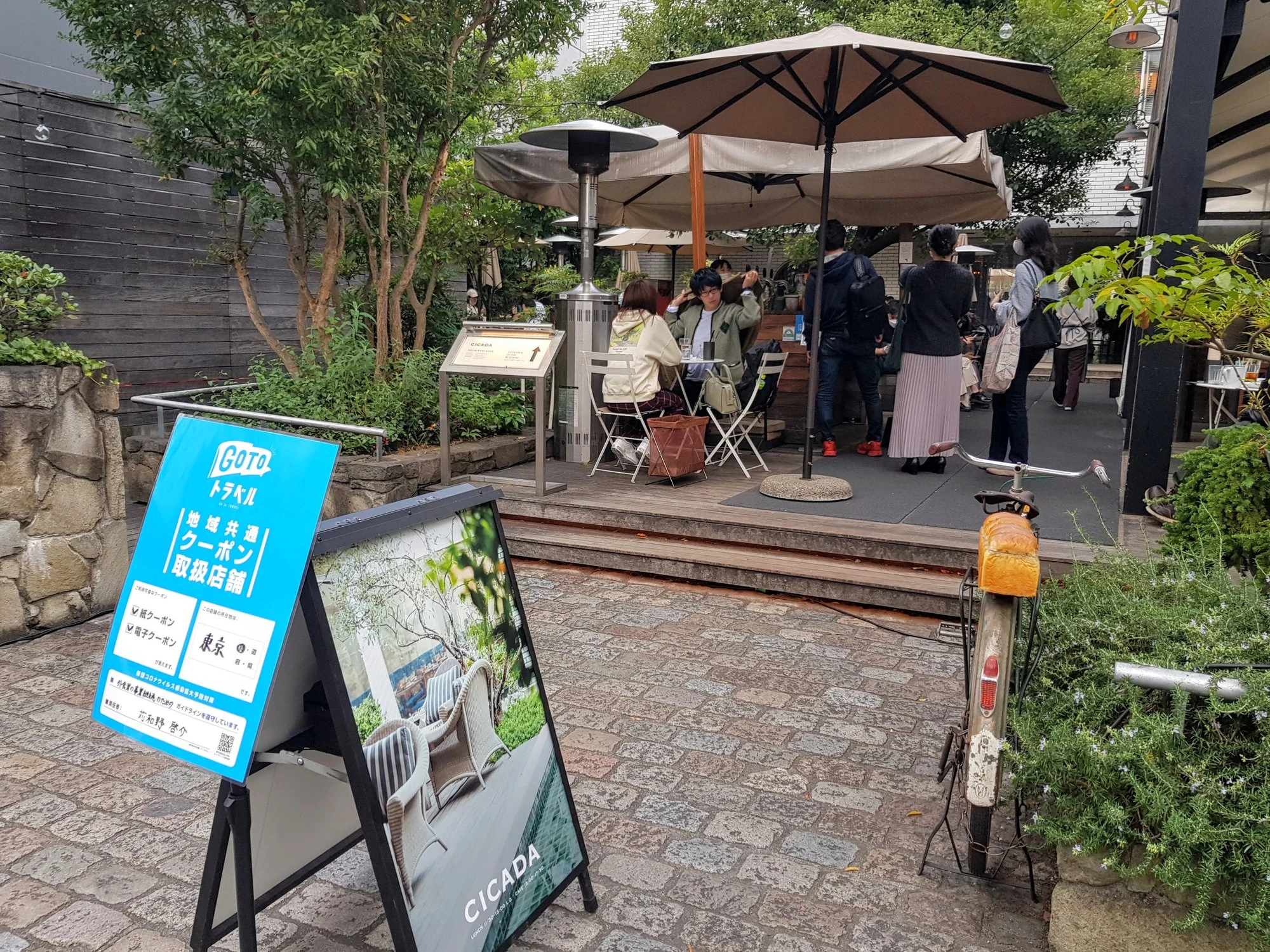
Bosque de Matasnos, S.A.
Madrid, Spain
Bosque de Matasnos, S.A. belongs to the altitude-led side of Ribera del Duero: estate-grown Tinto Fino from a 220-hectare woodland, shaped by cold winters, dry summers, sandy-clay soils, limestone and marl. The interest here is not spectacle, but the way forest cover, elevation and strict fruit handling push Ribera structure into a more terroir-specific register.
● 1 artisanView →
15.Winery
Rombauer Vineyards
Napa, United States
Rombauer Vineyards has operated from its Silverado Trail address since its first vintage in 1980, building a reputation across more than four decades of California winemaking. Under winemaker Richie Allen, the estate earned a Pearl 1 Star Prestige rating in 2025. The tasting room sits along one of Napa's most established wine corridors, placing it within a comparable set defined by estate heritage and consistent critical recognition.
● 1 artisanView →
16.other
Wu Pao Chun Bakery
Taipei, Taiwan
Wu Pao Chun Bakery in Taipei's Xinyi District is one of Taiwan's most closely watched bread operations, ranked among the top tier of casual dining destinations in Asia by Opinionated About Dining in both 2024 and 2025. The bakery draws on a lineage of competitive baking that put Taiwanese bread on the international map, translating that craft into an accessible daily format on one of the city's most trafficked commercial streets.
● 1 artisanView →
17.Winery
King Family Vineyards
Crozet, France
King Family Vineyards holds a Pearl 1 Star Prestige rating (2025) and operates out of Crozet, placing it among the credentialed producers in a region where estate winemaking carries increasing critical weight. The winery represents a serious benchmark for Virginia viticulture, earning recognition that positions it alongside producers drawing international comparison.
● 1 artisanView →
18.Winery
Portón del Uruguay
Montevideo, Uruguay
Portón del Uruguay holds a Pearl 1 Star Prestige award (2025), placing it among Montevideo's recognised dining addresses. Set in Uruguay's capital, the venue operates in a city where wine culture and agricultural provenance are central to how food is understood. For travellers who follow Uruguay's emerging fine-dining circuit, it is a considered stop.
● 1 artisanView →
19.Winery
Befehlhof
Schlanders, Italy
Befehlhof belongs to the small-scale Alpine wine culture of Schlanders, where altitude, wind and family agriculture matter more than gloss. The estate works at 720 meters in the Vinschgau Valley, combining organic viticulture with a distillery that draws on estate fruit, chestnuts and grape pomace.
● 1 artisanView →
20.Hotel
Orpheus Island Lodge
Townsville, Australia
With just 14 suites and step-off-the-beach access to the Great Barrier Reef, Orpheus Island has delighted visitors since the 1930s, but it wasn’t until a recent major overhaul that it joined the Luxury Lodges of Australia collection. Reopened July 1, the private island resort now offers laid-back luxury with a lighter environmental footprint. Suites and villas are bigger and brighter, with higher ceilings and new bathrooms, and the experience is just as much outdoors as indoors. Guests can enjoy the new restaurant or private beachside dining (all-inclusive plus select Australian wines and beers) and take part in daily excursions, be it snorkeling, fishing, or unlimited use of paddleboards, kayaks, catamarans, you name it. Only 28 guests can stay here at a time—the resort is available for exclusive use—making this one of our Travel Masters’ new favorite hubs to explore the Great Barrier Reef.
● 1 artisanView →
21.Winery
Bodegas Horacio Calvente
Jete, Spain
A small family-run mountain winery in Jete, Bodegas Horacio Calvente belongs to Andalucía’s quieter high-altitude wine conversation rather than the bus-tour estate circuit. Its interest lies in steep Sierra del Chaparral and Almijara vineyards, old vines, Moscatel de Alejandría, and a portfolio that connects Granada’s traditional grapes with international varieties.
● 1 artisanView →22.Winery
Domaine de Beauvent
Bernex, Switzerland
Domaine de Beauvent gives Geneva wine country a grounded, rural counterpoint to the city’s polished dining rooms. The Bernex estate works 16 hectares on the 1er Cru hillside of Lully, with south and southeast exposure, clay and molasse soils, manual harvesting, no herbicides, and a cellar-door style built around terroir rather than spectacle.
● 1 artisanView →
23.italian
Tenuta di Capezzana
Carmignano, Italy
Set among the olive groves and vineyards of Carmignano in Tuscany's Prato province, Tenuta di Capezzana is one of the region's most historically rooted agricultural estates. The property's identity is inseparable from the land that surrounds it: wine, olive oil, and food are produced and consumed within the same few kilometres. For visitors, that integration between production and table is the experience itself.
● 1 artisanView →
24.Winery
Cantine del Notaio
Rionero in Vulture, Italy
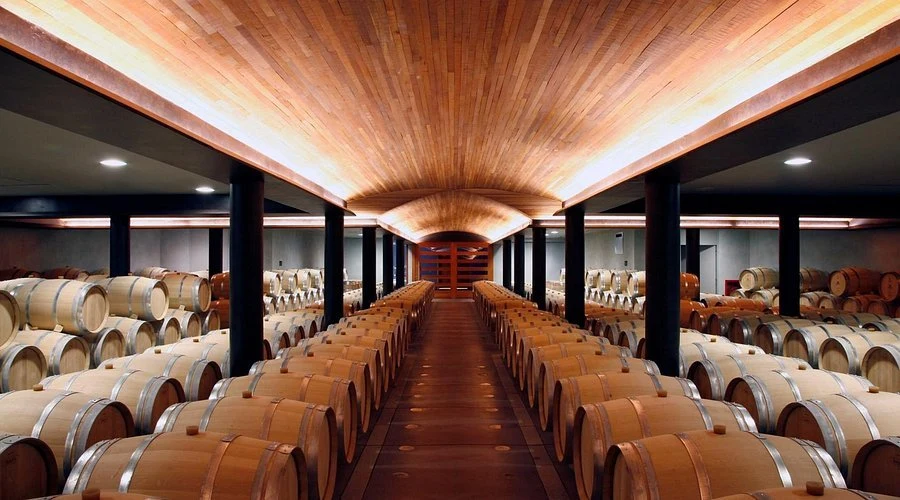
Cantine del Notaio gives Aglianico del Vulture its clearest stage: volcanic tuff caves, French oak barrels, and a tasting format rooted in Rionero in Vulture’s rural wine culture. The appeal is less about polish than geological specificity, with Basilicata’s ancient volcanic soils and cool cellar architecture shaping the experience as much as the bottles.
● 1 artisanView →
25.Winery
Bodegas Y Viñedos Alnardo S.L.
Quintanilla de Onésimo, Spain
Bodegas Y Viñedos Alnardo S.L. belongs to the serious Ribera del Duero conversation: old-vine sourcing, biodynamic grower relationships, French oak ageing and the Peter Sisseck connection place it far from casual wine-tourism gloss. Its PSI bottling frames Quintanilla de Onésimo through Tinta del País, Garnacha and the region’s cold-night structure.
● 1 artisanView →
26.Distillery
Grüneis Distillery
Stanz im Landeck, Austria
Grüneis Distillery operates out of Stanz im Landeck in Austria's Tyrol region, earning a Pearl 1 Star Prestige award in 2025 that places it among the country's recognised craft spirits producers. The distillery sits within a cluster of small-batch operations in this alpine valley, where the tradition of fruit and grain distillation has deep local roots. For visitors interested in Austrian craft spirits beyond the better-known wine regions, Stanz offers a focused, production-led encounter.
● 1 artisanView →
27.Winery
Baglio Gibellina
Gibellina, Italy
Baglio Gibellina is a western Sicilian wine estate shaped by valley vineyards, native grapes, organic farming and a restrained cellar approach. Its strongest argument is terroir: old vines between Salemi and Santa Ninfa, clay and volcanic soils, and a portfolio led by Nero d’Avola, Frappato, Grillo and the passimiento method.
● 1 artisanView →
28.Winery
Azienda Agricola Damijan Podversic
Gorizia, Italy
Azienda Agricola Damijan Podversic belongs to Gorizia’s serious macerated-white tradition, where Collio hillside farming, long skin contact and patient barrel ageing matter more than cellar-door theatre. The estate’s 12 hectares on the southern slopes of Monte Calvario focus on Ribolla Gialla, Malvasia Istriana, Friulano and other varieties shaped by Ponka soils, organic farming and a deliberately contemplative tasting rhythm.
● 1 artisanView →
29.Winery
Amaro Santa Maria al Monte
Chiavari, Italy
Amaro Santa Maria al Monte holds a Pearl 1 Star Prestige (2025), placing it among Chiavari's recognised drinking destinations on the Ligurian Riviera. The setting draws on the town's layered character, where medieval arcades meet a working port culture that has shaped local tastes across centuries. It is the kind of address that rewards those who arrive knowing what to look for.
● 1 artisanView →
30.Winery
Anne de Joyeuse
Limoux, France
Anne de Joyeuse puts Limoux’s cooperative wine culture in plain view: retail-counter tasting, a rustic cellar-shop mood, and a portfolio shaped by the upper Aude Valley’s cool-climate variation. Founded in 1929, the house gives a useful read on how local growers turned Limoux from a sparkling-wine reference point into a broader still-wine appellation as well.
● 1 artisanView →31.Winery
Château Mondorion
Saint-Sulpice-de-Faleyrens, France
Château Mondorion reads as a modern Right Bank estate rather than an old château myth: 13 hectares in Saint-Sulpice-de-Faleyrens, clay-limestone soils, Merlot-led Saint-Émilion Grand Cru reds, and a production rhythm built around manual harvest, concrete fermentation, and measured French oak. The draw is terroir expression with a practical edge: estate-grown fruit, small annual output, and a rustic winery atmosphere focused on wine rather than hospitality theatre.
● 1 artisanView →
32.Hotel
Montauk Yacht Club
Montauk, United States
Sitting on Star Island Road with direct access to Lake Montauk, Montauk Yacht Club occupies one of the East End's most water-facing addresses and carries a 2025 MICHELIN Selected distinction. The property positions itself in the premium marina-adjacent tier of Montauk accommodation, separating it from the surf-and-sand hotels that define most of the town's lodging character.
● 1 artisanView →
33.Winery
Bodega Les Useres
Les Useres, Spain
Bodega Les Useres belongs to the rural, production-led side of Valencian wine culture: old vines, dry sandy-gravelly ground, and a cellar identity built around traditional methods rather than design spectacle. Its strongest draw is terroir expression, especially the emphasis on vines over 60 years old and the named wine Clotàs, with seasonal tasting formats adding a reason to plan around the countryside rather than pass through it.
● 1 artisanView →34.Winery
Château Les Clauzots
Saint Pierre De Mons, France
Château Les Clauzots is a family-run Graves estate in Saint Pierre De Mons, shaped by gravel-over-clay soils, Garonne influence, and a restrained Bordeaux idiom. The draw is not spectacle but proportion: red and white wines built around freshness, structure, and the quiet authority of an estate-grown vineyard.
● 1 artisanView →
35.Distillery
The Williams Casanegra Distillery
Mendoza, Argentina
A 2025 Pearl 1 Star Prestige recipient, The Williams Casanegra Distillery operates from Las Compuertas, one of Mendoza's most closely watched sub-zones. It sits in a smaller, specialist tier of Argentine producers where craft distillation intersects with the province's deep viticulture tradition, a different competitive set from the large volume wineries that define the region's international profile.
● 1 artisanView →
36.Distillery
Heráclito & Macedonio Gin
Buenos Aires, Argentina
Heráclito & Macedonio Gin is a Buenos Aires distillery recognised with a Pearl 1 Star Prestige award in 2025, placing it among the city's most decorated craft spirits producers. Operating within a local gin scene that has grown rapidly over the past decade, the distillery brings a distinct identity to Argentina's expanding artisanal distillation movement.
● 1 artisanView →37.Winery
Codice Citra
Ortona, Italy
Codice Citra is Abruzzo wine seen through scale rather than estate romance: a cooperative founded in 1973, drawing on 6,000 hectares and nearly 3,000 growers across 11 local cooperatives. Its Ortona setting links Montepulciano, Cerasuolo, Trebbiano, Pecorino, Passerina, Cocociola and Montonico to the climatic pull of the Majella, Gran Sasso and the Adriatic.
● 1 artisanView →
38.Hotel
The Old Manse of Blair
Blair Atholl, United Kingdom
A Michelin Selected property in the Highland Perthshire village of Blair Atholl, The Old Manse of Blair occupies a converted period manse within reach of Blair Castle and the River Garry. The setting places it firmly in Scotland's tradition of intimate, house-style rural retreats, positioned well away from the larger resort properties of the Central Belt.
● 1 artisanView →
39.Bakery
Arnaud Larher
Paris, France
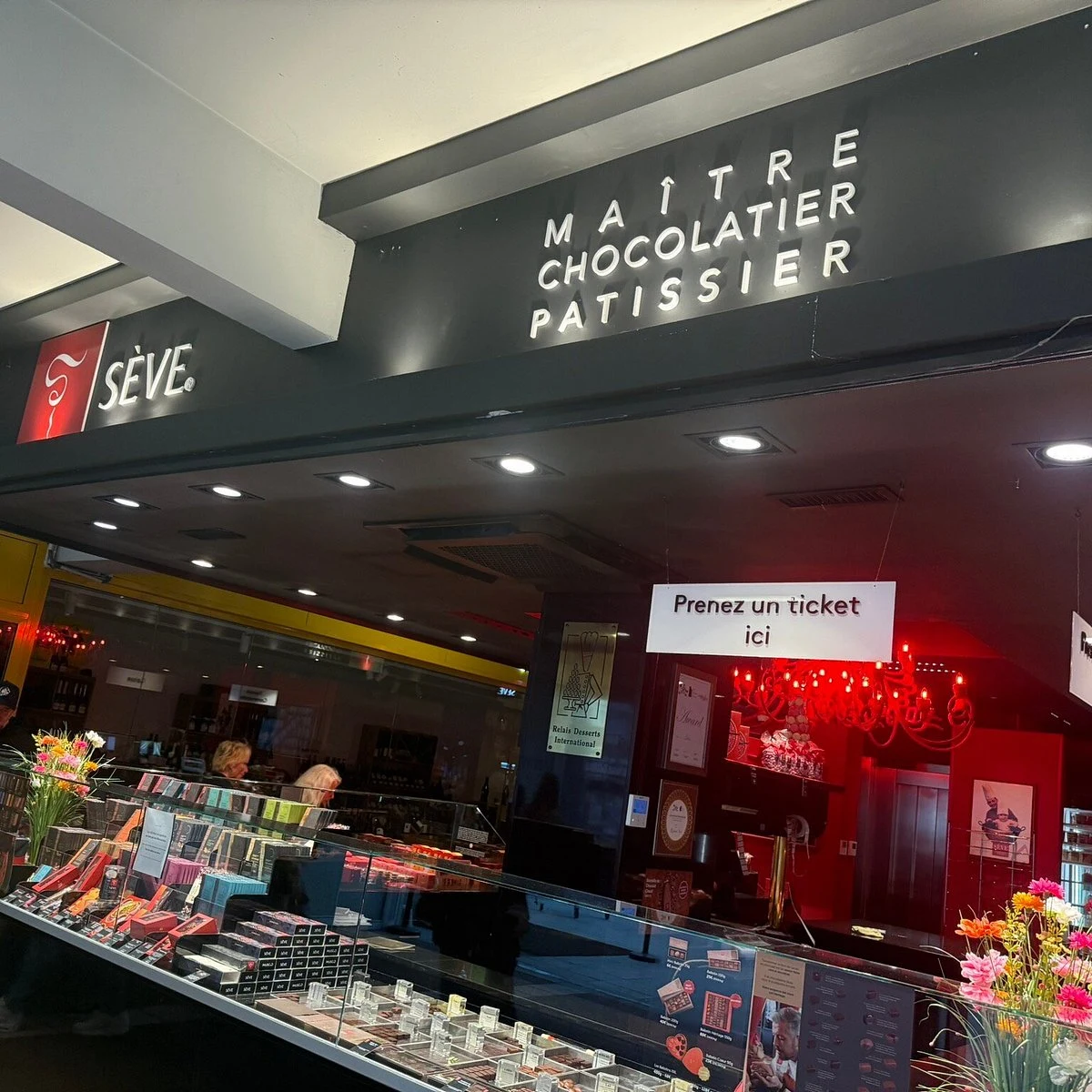
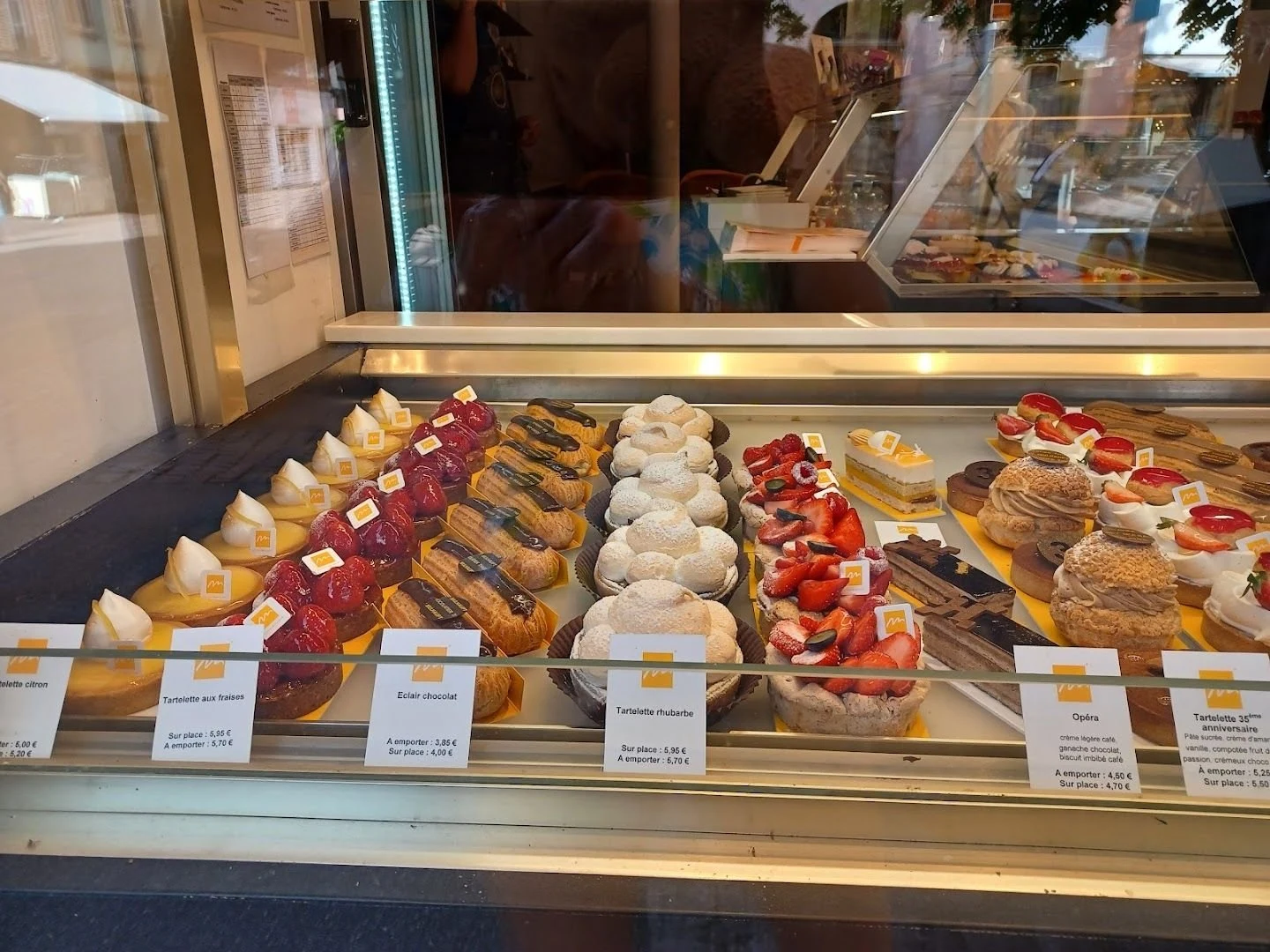
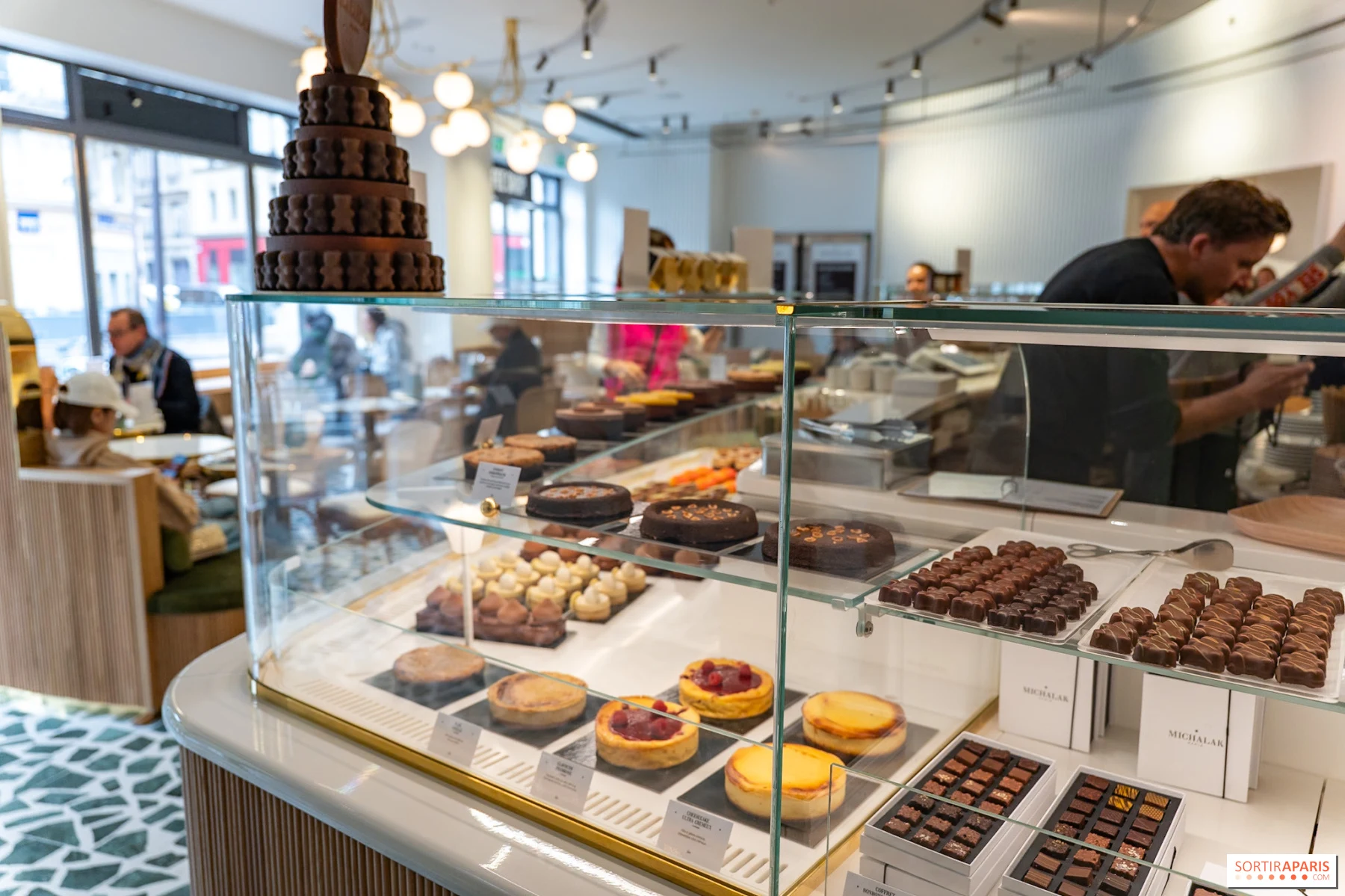
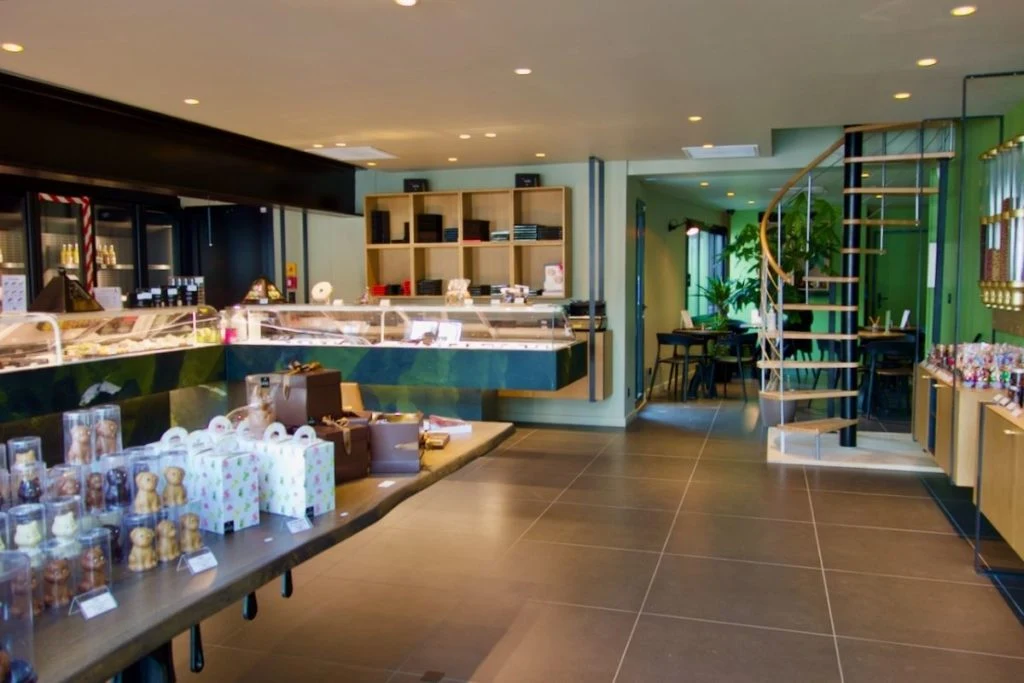
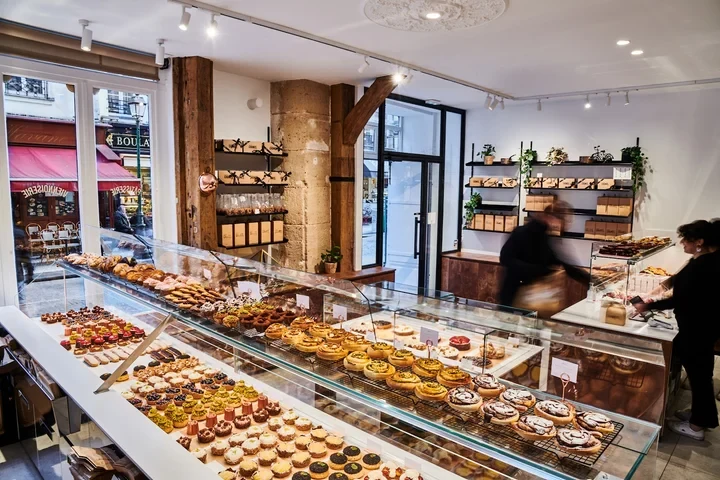
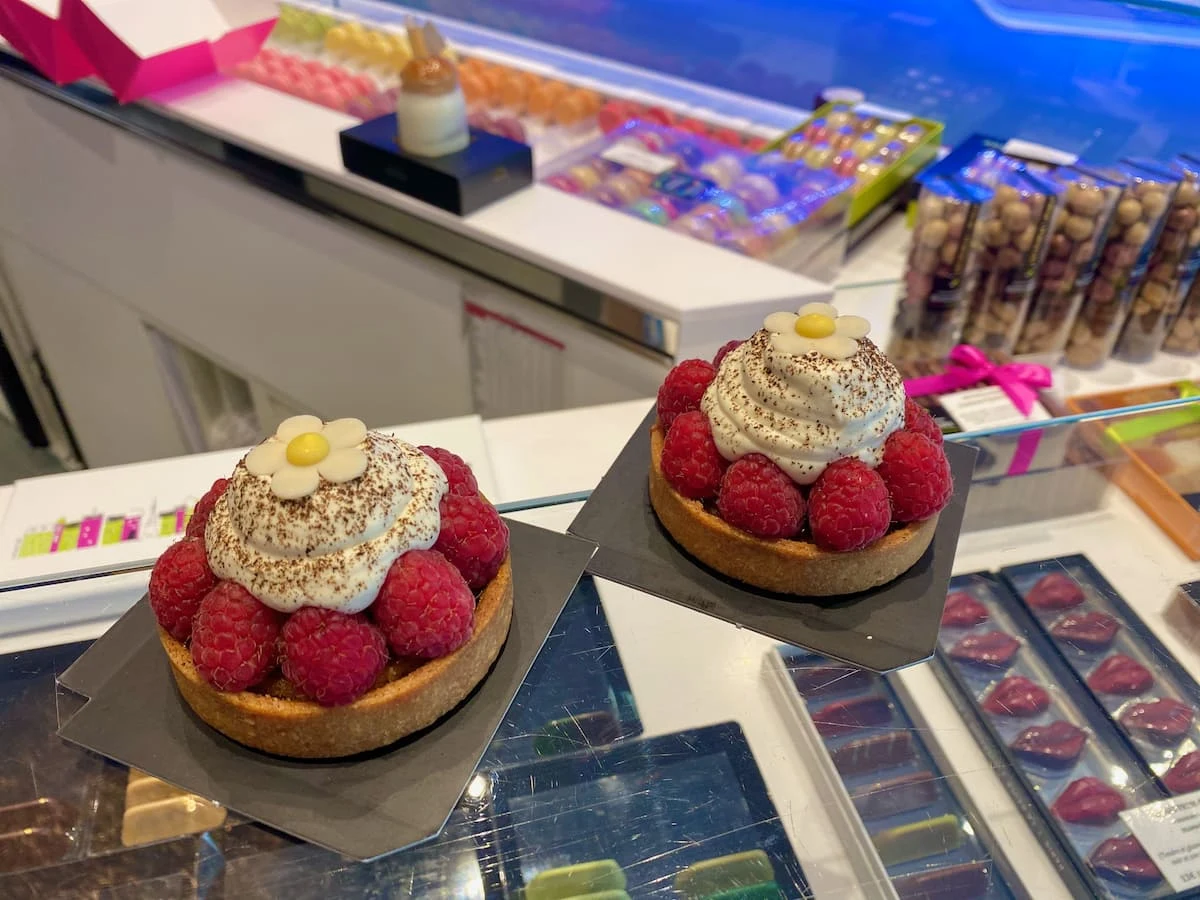
A MOF-awarded patissier-chocolatier offering creative, high-end pastries and chocolates across multiple Paris boutiques, notably the original Montmartre shop opened in 1997. This pastry boutique in Paris, France is represented in the 2026 Relais Desserts member directory.
● 1 artisanView →40.Winery
Scarpa
Nizza Monferrato, Italy
Scarpa is a historic Piedmont winery in Nizza Monferrato, founded in 1854 and shaped around long aging, cellar memory, and still-red wines from Monferrato and Langhe sites. The visit is built around renovated historic cellars, guided education, and a portfolio that links Barbera, Barolo, Barbaresco, Brachetto, Dolcetto, and Rouchet to a patient, classical idea of place.
● 1 artisanView →
41.Winery
Bodegas Peñafiel
Peñafiel, Spain
Bodegas Peñafiel is a Ribera del Duero winery in Peñafiel shaped by Tempranillo, Duero River context, and vineyard work across 60 hectares. Its appeal is strongest for travelers who want a modern cellar experience tied to the Golden Mile rather than a generic tasting-room stop.
● 1 artisanView →
42.Bakery
Justice Of The Pies
Chicago, United States
Inside this dentist's office-turned-bakery is the best key lime pie in the city, made better than the rest by the addition of strawberries and basil. Get a whole one, or get a slice and build your own pie flight to decide whether you like the lemon espresso or cucumber, mango, and chili lime versions better. Cakes, cookies, quiches, and banana pudding are on the menu too. Warm dishes like chicken pot pie are available after 11am, made even warmer by the friendliest conversations you’ll ever have
● 1 artisanView →43.Winery
Seymanns Weinhandwerkerei
Pernersdorf, Austria
Seymanns Weinhandwerkerei is a small family-run winery in Pernersdorf, working 3.5 hectares in the Pulkautal with a biodynamic philosophy and an appetite for unconventional cuvées. Its appeal lies in the way Weinviertel tradition is bent toward sensory, place-led wines, supported by Gault&Millau recognition and Falstaff naming it among Lower Austria’s 10 leading wine taverns.
● 1 artisanView →44.Winery
Château Rolland-Maillet
Pomerol, France
Château Rolland-Maillet belongs to the quieter Right Bank conversation: small-scale, Merlot-led Saint-Émilion Grand Cru shaped by clay-gravel soils and the Rolland family’s Bordeaux lineage. Its appeal is less about visitor spectacle than about terroir, barrel work, and the compact production logic that draws collectors toward serious, low-volume estates.
● 1 artisanView →
45.Distillery
Distillery Schroll
Ziersdorf, Austria
Distillery Schroll operates out of Ziersdorf in Lower Austria's Weinviertel, earning a Pearl 1 Star Prestige award in 2025 that places it among Austria's recognised distilling operations. The Weinviertel's continental climate and loess-rich soils that define the region's grape character also shape the raw materials available to local producers. For visitors exploring Austria's broader spirits and wine corridor, Schroll offers a grounded entry point into the distilling tradition of this often-overlooked agricultural district.
● 1 artisanView →
46.Winery
Alain Gras
Saint-Romain, France
Arthur Gras runs extended lees contact with reduced bâtonnage frequency and 20-30% new oak at Domaine Alain Gras, Saint-Romain.
● 1 artisanView →47.Winery
Schlossweingut Wittmann
Unterdurnbach, Austria
A small Weinviertel castle winery where the tasting experience is tied closely to place: old vaults, cellar architecture, courtyard views, and a portfolio led by Grüner Veltliner. The draw is not trophy culture, but a compact estate identity shaped by 12 hectares, family-selected vine material, and a quiet Unterdurnbach setting.
● 1 artisanView →
48.Winery
Bodegas Montecillo
Fuenmayor, Spain
Bodegas Montecillo gives Rioja Alta a long historical line: founded in 1870 in Fuenmayor, with underground cellars, a deep barrel program, and a portfolio built around Tempranillo, Graciano, Viura and Garnacha Blanca. The draw is not novelty but continuity, especially for travellers who want to read Rioja through aging, cellar architecture and the slower grammar of Reserva and Gran Reserva wines.
● 1 artisanView →49.Winery
Conte Guicciardini
Montespertoli, Italy
Conte Guicciardini suits travelers who want Tuscan wine read through land rather than through tasting-room gloss. In Montespertoli, the estate connects a medieval castle setting with vineyards and olive groves, drawing on Chianti Colli Fiorentini, Morellino di Scansano and Chianti Classico to show how different Tuscan zones shape Sangiovese-led wines.
● 1 artisanView →
50.Winery
Azienda Agricola San Giusto di Bonti Pierluigi
Piombino, Italy
Coastal Tuscany gives this Piombino estate its point of view: Vermentino, IGT Toscana rosato and rosso shaped by maritime influence rather than inland weight. Azienda Agricola San Giusto di Bonti Pierluigi is a four-generation Bonti family winery, positioned for travelers who want a regional producer grounded in native vines and the Tuscan littoral rather than trophy-label theater.
● 1 artisanView →
51.Distillery
Caporale Distillery
Santa Fe, United States
Caporale Distillery operates in Santa Fe, New Mexico, at the intersection of high-altitude craft production and the American Southwest's emerging spirits identity. The distillery earned a Pearl 1 Star Prestige award in 2025, placing it in a recognized tier of American craft producers. For visitors building a serious itinerary around Santa Fe's food and drink scene, it warrants attention.
● 1 artisanView →52.Winery
Domaine de la Loge
Saint-Andelain, France
A family-run Pouilly-side estate in Saint-Andelain, Domaine de la Loge is strongest when read through its soils: flint, marl, clay, and argilo-calcaire rather than cellar theatrics. The draw is a relaxed tasting culture built around Sauvignon and Chasselas, with old-vine cuvées and rural hospitality giving structure to the visit.
● 1 artisanView →
53.Winery
Kräuterdestillerie Steiner
Achenkirch, Austria
Kräuterdestillerie Steiner in Achenkirch, Austria, earned a Pearl 1 Star Prestige award in 2025, placing it among a small tier of recognized herbal distilleries in the Alpine region. The operation sits within a landscape where altitude, glacial soils, and Tyrolean herb traditions shape what ends up in the bottle. For those tracing Austria's craft distillation scene beyond wine country, Steiner is a reference point worth building a visit around.
● 1 artisanView →54.Winery
Quinta do Passadouro
Pinhão, Portugal
Dating to the 18th century, Quinta do Passadouro is a Cima Corgo estate near Vale de Mendiz known for Port and dry Douro wines.
● 1 artisanView →55.Winery
Sesti
Montalcino, Italy
Sesti is a small historic estate winery in Montalcino, shaped by southern-slope exposure, Sangiovese, biodynamic farming, and traditional cellar work. The appeal is less about polished tasting-room theatre than about reading Brunello through altitude, castle grounds, woodland, olive groves, and the quiet discipline of large-botti ageing.
● 1 artisanView →
56.Distillery
Herman Marshall Distillery
Garland, United States
Herman Marshall Distillery operates from Wylie, Texas, just outside Garland, earning a Pearl 1 Star Prestige recognition in 2025. The distillery represents the growing craft spirits movement taking root in North Texas, where distillers are translating local grain character and climate into American whiskey. It sits in a regional tier that rewards patient visitors willing to look beyond the state's more established production centers.
● 1 artisanView →57.Winery
Silver Palm Wines
Santa Rosa, United States
Silver Palm Wines gives Santa Rosa a polished, Cabernet-forward address for North Coast California wine rather than a broad hospitality spectacle. The emphasis is small-lot production, sustainable sourcing, Chardonnay alongside Cabernet Sauvignon, and a quiet, classic tasting environment suited to drinkers who care more about regional expression than performance.
● 1 artisanView →
58.Winery
Naked Mountain Winery & Vineyard
Markham, Canada
Naked Mountain Winery & Vineyard holds a Pearl 1 Star Prestige rating from EP Club (2025), placing it among Markham's recognized producers in Canada's evolving wine scene. The property represents the quieter, land-focused end of Ontario's broader winemaking conversation, where terroir expression and regional identity matter more than volume or visibility.
● 1 artisanView →59.Winery
Sedilesu
Mamoiada, Italy
Sedilesu gives Mamoiada’s Cannonau culture a cellar-level reading: granite soils, high-altitude vineyards and old alberello vines shape the story before hospitality does. The experience is family-run and guided, with Cannonau at the centre, Granazza in a smaller role, and a format that suits travellers who want Sardinian wine explained through place rather than label theatre.
● 1 artisanView →60.Winery
SEYFRIED Wein.Atelier
Gleisdorf, Austria
SEYFRIED Wein.Atelier is a Gleisdorf wine-country address built around Styrian Buschenschank culture, direct estate sales, and a broad Vulkanland Steiermark DAC portfolio. The draw is not ceremony but place: an 1892 farmhouse setting, Opok and sandstone context, family-friendly hospitality, and wines spanning Welschriesling, Weißburgunder, Sauvignon Blanc, Gelber Muskateller, rosé, and red styles.
● 1 artisanView →