The Places · Page 168
Where the artisans work.

01.Distillery
Brennerei Schwarzenberger
Haiming, Austria
Brennerei Schwarzenberger in Haiming, Tirol, Austria produces artisanal Tyrolean spirits using mountain spring water and time-honored distillation. Signature expressions include Old Tyrolean Fruit Schnapps, the warming Jägertee, and Kräuter Geist herbal spirit. The distillery emphasizes traditional pot‑still techniques, small-batch care, and local fruit and herb sourcing, delivering vivid aromas of orchard fruit, alpine herbs, and warm spice. Bottled in 0.7 to 1 L formats at 35 to 45% ABV, Schwarzenberger’s portfolio channels Tirol’s high‑altitude clarity and winterhouse traditions, ideal for collectors and travelers seeking authentic regional flavours and a distinctly Tyrolean tasting experience.
● 1 artisanView →
02.Winery
Bodegas Enguera
Enguera, Spain
Bodegas Enguera gives rural Valencia wine country a clear, low-theatre argument for organic viticulture: estate vineyards, high-altitude conditions and a visitor experience built around terroir rather than spectacle. The draw is the combination of family-run hospitality, sustainability work through Enguera Planet, and a portfolio that moves across Tempranillo, Verdil, Bobal, Syrah, Monastrell and Marselan.
● 1 artisanView →
03.Classic American Diner & Ice Cream Parlor
Fenton’s Creamery
San Francisco, United States
Fenton's Creamery has anchored Oakland's Piedmont Avenue since the late nineteenth century, making it one of the oldest continuously operating ice cream parlors on the West Coast. Ranked #609 on Opinionated About Dining's 2025 Cheap Eats in North America list and carrying a 4.5-star rating across more than 5,700 Google reviews, it represents a specific kind of American dessert institution that the Bay Area does particularly well.
● 1 artisanView →
04.Distillery
Destilería Flipá
Mendoza, Argentina
Destilería Flipá is Mendoza's spirits-focused counterpoint to the region's wine-dominant hospitality scene, earning a Pearl 1 Star Prestige in 2025. Where most Mendoza producers stay anchored to Malbec and Torrontés, this distillery carves a distinct position in a city better known for vineyards than copper stills. It represents a growing category of Argentine craft producers building prestige credentials outside the established wine circuit.
● 1 artisanView →
05.Distillery
Brennerei Mairhofer
St. Johann in Tirol, Austria
Brennerei Mairhofer earned a Pearl 1 Star Prestige award in 2025, placing it among Austria's recognised distilling producers in the Tyrolean Alps. Based in St. Johann in Tirol, the distillery draws on the mountain terrain and agricultural traditions of the Inn Valley region. For visitors to the area, it represents a serious entry point into Austrian craft spirits production.
● 1 artisanView →
06.Winery
Beyerskloof
Western Cape, South Africa
Beyerskloof is a Stellenbosch Pinotage specialist shaped by vineyard views, a relaxed tasting-room rhythm, and the red-wine identity of the Western Cape. Founded in 1988 and led in the cellar by Anri Truter, the estate gives visitors a clear read on how Pinotage, Cabernet Sauvignon, Merlot, Shiraz, and Chenin Blanc sit within a family-owned wine-farm setting.
● 1 artisanView →
07.Winery
Occidental Wines
Sebastopol, United States
Occidental Wines operates along Bodega Highway in Sebastopol's Sonoma Coast corridor, earning a Pearl 1 Star Prestige in 2025. The winery sits within a peer group defined by cool-climate Pinot Noir and Chardonnay producers working some of California's most fog-influenced growing terrain. Its recognition places it alongside the established Sebastopol names that have shaped the region's reputation for restraint-led viticulture.
● 1 artisanView →08.Winery
Château Malbec
Sainte Eulalie, France
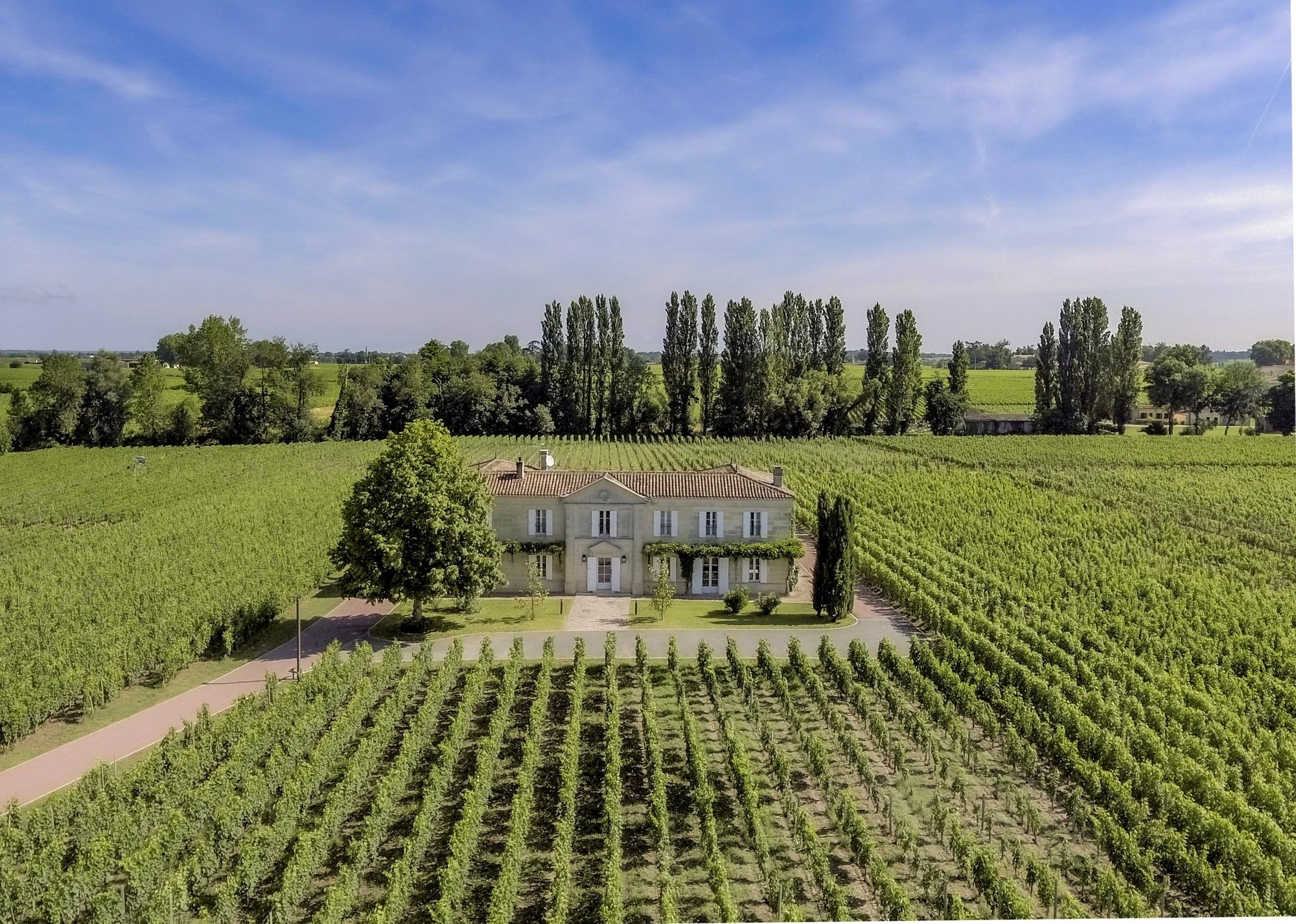
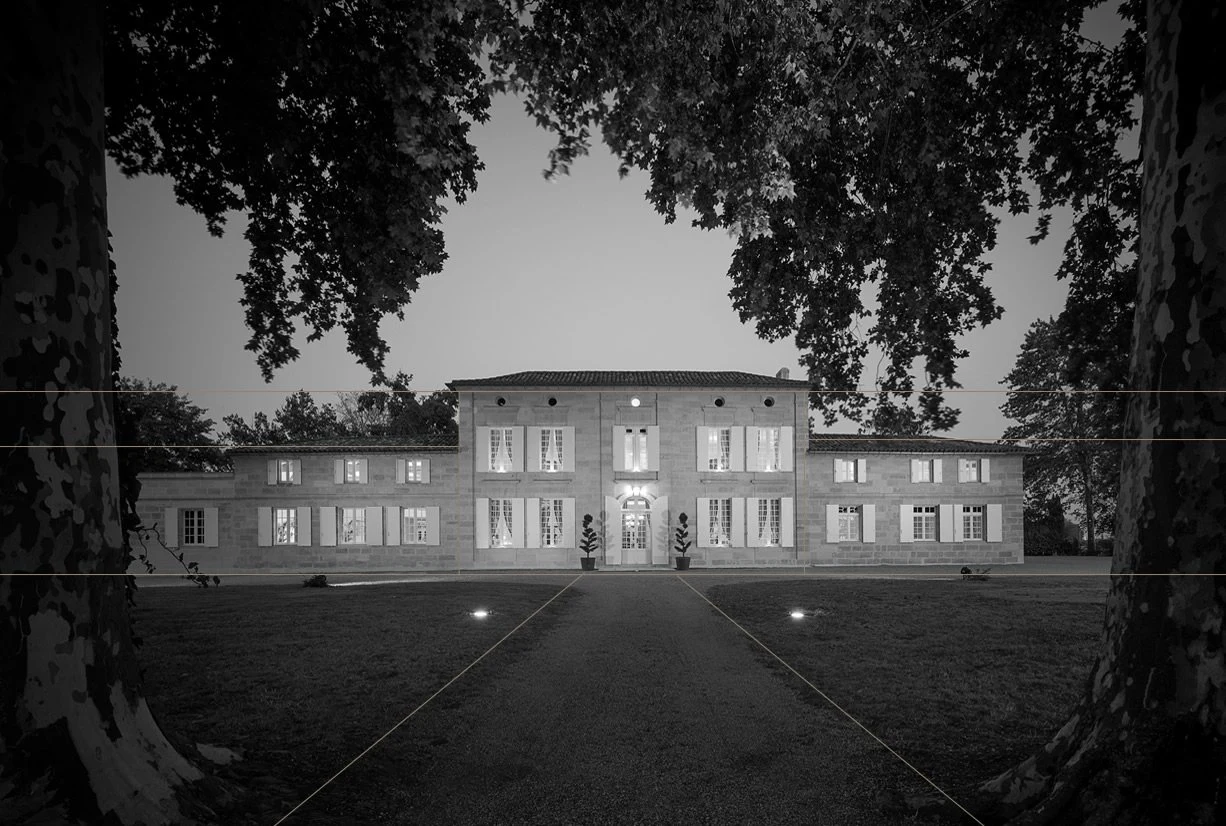
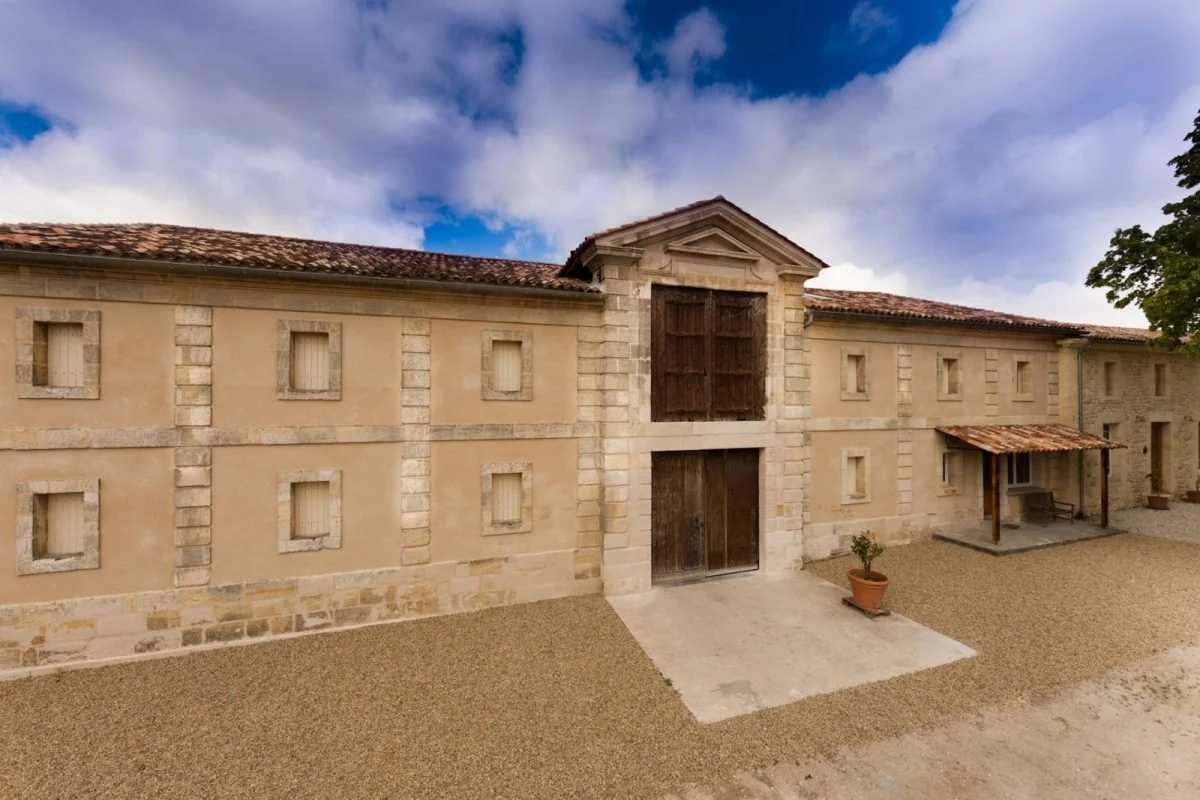
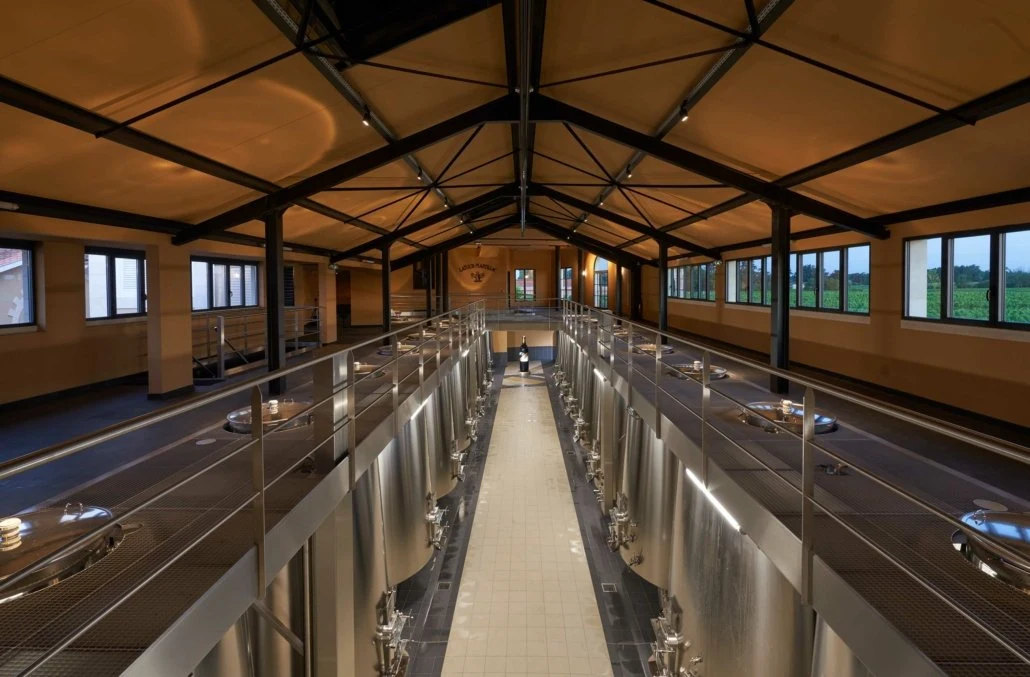
Château Malbec reads as Bordeaux in miniature: a historic Sainte Eulalie estate, south-facing vines, mixed clay-limestone, sand and gravel soils, and a red blend built around Merlot, Cabernet Sauvignon, Cabernet Franc and a measured share of Malbec. Its strongest case is terroir expression rather than spectacle, with Terra Vitis certification and a restrained oak approach giving structure without pushing the fruit out of frame.
● 1 artisanView →09.Winery
Sektkellerei Szigeti GmbH
Gols, Austria
Sektkellerei Szigeti GmbH puts Gols sparkling wine into a production-led cellar-door format: traditional bottle fermentation, regional Neusiedler See fruit, and a vinothek built around guided tastings. The draw is not pastoral romance but Austrian Sekt as a serious category, with Grüner Veltliner, Riesling, Welschriesling, Pinot Blanc, and Pinot Noir translated into bottle-fermented sparkling wine.
● 1 artisanView →
10.Winery
Brigl
St Michael Eppan, Italy
His son Josef Brigl is winemaker at Brigl in St Michael Eppan, working family vineyards through Alto Adige cellar practice.
● 1 artisanView →
11.Distillery
Pasaron Cosas Distillery
Jacinto Arauz, Argentina
Pasaron Cosas Distillery in Unlisted Region produces deliberate, small-batch craft spirits. Production emphasizes slow distillation and wood‑led maturation, showcased in signature expressions: a bright blanco-style release, a barrel-aged añejo expression, and a limited cask-strength bottling. The tasting experience centers on layered aromatics, citrus oils, toasted oak, black pepper, and dried stone fruit, and intimate flights that reveal texture, proof, and finish. With discreet allocations and experiential pours, Pasaron Cosas Distillery offers collectors and curious travelers an exacting, sensory-first visit even while full location and booking details remain unlisted.
● 1 artisanView →
12.Cafe
Ditta Artigianale Specialty Coffee Roasters
Milan, Italy
The first Ditta Artigianale coffee shop in Milan — a specialty café in the heart of the city where you can experience high-quality coffee in a warm and contemporary setting. Their mission at Ditta Artigianale is to bring exceptional coffee to Italy and share its story in a new and transparent way. They are committed to quality at every step of the production chain, working with a strong focus on sustainability and direct relationships with producers. In Milan, alongside their carefully selected
● 1 artisanView →13.Winery
Sekthaus Solter
Rüdesheim am Rhein, Germany
Sekthaus Solter gives Rüdesheim am Rhein a sharply focused Sekt address rather than another broad Rheingau tasting stop. The estate works from Riesling, Chardonnay, Pinot Blanc, Pinot Meunier and Pinot Noir, with majority-organic farming, an all-female team and a production role that extends to respected Rheingau winery partners.
● 1 artisanView →
14.Cafe
FANKØR
Quito, Ecuador
FANKØR is a specialty coffee roastery and café, accompanied by its own gastronomic offering, which includes cuisine, bakery, and pastry. In every area, they champion the origin and care of the ingredients to guarantee quality, traceability, and a memorable experience. They believe in the importance of knowing what you consume and where it comes from. Above all, they seek to recognize the work and commitment of every single actor in the production chain. Their most important intention: to ensure
● 1 artisanView →15.Winery
Secret Indulgence
Napa, United States
Secret Indulgence sits in Napa’s modern Cabernet conversation as a small-production, JCB Collection wine project built around dark-fruited structure, theatrical tarot imagery, and a borderless collaboration led by Jean-Charles Boisset. The clearest lens is the Tarot Napa Cabernet Sauvignon: a 14.5% ABV Bordeaux-variety blend with a 92-point Jeb Dunnuck score and a $40-per-person positioning that keeps it in accessible premium territory.
● 1 artisanView →16.Winery
Domaine de la Devinière
Satigny, Switzerland
Domaine de la Devinière is a low-key organic wine estate in Satigny, shaped by Geneva’s limestone, clay, gravel and lake-moderated growing conditions. The appeal is not polished spectacle but a compact lesson in local viticulture: Bio Suisse farming since 1995, 13 hectares under vine, 18 grape varieties and a cellar style built around education rather than ceremony.
● 1 artisanView →17.Winery
Cossart Gordon
Canical, Mexico
Cossart Gordon is strongest when read through Madeira’s volcanic slopes and Atlantic climate rather than through a standard tasting-room lens. Founded in 1745 and now part of Madeira Wine Company, it carries rare historical weight in fortified wine, with Sercial, Verdelho, Bual, Malmsey and Terrantez showing how acidity, heat and long oxidative ageing define the category.
● 1 artisanView →18.Winery
Domaine de Majas
Caudies De Fenouilledes, France
Domaine de Majas frames Côtes Catalanes wine through the harder edge of rural Roussillon: old Carignan and Grenache, organic farming, and a 30-hectare estate set between valley, meadow, forest, and mountain. The draw is not luxury theatre, but a small-scale, appointment-led look at how Fenouillèdes terroir can translate into still red and white wines with regional clarity.
● 1 artisanView →
19.Winery
Destillerie Königsberg
Kirchschlag, Austria
Destillerie Königsberg in Kirchschlag holds a Pearl 1 Star Prestige award (2025), placing it among Austria's recognised distilling operations outside the country's better-known wine corridors. The distillery represents the quieter, craft-focused tier of Austrian spirits production, where geography and raw material sourcing shape character as distinctly as technique. Visitors seeking an alternative to the Wachau and Burgenland wine trail will find a different kind of producer here.
● 1 artisanView →20.Winery
Dominikaner Weingut C. von Nell-Breuning
Kasel, Germany
Dr. Carmen von Nell-Breuning makes wine at Dominikaner Weingut C. von Nell-Breuning in Kasel, as a winemaker there.
● 1 artisanView →21.Winery
Cleto Chiarli
Castelvetro di Modena, Italy
Cleto Chiarli is a historic Lambrusco address in Castelvetro di Modena, rooted in Emilia-Romagna’s sparkling red wine tradition and the Grasparossa di Castelvetro DOC. The draw is the terroir lesson: clay-limestone hills, Lambrusco varieties, and a countryside estate format that treats the region’s red fizz as serious wine rather than casual aperitivo.
● 1 artisanView →22.Winery
Sektkellerei Bardong
Geisenheim, Germany
Sektkellerei Bardong is a small Rheingau Sekt cellar in Geisenheim, founded in 1984 in former sparkling-wine vaults. Its appeal lies in traditional bottle fermentation, Riesling-led production, single-vineyard and vintage identity, and unusually long lees aging that places it firmly in Germany’s artisan sparkling-wine tradition.
● 1 artisanView →
23.Distillery
Gin Malfy (Torino Distillati)
Moncalieri, Italy
Torino Distillati's Moncalieri operation behind Gin Malfy sits on Via Montegrappa in the southern reaches of the Turin metropolitan area, operating as a production and prestige address within Italy's growing craft spirits sector. The site earned a Pearl 1 Star Prestige rating in 2025, placing it among Italy's recognised distillery addresses. For those tracing Italian gin and the broader Piedmontese spirits tradition, it represents a credentialled stop in a region better known for wine and vermouth.
● 1 artisanView →
24.Winery
Aurelio Settimo
La Morra, Italy
Aurelio Settimo is a small family-run Barolo estate in La Morra, shaped by traditional red-wine production and an intimate cellar-and-vineyard format. Its appeal lies in the link between Nebbiolo, Rocche dell’Annunziata, long maceration, and large-cask ageing rather than polished wine-tourism theatre.
● 1 artisanView →
25.Winery
Destillerie Figerl
Stanz bei Landeck, Austria
Destillerie Figerl operates out of Stanz bei Landeck in the Tyrolean Inn Valley, earning a Pearl 1 Star Prestige award in 2025. The distillery sits within a regional craft spirits tradition that has quietly grown across alpine Austria over the past two decades, producing spirits rooted in local agricultural raw materials. It represents the serious, small-production end of Austrian distilling.
● 1 artisanView →26.Winery
Château Mauvesin Barton
Moulis En Medoc, France
Château Mauvesin Barton is a historic Moulis-en-Médoc estate shaped by Left Bank restraint, Barton family stewardship, and a gentler Bordeaux register than the region’s more forceful communes. Expect classic claret architecture: Cabernet Sauvignon, Merlot, Cabernet Franc and Petit Verdot grown across gravel, clay and limestone soils, with cellar work aimed at balance rather than extraction.
● 1 artisanView →27.Winery
Château Kressmann
Blanquefort Cedex, France
Château Kressmann is a Bordeaux négociant house in Blanquefort Cedex with roots dating to 1871 and a professional, trading-house character rather than a pastoral château-visit format. Its interest lies in the old Bordeaux bridge between merchant blending, branded regional wines, and estate stewardship tied to Graves traditions.
● 1 artisanView →28.Winery
Sebastian Erbeldinger
Bechtheim, Germany
Sebastian Erbeldinger is a Bechtheim-West winery framed by Rheinhessen vineyards, with a chic vinotheque and courtyard setting rather than a formal destination-winery apparatus. The draw is direct estate tasting in Wonnegau, with organic production, still white and red wines, sparkling wine, and a portfolio that includes Riesling, Silvaner, Pinot Gris, Pinot Blanc, Pinot Noir and Chardonnay.
● 1 artisanView →29.Winery
Château Saint Paul
Boudy De Beauregard, France
Château Saint Paul brings Bordeaux winemaking into a 12th-century château setting in Boudy De Beauregard, with chapel, barn and grounds shaping its private-event character. The wine story is focused rather than sprawling: red Bordeaux labelled Haut-Médoc Bordeaux, stainless-steel fermentation, 12 months in French oak and an average production of 7,500 cases per vintage.
● 1 artisanView →
30.american
Bakery Nouveau
Seattle, United States
Ranked on Opinionated About Dining's Cheap Eats list for consecutive years, Bakery Nouveau on Capitol Hill operates Wednesday through Sunday from a corner address on 15th Avenue East that has become a fixed point in Seattle's serious bread and pastry scene. With a 4.6 Google rating across more than 1,600 reviews, it holds a position at the upper tier of the city's artisan bakery cohort.
● 1 artisanView →31.Winery
Sequillo Cellars
Malmesbury, South Africa
Sequillo Cellars belongs to the Swartland’s quieter school of terroir-first winemaking: low-intervention, small-scale, and built around the texture of warm-climate grapes rather than cellar gloss. Its documented 2011 white blend, scored 17/20 by Jancis Robinson, gives the clearest read on the project: Chenin-led, Mediterranean in its supporting varieties, and shaped by granite, gravel, old barrels, and natural fermentation.
● 1 artisanView →
32.Winery
Azienda Agricola Schiavenza
Serralunga d'Alba, Italy
Azienda Agricola Schiavenza belongs to the traditional side of Serralunga d’Alba: estate Barolo, Nebbiolo structure, and a farmhouse dining-room atmosphere tied closely to the cellar. The appeal is not polish for its own sake, but the direct line between tuffaceous limestone soils, long oak aging, family stewardship, and Langhe food culture.
● 1 artisanView →33.Winery
Serre de Guéry
Azille, France
Serre de Guéry gives Azille a cellar-door lens on the Minervois: rural, quiet, family-run, and focused on organically framed, vegan-friendly wines rather than trophy signaling. The range sits under Château Guéry and spans still whites and reds, with Viognier, Sauvignon, Chardonnay, Syrah, Grenache and Mourvèdre in the picture.
● 1 artisanView →34.Winery
Convento de Oreja
Peñafiel, Spain
Convento de Oreja is a rural Ribera del Duero winery in Peñafiel focused on vineyard and cellar visits rather than polished resort-style wine tourism. Its appeal is the direct reading of place: 100% Tempranillo, alluvial sand and gravel over clay-limestone, 22 hectares of owned and managed vines, and a compact portfolio that moves from Roble to Crianza and Memoria Reserva.
● 1 artisanView →35.Winery
Château Soutard
Saint-Émilion, France
Château Soutard gives Saint-Émilion wine tourism a rare combination: old Right Bank lineage, a visible limestone-plateau identity, and a modern gravity-fed cellar built for teaching rather than spectacle. The estate’s Grand Cru Classé status, 30-hectare vineyard and Merlot-led blend make it a serious stop for visitors who want terroir explained through architecture, vineyard practice and glass.
● 1 artisanView →
36.Winery
Kraxenbräu Distillery
Schladming, Austria
Kraxenbräu Distillery holds a Pearl 1 Star Prestige award (2025) and operates from Schladming, the Styrian alpine town better known for ski racing than craft spirits. In a region where distilling tradition runs alongside the agricultural calendar, Kraxenbräu positions itself among Austria's recognised prestige producers. EP Club tracks it as a reference point for alpine-terrain distilling in the eastern Alps.
● 1 artisanView →
37.Winery
Boschkloof Wines
Stellenbosch, South Africa
Boschkloof Wines is a small Stellenbosch cellar-door proposition shaped by Polkadraai Hills fruit, family ownership, and a quiet tasting-room format rather than estate theatre. The draw is terroir-led South African Syrah, including Epilogue, supported by Chenin Blanc, Sauvignon Blanc, and Cinsault in a setting built for guided, unhurried tasting.
● 1 artisanView →
38.Hotel
Hôtel des Horlogers
Le Brassus, Switzerland
Hôtel des Horlogers occupies a singular position in the Vallée de Joux, a valley defined by centuries of precision watchmaking rather than resort tourism. Selected by the Michelin Hotels guide 2025, it offers one of the few serious hospitality addresses in Le Brassus, placing guests within walking distance of the grand manufactures that give this corner of the Swiss Jura its global reputation.
● 1 artisanView →39.Winery
Schumacher-Lethal et Fils
Wormeldange, Luxembourg
Schumacher-Lethal et Fils is a small Moselle Luxembourgeoise wine estate in Wormeldange, built around cellar-door tasting, shop service, and a traditional wine-bar atmosphere. Its interest lies less in spectacle than in regional range: still white, red, rosé, sparkling, and dessert wines, with Crémant de Luxembourg and late-vintage styles giving the visit a clear Moselle frame.
● 1 artisanView →40.Winery
Domaine de Joli Clos
Etoy, Switzerland
Domaine de Joli Clos belongs to the intimate side of Vaud wine culture: small-scale, family-run, and rooted in La Côte AOC rather than cellar-door spectacle. In Etoy, the draw is the connection between Chasselas country, Lake Geneva light, and an appointment-led tasting format that keeps the experience close to the vineyard rather than the tour-bus circuit.
● 1 artisanView →41.Winery
D’Angelo Casa Vinicola
Rionero in Vulture, Italy
In Rionero in Vulture, D’Angelo Casa Vinicola belongs to the older, terroir-led side of Basilicata wine culture: volcanic soils, Aglianico structure, and a cellar experience built around heritage rather than design theatre. Founded in 1930, the family-run estate gives serious context for why Monte Vulture remains one of southern Italy’s defining red-wine zones.
● 1 artisanView →42.Winery
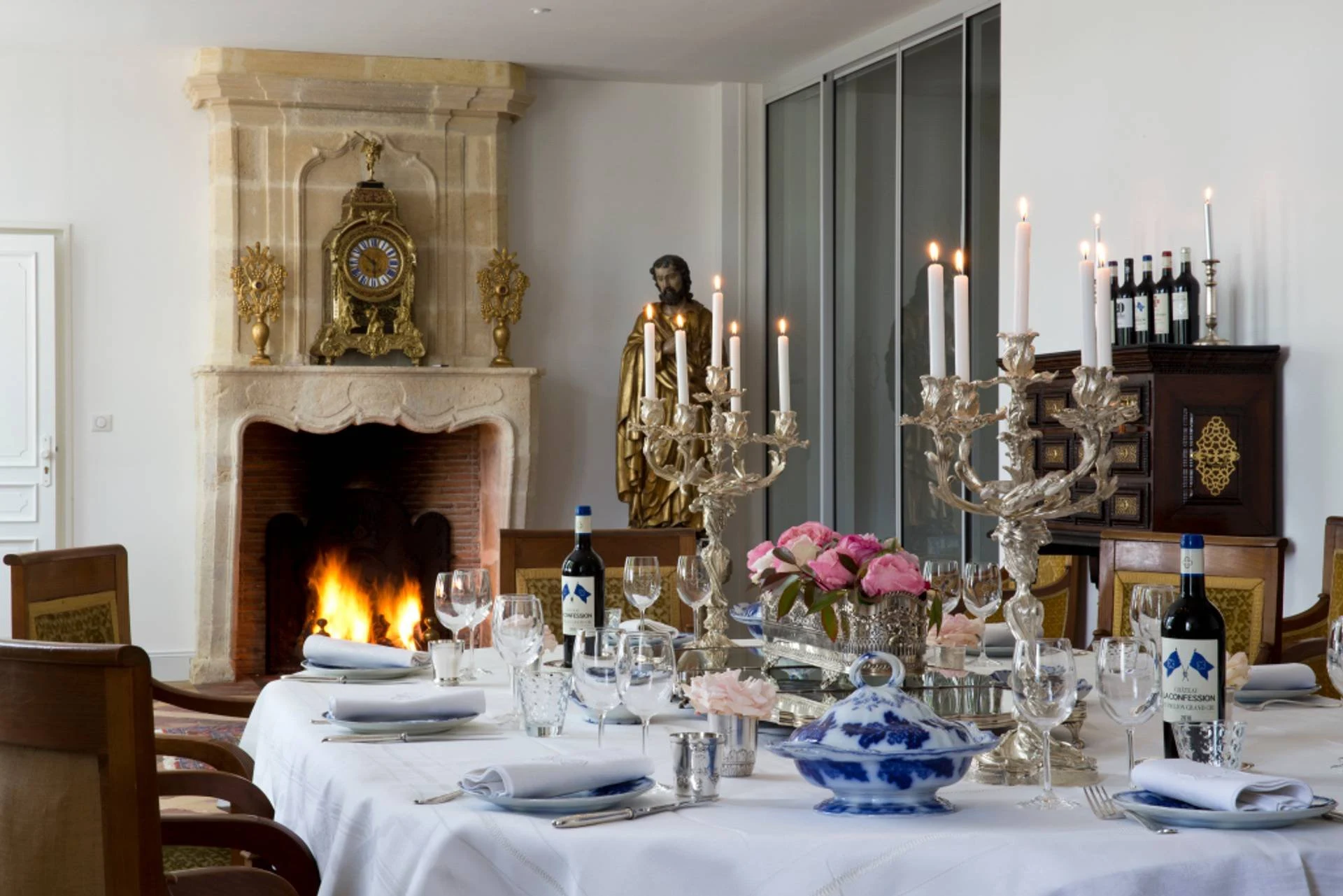
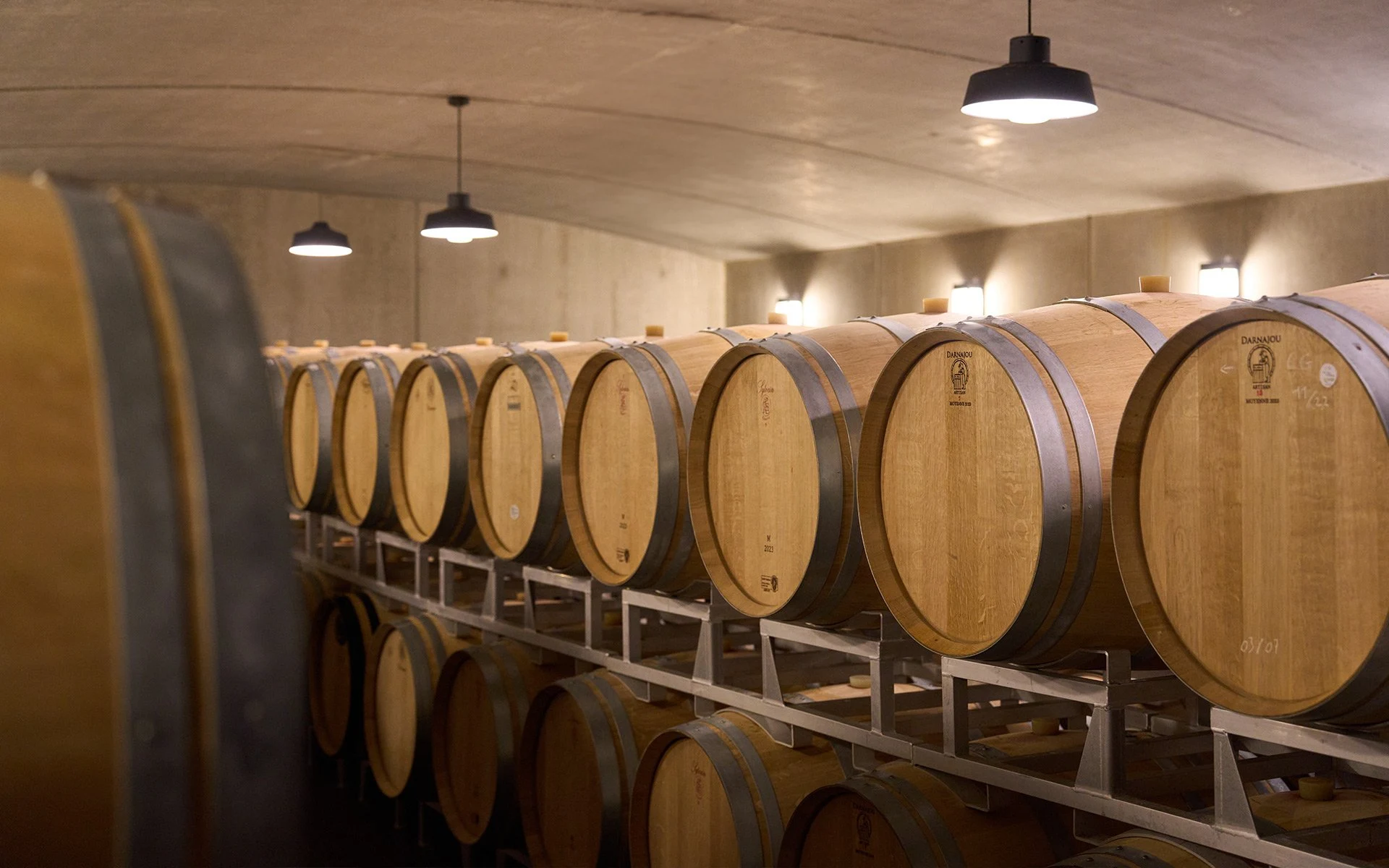
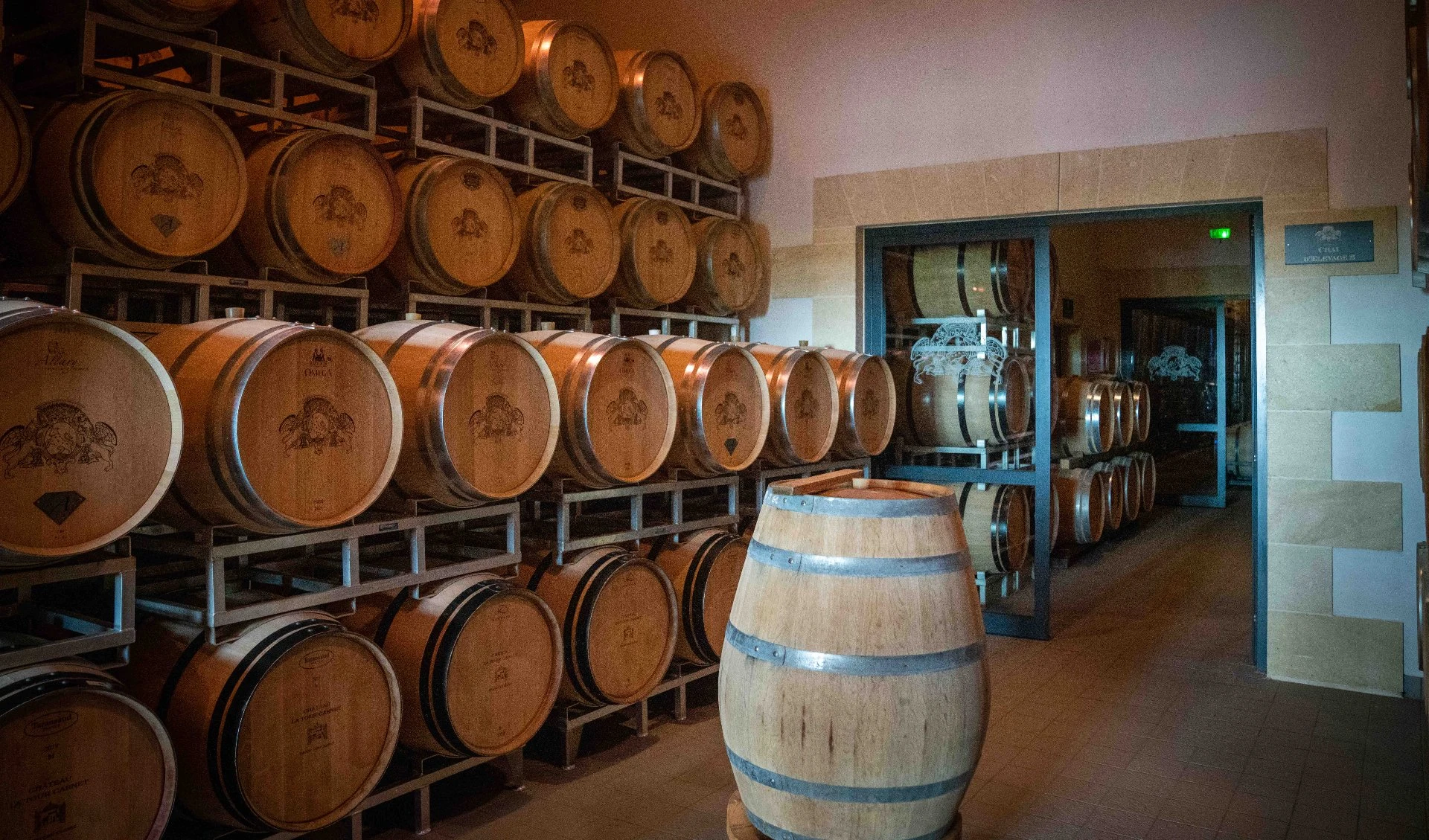
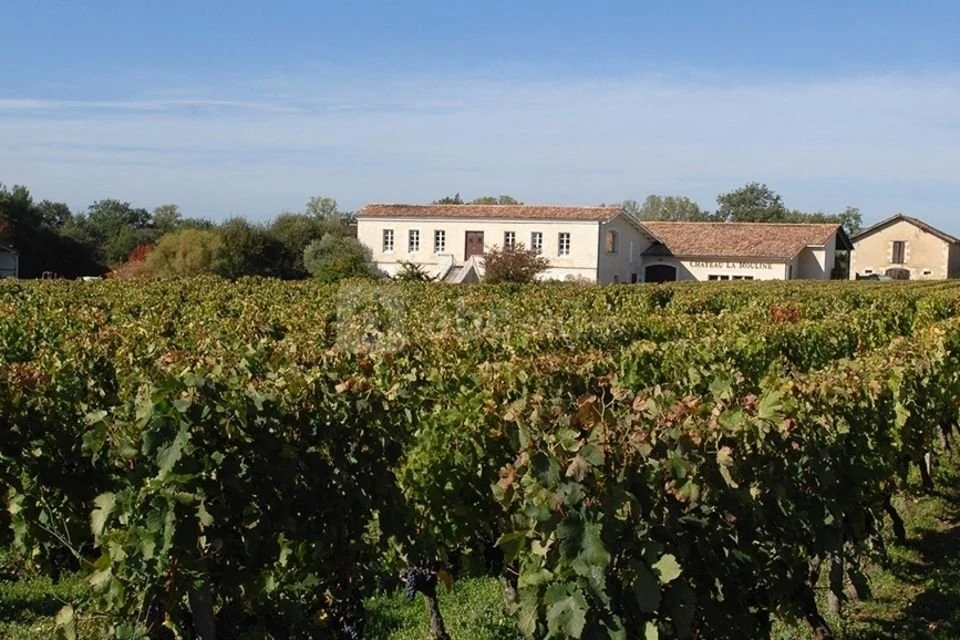
Château La Commanderie de Queyret
Saint Antoine Du Queyret, France
Château La Commanderie de Queyret is a rural Bordeaux estate in Saint Antoine Du Queyret, tied to Entre-Deux-Mers rather than the high-priced château circuit. Its interest lies in estate-grown Bordeaux and Bordeaux Supérieur wines, medieval stone architecture, and recent recognition for the 2022 Bordeaux Supérieur Révélation, awarded 95 points at the Decanter World Wine Awards.
● 1 artisanView →43.Winery
Domaine Charton
Mercurey, France
Domaine Charton is a family-run Mercurey domaine shaped by Côte Chalonnaise Pinot Noir, clay-limestone soils and a grower culture that values individual climats over polish. Its 11.50 hectares, organic viticulture since 2011 and focus on Mercurey Premier Cru “La Chassière” place it in the small-estate Burgundy conversation rather than the hospitality-driven tasting-room circuit.
● 1 artisanView →44.Winery
Château Saint-Vincent
Gilly, Switzerland
Château Saint-Vincent is a historic wine estate in Gilly, in Switzerland’s Vaud region, where La Côte’s lake-facing slopes shape Chasselas and Pinot Noir under the Grand Cru Gilly La Côte AOC designation. The draw is terroir rather than spectacle: cool-climate exposure, Lake Geneva’s moderating influence, and a lineage of vineyard activity reaching back to around 1000 AD.
● 1 artisanView →
45.Distillery
Roumpou Ouzo Distillery
Nafpaktos, Greece
Roumpou Ouzo Distillery operates in Nafpaktos, western Greece, at the intersection of traditional spirit-making and the country's broader craft distillation revival. The operation holds a Pearl 1 Star Prestige award for 2025, placing it in a recognized tier of Greek producers whose work draws serious attention beyond local markets. For visitors to the Gulf of Corinth coast, it represents a grounded encounter with ouzo as a regional craft product rather than a tourist commodity.
● 1 artisanView →
46.Winery
Ante Sladić Vino
Skradin, Croatia
Ante Sladić Vino is a small family winery near Skradin focused on indigenous Dalmatian grapes, organic viticulture, and seated tastings that link wine to place rather than spectacle. The draw is the Skradin hinterland itself: Debit, Maraština, Plavina, Lasina, and Tribidrag grown across contrasting soils, with olive oil and liqueurs extending the tasting beyond the glass.
● 1 artisanView →
47.Distillery
Caldera Distillery
Santorini, Greece
Caldera Distillery operates out of Perivolos on the southern end of Santorini, holding a Pearl 1 Star Prestige award from 2025. It sits within a distillery tradition that runs parallel to the island's better-known wine circuit, offering a production-focused alternative to the caldera-view tasting rooms that dominate the north. For visitors who have worked through the island's major wineries, Caldera Distillery represents a distinct category of Santorini spirits production.
● 1 artisanView →
48.Winery
Bodega Foster Lorca
Luján de Cuyo, Argentina
Bodega Foster Lorca reads as a modern Mendoza cellar rather than an old-family monument: landscaped gardens, Malbec vines, Andes views, and a production philosophy built around altitude, low yields, and minimal intervention. Its strength is terroir expression across Malbec, Bonarda, Cabernet Sauvignon, Syrah, and Cabernet Franc, supported by sustainability credentials and a polished tasting format in Luján de Cuyo.
● 1 artisanView →49.Winery
Château Saint-Estève
Lezignan Corbieres, France
Château Saint-Estève gives Corbières a clear terroir reading: pine forest, garrigue, rocky outcrops and organic farming rather than polished tasting-room theatre. The estate works across red, white and rosé, with reds tied to Grenache, Syrah and Cinsaut and a serious foothold in Cru Boutenac.
● 1 artisanView →
50.Winery
York Creek Vineyards
St. Helena, United States
York Creek Vineyards holds a Pearl 1 Star Prestige (2025) from EP Club, placing it within St. Helena's tier of estate producers drawing serious collector attention. Located on Langtry Road at the refined western edge of the appellation, the property occupies terrain that has long shaped Napa's reputation for structured, age-worthy reds. A reference address for those tracking the valley's quieter, allocation-driven producers.
● 1 artisanView →
51.Winery
Domaine Pierre Girardin
Meursault, France
Pierre-Vincent Girardin's Meursault-based domaine works premier cru holdings across Pommard, Santenay, Chassagne-Montrachet inside the...
● 1 artisanView →52.Winery
Cortes de Cima
Alentejo, Portugal
Cortes de Cima frames Alentejo wine through land rather than cellar theatre: inland Vidigueira soils, Atlantic-influenced coastal parcels, regenerative farming, and a tasting-room setting looking over rural vines. The estate’s recent shift toward organic, biodynamic, low-intervention production makes it a useful stop for understanding how Portugal’s warm southern wine country is being reinterpreted in 2026.
● 1 artisanView →
53.Distillery
Sonoma Brothers Distilling
Windsor, United Kingdom
Sonoma Brothers Distilling holds a Pearl 1 Star Prestige award (2025), placing it among Windsor's recognised craft producers. The operation sits within a wider regional conversation about artisan spirits and provenance-led production, drawing visitors who approach distilling with the same scrutiny they might bring to a single-vineyard wine or a small-batch barrel programme.
● 1 artisanView →54.Winery
Schloss Fels
Fels am Wagram, Austria
Schloss Fels is a historic municipal castle in Fels am Wagram with a civic cultural role rather than a conventional hospitality format. Its value lies in heritage access, local-history material, the municipal library, association use, and its place within Wagram’s town-and-wine context.
● 1 artisanView →55.Winery
SCEA Bédicheau Château LE BRUILLEAU
Saint Medard D Eyrans, France
A low-key Pessac-Léognan château estate in Saint Medard D Eyrans, SCEA Bédicheau Château LE BRUILLEAU is strongest when read through its soils and cellar choices. The appeal is classic Bordeaux rather than spectacle: Sauvignon Blanc and Sémillon from gravel ground, cool fermentation, lees texture, and a calm estate setting built for focused tasting.
● 1 artisanView →
56.Winery
Yao Family Wines
St. Helena, United States
Yao Family Wines holds a Pearl 1 Star Prestige rating from EP Club (2025), placing it among a selective tier of California producers whose ambitions reach beyond the domestic market. Based in Glen Ellen, the label operates with an eye on how Napa Valley's prestige red tradition translates to an international audience with sophisticated expectations around provenance and craft.
● 1 artisanView →
57.Bakery
Loiseau La Pâtisserie
Megève, France
Off-map uprising gem, little-known or hard-to-find pâtisseries, bakeries, afternoon teas, or dessert restaurants worth going the extra mile for.
● 1 artisanView →
58.Winery
Baša vino
Madrid, Spain
Baša vino is better understood through Rueda than through Madrid: a modern, quiet, intimate Spanish wine reference built around Verdejo, old vines, stainless-steel clarity, and Telmo Rodríguez’s broader recovery of historic vineyard sites. Its appeal is not ceremony but precision, with a $$ positioning and critic recognition that place it in the reliable, terroir-led drinking lane.
● 1 artisanView →59.Winery
Schloss Wachenheim
Wachenheim an der Weinstraße, Germany
Schloss Wachenheim is a historic Sekt house in Wachenheim an der Weinstraße, founded in 1888 and framed around Pfalz sparkling-wine culture rather than a small-estate tasting-room model. Its appeal is the château-and-cellar setting, the guided visitor format, and the unusual combination of regional identity with large-scale sparkling-wine production.
● 1 artisanView →
60.Winery
Pierde Almas
San Baltazar Chichicapam, Mexico
Pierde Almas operates out of San Baltazar Chichicapam, a small Sierra Sur village that has become one of Oaxaca's reference points for single-village mezcal production. The distillery earned a Pearl 1 Star Prestige award in 2025, placing it among a select tier of Mexican spirits producers recognised for terroir fidelity and production depth. For anyone tracing the geography of artisanal mezcal, this address matters.
● 1 artisanView →