The Places · Page 166
Where the artisans work.
01.Winery
Domaine Bernard Gripa
Mauves, France
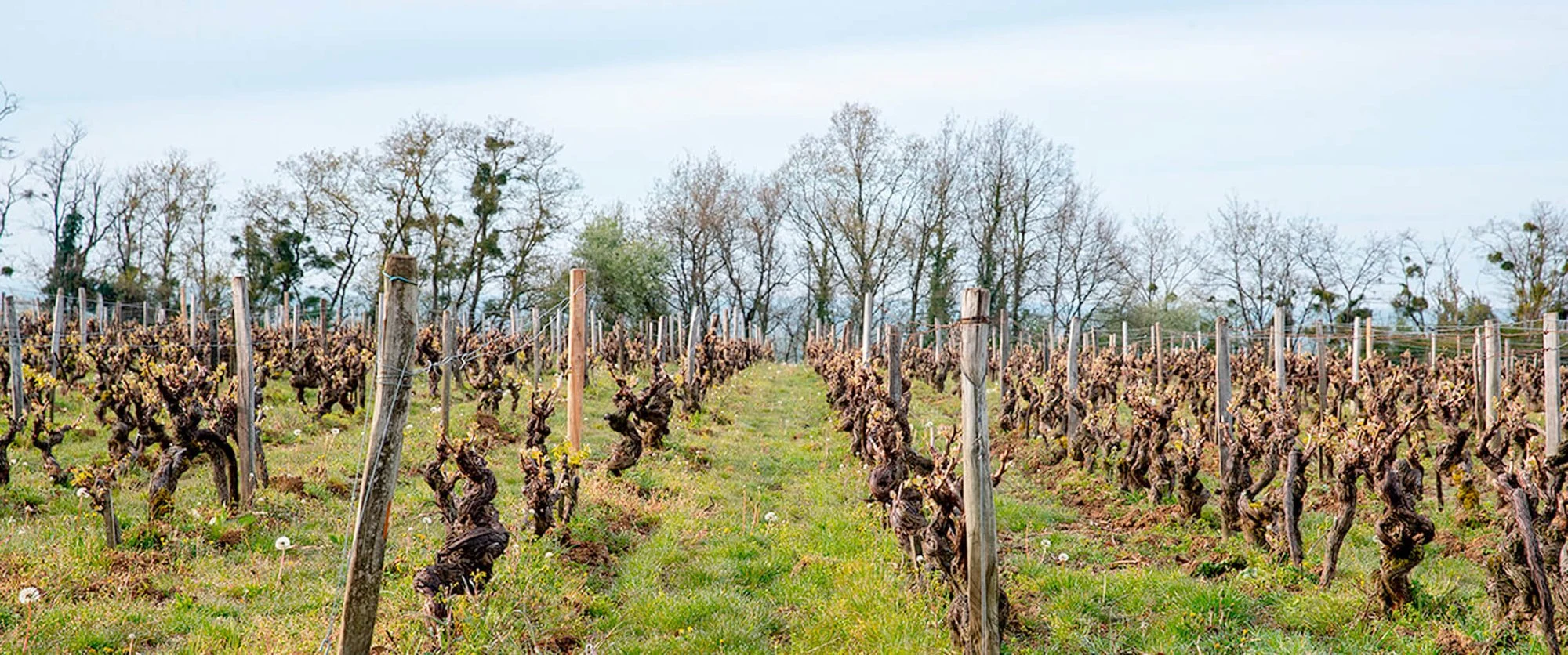
Domaine Bernard Gripa belongs to the old core of Saint-Joseph in Mauves, where granite and gneiss matter more than fashion. The estate’s classical range gives equal weight to Syrah, Marsanne, and Roussanne, with Saint-Péray whites adding a limestone-and-clay counterpoint to the sharper mineral register of Saint-Joseph.
● 1 artisanView →02.Winery
Schieferkopf
Reichsfeld, France
Schieferkopf is a terroir-led Alsace wine project in Reichsfeld, shaped by steep south-facing blue-schist slopes and a restrained Riesling-first identity. Its interest lies less in hospitality theater than in parcel expression: native yeast fermentation, foudre aging, organic sourcing signals, and a mineral style backed by Jancis Robinson attention.
● 1 artisanView →
03.Winery
Philip Shaw Wines
Orange, France
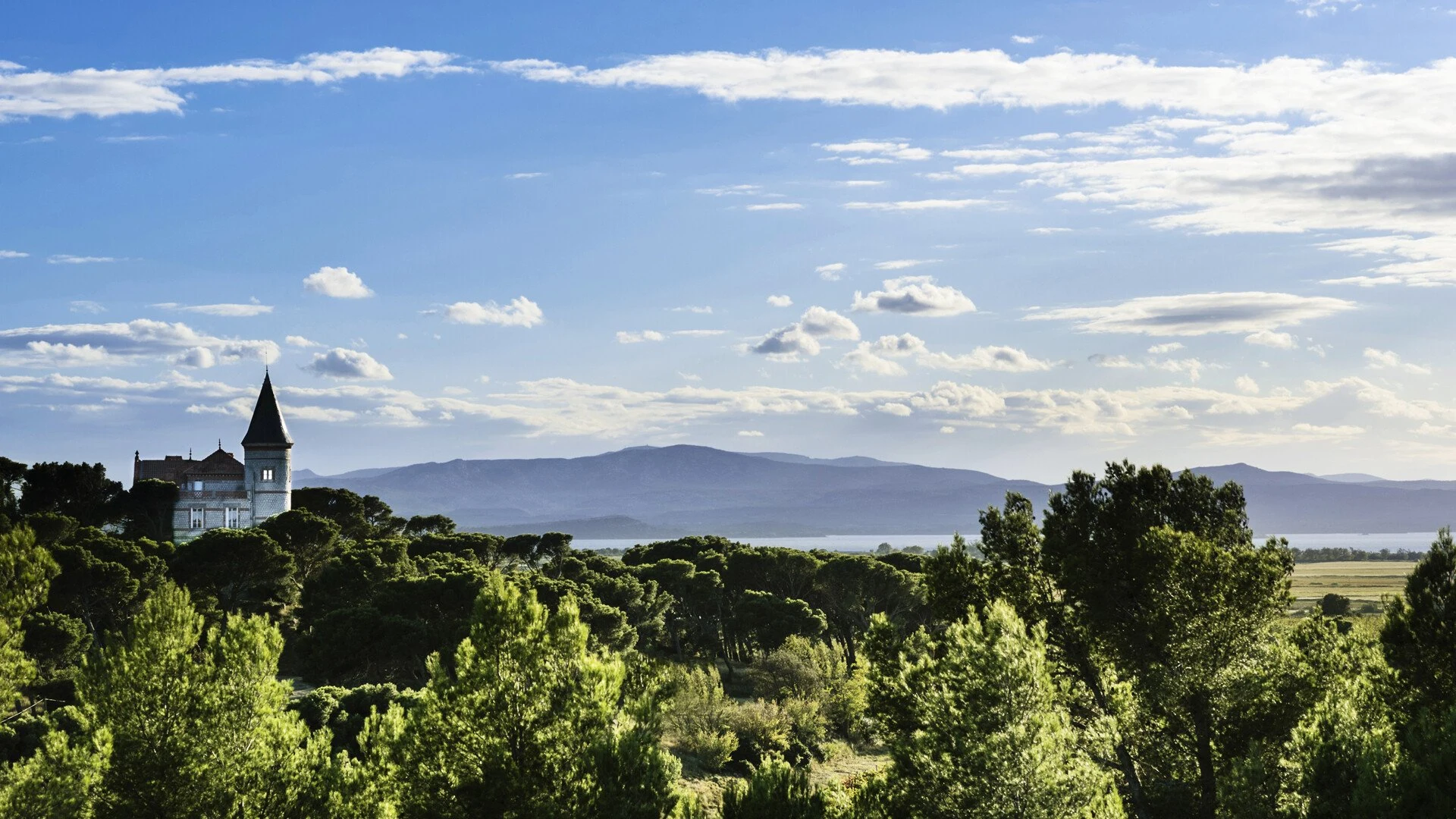
Philip Shaw Wines holds a Pearl 1 Star Prestige (2025) and represents Orange's cool-climate winemaking tradition at its most considered. The estate sits within a region where elevation and volcanic soils produce whites and reds of genuine structural tension. It belongs to a small tier of Orange producers whose work rewards serious attention.
● 1 artisanView →
04.american
The Harbinger Cafe & Bakery
Charleston, United States
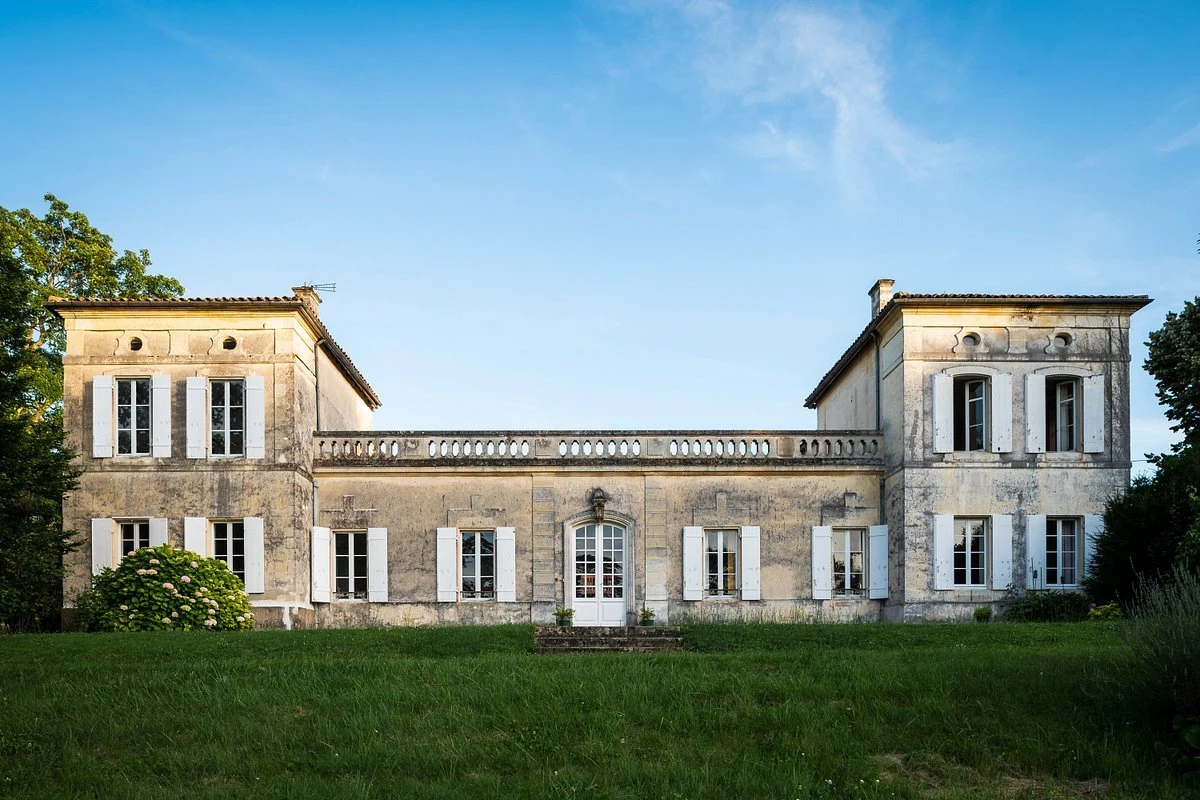
On Upper King Street, The Harbinger Cafe & Bakery has become one of Charleston's more reliable neighbourhood anchors, a daytime cafe with a 4.7 Google rating across 568 reviews and a 2025 Pearl Recommended designation. Under chef Brian Baxter, it holds a position on King Street that suits the block's shift toward local, daily-use dining rather than destination-only spending.
● 1 artisanView →
05.Winery
Buschenschank Seidl
Bad Gleichenberg, Austria
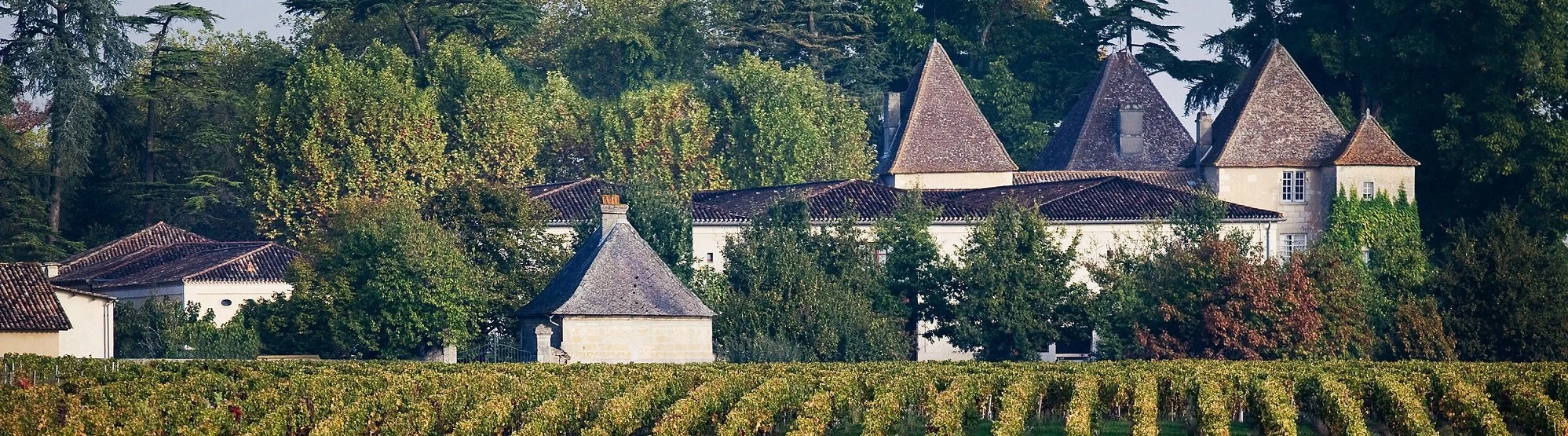
Buschenschank Seidl is a rural Styrian wine tavern in Bad Gleichenberg shaped by Buschenschank culture: estate wine, cold regional plates, rustic rooms, and a quiet family-run mood. Its interest lies less in ceremony than in Vulkanland Styria itself, where volcanic soils, farm produce, and Steirische Jausenkultur meet at table.
● 1 artisanView →
06.Winery
Bodegas Fuentespina
Fuentespina, Spain
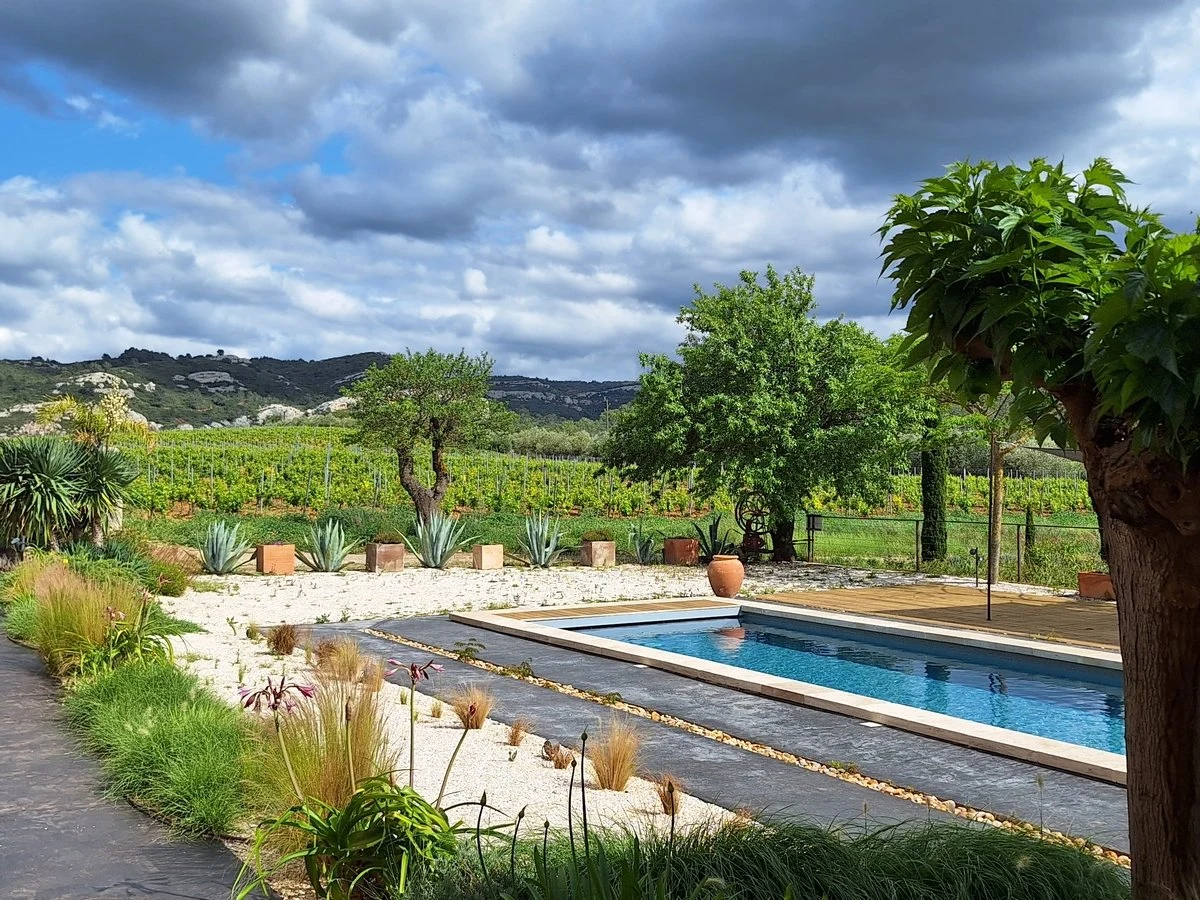
Bodegas Fuentespina is a working winery in Fuentespina with a classic, quiet, cellar-led character rather than a hospitality-first gloss. Its interest lies in Ribera del Duero’s high-altitude Tempranillo tradition, with a heritage thread tied to the Avelino Vegas family and a visitor account that points to barrel-room focus and a broad wine lineup.
● 1 artisanView →
07.Distillery
Achtung Gin
Bariloche, Argentina
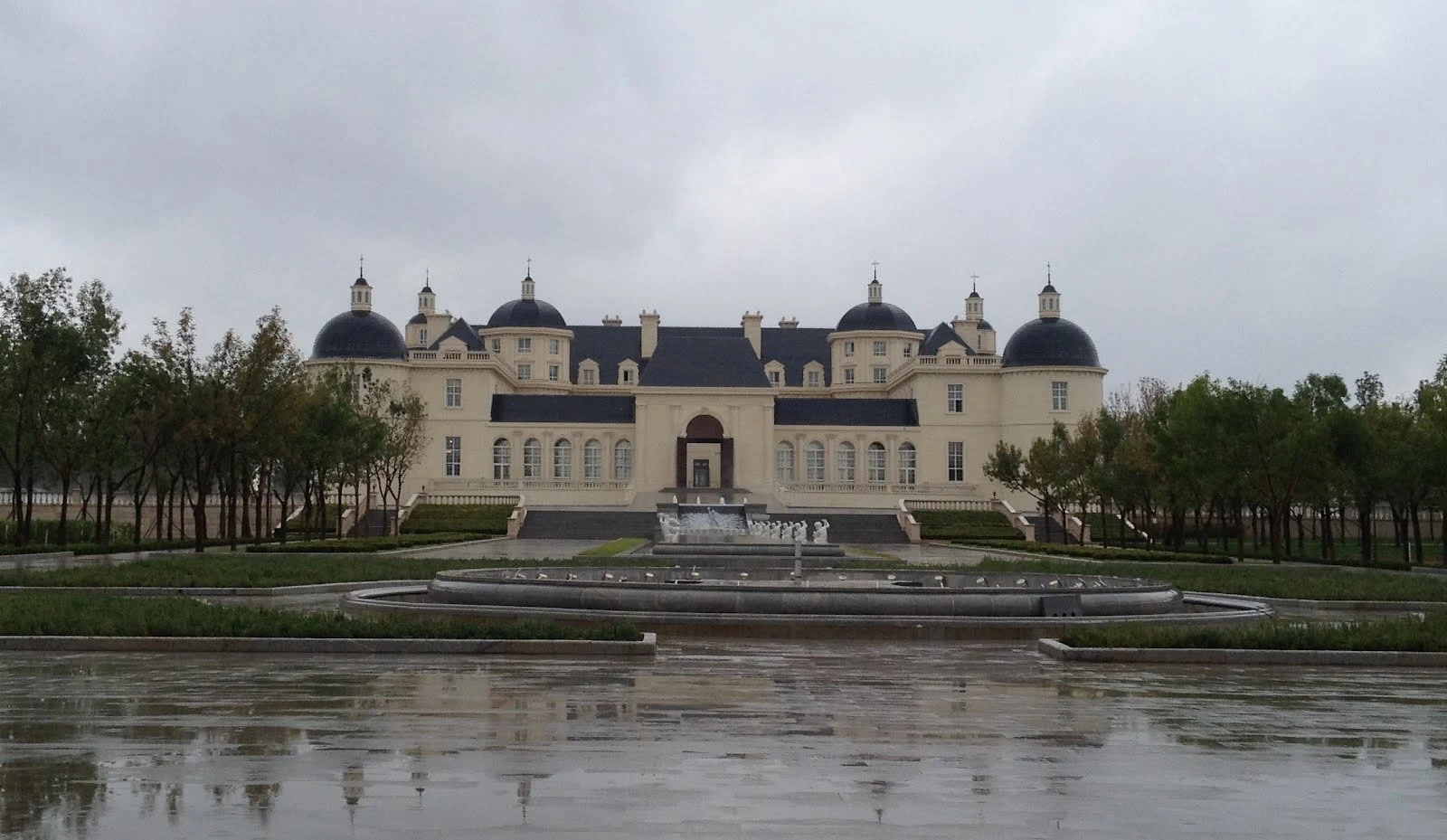
Achtung Gin earns its Pearl 1 Star Prestige (2025) in a city better known for chocolate shops and Patagonian wine than craft spirits. Operating in Bariloche, where the cold-clean air and Andean botanicals create conditions that few gin producers elsewhere can replicate, it represents the sharper, more technical edge of Argentina's emerging distilling scene.
● 1 artisanView →08.Winery
Schlossgut Ebringen
Ebringen, Germany
Schlossgut Ebringen is a Baden estate winery shaped by Markgräflerland slopes, limestone-rich loess loam soils and a cellar tradition tied to an old castle cellar. The range is anchored in Pinot Noir, Weissburgunder, Chardonnay, Sauvignon Blanc, Grauburgunder and Gutedel, with a quiet estate atmosphere that suits visitors interested in terroir rather than spectacle.
● 1 artisanView →
09.Winery
Domaine Rapet Père et Fils
Pernand-Vergelesses, France
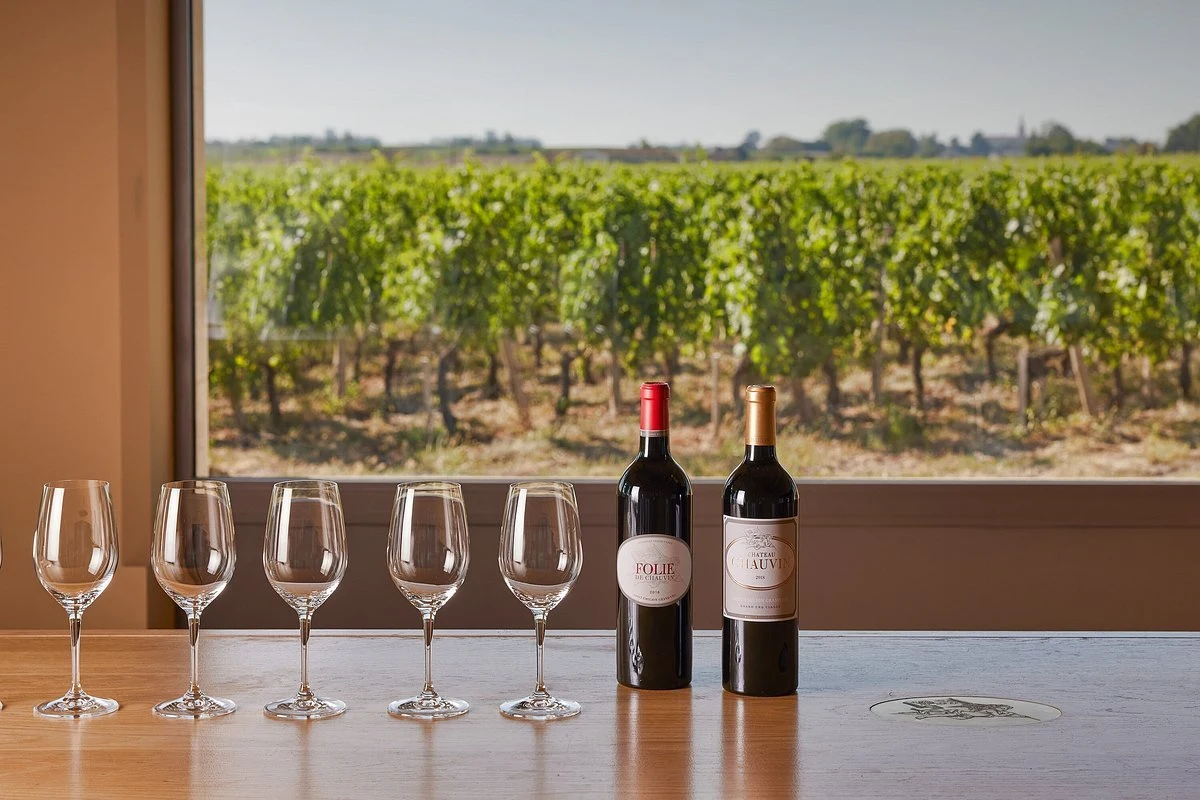
Eighth-generation Burgundy domaine in Pernand-Vergelesses. Vincent Rapet runs 0.60ha Corton-Charlemagne parcel; no-MLF protocol on whites.
● 1 artisanView →10.Winery
Château Mont-Pérat
Naujan Et Postiac, France
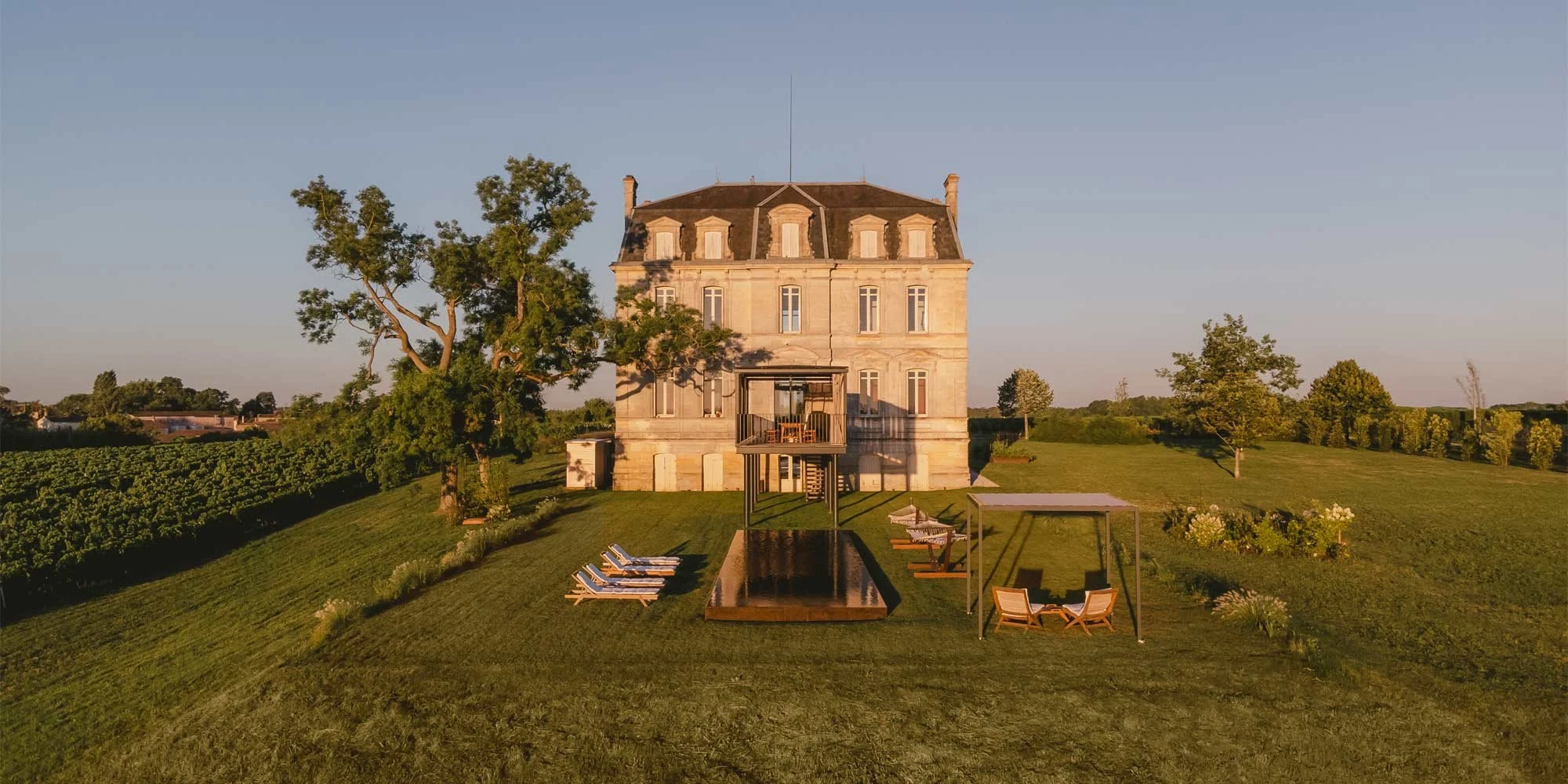
Château Mont-Pérat sits in Bordeaux’s quieter Entre-Deux-Mers orbit, where clay-gravel slopes and maritime weather shape fresh whites and supple reds rather than trophy-label theatre. The estate’s strength is terroir legibility: Sauvignon Blanc and Sémillon for dry white Bordeaux, Merlot with Cabernet varieties for red, and a calm vineyard atmosphere in Naujan Et Postiac.
● 1 artisanView →11.Winery
Schlosskellerei Korb
Eppan, Italy
Schlosskellerei Korb places South Tyrolean wine in a castle-and-vineyard setting above Eppan, with mountain views, cellar tastings, and a portfolio that spans Alpine whites, local reds, and international varieties. The draw is less urban tasting-room polish than the meeting of place, altitude, and historic architecture in one compact wine-country visit.
● 1 artisanView →12.Winery
Domaine du Carrou
Bué, France
Domaine du Carrou is a family-run Sancerre estate in Bué, where Sauvignon Blanc is read through limestone, altitude, and a restrained cellar approach rather than through design spectacle. The draw is terroir clarity: sustainable farming across 11.3 hectares, indigenous-yeast fermentations, and stainless-steel élevage that keeps Bué’s calcareous profile in sharp focus.
● 1 artisanView →
13.Winery
Apothic Wines
Modesto, United States
Apothic Wines belongs to the modern California red-blend movement rather than the estate-tasting-room tradition. Built in Modesto under the E. & J. Gallo orbit, the label favors dark visual branding, smooth fruit-forward blends, and at-home formats over vineyard ceremony, making it a useful lens on how mass-market wine learned to speak with mood, consistency, and immediate flavor cues.
● 1 artisanView →
14.Winery
Binè
Novi Ligure, Italy
Binè is a family-run wine estate and agriturismo in Novi Ligure, set within the Gavi DOCG hills where Cortese is shaped by maritime air from Liguria and the warmer pull of Piedmont’s inland slopes. Its appeal lies in the combination of an 11-hectare contiguous vineyard, a circular vineyard layout, farmhouse hospitality, and a wine-bar rhythm built around local products and aperitivo culture.
● 1 artisanView →
15.Winery
Bureau Interprofessionnel des Vins de Bourgogne (BIVB)
Beaune, France
BIVB, now operating as Comité Bourgogne, is not a cellar-door estate but Burgundy’s professional nerve centre in Beaune. Its value lies in how it explains the region: 100 AOCs, a production hierarchy where Grand Cru accounts for 1%, and a governing model built around growers, merchants, and cooperatives rather than a single domaine narrative.
● 1 artisanView →
16.american
Macrina Bakery & Cafe
Seattle, United States
Macrina Bakery & Cafe on Seattle's First Avenue has built a durable reputation in the city's bread-focused dining tier, earning consecutive Opinionated About Dining Cheap Eats rankings in 2023, 2024, and 2025. The café format suits both a slow morning and a quick counter stop. For Seattle's serious bakery scene, it sits in the reference tier alongside Bakery Nouveau.
● 1 artisanView →
17.Winery
Domaine Claude Dugat
Gevrey-Chambertin, France
Claude Dugat's 5-hectare Gevrey-Chambertin domaine sits in the moderate-extraction, older-barrel school. Village parcels, Lavaux Saint-Jacques...
● 1 artisanView →
18.Winery
Bodegas Marta Maté
Tubilla Del Lago, Spain
Bodegas Marta Maté is a countryside Ribera del Duero winery in Tubilla Del Lago, shaped by high-altitude Tinto Fino, old village plots, and a restrained cellar approach rather than architectural display. Its strongest case is terroir: small parcels, manual sorting, gravity handling, indigenous yeasts, and barrel maturation under the building all point toward a producer built around land before spectacle.
● 1 artisanView →
19.Distillery
Still Austin Whiskey Co.
Austin, United States
Still Austin Whiskey Co. holds a Pearl 1 Star Prestige award (2025), placing it among a selective tier of American craft distilleries earning serious recognition outside the established Kentucky corridor. Located at 440 E St Elmo Rd in South Austin, the distillery operates as both a working production facility and a tasting destination within a city that has built a credible independent spirits scene over the past decade.
● 1 artisanView →20.Winery
Col Del Balt
Valdobbiadene, Italy
Col Del Balt belongs to the smaller, more terroir-driven side of Valdobbiadene: a family-run Prosecco estate focused on estate-grown Glera, low-intervention farming, and Millesimato bottlings rather than polished hospitality theater. Its strongest argument is place, with the steep UNESCO-listed hills and Alpine influence shaping a leaner, more site-specific reading of Prosecco Superiore DOCG.
● 1 artisanView →21.Winery
SCEA Despange Rive Droite
Naujan Et Postiac, France
SCEA Despange Rive Droite is a rural Bordeaux winery in Naujan Et Postiac, set in Entre-Deux-Mers and shaped around estate tastings, cellar visits, and a quiet vineyard atmosphere. Its appeal is less about trophy signaling than about a grounded reading of Bordeaux outside the usual grand-château circuit, with sustainable viticulture and family heritage forming the frame.
● 1 artisanView →22.Winery
Contromano
Sirmione, Italy
Contromano belongs to the quieter side of Sirmione’s wine map: a small producer associated with Lugana and frizzante bottlings rather than cellar-door theatre. Its relevance is terroir-led, tied to Lake Garda’s southern shore, Turbiana-based Lugana, and a compact portfolio that reads more regional than collector-driven.
● 1 artisanView →23.Winery
Schatoh Feldmark
Bargteheide, Germany
Schatoh Feldmark brings northern German wine into focus through organic PIWI varieties, guided tastings, and a small vinothek format in Bargteheide. Its significance is less about trophy labels than regional first-mover status: Stormarn’s first winery, built around ecological growing and a cool-climate idea of place near Hamburg.
● 1 artisanView →
24.Winery
Bodegas Mauro
Tudela Del Duero, Spain
Bodegas Mauro sits in Tudela del Duero with a Duero Valley identity that matters precisely because it operates outside the Ribera del Duero DO line. Founded in 1980 by Mariano García, former head winemaker at Vega Sicilia, it works in a restrained, parcel-focused register: old vines, calcareous clay soils, Tempranillo-led reds, and a cellar logic built for balance rather than show.
● 1 artisanView →25.Winery
Domaine In Vinhys
Florensac, France
A small Florensac wine estate shaped by the Côtes de Thau and the cooling pull of the nearby lagoon. Domaine In Vinhys is for travelers who care less about grand château theater and more about human-scale Languedoc: Syrah, Cinsault, Sauvignon, Viognier and Grenache Blanc grown with low-intervention farming and poured in an appointment-led setting.
● 1 artisanView →26.Winery
Seewirt Karner
Podersdorf am See, Austria
Seewirt Karner is a lakeside restaurant and hotel in Podersdorf am See shaped by Lake Neusiedl rather than formal dining theatre. The draw is direct water access, a terrace-and-garden setting, local wine service, and a summer-house rhythm that suits families, groups, and sunset-led meals.
● 1 artisanView →
27.Winery
Alcovin Măcin
Macin, Romania
Alcovin Măcin is a Dobrogea winery shaped by the Măcin Mountains, limestone-clay-sand soils, and a post-2002 revival of commercial wine in this corner of Romania. Its scale, Royal House supplier status, and portfolio across Pelegrin, Curtea Regală, Renatus, Tres Rosae, and Trei make it a useful lens on how Măcin’s wine identity has moved from regional memory into modern production.
● 1 artisanView →28.Winery
Sektmanufaktur hattemer
Gau Algesheim, Germany
Sektmanufaktur Hattemer is a small Rheinhessen sparkling-wine producer in Gau-Algesheim, founded in 2015 by Anika Hattemer-Müller. The draw is a focused Sekt identity, estate grapes from Goldberg and Johannisberg, and a quiet tasting format built around guided visits and direct wine sales rather than large-scale cellar tourism.
● 1 artisanView →29.Winery
Domaine Jobard François et Antoine
Meursault, France
Domaine Jobard François et Antoine belongs to the production-led side of Meursault: small scale, white-wine focus, and a reputation built more through cellars and allocations than visitor theatre. Its 6 hectares are given over to Chardonnay, with 95% in Meursault AOC and a small Puligny-Montrachet component, making it a serious reference point for drinkers who care about soil, ageing, and restraint.
● 1 artisanView →
30.Winery
Alto de la Ballena
Maldonado, Uruguay
A small hillside winery in Maldonado, Alto de la Ballena reads the region through Tannat-led blends, coastal air, mineral soils, and a tasting format built around the vineyard rather than a polished cellar-door routine. Founded in 2001 by Paula and Alvaro, it helped establish serious wine production in the Sierra de la Ballena and remains a sharp lens on Uruguay’s boutique-winery turn.
● 1 artisanView →31.Winery
Schloss Frankenberg
Weigenheim, Germany
Schloss Frankenberg brings Franconian wine country into a restored 13th-century castle setting in Weigenheim, with white-wine culture, heritage architecture, and serious dining carrying the experience. Its strongest signal is the combination of a Michelin-starred Le Frankenberg, a traditional Franconian Amtshaus, guided tastings, and a 27-room hotel built around the rhythms of a historic estate.
● 1 artisanView →
32.other
Lille bakery
Copenhagen, Denmark
On Refshalevej in Copenhagen's Refshaleøen district, Lille Bakery has earned consecutive top-ten rankings from Opinionated About Dining's Cheap Eats in Europe list, reaching as high as number four in 2023. Open Wednesday through Sunday, this compact operation under chef Milton Abel represents the city's tradition of serious craft baking outside the fine-dining circuit, a place where the occasion is the bread itself.
● 1 artisanView →33.Winery
Domaine de la Rochette
Cressier, Switzerland
Domaine de la Rochette is a private Pinot Noir estate in Cressier, shaped by Neuchâtel limestone, old massale-selection vines, and a cellar style built around whole clusters, indigenous yeasts, and French oak without overt oak imprint. Founded in 1999 by Jacques Tatasciore, it belongs to the rare Swiss wine category where reputation travels through allocations, sommelier lists, and bottles rather than visitor hospitality.
● 1 artisanView →34.Winery
Serre
Farra di Soligo, Italy
Serre is a family-run wine property in Farra di Soligo, tied to the steep Combai hills and the Valdobbiadene DOCG tradition. Its appeal is terroir-led rather than trophy-led: Glera, Verdiso, manual hillside work, sustainable farming, and a quiet tasting format shape the visit.
● 1 artisanView →35.Winery
Domaine Alain Geoffroy
Beine, France
Domaine Alain Geoffroy is a family-run Chablis estate in Beine, shaped by five generations of vineyard work and a cellar culture built around terroir rather than spectacle. Its appeal lies in Kimmeridgian-grown Chardonnay, estate bottling, a rustic tasting cellar, and a corkscrew and vineyard museum with more than 8,000 objects.
● 1 artisanView →
36.italian
Il Borro
San Giustino Valdarno, Italy
Il Borro is a medieval Tuscan hamlet and Ferragamo family-owned estate spanning 2,700 organic acres in the Valdarno, where wine production, agrarian tradition, and Italian Tuscan cooking under Chef Andrea Campani converge in a single address. Holding a 4.6 Google rating across more than 1,000 reviews, it sits within a Relais & Châteaux portfolio that signals a specific tier of rural Italian hospitality, intimate in scale, rooted in place, and structured around the land it occupies.
● 1 artisanView →37.Winery
Château Fourcas Dupré
Puisseguin, France
Château Fourcas Dupré reads as a Left Bank address for drinkers who care about soil before spectacle. Its Listrac-Médoc reds draw from a 46-hectare contiguous vineyard on Pyrenean gravel over clay-limestone, with Cabernet Sauvignon, Merlot, Petit Verdot and occasional Cabernet Franc shaping a structured, age-capable Bordeaux profile.
● 1 artisanView →38.Winery
Consorzio Tutela Vini Colli Orientali del Friuli e Ramandolo
Cividale del Friuli, Italy
A wine-learning address rather than a cellar-door tasting room, Consorzio Tutela Vini Colli Orientali del Friuli e Ramandolo is useful for understanding why this corner of Friuli carries more nuance than its quiet profile suggests. The story is terroir first: ponca soils, Alpine-Adriatic tension, native varieties, and a regulatory framework that protects roughly 200 producers across 14 municipalities.
● 1 artisanView →
39.Winery
Ambrogio e Giovanni Folonari Tenute
Greve in Chianti, Italy
Ambrogio e Giovanni Folonari Tenute reads Tuscany through estate agriculture rather than cellar theatrics: Chianti Classico, Super Tuscan, Brunello, Bolgheri, and Maremma expressions sit within one family-led frame. In Greve in Chianti, the appeal is the contrast between Renaissance architecture, working vineyards, and a modern cellar language shaped by a Folonari wine history that reaches back to the late 1700s.
● 1 artisanView →
40.Winery
Andersen Winery
Knebel, Denmark
Andersen Winery gives Denmark’s cool-climate wine conversation a sharper edge: sparkling wines built from Danish fruits and berries rather than a conventional grape-vineyard script. In Knebel, within the Mols Bjerge setting, the appeal is less about cellar-door spectacle than about Nordic raw material, bottle-fermented technique, and a tasting format shaped around food pairing.
● 1 artisanView →
41.Winery
Bott Frygies
Komarno, Slovakia
Bott Frygies belongs to southern Slovakia’s quieter Danube wine story, where volcanic clay, limestone and cross-border Hungarian grape traditions matter more than cellar theatrics. The Komarno address is relevant for drinkers who care about natural, terroir-led wine: organic and biodynamic farming, native fermentation, oak and amphora work, and a portfolio built around Furmint, Hárslevelű, Juhfark, Kadarka and Kékfrankos.
● 1 artisanView →
42.Patisserie
Luca Mannori
Prato, Italy
Nata da una passione viscerale e romantica per il cioccolato, quest’insegna ha la sua anima in Luca Mannori, ex bancario che decise di rilevare la latteria di famiglia, portandola nel tempo a essere u…
● 1 artisanView →43.Winery
Château Saint Jean d’Aumières
Kanton Gignac, France
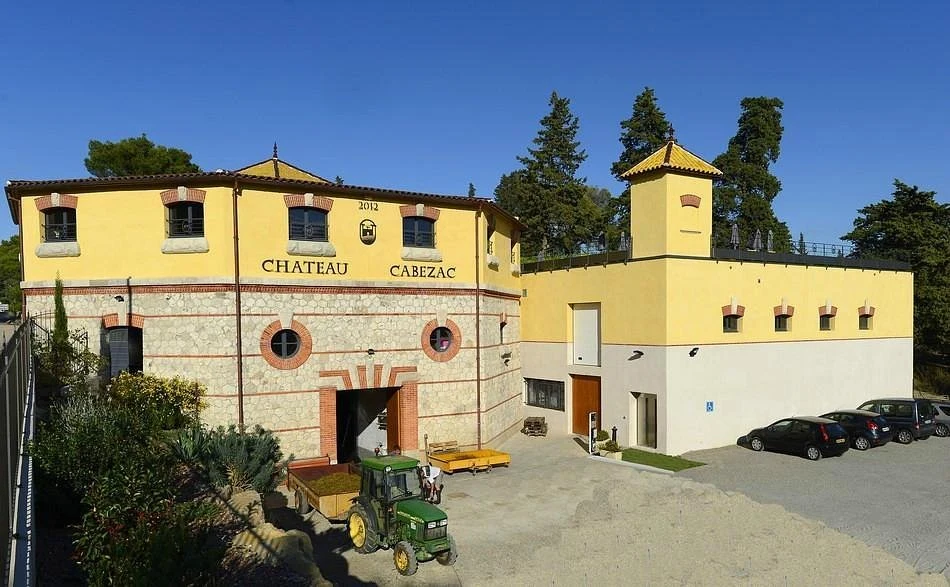
Château Saint Jean d’Aumières gives the Gignac wine route a clear Languedoc accent: limestone slopes, Mediterranean warmth, and the garrigue character associated with the upper Hérault valley. The estate is strongest as a terroir stop rather than a trophy-label appointment, with red, white, and rosé production tied to IGP Saint-Guilhem-le-Désert and Terrasses du Larzac context.
● 1 artisanView →44.Winery
Barone di Villagrande
Milo, Italy
Barone di Villagrande is a historic Milo estate and a key stop for Etna Bianco Superiore, Carricante and the eastern-slope white-wine side of Mount Etna.
● 1 artisanView →45.Winery
Siddùra
Luogosanto, Italy
Siddùra puts Gallura’s granite-country wine culture into a polished estate setting near Luogosanto, with Vermentino di Gallura DOCG as the key reference point. The experience is built around guided tastings, private visits, vineyard views, and a quiet rural atmosphere rather than urban tasting-room theatre.
● 1 artisanView →
46.american
Dynamo Donut & Coffee
San Francisco, United States
Dynamo Donut & Coffee at 2760 24th Street is a Mission District fixture ranked on Opinionated About Dining's Cheap Eats in North America list three consecutive years (2023 to 2025), reaching #398 in 2024. The operation centers on creative doughnuts made under chef Sarah Spearin, drawing a cross-section of the neighborhood alongside visitors who treat it as a reference point for San Francisco's serious casual food culture.
● 1 artisanView →
47.Winery
Bodegas Darien
Logroño, Spain
Bodegas Darien places Rioja wine tourism inside a contemporary architectural frame in Logroño, with Tempranillo at the center of the portfolio and design treated as part of the tasting context. Its strongest signal is the Best of Wine Tourism 2009 architecture award, which puts the visit closer to a study of Rioja’s modern visitor culture than a purely cellar-led stop.
● 1 artisanView →48.Winery
Sektmanufaktur Josef Dockner
Krems At The Donau, Austria
Sektmanufaktur Josef Dockner brings Austria’s sparkling-wine culture into a vineyard-facing Heuriger format in Krems At The Donau. The draw is the connection between Kremstal place, cellar-lane atmosphere, traditional Sekt production, terrace seating, and a food-and-wine tasting style built for groups, celebrations, and slower regional wine travel.
● 1 artisanView →
49.Winery
Askerne Estate Winery
Havelock North, New Zealand
Askerne Estate Winery fits the relaxed Hawke’s Bay cellar-door tradition: estate-grown wines, a casual vineyard setting, and a format that works for mixed groups rather than formal collectors only. The Havelock North estate is strongest as a terroir-led stop, with Tuki Tuki Riverbed soils, coastal influence, and a broad portfolio spanning aromatic whites, reds, rosé, sparkling, and dessert wine.
● 1 artisanView →50.Winery
Corvo
Casteldaccia, Italy
Corvo gives Casteldaccia a direct line into Sicily’s long wine memory: Zibibbo beginnings in 1824, historic cellars, and a portfolio built around island varieties such as Nero d’Avola, Grillo and Frappato. Its interest lies less in boutique scarcity than in scale with continuity, where regional breadth, grower relationships and two centuries of production shape the glass.
● 1 artisanView →
51.Winery
Bodegas Olimpia
Caseda, Spain
Bodegas Olimpia gives Navarra’s inland wine country a focused, family-run expression: native Garnacha and Graciano, estate vineyards in Artajona and Lerga, concrete vinification, and oak ageing across French, American, and Navarra barrels. The draw is not spectacle but continuity, with a three-generation viticultural line translated into calm, traditional production in Caseda.
● 1 artisanView →
52.Winery
Bodegas y Viñedos Pintia
San Roman De Hornija, Spain
Bodegas y Viñedos Pintia is a production-led Toro estate from the Vega Sicilia family, built around Tinta de Toro, old-vine concentration, and the severe continental conditions of Castilla y León. Its interest lies less in cellar-door theatre than in how altitude, low rainfall, gravel, rocky soils, and new-oak ageing translate Toro power into a more disciplined frame.
● 1 artisanView →53.Winery
Schlossgut Istein
Istein, Germany
Schlossgut Istein is a small Baden estate winery shaped by the Kirchberg vineyard, where steep south-southwest exposures and calcareous soils define the house identity. The draw is not spectacle but site: Gutedel, Pinot varieties, Riesling and traditional-method sparkling wines tied to one historic viticultural setting in Istein.
● 1 artisanView →
54.Bakery
Maison Arnaud Larher Caulaincourt
Paris, France
Flagship Montmartre boutique of Meilleur Ouvrier de France Arnaud Larher, renowned for inventive pâtisseries, macarons and chocolates crafted by a master pâtissier-chocolatier. This pastry boutique in Paris, France is represented in the 2026 Relais Desserts member directory.
● 1 artisanView →
55.Winery
Muse Vineyards
Woodstock, United Kingdom
Muse Vineyards holds a Pearl 1 Star Prestige (2025) and sits within the understated English wine scene around Woodstock, where chalk and clay soils are quietly reshaping expectations for domestic viticulture. The property operates at a tier defined by critical recognition rather than volume, making it a reference point for understanding what English terroir can produce at its most considered.
● 1 artisanView →56.Winery
Scarzello
Barolo, Italy
Scarzello is a small family-run Barolo estate focused on Nebbiolo, traditional cellar work, and site expression from holdings that include Sarmassa and Terlo. The draw is not spectacle but a quiet cellar format, guided tasting, long macerations, large oak cask aging, and a compact portfolio that reads clearly within Barolo’s classical tradition.
● 1 artisanView →57.Winery
Serra Ferdinandea
Menfi, Italy
Serra Ferdinandea is a biodynamic wine estate in Menfi shaped by limestone-derived soils, mid-elevation vineyards, Mediterranean scrub, woods, bees, livestock, and heritage crops. Its appeal is less about trophy labels than terroir architecture: a Sicily-France project where still red, white, and rosé wines sit inside a wider agricultural organism.
● 1 artisanView →
58.american
Huckleberry Café & Bakery
Los Angeles, United States
A Santa Monica institution on Wilshire Boulevard, Huckleberry Café & Bakery has held a place on Opinionated About Dining's North America Cheap Eats list for three consecutive years (2023 to 2025). The all-day café format draws a loyal neighborhood crowd from opening at 7 am through the 3 pm close, making it a reliable address for morning meals and weekend gatherings in the west side.
● 1 artisanView →
59.Distillery
Loysch Distillery
Klosterneuburg, Austria
Loysch Distillery earned a Pearl 1 Star Prestige in 2025, placing it among a small tier of Austrian craft spirits producers gaining formal recognition beyond the wine-dominant Klosterneuburg region. Located just outside Vienna in the Wagram and Danube corridor, the distillery represents a category of Austrian producers translating regional agricultural character into distilled form rather than fermented.
● 1 artisanView →60.Winery
Sektkellerei Inführ KG
Klosterneuburg, Austria
Sektkellerei Inführ KG is a Klosterneuburg sparkling-wine cellar with a production-led visit: historic cellar spaces, tank halls, and a modern filling line rather than a broad tasting-room spectacle. The draw is Austrian Sekt craft seen through process, with guided and private tastings suited to wine education, groups, and corporate visits.
● 1 artisanView →