The Places · Page 176
Where the artisans work.
01.Winery
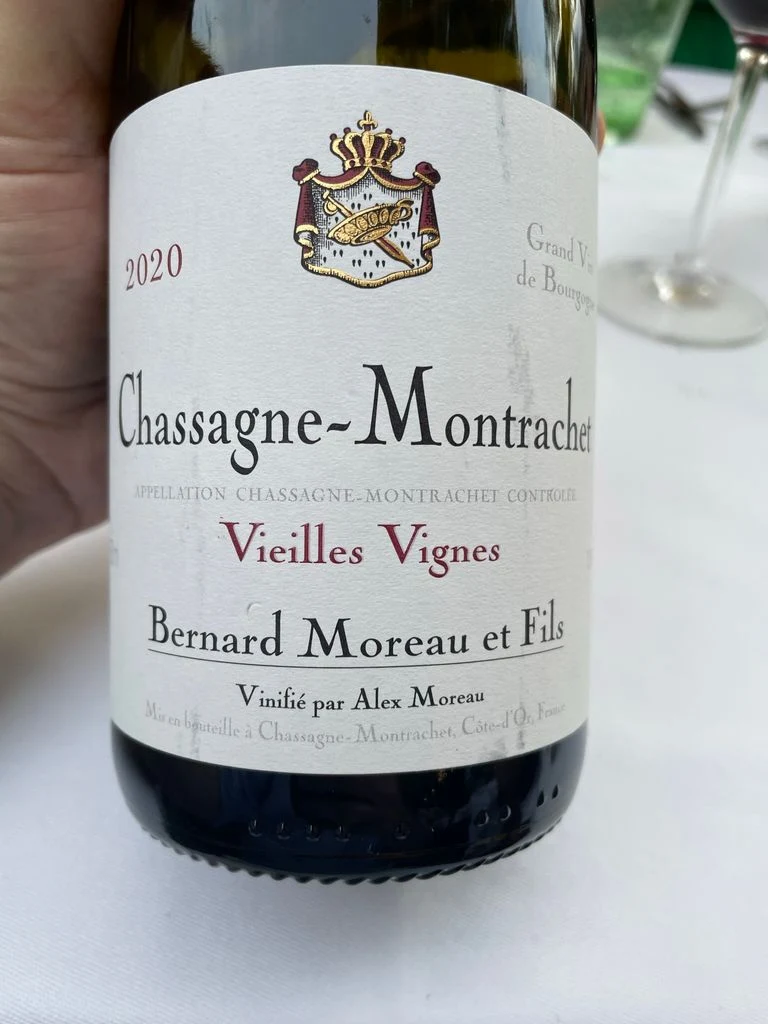
Domaine Bernard Moreau Et Fils
Chassagne-Montrachet, France
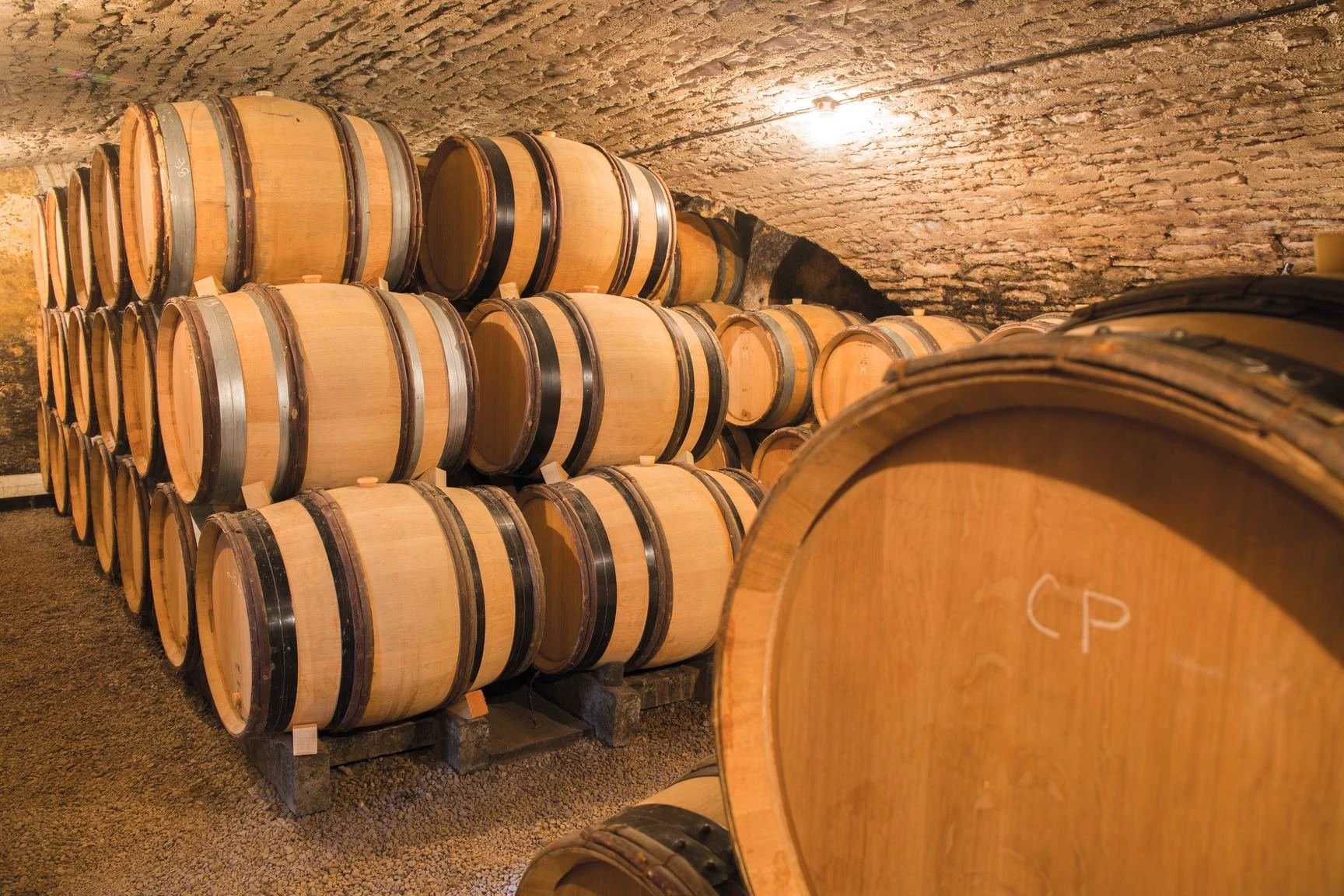
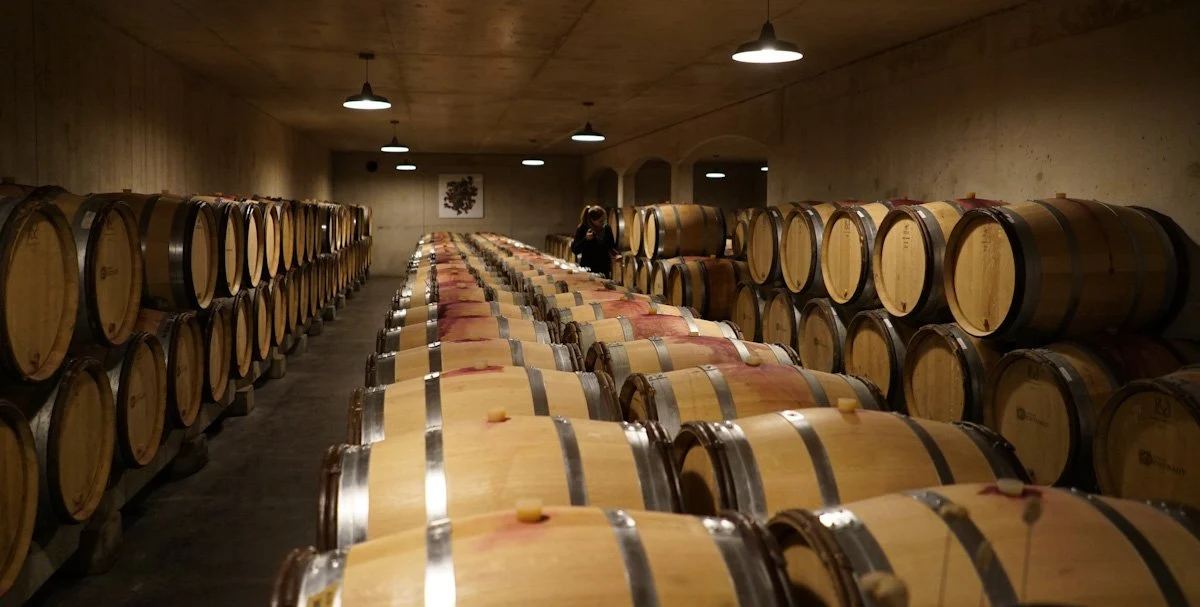
Sixth-generation Burgundy domaine holding parcels in Chassagne-Montrachet, Montrachet grand cru, and Saint-Aubin. Alex Moreau in cellar.
● 1 artisanView →
02.Winery
Pierre Boisson
Meursault, France
Pierre Boisson works inside the Meursault Coche-Dury baseline: whole-cluster pressing, natural fermentation in barrel, minimal intervention.
● 1 artisanView →
03.Winery
Bagnoud Vins
Flanthey, Switzerland
Bagnoud Vins belongs to the intimate Valais cellar tradition: small-scale, family-run, and rooted in vineyards spread across altitude rather than spectacle. The draw is terroir-led range, from indigenous grapes such as Petite Arvine and Cornalin to a broader Swiss portfolio, tasted in a rustic carnotzet or outdoor reception setting in Flanthey.
● 1 artisanView →04.Winery
Colesel
Valdobbiadene, Italy
Colesel belongs to the terroir-led side of Valdobbiadene Prosecco, where Glera is treated less as a generic sparkling base and more as a carrier of slope, soil and vineyard origin. The tasting-room mood is polished and quiet, with the stronger editorial case resting on estate fruit, Cartizze holdings and the Metodo Valdobbiadene approach rather than spectacle.
● 1 artisanView →
05.Distillery
Chatzimichalis Distillery
Kesariani, Greece
Chatzimichalis Distillery operates from Grigoriou Theologou 4 in Kesariani, a suburb immediately east of Athens with a long-standing association with small-scale production and traditional craft. Recognised with a Pearl 1 Star Prestige in 2025, the distillery holds a measured but clear position in the Greek spirits and wine production scene, where Attic provenance increasingly counts as a credential in its own right.
● 1 artisanView →06.Winery
Schweizer Weinmanufaktur, Daniel Schweizer
Wolfhausen, Switzerland
Schweizer Weinmanufaktur, Daniel Schweizer belongs to the quieter end of Switzerland’s wine map: a Wolfhausen address with a Lake Zurich identity rather than a trophy-led public profile. The draw is regional specificity, signalled by its focus on “Punkteweine vom Zürichsee,” with a rustic, classic winery mood and Daniel Schweizer attached to the name.
● 1 artisanView →07.Winery
Domaine des Dieux
Hemel En Aarde Ridge, South Africa
Domaine des Dieux suits travelers who read Hemel-en-Aarde Ridge through climate rather than spectacle. The estate’s emphasis on Méthode Cap Classique, Pinot Noir, and Chardonnay makes sense in a cool, refined pocket of South Africa’s Coastal Region, where clay, shale, sea air, and slow ripening matter more than cellar theatrics.
● 1 artisanView →
08.Distillery
Baldwin Distilling Company
Canberra, Australia
Baldwin Distilling Company in Mitchell, Canberra produces American-style bourbon and craft moonshine with a grain-to-glass philosophy. Signature expressions include the award-winning Apple Pie Moonshine and a small-batch American Style Bourbon; limited releases and RTD canned expressions complement the core range. Using locally sourced barley, rye and corn and mineral-rich Cotter River water, Baldwin creates spirits with taut spice, warm orchard fruit, and toasted oak character. Recognized with Gold, Silver and Best-in-Category awards for its Apple Pie Moonshine in 2017, the distillery balances rigorous production standards with artisan packaging and barrel branding for a distinctly Australian take on classic American styles.
● 1 artisanView →
09.Winery
Joshua Cooper Wines
Heathcote, Australia
Joshua Cooper Wines holds a Pearl 1 Star Prestige rating (2025), placing it among Heathcote's recognised small producers working in a region defined by Cambrian-era soils and Shiraz of genuine structural weight. The producer sits within a comparable set that includes Heathcote names such as Jasper Hill and Syrahmi, where site expression and restrained winemaking carry more currency than volume.
● 1 artisanView →
10.Winery
Bodegas Ramon Roqueta
Santa Maria D Horta D Avinyo, Spain
Bodegas Ramon Roqueta reads as old Catalonia rather than tasting-room theatre: family viticulture traced to Masía Roqueta in 1199, a commercial winery founded in 1898, and a modern cellar language built around Catalunya DO reds, Garnacha recovery, and barrel-aged blends. The appeal is terroir continuity, not spectacle, with critic recognition for past Reserva vintages adding a useful quality signal.
● 1 artisanView →11.Winery
DIAMANTAKIS WINERY
Heraklion Crete, Greece
Diamantakis Winery belongs to the modern Cretan wine story: family-owned, rooted in Heraklion’s vine-growing hinterland, and focused on native grapes grown at altitude. Its 15 hectares near Mount Psiloritis give the visit a rural, vineyard-first character, while international competition medals place the wines beyond the purely local circuit.
● 1 artisanView →
12.Winery
Bocelli Wines
Siena, Italy
Bocelli Wines belongs to the Tuscan tradition in which vineyard, family farm, olive trees, and hospitality sit in the same frame. The draw is not only the family name but the agrarian continuity behind it: a Bocelli holding first settled in 1730, with Sangiovese, Canaiolo, Colorino, Malvasia, and Trebbiano tied to clay, limestone, sand, warm summers, and cool nights.
● 1 artisanView →
13.Distillery
Helion Distillery
Athens, Greece
Helion Distillery holds a Pearl 1 Star Prestige (2025) rating, placing it among Athens's recognised spirits producers at a time when Greek distilling is attracting serious international attention. The operation sits within a city scene that has expanded well beyond the established names, with a growing cohort of craft-focused producers redefining what Greek spirits can be.
● 1 artisanView →
14.american
Smitten Ice Cream
San Francisco, United States
Smitten Ice Cream on Valencia Street applies liquid-nitrogen freezing technology to locally sourced California ingredients, producing small-batch ice cream made to order at the counter. Ranked on Opinionated About Dining's Cheap Eats list three consecutive years (2023 to 2025), it represents the Mission District's appetite for technically rigorous food at everyday prices. A 4.5 Google rating across 837 reviews reflects consistent execution rather than novelty.
● 1 artisanView →
15.Winery
Azienda Agricola Eugenio Bocchino
La Morra, Italy
A small La Morra wine estate for drinkers who care about Nebbiolo’s place of origin as much as cellar polish. Azienda Agricola Eugenio Bocchino works from 5.5 hectares across seven plots in La Morra, Verduno, Roddi and Alba, with an old-world, cellar-focused style shaped by Barolo’s long ageing tradition.
● 1 artisanView →
16.Winery
Boscaini Carlo
Sant'Ambrogio di Valpolicella, Italy
Boscaini Carlo is a family-run Valpolicella Classica estate in Sant'Ambrogio di Valpolicella, built around estate-grown Corvina, Corvinone and Rondinella rather than broad cellar theatrics. The draw is the traditional range: Valpolicella Classico, Ripasso, Amarone and Recioto, supported by a 14-hectare vineyard base and a direct, informal tasting culture.
● 1 artisanView →
17.Hotel
Château d'Artigny
Montbazon, France
Château d'Artigny sits on a commanding ridge above the Indre valley outside Montbazon, a full-scale Loire château built in the early twentieth century and awarded Exceptional Hotel status by Gault & Millau in 2025. The architecture is the experience here: colonnaded facades, formal gardens, and interiors scaled to the grand tradition of the French aristocratic house. It is one of the more architecturally serious château-hotels in the Loire Valley.
● 1 artisanView →
18.Distillery
K. Spoetzl Distilling (Shiner)
Shiner, United States
K. Spoetzl Distilling sits in Shiner, Texas, on the same historic grounds that made the town synonymous with Texas craft production. The operation earned a Pearl 1 Star Prestige designation in 2025, placing it among a select tier of American distilleries recognized for production quality and provenance. For visitors tracing Texas's craft spirits geography, Shiner is a logical anchor point.
● 1 artisanView →
19.Distillery
Gatsios Distillery
Paramythia, Greece
Gatsios Distillery sits along a rural road outside Paramythia in Epirus, a region whose highland geography and continental climate produce spirits and wines with a pronounced sense of place. Awarded a Pearl 1 Star Prestige in 2025, it occupies a tier of Greek producers where terroir expression and regional identity carry more weight than commercial scale. For visitors exploring northwestern Greece's emerging drinks scene, Gatsios is a substantive stop.
● 1 artisanView →20.Winery
Sekthaus BurkhardtSchür
Bürgstadt, Germany
Sekthaus BurkhardtSchür is a small Bürgstadt sparkling-wine producer working in a dry, traditional-method register rather than the sweet, simple idiom still associated with much German Sekt. Its reference point is terroir expression: Pinot Noir from Franconia, Pinot Meunier from the Taubertal, Chardonnay from volcanic Kaiserstuhl soils, and long lees aging that gives the wines gastronomic weight.
● 1 artisanView →
21.Distillery
Brook Brothers Distillery
Córdoba, Spain
Brook Brothers Distillery operates in Córdoba's emerging craft spirits scene and holds a Pearl 1 Star Prestige (2025), placing it in a select tier among Spanish distilleries gaining recognition outside traditional wine country. The operation represents a broader shift across southern Spain, where artisan producers are drawing on local botanical and agricultural character to build credible spirits programs.
● 1 artisanView →
22.Distillery
La Orden del Libra Gin
Córdoba, Spain
La Orden del Libra Gin holds a Pearl 1 Star Prestige award (2025), placing it among Córdoba's recognised craft spirits operations at a moment when the city's distilling scene is drawing serious attention. Positioned within a broader Andalusian spirits revival, it represents the kind of specialist, award-acknowledged production that sits apart from volume-led operations across the region.
● 1 artisanView →23.Winery
Domaine Jean-Louis Mathieu
Chalais, Switzerland
Domaine Jean-Louis Mathieu is a family-run Valais winery in Chalais, shaped by alpine viticulture rather than cellar-door spectacle. The estate dates to 1994, works roughly 14 hectares, uses oak for some wines, and places sustainability at the centre of its next phase, with formal certification targeted for 2027.
● 1 artisanView →
24.other
Weingut Hagn
Mailberg, Austria
Weingut Hagn sits in the Mailberg wine country of Lower Austria's Weinviertel, a region where estate-grown grapes and local agricultural rhythms set the terms for what ends up on the table. The address at Mailberg 422 places it deep in village Austria, away from urban dining circuits, making it a reference point for wine-country hospitality in the north of the country.
● 1 artisanView →
25.Winery
Bodegas el Lagar de Isilla
Ribera del Duero, Spain
Bodegas el Lagar de Isilla reads Ribera del Duero through altitude, old underground cellars, and a visitor format built around wine rather than spectacle. Its story runs from historic Aranda de Duero cellars to a 19th-century estate, with Tempranillo at the center and Albillo Mayor adding a regional white-wine counterpoint.
● 1 artisanView →
26.Winery
Fife Vineyards
Hopland, United States
Fife Vineyards holds a Pearl 1 Star Prestige from EP Club (2025), placing it among the recognized names in Hopland's established but underplayed wine corridor on the Mendocino County edge. The address on North State Street in Calpella positions it within a stretch of small producers that rarely compete for the same visitor as Napa or Sonoma. That distance from the main California wine circuit is part of the appeal for those who seek it out.
● 1 artisanView →
27.Winery
Linden Vineyards
Linden, Belgium
Linden Vineyards holds a Pearl 1 Star Prestige award (2025), placing it among Belgium's recognised wine producers. Set in Linden, the estate represents a strand of Belgian viticulture that earns its position through terroir expression rather than volume. For visitors planning a serious wine stop in the region, it warrants advance planning.
● 1 artisanView →
28.Distillery
Lost Lake Distillery
Egira, Greece
Lost Lake Distillery holds a Pearl 1 Star Prestige (2025), placing it among a select tier of craft producers operating out of Egira, Greece. The distillery signals a growing category of spirits producers in the country drawing from local terroir and tradition. For visitors building a Greek spirits itinerary, it represents a credentialed stop worth planning around.
● 1 artisanView →29.Winery
Schloss Wackerbarth
Radebeul, Germany
Schloss Wackerbarth turns Saxon wine into a full estate experience: baroque grounds, Radebeul vineyards, still wines, and traditional-method sparkling production in one public-facing setting. Its draw is less a conventional cellar-door tasting than the way Sachsen’s long wine history is staged through gardens, tours, food, and bottles such as Riesling Kabinett and Pinot brut.
● 1 artisanView →
30.Winery
Maxime Cottenceau
Montagny, France
Domaine Maxime Cottenceau works 3.5 hectares of Montagny Chardonnay under a Loire Anjou low-intervention protocol: wild yeast, no bâtonnage...
● 1 artisanView →31.Winery
Contesa
Collecorvino, Italy
Contesa is an Abruzzo estate winery in Collecorvino shaped by south-facing clay-chalk slopes, indigenous grapes, and a hillside cellar. The interest here is terroir rather than spectacle: Montepulciano, Pecorino, Trebbiano, and Passerina are read through altitude, Adriatic influence, and a sustainability program recognized by Slow Wine in 2026.
● 1 artisanView →
32.Winery
Azienda Agricola San Donatino
Castellina in Chianti, Italy
Azienda Agricola San Donatino is a family-run Chianti Classico estate in Castellina in Chianti, shaped by organic farming, estate-grown fruit, and a natural-wine cellar practice. Its 16 hectares range from 250 to 420 metres, giving the wines a clear terrain story rather than a polished export-house profile.
● 1 artisanView →
33.Bakery
Loiseau La Pâtisserie
Saulieu, France
Off-map uprising gem, little-known or hard-to-find pâtisseries, bakeries, afternoon teas, or dessert restaurants worth going the extra mile for.
● 1 artisanView →
34.Winery
Bodegas y Vinedos Pujanza
Laguardia Alava, Spain
Bodegas y Vinedos Pujanza in Laguardia Alava keeps Rioja Alavesa fruit close to its vineyard, through single-plot Tempranillo and Viura.
● 1 artisanView →35.Winery
Domaine Bovy
Chexbres, Switzerland
Domaine Bovy gives Lavaux wine tourism its clearest setting: a family estate in Chexbres where tasting is tied to terrace, garden, verandah and the slope above Lake Geneva. The draw is not technical spectacle but Vaud continuity, large oak cellar tradition and a convivial format that treats wine as part of the region’s social rhythm.
● 1 artisanView →
36.Distillery
Stock Austria Distillery
Vienna, Austria
Stock Austria Distillery holds a Pearl 1 Star Prestige rating (2025), placing it among Vienna's recognised producers in Austrian spirits. Situated in a city better known for its wine estates and coffee house culture, this distillery represents a quieter but credentialled corner of Austria's craft spirits scene. For visitors exploring Vienna's broader drinks culture, it offers a focused alternative to the wine-led itineraries that typically dominate the city.
● 1 artisanView →37.Winery
Schuchmann Wines
Kisiskhevi, Georgia
Schuchmann Wines is a Kakheti vineyard estate in Kisiskhevi where the wine visit is folded into a broader château, villa, spa, terrace and tasting format. The appeal is less technical cellar theatre than place: vineyard views, the Caucasus Mountains, the Alazani Valley and a Georgian wine culture that treats hospitality as part of terroir.
● 1 artisanView →
38.Winery
Camerani Marinella
Mezzane Di Sotto, Italy
Camerani Marinella frames eastern Valpolicella through the Mezzane Valley rather than the safer shorthand of Classico territory. Founded in 1986 and farmed biodynamically since 2008, the estate is strongest for travelers who want Amarone, Valpolicella and Soave explained through volcanic soils, orchard country and a quiet vineyard setting rather than a polished cellar-door performance.
● 1 artisanView →39.Winery
Domaine de Valensac
Florensac, France
Domaine de Valensac gives Florensac a clear Mediterranean reading of IGP Pays d’Oc: whites shaped by sea air, cool soils, and a varietal range that moves beyond the regional default. The 49-hectare family estate is strongest as a calm rural counterpoint to larger wine-tourism circuits, with Chardonnay at scale and less expected grapes such as Albariño, Petit Manseng, Riesling, and Petit Verdot in the mix.
● 1 artisanView →
40.Winery
Bon Courage Estate
Robertson, South Africa
Bon Courage Estate places Robertson’s calcareous soils, dryland vineyard culture and Cape Dutch farm hospitality in the same frame. The draw is not ceremony but range: Chenin Blanc, Cap Classique, reds, fortified wines and relaxed country eating around a historic estate whose family ownership dates to 1927.
● 1 artisanView →
41.Winery
Bodegas Atalaya
Almansa, Spain
Bodegas Atalaya gives Almansa a clear, bottle-led argument: high-altitude, dry-country reds built around Garnacha Tintorera and Monastrell rather than international polish. Its Laya bottling is the useful reference point, combining dense dark-fruited character, short French oak ageing, and the regional freshness that altitude and calcareous soils can preserve in a warm inland zone.
● 1 artisanView →42.Winery
Schmutz Vins
Praz Vully, Switzerland
Schmutz Vins is a small Vully AOC producer in Praz Vully, shaped by a cellar-door style rather than luxury-winery theatre. The draw is regional clarity: Chasselas, Chardonnay, Gamay, Pinot Noir, Sauvignon Blanc and Traminer in a family-run setting that keeps the emphasis on fresh, aromatic Swiss wine.
● 1 artisanView →43.Winery
Sella & Mosca
Alghero, Italy
Sella & Mosca gives Alghero wine tourism a sense of agricultural scale rarely found on the island: an estate founded in 1899, built around reclaimed land, historic buildings, and a broad Sardinian portfolio. The draw is terroir breadth rather than a single cult bottle, with Vermentino, Cannonau, Torbato, and Carignano used to map Alghero, Gallura, and Sulcis in the glass.
● 1 artisanView →44.Winery
Schlumberger Wein- und Sektkellerei
Vienna, Austria
Schlumberger Wein- und Sektkellerei puts Vienna’s sparkling-wine culture underground, in historic Döbling cellars shaped around Sekt, guided tastings, and production history. The draw is not a vineyard panorama but an urban cellar format: a quiet, cave-led visit that connects Austrian bubbles with the city’s long wine identity.
● 1 artisanView →
45.Winery
Casa Girelli
Trento, Italy
Casa Girelli gives Trento a different kind of winery narrative: less single-estate romance, more Italian range under one technical roof. Its Trento headquarters anchors a broad portfolio built from multiple regions, 35 grape varieties, 130 labels, and cellar infrastructure scaled for precision rather than rustic theatre.
● 1 artisanView →
46.Winery
Ampeleia
Roccatederighi, Italy
Ampeleia is a biodynamic wine estate in Roccatederighi, set in Alta Maremma where woodland, altitude and mineral soils shape the cellar’s argument. The draw is not polished cellar-door theatre but a tightly defined viticultural point of view: Cabernet Franc, Alicante Nero, cement vessels, native yeasts and a 120-hectare farm with only 35 hectares under vine.
● 1 artisanView →
47.Bakery
Publican Quality Bread
Chicago, United States
This West Town bakery is where you’ll find the baking operation that supplies bread to The Publican and Publican Quality Meats , along with a small storefront that has all sorts of pastries and loaves. Fantastic things like earthy buckwheat chocolate croissants and gruyere brioche buns are available on a rolling basis starting at 7am, and fresh bread (like a tangy sourdough that’s crustier than Statler and Waldorf) makes an appearance at 9am. There’s no place to sit, but there’s ample street par
● 1 artisanView →
48.Winery
Bodegas Grupo Yllera
Valladolid, Spain
Bodegas Grupo Yllera gives Valladolid wine tourism a theatrical edge: an underground cave format tied to Castilla y León’s Rueda and Ribera del Duero traditions. The draw is not only the tasting, but the way Verdejo, Tempranillo, family history and cellar architecture are folded into a guided, educational visit.
● 1 artisanView →49.Winery
Sektmanufaktur Schloss Vaux
Eltville, Germany
Sektmanufaktur Schloss Vaux is a historic sparkling-wine house in Eltville, founded in 1868 and focused on traditional-method Sekt. Its appeal is the Rheingau lens: Riesling, Burgundy varieties, cellar-led craft, and a quiet, polished tasting format built for drinkers who want German sparkling wine treated as a serious regional category.
● 1 artisanView →50.Winery
Schlossweingut Malteser-Ritter-Orden
Mailberg, Austria
Schlossweingut Malteser-Ritter-Orden is a historic castle winery in Mailberg, shaped by Weinviertel Grüner Veltliner, old vineyard holdings, and Lenz Moser’s long management of the estate since 1969. Expect a quiet, heritage-led setting rather than a spectacle-driven cellar door, with still whites, reds, and Sekt giving the portfolio a clear regional spine.
● 1 artisanView →51.Winery
Domaine Jean Duboux
Bourg En Lavaux, Switzerland
Domaine Jean Duboux gives Lavaux its proper scale: small holdings, steep terraces, Chasselas at the centre, and hospitality built around cellar visits rather than formal ceremony. The Bourg En Lavaux estate works 2.7 hectares across Epesses, Calamin Grand Cru and Dézaley Grand Cru, with 13 wines and a format that suits travellers who want terroir explained at ground level.
● 1 artisanView →
52.Winery
Burn Cottage
Lake Dunstan, New Zealand
Burn Cottage is a small-scale biodynamic wine estate above Lake Dunstan, shaped by Central Otago’s dry climate, schist-and-alluvial soils, and amphitheatre-like vineyard slopes. The draw is not cellar-door theatre but Pinot Noir viewed through site: original estate fruit, Bannockburn material, and a restrained farming-first approach.
● 1 artisanView →
53.Bakery
Lysée
New York City, United States
Korean flavors interpreted through French pastry technique.
● 1 artisanView →
54.Winery
Chalmberger Weinbau
Oberflachs, Switzerland
Sonja und Konrad Zimmermann make wine at Chalmberger Weinbau in Oberflachs, shaping Aargau fruit for the Chalmstübli table.
● 1 artisanView →
55.Winery
Buschenschank Maier-Paar
St Margarethen An Der Raab, Austria
A Styrian Buschenschank is less a restaurant than a legal and cultural format: estate wine, cold regional food, and farm hospitality rather than chef-led theatre. Buschenschank Maier-Paar fits that tradition in St Margarethen An Der Raab, with roots dating to 1998 and a working-farm identity shaped by viticulture and fruit growing.
● 1 artisanView →
56.Winery
Lefkadia Valley
Krasnodar, Russia
Ranked No. 23 in the World's Best Vineyards 2021 and holding a Pearl 1 Star Prestige award in 2025, Lefkadia Valley operates in the Krasnodar region where continental climate and mineral-rich soils shape wines that read as distinctly Russian in character. The estate sits in Moldavanskoe village and represents the serious upper tier of a wine region that international critics have only recently begun to map properly.
● 1 artisanView →
57.Distillery
Mountain Spirits Distillery
Axams, Austria
Mountain Spirits Distillery in Axams, Austria, holds a Pearl 1 Star Prestige award (2025), placing it among the recognised tier of Austrian craft distilleries operating in alpine conditions. The Axams location, high in the Innsbruck valley, connects the operation to a tradition of mountain-influenced spirits production that distinguishes the Tyrolean region from lowland Austrian producers.
● 1 artisanView →58.Winery
Crama Gîrboiu
Vrancea, Moldova
Crama Gîrboiu is a family-run Vrancea estate where modern cellar work meets a regional vocabulary of Fetească Neagră, Șarba and Galbenă de Odobești. Its strongest case is terroir rather than spectacle: parcel-led viticulture, restored traditional cellars and a medal record that places Vrancea in a sharper international frame.
● 1 artisanView →
59.Winery
Bolla
San Pietro In Cariano, Italy
Bolla is a historic Valpolicella winery in San Pietro In Cariano, founded in 1883 and shaped around Amarone, Corvina, Rondinella and the cellar culture of Veneto. Its Cantina del Nonno, large barrel program and scale of production make it a useful lens on how traditional Valpolicella methods operate inside a major Italian wine house.
● 1 artisanView →
60.Hotel
Les Sources de Vougeot
Bourgogne Franche Comte, France
Set within the historic Château de Gilly in the heart of Burgundy's Côte de Nuits, Les Sources de Vougeot is a Michelin Selected hotel that places guests within walking distance of some of the world's most consequential wine terroir. Stone corridors, vaulted ceilings, and vineyard panoramas define the property's character, making it a natural base for serious exploration of the Vougeot appellation and its neighbours.
● 1 artisanView →