The Places · Page 165
Where the artisans work.
01.Winery
De Vigili
Mezzolombardo, Italy
De Vigili reads as a contemporary Trentino wine stop shaped by Campo Rotaliano rather than by scale. The draw is Teroldego in its home territory: glacial soils, Alpine-Garda temperature shifts, traditional pergola training, and a design-forward cellar setting in Mezzolombardo.
● 1 artisanView →02.Winery
Scea Comte Jean-Baptiste de Monpezat
Albas, France
Scea Comte Jean-Baptiste de Monpezat belongs to the quieter, production-led side of Cahors wine country: a rural château estate in Albas, set above the Lot valley and focused on vine growing rather than spectacle. The interest is terroir first, with Malbec-led still reds, appointment tastings, and a small-to-medium estate scale that suits travelers who want the agricultural bones of the region rather than a polished tourism circuit.
● 1 artisanView →
03.mediterranean
Stonyridge
Waiheke Island, New Zealand
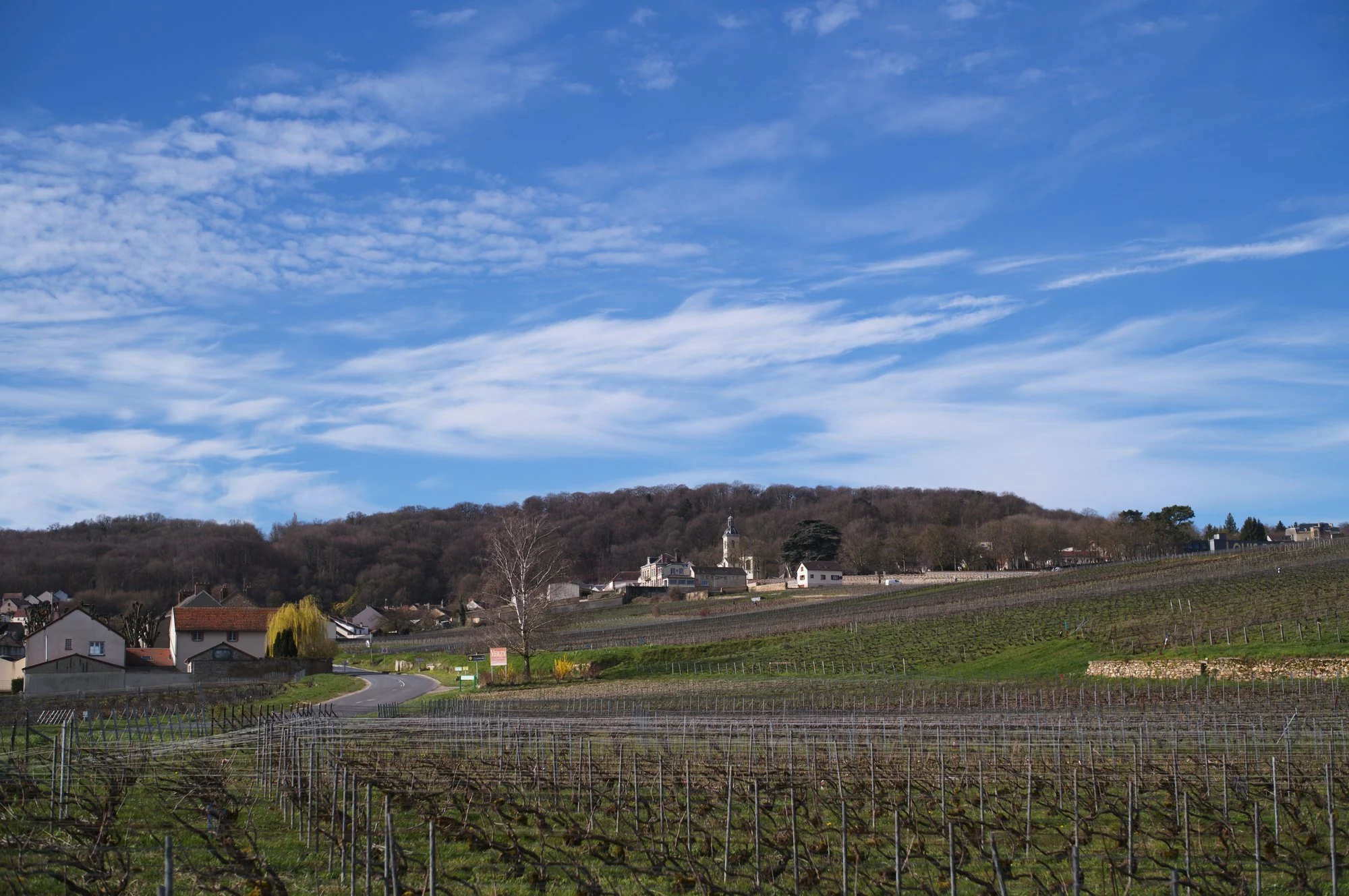
Stonyridge sits on Waiheke Island's Onetangi Road, where the island's volcanic soils and maritime climate produce some of New Zealand's most discussed Bordeaux-style reds. The property operates at the intersection of winery and destination dining, drawing visitors who cross the Hauraki Gulf specifically for the combination of estate-grown wine and food that reflects the island's produce traditions.
● 1 artisanView →
04.Winery
Bodega Valentín Bianchi
San Rafael, Argentina
Bodega Valentín Bianchi sits at the intersection of Alto Las Paredes terrain and San Rafael's established winemaking tradition, earning a Pearl 1 Star Prestige in 2025. The property operates at the higher end of San Rafael's winery tier, positioning it alongside recognised names such as Bodega Goyenechea and Bodega Jean Rivier in a region that is still largely off the radar for international wine travellers.
● 1 artisanView →05.Distillery
Koriander Gin Distillery
Casilda, Argentina
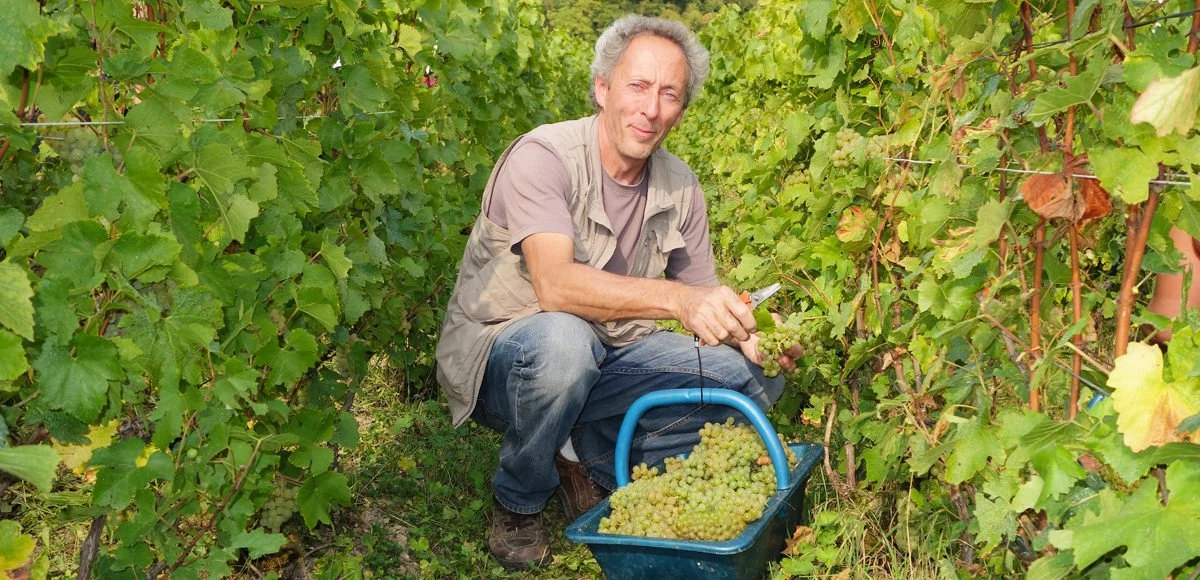
Koriander Gin Distillery in Casilda presents a refined small-batch approach to gin, emphasizing botanical-led expressions. Notable releases include a classic London-style gin, a barrel-aged reserve and a seasonal botanical release. The production team focuses on clarity, balance and aromatic depth, delivering bright citrus, juniper and herbaceous notes across tasting flights.
● 1 artisanView →
06.Winery
Lamoreaux Landing Wine Cellars
Lodi, Italy
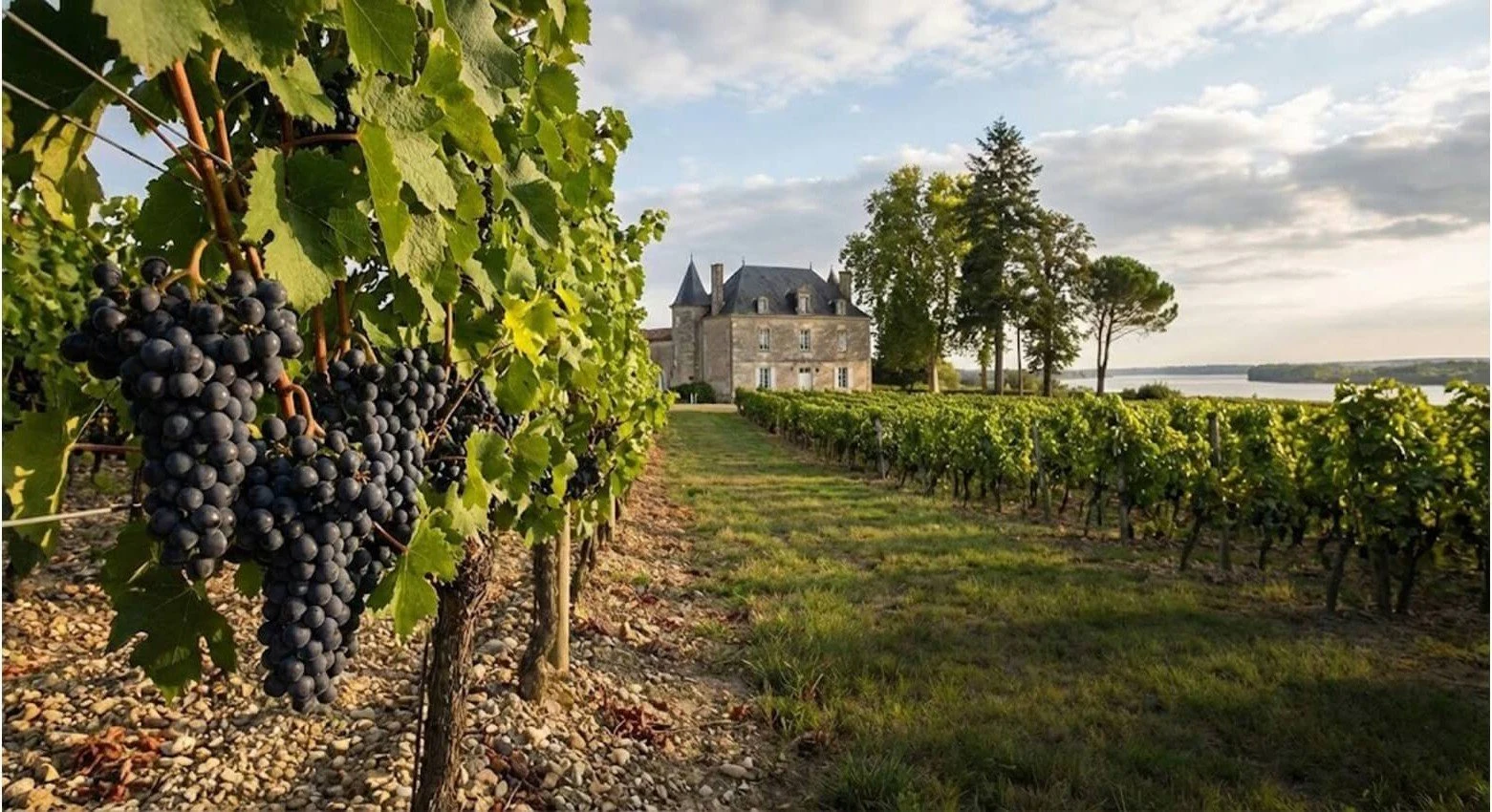
Lamoreaux Landing Wine Cellars holds a Pearl 1 Star Prestige (2025), placing it among a selective tier of producers earning structured recognition in their region. The winery occupies a position where winemaking discipline and terroir-driven intent carry more weight than volume or visibility. Visitors approaching the cellar find a producer whose credentials speak to a consistent, considered approach to the craft.
● 1 artisanView →
07.other
Wanderlust Creamery
Los Angeles, United States
Wanderlust Creamery has appeared on Opinionated About Dining's Cheap Eats in North America list three consecutive years, ranking #304 in 2024 and #312 in 2025. Operating from Canoga Park in the San Fernando Valley, the creamery draws on Southeast Asian and global pantry references to push ice cream into territory most American scoop shops leave unexplored. Jp Lopez and Adrienne Borlongan lead the creative program.
● 1 artisanView →
08.Winery
Evening Land Vineyards
Salem, Germany
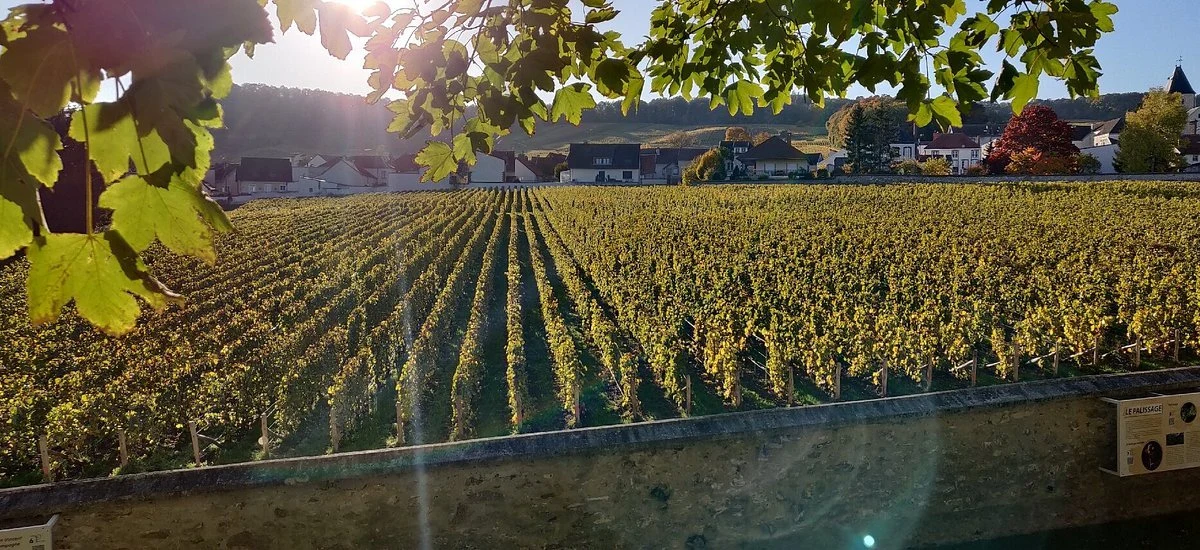
Evening Land Vineyards holds a Pearl 1 Star Prestige award (2025), placing it among a select tier of producers recognised for consistent, high-quality output. Located in Salem, the winery sits within a wider German wine scene that has drawn renewed international attention. For those building a serious itinerary around German viticulture, it merits consideration alongside the region's most decorated estates.
● 1 artisanView →
09.Distillery
Dimopoulos Distillery
Xino Nero, Greece
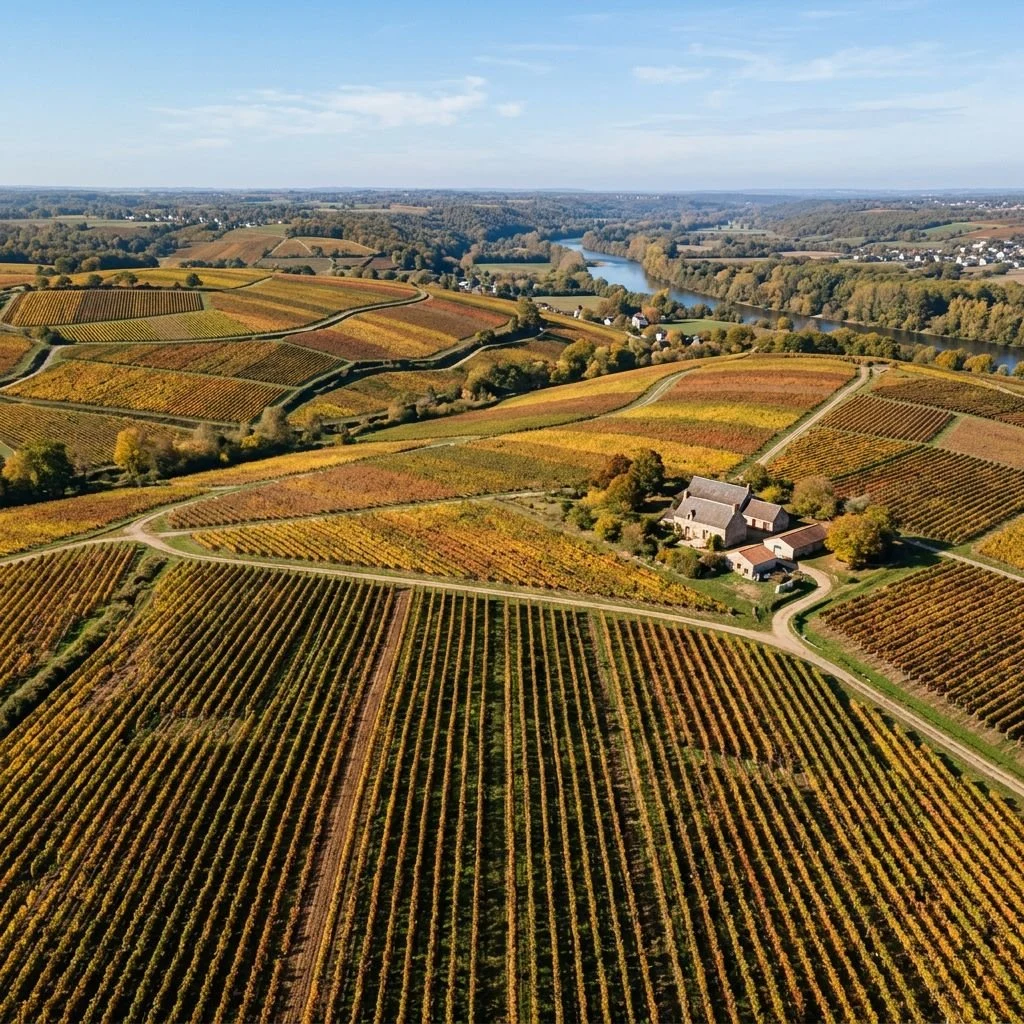
Dimopoulos Distillery sits on the Ptolemaida-Florina road at the edge of Xino Nero, a village in Macedonia's highland interior where altitude and volcanic soil shape everything produced here. The distillery earned a Pearl 1 Star Prestige in 2025, placing it among a small tier of Greek producers recognised for precision craft rather than volume. For visitors tracing northern Greece's emerging spirits and wine corridor, it belongs on any serious itinerary.
● 1 artisanView →
10.Hotel
Le Mas des Herbes Blanches
Lieu-dit Toron, France
Le Mas des Herbes Blanches is a Relais & Châteaux property in the hilltop village of Joucas, positioned above the Luberon valley with rooms that open onto private patios facing the national park. Rates from US$348 per night and a Google rating of 4.5 from 440 reviews place it among the more consistent mid-to-upper tier options in Provence's design-led rural hotel category.
● 1 artisanView →
11.Winery
Crocus Winery
Tokaj, Hungary
Crocus Winery operates from Tolcsva in the heart of the Tokaj wine region, earning a Pearl 1 Star Prestige recognition in 2025. The estate sits within one of Hungary's most historically freighted appellations, where volcanic soils and noble rot have shaped winemaking for centuries. Its 2025 award places it among a select tier of Tokaj producers drawing serious critical attention.
● 1 artisanView →12.Winery
Château Paveil de Luze
Soussans Margaux, France
Château Paveil de Luze gives Margaux a compact, terroir-led reading: deep gravel soils, Cabernet-led blends, and a family line running since Baron Alfred de Luze acquired the estate in 1862. The appeal is less grand château theatre than scale, continuity, and a visitor format built around vineyard, cellar, family museum, and a three-wine tasting with chocolates.
● 1 artisanView →
13.Distillery
Destilería Cordillera
San Juan, Puerto Rico
Destilería Cordillera in Puerto Rico is an artisanal craft distillery known for small-batch maceration and steam distillation in a 100% copper alembic still. Signature expressions include the award-winning Cordillera Pink Gin and a carefully distilled traditional Cordillera dry expression, both defined by bright botanical aromatics, silky mid-palate texture and a clean, lingering citrus-peel finish. The distillery’s unique selling proposition is its marriage of old-world copper-pot distillation with experimental botanical blends, a formula that earned Cordillera Pink Gin gold at the World Gin Awards. Expect fragrant juniper layers, floral notes and saline-mineral undertones that translate beautifully in a simple tonic or a citrus-forward coupe.
● 1 artisanView →
14.Winery
Casa Los Frailes
Fontanars Dels Alforins, Spain
Casa Los Frailes is a historic family-run estate winery in Fontanars Dels Alforins, framed by vineyards, olive and almond trees, and Mediterranean forest. Its interest lies in terroir-led Monastrell, dry farming, organic and biodynamic agriculture, and old fermentation vessels that tie Valencia’s inland wine culture to centuries of viticulture.
● 1 artisanView →
15.Distillery
Gin Chanteclair
Buenos Aires, Argentina
Gin Chanteclair sits in Burzaco, on the southern edge of Greater Buenos Aires, and earned a Pearl 1 Star Prestige in 2025. The address places it outside the city's established cocktail circuit, which makes its recognition all the more pointed. For anyone tracking Argentina's emerging artisanal spirits scene, it belongs on the itinerary alongside the capital's better-documented producers.
● 1 artisanView →
16.Winery
Cantina di Venosa
Venosa, Italy
Aglianico del Vulture is the reason to pay attention here: volcanic soils, late-ripening fruit, and a cooperative model give the wines their frame. Cantina di Venosa works at scale, with 350 members and around 800 hectares, yet its sharper story is how Basilicata tradition now absorbs satellite monitoring and underwater ageing experiments without losing sight of the grape.
● 1 artisanView →17.Winery
Scopone
Montalcino, Italy
Scopone is a high-altitude Brunello di Montalcino estate in the Val d’Orcia, with Sangiovese vineyards facing Mount Amiata and soils marked by galestro and alberese. Its interest lies in the tension between classic appellation structure and a more contemporary polish under recent stewardship, with Brunello, Rosso, Rimani Toscana IGT and rosé forming the core range.
● 1 artisanView →18.Winery
Sensi Vini
Lamporecchio, Italy
Sensi Vini belongs to the Tuscan winery category where family continuity, estate agriculture, and modern cellar control matter more than small-batch theatre. In Lamporecchio, the house connects vineyard cultivation dating to 1890 with a large production hub used for storage, winemaking, and bottling, with Chianti and Sangiovese anchoring the Tuscan identity.
● 1 artisanView →
19.Winery
Carini
Perugia, Italy
Carini reads as an Umbrian farm estate before it reads as a winery: vineyards, olive groves, lakes, indoor tasting rooms and outdoor spaces set the pace. The interest is terroir rather than spectacle, with organic farming, Colli del Trasimeno context, and a portfolio that moves from Gamay del Trasimeno and Sangiovese into whites, rosé, sparkling wine, olive oil and farm produce.
● 1 artisanView →
20.Winery
Fratelli Barbieri
Padua, Italy
Fratelli Barbieri on Via Venezuela sits within Padua's western quarters, carrying a Pearl 1 Star Prestige award for 2025. The address places it away from the city's tourist circuits, making it a reference point for those interested in the Barbieri name and its long association with Italian aperitivo culture. Check our full Padua guide for booking and planning context.
● 1 artisanView →21.Winery
Château Pont Saint-Martin
Léognan, France
Château Pont Saint-Martin is a Léognan wine estate where Pessac-Léognan’s gravel-driven red and white Bordeaux traditions meet small-scale hospitality. The estate works 10 hectares, produces Merlot-Cabernet-led reds and Sémillon-Sauvignon-led whites, and pairs tastings with a 17th-century Palladian villa setting, five guest rooms, and wine-tourism recognition from the 2020 Best Of Wine Tourism Awards.
● 1 artisanView →
22.italian
Weingut Ebner
Ritten, Italy
Wine and alpine vibe blend with homemade dishes
● 1 artisanView →23.Winery
Schandl's Weingut
Pottelsdorf, Austria
Schandl's Weingut gives Pottelsdorf a sharply defined Rosalia DAC address for rosé rather than treating the category as a seasonal afterthought. The draw is the House of Rosé format: organic, sustainably positioned wines, a relaxed cellar-door mood, and recent recognition including Austria's Rosé Producer of the Year 2024 and Discovery of the Year at Germany's 7th Rosé Cup.
● 1 artisanView →
24.Winery
Cantine Polvanera
Gioia Del Colle, Italy
Cantine Polvanera frames Gioia del Colle through Primitivo, limestone and the agricultural grammar of central Puglia. The draw is the underground stone cellar cut into rock, but the deeper interest is how a family-run estate uses native varieties, organic farming and calcareous soils to argue for a fresher, more mineral reading of southern Italian red wine.
● 1 artisanView →
25.Winery
Bott Frigyes
Komarno, Slovakia
Bott Frigyes brings southern Slovakia’s North Pannonian wine culture into sharper focus through biodynamic farming, volcanic clay soils, and traditional regional grapes such as Furmint, Hárslevelű, Kékfrankos, and Kadarka. The experience is rural and low-intervention in tone, with wine, guesthouse hospitality, and Danube-facing terrace culture treated as parts of the same terroir argument.
● 1 artisanView →
26.Distillery
Destilería El Alquimista
Salta, Argentina
Destilería El Alquimista in Salta produces a small-batch, London Dry gin that marries classic distillation with local botanical flair. Signature expressions include Alquimista London Dry Gin and the core Alquimista Gin expression, presented as focused, aromatic spirits. The production emphasizes juniper and coriander anchored by fresh cucumber, bright grapefruit and warm cardamom-clove spices, delivering an elegant, citrus-lifted nose and a silky, spice-driven finish. With meticulous small-batch methods and praise from industry palates, a visit promises a sensory study in aromatic balance and precision, citrus zests, cool cucumber, piney juniper and a long, warming spice tail that invites classic cocktails and contemporary tasting flights.
● 1 artisanView →
27.Hotel
Beaufort Hotel
Beaufort, United States
Sitting on the edge of the North Carolina coast, Beaufort Hotel holds a Michelin Selected distinction for 2025, placing it among a small group of recognized lodgings in a state better known for its beaches than its hotel credentials. The property at 2440 Lennoxville Road occupies a position that rewards guests who want proximity to the water without the resort-scale machinery that dominates nearby stretches of the Outer Banks.
● 1 artisanView →
28.Winery
Cascina La Barbatella
Nizza Monferrato, Italy
Cascina La Barbatella is a small hilltop estate in Nizza Monferrato, rooted in Barbera country and shaped by the Cremosina–Annunziata hill. The draw is not cellar-door theatre, but a measured tasting format with vineyard views, estate-grown wines, and enough context to understand why Nizza DOCG has become one of Piedmont’s serious Barbera addresses.
● 1 artisanView →
29.Winery
Bodegas Viñedos de Aldeanueva
Aldeanueva De Ebro, Spain
Bodegas Viñedos de Aldeanueva is a large cooperative winery in Aldeanueva De Ebro, founded in 1956 and tied to Rioja Oriental’s scale-driven wine culture. Its interest lies less in rustic cellar romance than in the modern infrastructure behind Tempranillo, Garnacha and Tempranillo Blanco from more than 3,000 hectares of vineyards.
● 1 artisanView →30.Winery
Château Maris
Félines-Minervois, France
Château Maris brings Languedoc biodynamics into unusually concrete form: clay-limestone vineyards, estate-grown Mediterranean varieties, native-yeast fermentations, and a cellar built from biodegradable hemp materials. In Félines-Minervois, the estate reads less as a conventional tasting stop than as a case study in how terroir, farming, and low-impact infrastructure can sit inside the same glass.
● 1 artisanView →
31.Winery
Bioweingut Geyerhof
Oberfucha Furth, Austria
Bioweingut Geyerhof is a historic organic estate in Austria’s Kremstal, shaped by Grüner Veltliner, Riesling, loess, clay, weathered rock and a long family continuity. Its interest lies less in cellar theatre than in a biodiverse farming model: 23 hectares of vines, 27 hectares of agricultural land, organic cultivation since 1988 and Demeter Österreich membership since 2019.
● 1 artisanView →
32.Winery
Andert-Wein
Pamhagen, Austria
Andert-Wein belongs to the quieter, more agrarian side of Austrian natural wine: biodynamic farming in Pamhagen, close to Lake Neusiedl, with Zweigelt and skin-macerated whites carrying the argument. The estate’s appeal is not polish or spectacle, but the way Seewinkel’s flat, lake-influenced conditions and farm culture shape wines with a direct sense of place.
● 1 artisanView →
33.Winery
Azienda Agricola Barone di Serramarrocco
Fulgatore, Italy
A historic hillside wine estate in Fulgatore, Azienda Agricola Barone di Serramarrocco reads Sicily through altitude, sea air and native grapes. The draw is terroir rather than spectacle: high-density vineyards, Pignatello and Nero d’Avola, a 17th-century baglio, and an appointment-only rhythm suited to serious wine travellers.
● 1 artisanView →
34.Hotel
Atlantis Casino Resort Spa
Reno, United States
Atlantis Casino Resort Spa brings Las Vegas-calibre resort standards to Reno's South Virginia Street corridor, with 824 rooms across four towers, 10 dining establishments ranging from fine dining to grab-and-go, and a Four-Star spa. High season runs from early August through September, when classic car shows, balloon races, and air shows pull the city's largest crowds.
● 1 artisanView →35.Winery
Sektkellerei Lorenz Martini Comitissa
Girlan, Italy
Sektkellerei Lorenz Martini Comitissa is a small sparkling-wine cellar in Girlan, shaped around traditional-method production rather than broad cellar-door spectacle. Its strongest draw is the Alto Adige / Südtirol context: local vineyards at 500–800 metres, Chardonnay, Pinot Bianco and Pinot Nero, and a quiet, cellar-led format suited to focused wine education.
● 1 artisanView →36.Winery
Domaine des Grandes Esperances
Mesland, France
Domaine des Grandes Esperances is a Touraine estate in Mesland shaped around organic farming, Loire freshness, and a deliberately convivial range of wines. Its 24 hectares cover red, white, sparkling, micro-cuvée, and grape-juice production, making it less a formal château stop than a snapshot of how modern Touraine can speak through soil, variety, and lower-key hospitality.
● 1 artisanView →
37.Winery
Borja Pérez Ignios Origenes
La Guancha, Spain
A small Canary Islands winery in La Guancha, Borja Pérez Ignios Origenes belongs to the Tenerife camp where volcanic soils, Atlantic influence and indigenous grapes carry the argument. The appeal is not polished luxury, but concentrated, craft-led wine from local varieties such as Listán Negro, Baboso Negro, Vijariego Negro, Marmajuelo and Folgasão, shaped through single-vineyard and single-variety thinking.
● 1 artisanView →38.Winery
Château Haut Condissas
Begadan, France
Château Haut Condissas belongs to the northern Médoc story: smaller-scale, Merlot-led red Bordeaux from Bégadan rather than the Cabernet-heavy shorthand often attached to the Left Bank. Its 9-hectare estate, Cuvée Prestige focus and 2010 International Wine Challenge Bronze medal give it a clear place among producers arguing for the plateau de By’s serious, fruit-driven register.
● 1 artisanView →
39.Winery
Bodegas Dominio De ES
San Esteban De Gormaz, Spain
A small Ribera del Duero domaine in San Esteban De Gormaz, Bodegas Dominio De ES reads the eastern Soria sector through altitude, old bush vines and sandy-calcareous soils. The interest is not cellar spectacle but terroir: 3.5 hectares, 25 micro-parcels and Tempranillo-based reds that have drawn high Parker and The Wine Advocate scores.
● 1 artisanView →
40.Winery
Bernd Kreis
Stuttgart, Germany
Bernd Kreis brings Stuttgart wine culture into a compact, design-led retail-and-bar format rather than a formal tasting room. The draw is the range: roughly 1,200 wines across Germany and neighbouring European regions, 24 by the glass, and a strong bias toward craft, organic and biodynamic bottles shaped by Bernd Kreis’s sommelier credentials.
● 1 artisanView →41.Winery
Château la Voûte
Saint Etienne De Lisse, France
Château la Voûte is a small Saint-Émilion AOC estate in Saint Etienne De Lisse, defined by old Merlot vines, limestone plateau soils, and an unusually compact vineyard footprint. The draw is terroir at close range: 1.42 planted hectares within a 3.93-hectare property, organic farming under Les Domaines de Moncets since 2018, and a quiet tasting format suited to visitors who prefer scale over spectacle.
● 1 artisanView →
42.Winery
Bodega Mustiguillo
El Terrerazo Utiel, Spain
Bodega Mustiguillo is a serious Valencian highland estate for drinkers interested in Bobal, Merseguera and the way altitude changes Spanish wine. Founded by the Sarrión family in 1999, it helped move local Bobal from bulk-wine anonymity into single-estate conversation, backed by Vino de Pago status, organic viticulture and strong critic scores for bottlings such as Finca Terrerazo and Quincha Corral.
● 1 artisanView →
43.Winery
Aneto Wines
Penajoia, Portugal
Aneto Wines gives Penajóia a quieter Douro reading: small-batch DOC table wines, estate-grown fruit and a tasting style built around the cellar, vineyards and river setting rather than spectacle. Founded in 2001 by Francisco Montenegro, the winery is strongest for visitors interested in altitude, soil and the Douro’s table-wine identity beyond Port.
● 1 artisanView →44.Winery
Schwarzenbach Weinbau
Meilen, Switzerland
Schwarzenbach Weinbau gives Lake Zurich wine a compact, place-led expression: fifth-generation family farming, a ten-hectare vineyard, and a portfolio that keeps Swiss varieties in view. The draw is not scale or spectacle, but a cellar-door format built around Räuschling, Completer Zürirebe, Pinot Noir, and direct estate contact in Meilen.
● 1 artisanView →45.Winery
Schröder
Wahlheim, Germany
Schröder is a small Rheinhessen winery in Wahlheim with roots dated to 1756 and a countryside setting in the Kühlen Grund. The draw is the regional format: guided tastings, vineyard-oriented visits, and estate wines across Riesling, Sauvignon Blanc, Burgundy varieties, still rosé, red, white, and sparkling styles.
● 1 artisanView →
46.Winery
Sikory Winery
Krasnodar, Russia
Sikory Winery sits on the Krasnodar stretch of Russia's Black Sea wine corridor, ranked No. 20 on the World's Best Vineyards 2021 list and awarded a Pearl 1 Star Prestige in 2025. The property represents the serious tier of Russian fine wine production, where international recognition has placed Krasnodar firmly on the global winery circuit.
● 1 artisanView →47.Winery
Colli Vaibò
Pozzolengo, Italy
Colli Vaibò belongs to the quieter side of Pozzolengo wine country: rural, traditional, and focused on Lugana rather than spectacle. Its interest lies in Turbiana grown on morainic clay south of Lake Garda, with a portfolio that also reaches into Garda reds, Chiaretto and Metodo Classico rosé.
● 1 artisanView →
48.Winery
Oldenburg Vineyards
Stellenbosch, South Africa
Oldenburg Vineyards sits on Banghoek Road in Stellenbosch, occupying a cooler, higher-elevation pocket of the Helshoogte pass corridor where granite and shale soils push grapes toward structure and restraint. The estate operates in a quieter register than the Stellenbosch showroom set, making it a reference point for visitors interested in site-driven Cape reds and whites rather than volume or spectacle.
● 1 artisanView →49.Winery
Château Montlandrie
Castillon La Bataille, France
Château Montlandrie reads Castillon through limestone, clay and slope rather than grandeur. The estate’s Merlot-led Bordeaux has drawn 92–95 point criticism across recent vintages, with the 2020 noted by Lisa Perrotti-Brown, Antonio Galloni, Jane Anson and Jeb Dunnuck, making it a serious Right Bank choice without Saint-Émilion pricing theatrics.
● 1 artisanView →
50.Winery
Bodegas Covila
Lapuebla De Labarca, Spain
Bodegas Covila gives Rioja Alavesa in a working-cellar register: cooperative roots, estate vineyards, Tempranillo-led wines and a tasting format built around cellar visits rather than polished luxury. In Lapuebla De Labarca, it is a useful stop for travellers who want the mechanics of Rioja production, from old-vine holdings to barrel ageing, set against a practical, wine-first atmosphere.
● 1 artisanView →
51.Winery
Angelo Negro
Monteu Roero, Italy
Angelo Negro is a historic family-run Roero estate in Monteu Roero, rooted in Arneis, Nebbiolo, and the sandy, fossil-laced soils that distinguish this part of Piedmont. The appeal is not polish for its own sake, but continuity: native grapes, traditional cellar work, organic farming practices, and a rustic vineyard setting tied to a family history dating to 1670.
● 1 artisanView →
52.Winery
Alpha Group
Rustavi, Georgia
Alpha Group is a Rustavi winery for travelers interested in Georgia’s wine culture beyond postcard cellar doors. The mood is industrial and quiet, with an appointment-only format that suits a focused stop rather than a casual drop-in tasting. Treat it as a production-led address in a city better known for industry than vineyard theatre.
● 1 artisanView →
53.Distillery
James Sedgwick Distillery (Three Ships & Bain’s)
Wellington, New Zealand
James Sedgwick Distillery, home to Three Ships Whisky and Bain's Cape Mountain Whisky, operates out of Wellington in South Africa's Western Cape and holds a Pearl 1 Star Prestige rating from EP Club (2025). As the only grain and malt whisky distillery producing at scale in South Africa, it represents a distinct chapter in the southern hemisphere spirits story. Visitors come for tasting experiences that trace how local grain, climate, and maturation conditions shape a genuinely regional whisky character.
● 1 artisanView →54.Winery
Simona Guidelli
Terranuova Bracciolini, Italy
Simona Guidelli is a winery listing in Terranuova Bracciolini, a Tuscan town where wine interest is inseparable from agricultural place rather than urban spectacle. Treat it as a low-information producer entry: useful for mapping the local wine scene, not for assuming a defined tasting format, flagship bottle, or cellar-door program.
● 1 artisanView →55.Winery
Domaine de Cray
Lussault Sur Loire, France
Domaine de Cray is a family-run Loire Valley estate in Lussault Sur Loire, tied to Montlouis-sur-Loire’s Chenin Blanc tradition and tuffeau-limestone cellars. Its interest lies in estate-grown fruit, traditional-method sparkling wines, and a cellar tasting style shaped by five generations of Antier family winemaking rather than polished hospitality theater.
● 1 artisanView →
56.Winery
Carlo Hauner
Santa Marina Salina, Italy
Carlo Hauner brings Salina’s volcanic wine culture into clear focus: Malvasia di Lipari, sea-facing terraces, and the old Aeolian practice of sun-drying grapes on cane racks. The mood is casual and low-key, but the context is serious: a family-run estate founded in 1968, working 20 hectares and tied closely to one of Sicily’s early protected wine designations.
● 1 artisanView →
57.Winery
Arione
Canelli, Italy
Arione places Canelli’s sparkling-wine heritage in a practical, family-run frame rather than a grand-estate performance. The draw is Piedmontese range: Asti DOCG, Moscato d’Asti DOCG, Barbera, Dolcetto, Roero Arneis, wine-based aperitif formats, and an alcohol-free sparkling line, all tied to Langhe and Monferrato rather than a single luxury cuvée narrative.
● 1 artisanView →58.Winery
Scriani
Fumane, Italy
Scriani is a small family-run winery in Fumane, anchored in Valpolicella Classico rather than large-scale wine tourism. The draw is the cellar format: guided tastings and tours in a quiet barriques-room setting, with estate vineyards, traditional grape varieties, and a portfolio that moves from Valpolicella reds into whites, sparkling wines, and Amarone.
● 1 artisanView →
59.Winery
Gruppo Campari
Milan, Italy
Gruppo Campari is the Milan-headquartered spirits group behind some of Italy's most recognised bitter liqueurs and aperitifs, earning a Pearl 1 Star Prestige rating in 2025. The company sits at the intersection of industrial scale and artisanal heritage, operating brands whose production methods carry genuine historical weight within Italian distilling culture.
● 1 artisanView →60.Winery
Domaine Bernard Gripa
Mauves, France
Domaine Bernard Gripa belongs to the old core of Saint-Joseph in Mauves, where granite and gneiss matter more than fashion. The estate’s classical range gives equal weight to Syrah, Marsanne, and Roussanne, with Saint-Péray whites adding a limestone-and-clay counterpoint to the sharper mineral register of Saint-Joseph.
● 1 artisanView →