The Places · Page 163
Where the artisans work.
01.Winery
Schiopetto
Capriva Del Friuli, Italy
Schiopetto is a historic Collio DOC estate in Capriva del Friuli, closely tied to the modern identity of Friulian white wine. Its importance rests on Mario Schiopetto’s 1965 Tocai bottling, a white-wine program shaped by Ponca soils, steel fermentation, lees work, and grapes including Friulano, Sauvignon, Ribolla Gialla, Pinot Grigio, Pinot Bianco, and Malvasia.
● 1 artisanView →
02.Winery
Bodegas El Nido
Jumilla Murcia, Spain
Bodegas El Nido is a serious Jumilla estate built around old-vine Monastrell, Cabernet Sauvignon, arid highland soils, and cellar-weight reds. The draw is not casual tasting-room theatre but a concentrated reading of Murcia’s dry, stony country, sharpened by the Gil family partnership with Australian enologist Chris Ringland.
● 1 artisanView →
03.Winery
Bodegas Casa Primicia
Laguardia, Spain
Bodegas Casa Primicia gives Laguardia wine tourism a rare physical anchor: medieval stone, underground cellars and a working Rioja Alavesa frame rather than a polished tasting-room script. Its strength is the link between place and production, from 15th-century fermentation tanks to organic Carravalseca wines shaped by the Sierra de Cantabria and the Ebro corridor.
● 1 artisanView →
04.Winery
3GP SRL
Treviso, Italy
3GP SRL, better known through the FIOL label, puts Treviso’s Prosecco identity into a contemporary, export-minded frame. The interest here is less cellar-door romance than appellation clarity: Glera-led sparkling wine, Prosecco DOC discipline, rosé built with Pinot Noir, and competition recognition that places the producer inside the international conversation around Veneto bubbles.
● 1 artisanView →
05.Winery
Anne et Jean-François Ganevat
Rotalier, France
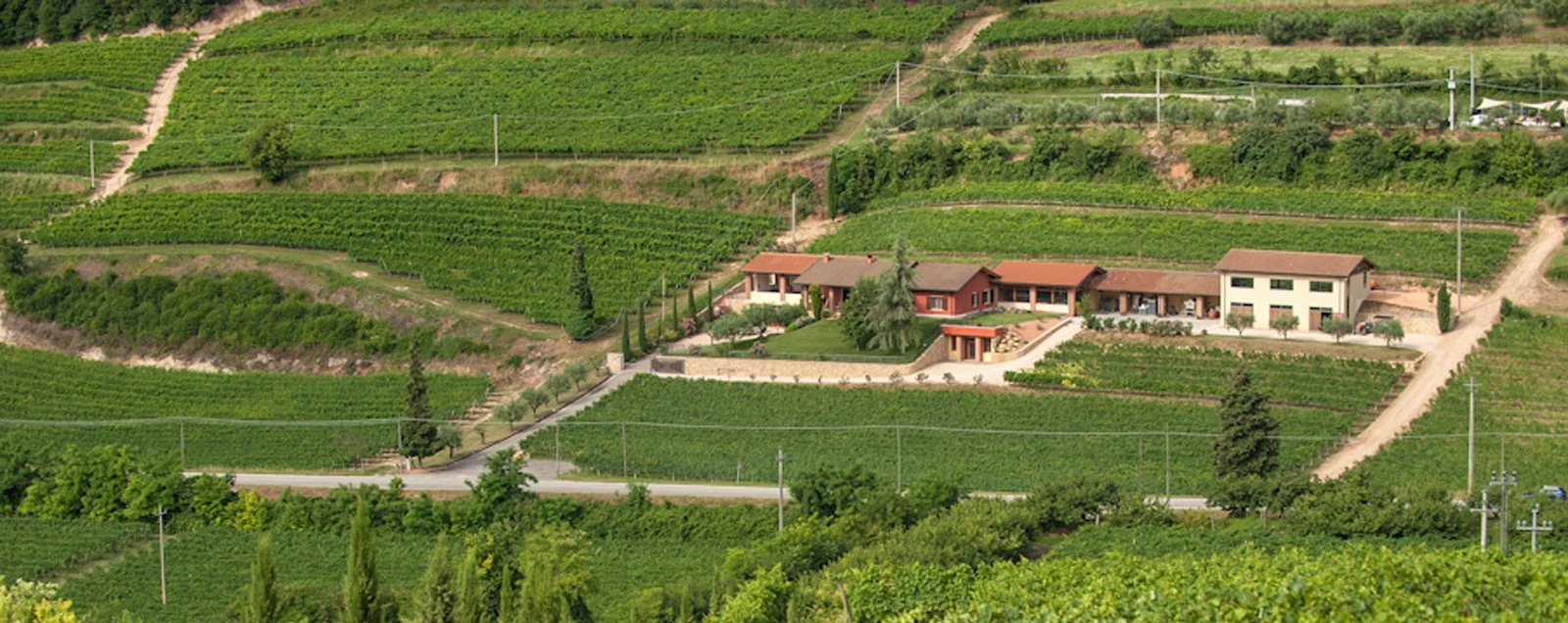
Anne et Jean-François Ganevat is a Jura natural-wine estate in Rotalier, rooted in family viticulture dating to 1650 and shaped by biodynamic farming. The draw is terroir over polish: 13 hectares, 17 local varieties, hand work in the cellar, no new oak, and a portfolio that moves from Savagnin and Chardonnay to Vin de Paille.
● 1 artisanView →
06.Winery
Markogianni Winery
Gastouni, Greece
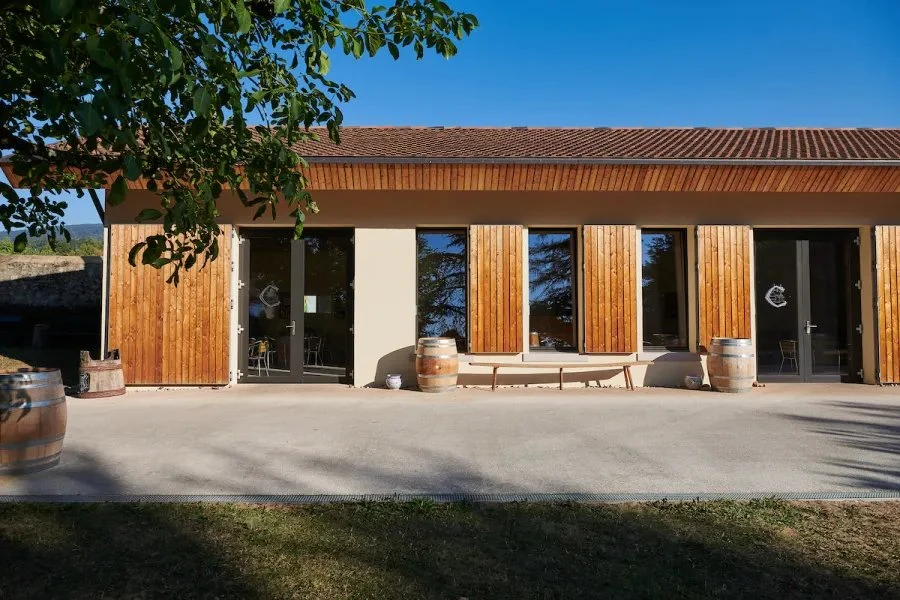
Markogianni Winery operates in Gastouni, a town in the Ilia region of the western Peloponnese where wine production has long existed in the shadow of more publicised Greek appellations. The winery holds a Pearl 1 Star Prestige award (2025), placing it among a recognised tier of Greek producers working outside the conventional spotlight. For visitors exploring Peloponnesian wine beyond Nemea and Patras, Gastouni represents a less-charted point on the map.
● 1 artisanView →07.Winery
Siebe Dupf Kellerei AG
Liestal, Switzerland
Siebe Dupf Kellerei AG in Liestal is a Swiss wine house shaped by regional production, cellar visits, and a broad European merchant’s portfolio. Its draw is not estate minimalism but range: Basel-Landschaft Pinot Noir, guided tastings, apéro formats, and social wine programming built on a trading legacy that dates to 1874.
● 1 artisanView →
08.Winery
Indómita
Casablanca, Morocco
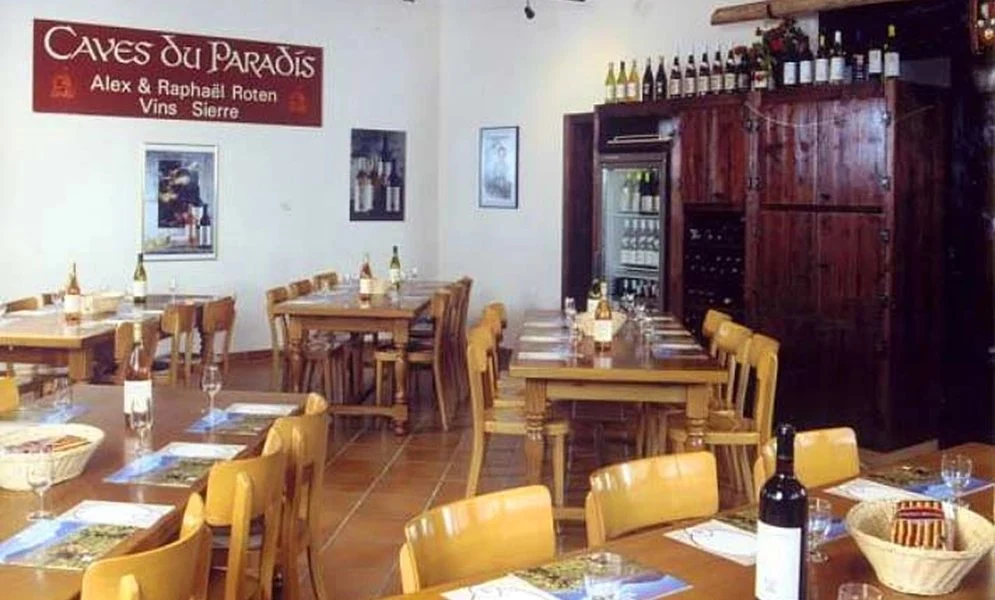
Indómita holds a Pearl 1 Star Prestige (2025) in Chile's Casablanca Valley, one of the country's most climate-driven wine regions. The valley's Pacific influence shapes a distinctive cool-climate style, tight, mineral whites and restrained Pinot Noir, that separates Casablanca from warmer inland appellations. Indómita sits within that tradition and is recognised among the valley's prestige-tier producers.
● 1 artisanView →
09.Winery
Château Beaumont
Cussac Fort Medoc, France
Philippe Dhalluin trained at Château Beaumont in Cussac Fort Medoc, where gravel, vats and long maceration set the method.
● 1 artisanView →
10.Distillery
Boutari Distillery
Thessaloniki, Greece
Boutari Distillery, located at Klisouras 13 in central Thessaloniki, holds a Pearl 1 Star Prestige award (2025), placing it among the city's recognised distilling operations. The Boutari name carries decades of weight in northern Greek spirits and wine production, and this address functions as both a working facility and a point of entry into that legacy.
● 1 artisanView →
11.Winery
Weibel Family Vineyards & Winery
Hopland, United States
Weibel Family Vineyards & Winery sits on Highway 175 in Hopland, Mendocino County's compact wine corridor, where smaller family-run producers operate at a deliberate remove from Napa's volume-driven model. The property earned a Pearl 1 Star Prestige in 2025, placing it within the tier of recognized independent California estates. For visitors tracing Mendocino's agricultural wine identity, it represents a grounded stop in a region that rewards patience.
● 1 artisanView →
12.Winery
Casa Grazia
Gela, Italy
Casa Grazia reads as southern Sicily through wine: lake salinity, sea wind, sandy-calcareous soils, and a rural building tied to local food culture. The Gela estate is strongest for travelers who want terroir explained through Frappato, Nero d’Avola, Grillo, Cerasuolo di Vittoria DOCG, and olive oil rather than a polished tasting-room performance.
● 1 artisanView →
13.Winery
Auberson & Fils SA
La Neuveville, Switzerland
Auberson & Fils SA gives La Neuveville’s lakeside wine culture a family-run, barrel-room scale: tastings around casks, a seasonal terrace among vines, and a portfolio shaped by the Lake Bienne microclimate. The draw is terroir rather than spectacle, with more than 40 grape varieties and a 1954 family lineage anchoring the cellar’s range.
● 1 artisanView →
14.Distillery
Fernet Vittone Distillery
Villa Mercedes, Argentina
Fernet Vittone Distillery in Villa Mercedes, Argentina, produces classic Argentine fernet in a style that marries Italian amaro tradition with local ingredients. Production centers on botanical infusion and French-oak aging; notable expressions include Fernet Vittone (Classic), a barrel-aged Fernet Vittone Reserva (12 to 14 months), and limited small-batch Reserva Especial releases. The distillery is recognized within Argentina’s fernet landscape and offers intensely aromatic spirits, dark herbal bitter, menthol and citrus peel notes, bitter-sweet caramel finish, crafted for both the fernet con cola ritual and modern cocktail programs. Visitors can expect a sensory-forward story of herbs, oak spice, and rounded grapey base distilled for balance and texture.
● 1 artisanView →15.Winery
Sektmanufaktur Perlgut
Mei En, Germany
Sektmanufaktur Perlgut brings Saxony’s cool-climate wine identity into sharp focus through traditional-method sparkling wine. Set in the Spaargebirge near Meißen, the small manufactory works exclusively with single-vineyard and vintage sekt, drawing on Pinot Noir, Chardonnay, Riesling and Scheurebe rather than treating bubbles as a secondary category.
● 1 artisanView →
16.Distillery
La Providencia Distillery
Tigre, Argentina
La Providencia Distillery in Tigre, Argentina presents a focused craft approach to spirits production. Public sources do not list full portfolio details, but visitors should expect house expressions such as a blanco-style spirit, a barrel-aged añejo, and limited single-barrel releases. The distillery emphasizes small-batch character and a close relationship to the Paraná Delta setting; sensory notes range from bright citrus and herbal oils in unaged expressions to warm caramel, baked spice and toasted oak in aged bottles. While formal accolades are not published, the location and craft focus make La Providencia Distillery a compelling stop for discerning travelers exploring Tigre's riverfront culture.
● 1 artisanView →
17.Winery
Apolonia Viticultors
Felantix, Spain
Apolonia Viticultors belongs to the functional, agrarian side of Mallorca wine rather than the polished estate-tour circuit. In Felantix, its interest lies in the cooperative structure and the island’s shift toward Callet, Manto Negro, Fogoneu and iron-rich Call Vermell soils as serious markers of place.
● 1 artisanView →
18.Winery
Cadis 1898
Soave, Italy
A century-rooted cooperative wine group in Soave, Veneto, producing wines from vineyards across Soave, Valpolicella, and Bardolino.
● 1 artisanView →
19.italian
Angelo Brocato Ice Cream
New Orleans, United States
One of New Orleans' most enduring sweet-shop institutions, Angelo Brocato has operated on North Carrollton Avenue since its post-Katrina reopening, earning consecutive Opinionated About Dining Cheap Eats rankings from #207 in 2025 back to #134 in 2023. The Sicilian-rooted counter serves gelato, spumoni, and Italian pastry in a format that has remained largely unchanged across generations, drawing a 4.6-star rating from over 6,600 Google reviewers.
● 1 artisanView →
20.Winery
Bodegas Forcada
Rincon De Olivedo O Las Casas, Spain
Bodegas Forcada belongs to the high-altitude, family-run side of Rioja, where steep Sierra de Alcarama vineyards shape the wines more than cellar theatrics. The draw is terroir with evidence: old vines, 700-metre vineyards, ecological farming, French and American oak, and a 2019 International Wine Challenge 96-point result for Alma de Forcada Cepas Viejas.
● 1 artisanView →
21.chinese
Win Son Bakery
Brooklyn, United States
Win Son Bakery on Graham Avenue in Brooklyn operates at the intersection of Taiwanese pastry tradition and American bakery culture, earning recognition on Opinionated About Dining's 2025 Cheap Eats in North America list. With a 4.5 Google rating across more than 1,300 reviews, it holds a firm position in the borough's most closely watched casual dining category.
● 1 artisanView →
22.Distillery
Rosenberger Distillery
Markt Allhau, Austria
Rosenberger Distillery earned a Pearl 1 Star Prestige in 2025, placing it among Austria's recognised craft spirits producers. Based in Markt Allhau in the Burgenland region, the distillery operates in a part of Austria where agricultural tradition and small-scale production run deep. For visitors tracking Austria's premium distilling scene, it represents a credentialled stop in an area better known for wine than spirits.
● 1 artisanView →23.Winery
Silvio Carta
Zeddiani, Italy
Silvio Carta is a Sardinian winery and distillery in Zeddiani with a production-site character: tastings, purchases, and guided visits sit close to the work rather than behind polished hospitality theatre. Its strongest editorial pull is the breadth of the island vocabulary in one place, from Vernaccia di Oristano DOC to myrtle liqueur, gin, vermouth, amari, grappa, and brandy, with recent awards reinforcing the Vernaccia and spirits credentials.
● 1 artisanView →
24.Winery
Henri Germain
Meursault, France
Domaine Henri Germain: Meursault Premier Cru and Montrachet Grand Cru parcels under Lucie Germain. Restrained-oak barrel regime, estate-bottled.
● 1 artisanView →25.Winery
Clos Jangli - Luxembourg Vine Huggers Sàrl
Keispelt, Luxembourg
Clos Jangli - Luxembourg Vine Huggers Sàrl belongs to Luxembourg’s small-production Moselle conversation: crémant, Auxerrois, limestone soils and an intimate countryside register rather than cellar-door spectacle. The interest here is terroir expression, with Keispelt placing the winery inside a compact national wine region where traditional-method sparkling wine carries more cultural weight than its modest scale suggests.
● 1 artisanView →26.Winery
Quinta do Corujão
Rio Torto Gva, Portugal
Quinta do Corujão is the high-altitude Dão estate at the foot of Serra da Estrela where M.O.B. began its shared winemaking project.
● 1 artisanView →
27.Winery
Cinzano
Santa Vittoria d'Alba, Italy
Cinzano sits in the hilltop village of Santa Vittoria d'Alba, in the heart of Piedmont's Langhe wine country, and carries a Pearl 1 Star Prestige award for 2025. The address alone positions it within one of Italy's most serious wine-producing territories, where Nebbiolo vineyards define the horizon and the local table reflects that agricultural gravity. For visitors tracing Piedmont's premium dining and wine circuit, Cinzano belongs on the itinerary.
● 1 artisanView →
28.Distillery
Black Dirt Distillery
Warwick, United Kingdom
Black Dirt Distillery holds a Pearl 1 Star Prestige award (2025), placing it among a select tier of UK distilleries recognised for craft and consistency. Based in Warwick, it represents the quieter, terroir-conscious end of British spirits production, where regional character matters as much as technical execution. For those tracking award-verified distilleries outside Scotland's dominant circuit, this is a producer worth the detour.
● 1 artisanView →29.Winery
Schweizer Weinmanufaktur
Grüningen, Switzerland
Schweizer Weinmanufaktur gives Grüningen a focused Zürichsee wine address built around local vinification, small-scale production and still wines from regional parcels. The interest here is terroir rather than spectacle: Pinot Noir, Räuschling, Kerner and Bordeaux-family crossings sit inside a quiet Zurich Oberland frame shaped by lake influence and local identity.
● 1 artisanView →30.Winery
Château Guibeau
Puisseguin, France
Château Guibeau gives Puisseguin’s clay-limestone Right Bank terroir a clear, Merlot-led reading: organic farming, sloped vineyard parcels, and a family estate history dating to 1932. The appeal is not spectacle but proportion, with red wines shaped by limestone structure, clay depth, and a countryside château setting overlooking vines and valley.
● 1 artisanView →31.Winery
Domaine Bösch
Hallau, Switzerland
Domaine Bösch gives Hallau’s Pinot Noir tradition a rustic, family-run expression, with Blauburgunder at the center and Müller-Thurgau as the white counterpoint. The draw is not trophy hunting but place: a quiet winery atmosphere, low-impact vineyard work, guided tastings, and a portfolio shaped by Schaffhausen’s long wine-growing culture.
● 1 artisanView →32.Winery
Château La Cabanne
Pomerol, France
Château La Cabanne belongs to the quieter side of Pomerol: family-owned, modest in scale, and shaped by clay-rich vineyard land rather than visitor spectacle. Its 10-hectare estate, HVE Level 3 certification, and production of around 20,000 bottles per vintage make it a useful lens on polished, Merlot-led Bordeaux from a small Pomerol address.
● 1 artisanView →33.Winery
Sélection Excelsus
Chamoson, Switzerland
Sélection Excelsus reads as a compact Valais estate rather than a spectacle-driven wine stop: family continuity, organic farming and the Chamoson alluvial cone define the experience. The draw is terroir-led Swiss wine culture, with Cornalin, Petite Arvine, Johannisberg, Fendant and Syrah giving visitors a clear route into the region’s grape vocabulary.
● 1 artisanView →34.Winery
Domaine Houblin-Vernin
Mige, France
Domaine Houblin-Vernin puts Migé’s Burgundy identity in a quieter register: small-scale Coulanges-la-Vineuse, 12 hectares of Pinot Noir and Chardonnay, and a cellar culture shaped more by vineyard work than visitor theatre. The draw is terroir expression from the Yonne rather than grand-cru spectacle, with Hachette recognition for the 2021 Bourgogne Coulanges-la-Vineuse Blanc adding a useful quality signal.
● 1 artisanView →
35.Winery
Bodegas Piedra Negra
Mendoza, Argentina
Bodegas Piedra Negra is a polished Uco Valley wine stop built around high-altitude viticulture, organic farming, and the mineral identity of Los Chacayes. The draw is less spectacle than terroir: Malbec, Cabernet Sauvignon, Chardonnay, Pinot Gris, rosé, and Gran Lurton positioned through the dry light, cool nights, and stony soils of Mendoza.
● 1 artisanView →36.Winery
SCEA Château Ferran
Martillac, France
SCEA Château Ferran is a small Martillac wine estate in Pessac-Léognan AOC, with vineyard-led visits rather than a hospitality-heavy format. The appeal is the quiet Bordeaux register: still red and white wines, sustainable farming language, a historic estate setting, and tastings arranged by appointment for travelers who want the agricultural side of the region in view.
● 1 artisanView →
37.Winery
Bodegas Vetus
Villabuena Del Puente, Spain
Toro’s power is the starting point at Bodegas Vetus, but the interest lies in how its 20-hectare estate reins that force into shape. The Villabuena del Puente winery works with Tinta de Toro from low-yielding vines, stainless-steel fermentation, and defined oak regimes, giving travelers a focused reading of Castilla y León rather than a broad wine-tourism circuit.
● 1 artisanView →
38.Distillery
Campari Ouzo Distillery
Volos, Greece
Campari Ouzo Distillery holds a Pearl 1 Star Prestige award (2025), placing it among Volos's recognised producers in the city's established ouzo distilling tradition. Volos sits at the heart of Greek ouzo culture, and this distillery operates within a comparable set that includes Apostolakis, Kaloyannis, and Fos. Visitors with an interest in Greek spirits production will find substantive ground here.
● 1 artisanView →
39.Winery
Nicolas Perrault
Dezize-lès-Maranges, France
Nicolas Perrault is a Burgundy wine estate included in the 2026 Michelin Grape Selection as Main Selection.
● 1 artisanView →
40.Winery
Nico Lazaridi Winery (Magiko)
Kavala, Greece
Nico Lazaridi Winery in Drama, Macedonia produces estate-driven wines and traditional tsipouro that blend mineral-rich terroir with artistic branding. Signature offerings include Magic Mountain (blend), Mavro Provato (indigenous varietal) and single-vineyard Xinomavro expressions. Founded in 1987 by Nikos Lazaridis, the estate cultivates 160 acres plus 37 contracted acres and exports to 21 countries. Visitors encounter the Magic Mountain art gallery, vineyard views of Mount Pangaio and guided tastings that emphasize structure, minerality and layered aromatics. The cellar’s barrel program and continental-influenced climate yield wines built for aging and sensory discovery, making each tasting a textured, memorable experience.
● 1 artisanView →
41.Distillery
Schnaubelt Distillery
Redwood Valley, United States
Schnaubelt Distillery earned a Pearl 1 Star Prestige award in 2025, placing it among a small tier of recognized producers in Redwood Valley, California. Located on North Harbor Drive in Fort Bragg, the distillery operates within a region better known for wine than spirits, making its critical recognition an outlier worth tracking. For visitors to Mendocino County's northern edge, it represents one of the area's few distilling operations to attract formal industry attention.
● 1 artisanView →
42.Distillery
Espíritu Libre Destilería
Montevideo, Uruguay
Montevideo's craft spirits scene has produced few operations with the critical standing of Espíritu Libre Destilería, which earned a Pearl 1 Star Prestige in 2025. Operating in a city where artisan distilling sits in the shadow of wine production and state-backed spirits manufacturing, Espíritu Libre represents a distinct tier: small-batch, award-recognised, and positioned outside the volume-driven mainstream.
● 1 artisanView →
43.Winery
Ambata
Castilla Y Leon, Spain
Ambata belongs to the Bierzo side of Castilla y León, where Mencía gives Spain’s northwest a red-wine identity apart from the Tempranillo weight of the Duero corridor. The appeal is terroir rather than theatre: accessible bottles, old-vine cues, and a quiet rustic register that suits drinkers more interested in regional character than polished hospitality choreography.
● 1 artisanView →
44.fusion
Arôme Bakery
London, United Kingdom
Arôme Bakery on Mercer Street in Covent Garden earns its place in London's serious bread conversation with a 4.9 Google rating across more than 2,600 reviews and a 2025 Opinionated About Dining Cheap Eats in Europe recognition. Chef Alix Andre leads a tight operation that draws consistent queues, placing it firmly in the category of daytime destinations worth planning a visit around.
● 1 artisanView →45.Winery
Sesta di Sopra
Montalcino, Italy
Sesta di Sopra belongs to the quieter side of Montalcino: a small family-run Brunello estate where calcareous soils, Sangiovese Grosso, restored farm buildings and olive groves carry more weight than spectacle. Its scale is compact, its portfolio is focused, and its strongest argument is terroir expressed through estate fruit rather than brand theatre.
● 1 artisanView →46.Winery
Quinta da Lagoalva
Lagualva De Cima, Portugal
Quinta da Lagoalva is a historic family estate near Alpiarça on the Tagus, pairing centuries of agricultural tradition with contemporary Tejo winemaking.
● 1 artisanView →47.Winery
Silverthorn Wines
Robertson, South Africa
Silverthorn Wines is a Robertson Cap Classique specialist with a small-production, traditional bottle-fermented focus and a tasting-room setting shaped by the Breede River, vineyards and the Riviersonderend mountains. Its strongest case is terroir: rocky, lime-rich shale soils, old Chardonnay vineyards and a house identity built around South African sparkling wine rather than a broad cellar-door portfolio.
● 1 artisanView →
48.Winery
Emidio Pepe
Montepulciano, Italy
Emidio Pepe, situated in Torano Nuovo in Abruzzo's Teramo hills, is one of Italy's most discussed addresses for Montepulciano d'Abruzzo produced with minimal intervention and extended cellaring. Holder of a Pearl 1 Star Prestige (2025), the estate draws collectors and wine travellers who treat a visit as a direct encounter with one of the peninsula's most terrain-driven red wine traditions.
● 1 artisanView →49.Winery
Seewinkelweingut Klein
Illmitz, Austria
Seewinkelweingut Klein is a quiet family winery in Illmitz, framed by the Seewinkel’s flat wine country and the Neusiedler See–Seewinkel national-park setting. The draw is a low-key private-tasting format rather than a high-energy cellar-door scene, with at least one barrique bottling, Terragon Barrique, giving the portfolio an oak-aged reference point.
● 1 artisanView →
50.Distillery
Gin Pinares (Sacramento Spirits)
Punta del Este, Uruguay
Gin Pinares, operating under the Sacramento Spirits label in Punta del Este, earned a Pearl 1 Star Prestige in 2025, placing it among Uruguay's recognised spirits producers. The operation connects to the broader coastal wine and spirits corridor that runs between Maldonado and Colonia del Sacramento, where Atlantic-influenced terroir shapes production decisions at every level.
● 1 artisanView →
51.Bakery
Mindy’s Bakery
Chicago, United States
The rotating menu at Mindy’s reads like an Encyclopedia of Bread, with everything from donuts to pot pies, and fleeting standouts like a mortadella and giardiniera turnover and a honey, brie, and apricot jam danish. This Wicker Park bakery also happens to have one of the best bagels in Chicago . Unfortunately, because everyone shares our opinion, the small space is usually crowded. There are only a couple of window seats, so be prepared to eat over the steering wheel and catch some crumbs in the
● 1 artisanView →52.Winery
Sigma Vinum
Großhöflein, Austria
Sigma Vinum places Großhöflein’s Burgenland red-wine context into a modern wine-design frame, with Blaufränkisch, Zweigelt, Grüner Veltliner and Sauvignon Blanc in view rather than a conventional cellar-door narrative. The useful lens here is terroir and format: a small-scale, concept-led producer tied to Leithaberg and Austrian indigenous varieties, with recognition through Falstaff’s winery directory and a market-facing Blaufränkisch bottling.
● 1 artisanView →
53.Winery
Schnapsbrennerei Habbel
Kirchberg am Wechsel, Austria
A farmhouse distillery in the Wechsel highlands of Lower Austria, Schnapsbrennerei Habbel earned a Pearl 1 Star Prestige in 2025, placing it among Austria's recognised small-production spirits operations. The Kirchberg am Wechsel address situates it deep in agricultural terrain where fruit and grain distillation has long been a local practice rather than a novelty. For those tracing Austria's craft spirits geography, Habbel is a credible starting point.
● 1 artisanView →
54.Hotel
Fairmont El San Juan Hotel
Carolina, Puerto Rico
Beachfront on Isla Verde and ten minutes from Old San Juan, Fairmont El San Juan Hotel carries six decades of Puerto Rican social history inside a property that now pairs mid-century atmosphere with four pools, a Well and Being Spa, and signature dining. The combination of airport proximity, beach access, and a layered architectural identity places it in a distinct tier among the island's full-service resort hotels.
● 1 artisanView →
55.Winery
Beneduce Vineyards
Pittstown, United States
Beneduce Vineyards puts New Jersey wine in a farm-first frame: estate-grown fruit, regenerative vineyard work, and a hospitality style that shifts from daytime picnics to livelier music-led evenings. In Pittstown, its strongest argument is terroir rather than spectacle, with Hunterdon County soils, elevation, and breeze shaping a portfolio that runs across still, sparkling, and dessert wines.
● 1 artisanView →
56.british
Hambledon Vineyard
Hambledon, United Kingdom
Sitting on what is reputedly England's oldest commercial vineyard, Hambledon Vineyard restaurant pairs estate-grown sparkling wine with seasonal dishes in a timber-and-glass dining room overlooking the South Downs. The kitchen garden is visible from the approach path, and its produce appears on the plate shortly after. For Hampshire, this is as close to field-to-fork dining as the county offers.
● 1 artisanView →57.Winery
Château Moya
Fronsac, France
Château Moya is a small organic Right Bank Bordeaux estate associated with Castillon Côtes de Bordeaux, with clay-limestone vineyards, Merlot-led red wine, and a rural register rather than a tourism-heavy format. Its interest lies in terroir, scale, and farming discipline: ECOCERT organic certification from the 2013 vintage, an 8-hectare vineyard, and a single flagship blend shaped by a warmer, drier corner of Bordeaux.
● 1 artisanView →58.Winery
Sektkellerei Sartor
Polch, Germany
Sektkellerei Sartor reads less like a romantic cellar door than a production-minded German drinks house: industrial, modern, and anchored in sparkling wine. Founded in 1938 in Polch, it suits travelers interested in how Sekt sits inside contemporary beverage manufacturing rather than vineyard theatre or leisurely tasting-room ritual.
● 1 artisanView →
59.Winery
Belguardo
Castellina in Chianti, Italy
Belguardo is a Maremma-focused Tuscan estate tied to the Mazzei family’s long Chianti history, but its identity comes from coastal air, low humidity and limestone-sandstone soils rather than from Chianti convention. Expect a quiet, rural wine-country mood and a portfolio shaped around Vermentino, Sangiovese, Ciliegiolo and Bordeaux varieties.
● 1 artisanView →
60.Winery
AdamsWein
Ingelheim Am Rhein, Germany
Dr. Simone Adams, winemaker at AdamsWein in Ingelheim Am Rhein, shapes biodynamic Pinot-led wines from limestone-rich Rheinhessen parcels.
● 1 artisanView →