The Places · Page 164
Where the artisans work.

01.Winery
AdamsWein
Ingelheim Am Rhein, Germany
Dr. Simone Adams, winemaker at AdamsWein in Ingelheim Am Rhein, shapes biodynamic Pinot-led wines from limestone-rich Rheinhessen parcels.
● 1 artisanView →
02.Hotel
Liss Ard Estate
Skibbereen, Ireland
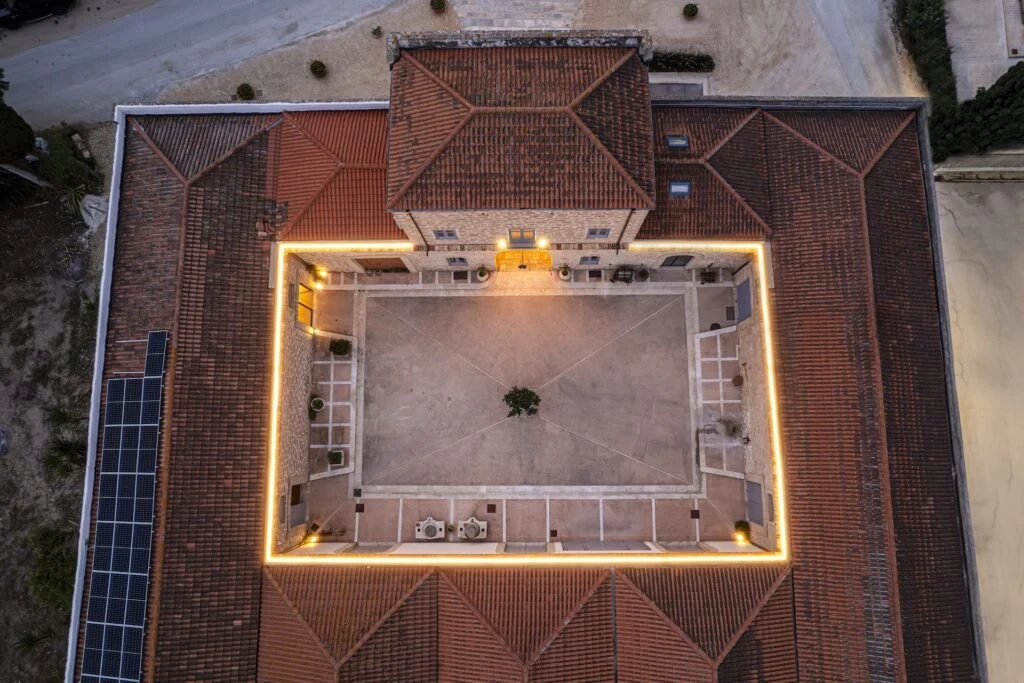
A 163-acre Georgian-style estate outside Skibbereen, Liss Ard sits in a category of Irish country-house hotel where land art, working farmland, and architectural character do most of the work. James Turrell's permanent sky installation on the grounds places it among a small number of Irish properties where serious contemporary art and rural hospitality coexist. Rates from US$281 per night.
● 1 artisanView →
03.Distillery
Spyropoulos Distillery
Patras, Greece
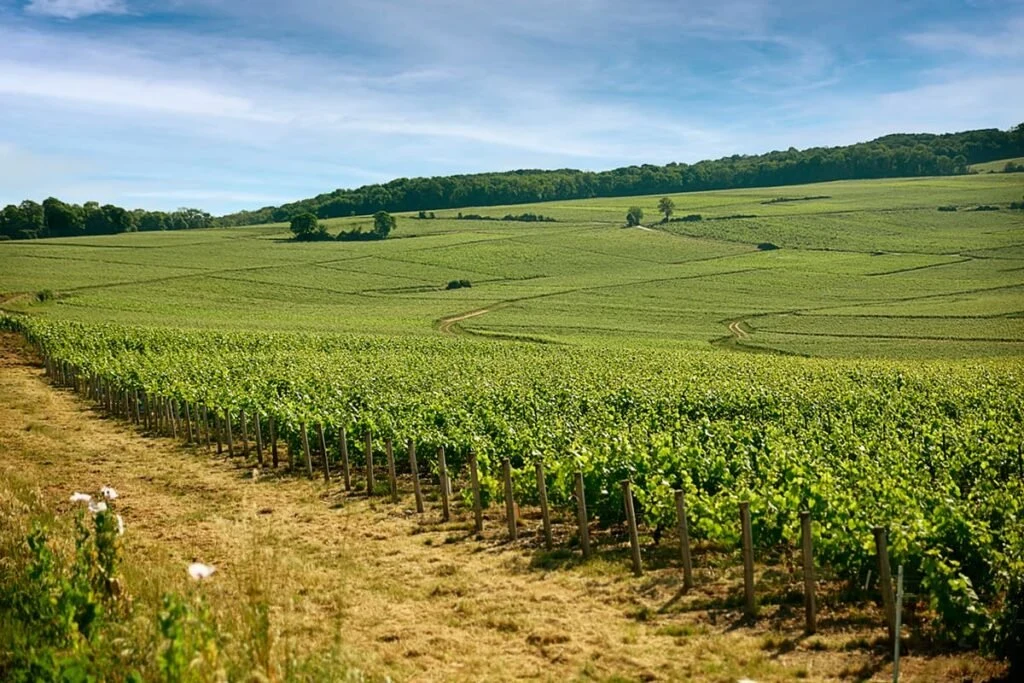
Spyropoulos Distillery operates from the Patras waterfront at Akti Dimaion, holding a Pearl 1 Star Prestige award (2025) among a city whose distilling tradition stretches back generations. It sits within a concentrated local cluster of producers that includes tsipouro houses and the makers of Patras's celebrated tentoura liqueur, making the address a reference point for understanding the region's spirits culture.
● 1 artisanView →
04.Winery
Cafaggio
Greve in Chianti, Italy
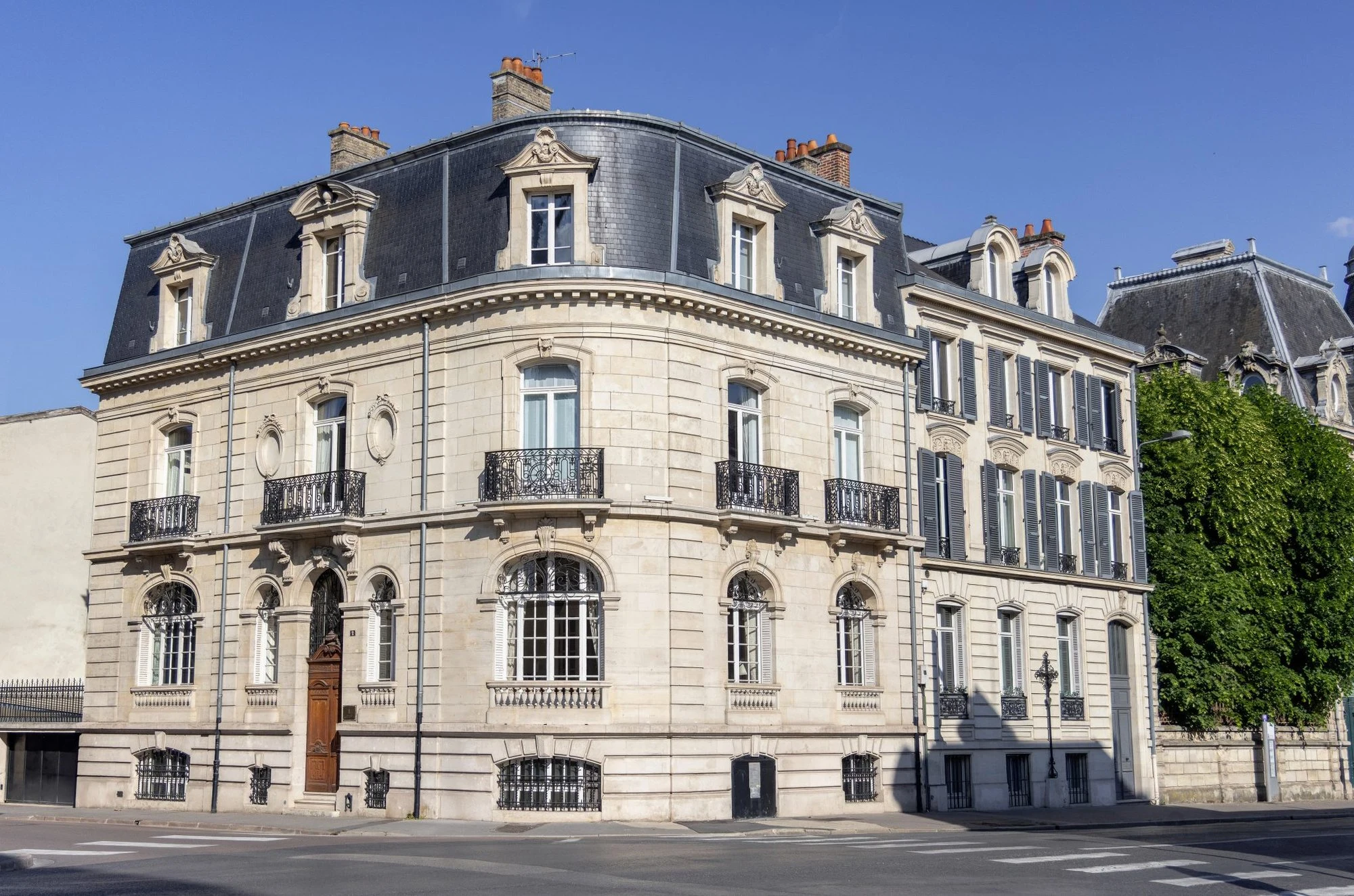
Cafaggio is a Chianti Classico estate in Greve in Chianti shaped by the Conca d’Oro of Panzano: south-facing vineyards, galestro limestone, calcareous sandstone, olive groves, and a long agricultural memory. Its appeal is terroir-led rather than spectacle-led, with Sangiovese, organic farming since 2014, and a documented history reaching back to 1408 anchoring the experience.
● 1 artisanView →
05.Winery
Cole Bailey Vineyards
Redwood Valley, United States
Cole Bailey Vineyards operates in Redwood Valley, one of Mendocino County's quieter but increasingly recognised appellations, and carries a Pearl 1 Star Prestige award for 2025. The valley's cooler nights and well-drained benchland soils shape a house style that reads differently from the county's more coastal producers. For visitors seeking serious estate wine away from the Napa–Sonoma circuit, Cole Bailey offers a focused alternative.
● 1 artisanView →06.Winery
Sierra de Toloño
Villabuena De Alava, Spain
Sierra de Toloño belongs to the fresher, altitude-led side of Rioja Alavesa, where limestone soils, north wind and small parcels matter more than cellar architecture. Sandra Bravo’s micro-bodega works with Tempranillo, Garnacha, Viura and other local varieties, using steel, amphorae and old wood to keep the wines tense, mineral and site-led.
● 1 artisanView →07.Winery
Shadowfolk Vineyards
Koblenz, Germany
Shadowfolk Vineyards is a small Mosel natural-wine project near Koblenz, led by Finnish winemaker Petra Kujanpää and rooted in Riesling, old vines, and organic production. Its appeal sits in the tension between the Lower Mosel’s steep-slope discipline and a lighter, more playful style that speaks to drinkers tracking Germany’s newer natural-wine movement.
● 1 artisanView →

08.Distillery
Destilería Artesanal Sur 34 Gin
Colonia del Sacramento, Uruguay
Destilería Artesanal Sur 34 Gin is a craft spirits producer based in Colonia del Sacramento, Uruguay, recognised with a Pearl 1 Star Prestige award in 2025. Operating within a city better known for colonial architecture and Tannat-driven wineries, it represents the emerging artisanal distilling movement taking hold in the Río de la Plata region. For visitors to Colonia, it offers a distinct counterpoint to the wine-forward producers dominating the area.
● 1 artisanView →09.Winery
Château Lestage-Simon
Saint Seurin De Cadourne, France
Château Lestage-Simon belongs to the quieter, terroir-led side of Haut-Médoc: a traditional Left Bank estate in Saint Seurin De Cadourne shaped by Merlot, Petit Verdot, Cabernet Sauvignon, and the commune’s mix of sandy, limestone, and clay-limestone soils. Its Cru Bourgeois status, HEV 3 and ISO 14001 certifications, and 92-point scores for the 2018 and 2020 vintages give the wines more objective weight than the modest price tier suggests.
● 1 artisanView →
10.Winery
Antichi Poderi Jerzu
Jerzu, Italy
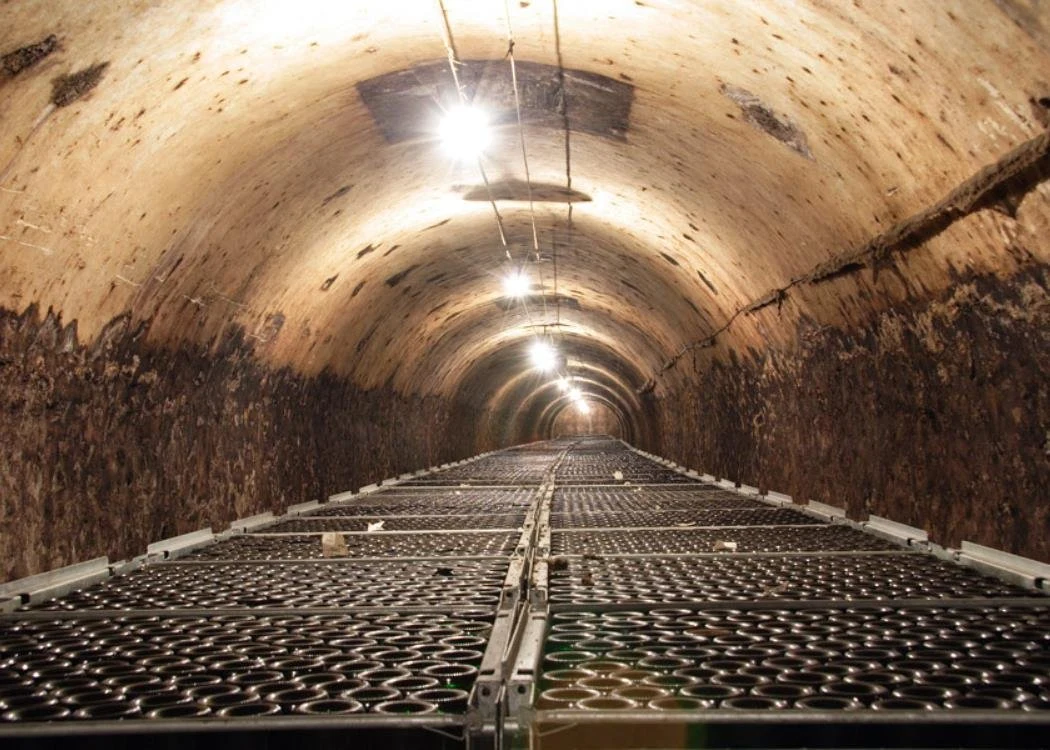
Antichi Poderi Jerzu is a historic Sardinian cooperative in Jerzu, shaped by Cannonau, Vermentino, hillside farming and village-scale production. Founded in 1950 by 45 growers and now tied to hundreds of local members, it reads less like a polished estate visit than a study in how Ogliastra’s land and communal wine culture meet in the glass.
● 1 artisanView →
11.Winery
Bioweingut Anita Goldenits
Tadten, Austria
Bioweingut Anita Goldenits gives Tadten a clear organic-wine reference point, shaped by Seewinkel’s saline soils, lake influence, and dry Burgenland summers. The interest is in place rather than theatre: Grüner Veltliner, Welschriesling, Sauvignon Blanc, and Blauer Zweigelt carry the argument, with regional competition recognition adding useful context.
● 1 artisanView →
12.Winery
Angel's Estate
Stara Zagora, Bulgaria
Angel's Estate reads as a modern Bulgarian winery shaped by the Thracian Lowlands rather than by hospitality theatre. Its estate-vineyard model, broad varietal range, Decanter recognition for Deneb Cabernet bottlings, and post-2016 modernization place it in the production-led side of Stara Zagora wine travel.
● 1 artisanView →
13.Winery
Alma Negra
Vista Flores, Argentina
Alma Negra is a biodynamic winery in Vista Flores shaped by high-altitude Uco Valley conditions, Bonarda-led identity, and an unusually design-conscious estate language. Founded in 2000 by Ernesto Catena, it sits in the boutique, sensory-focused side of Argentine wine, with appointment-only visits and a portfolio that moves from dark-fruited reds to traditional-method sparkling rosé.
● 1 artisanView →
14.Winery
Altemasi
Trento, Italy
Altemasi gives Trento’s mountain-sparkling tradition a sharply modern reading: four-level cellar architecture, Metodo Classico discipline, and fruit drawn from high-altitude vineyards between 450 and 700 metres. The story here is less pastoral estate romance than precision, long lees ageing, and the Cavit consortium’s role in pushing Trentodoc into a more serious competitive conversation.
● 1 artisanView →
15.Distillery
Mühlbauer Distillery
Zwettl, Austria
Mühlbauer Distillery operates out of Zwettl in Lower Austria's Waldviertel, a region better known for its granite soils and rye cultivation than for the wine corridors to its south. Holder of a Pearl 1 Star Prestige award in 2025, the distillery places itself in Austria's growing tier of terroir-focused spirits producers, where raw material origin carries as much weight as technique.
● 1 artisanView →
16.Winery
Cantine Vitevis
Montecchio Maggiore, Italy
A Veneto cooperative wine group uniting four historic wineries across the provinces of Verona and Vicenza.
● 1 artisanView →
17.Winery
Cascina Bruciata
Barbaresco, Italy
Cascina Bruciata is a Barbaresco winery for drinkers who care about Nebbiolo through a specific site rather than a broad regional survey. Its focus is Rio Sordo, with estate-grown fruit, Barbaresco DOCG, Barbaresco Riserva and a quiet appointment-only format that suits serious tasting rather than high-volume cellar-door traffic.
● 1 artisanView →
18.other
Four Barrel Coffee
San Francisco, United States
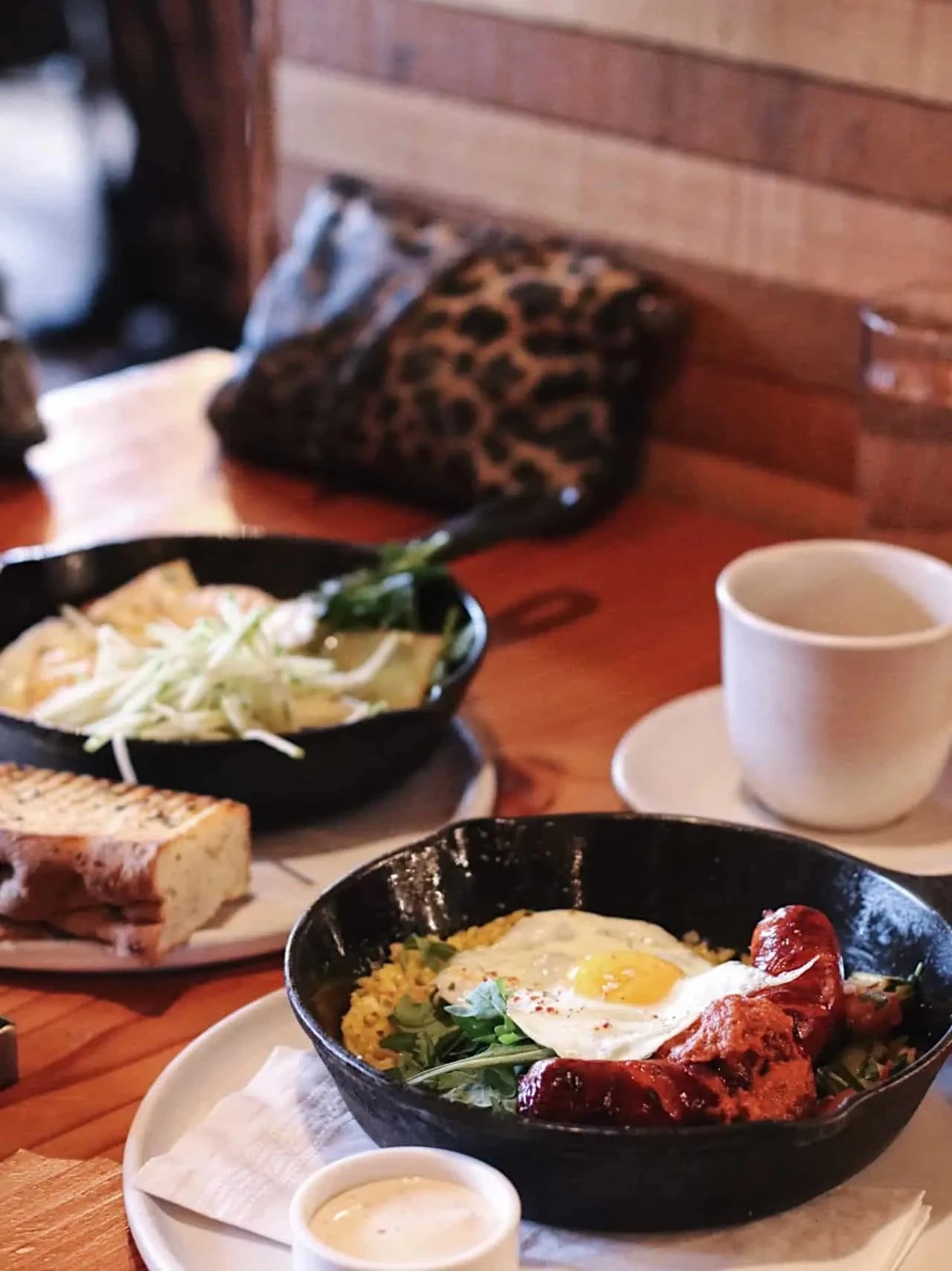
Four Barrel Coffee on Valencia Street has held a place on Opinionated About Dining's Cheap Eats in North America list for three consecutive years, ranking as high as #92 in 2023. Operating in the Mission District, one of San Francisco's most coffee-saturated neighbourhoods, it draws a 4.5-star rating across more than 2,500 Google reviews and opens seven days a week from 7am to 5pm.
● 1 artisanView →
19.Winery
Château L'Évangile
Pomerol, France
One of Pomerol's most historically rooted estates, Château L'Évangile has been producing wine since 1741 from a clay-rich plateau that abuts Pétrus on its northern border. Under winemaker Jean Pascal Vazart, the estate, now part of the Rothschild portfolio, produces Merlot-dominant blends that carry the geological fingerprint of their Pomerol terroir into every vintage.
● 1 artisanView →20.Winery
Domaine du Pas de l'Escalette
Poujols, France
Domaine du Pas de l’Escalette belongs to the cooler, higher-altitude argument for Languedoc: limestone terraces, dry-stone walls, organic and Biodyvin-certified biodynamic farming, and estate-grown fruit rather than purchased grapes. Its interest is less cellar spectacle than terroir clarity, with Grenache, Cinsault, Carignan, Syrah, Mourvèdre and southern white varieties shaped by the Terrasses du Larzac’s elevation.
● 1 artisanView →
21.Winery
Canonica a Cerreto
Castelnuovo Berardenga, Italy
Canonica a Cerreto is a hilltop Chianti Classico estate in Castelnuovo Berardenga, shaped by old stone, vineyard exposure, and a long monastic-to-noble history. The interest here is terroir rather than spectacle: Sangiovese-led wines, limestone-clay soils, hand harvests, and a three-label tasting format that reads the southern Chianti hills through Annata, Riserva, and Gran Selezione.
● 1 artisanView →22.Winery
SCEA Cave Louis Vallon
Saint Pey De Castets, France
SCEA Cave Louis Vallon is a production-led Crémant de Bordeaux address in Saint Pey De Castets, tied to the Bordeaux Families cooperative structure and focused on sparkling wine at serious scale. Expect an industrial, cellar-oriented atmosphere rather than a polished château hospitality script, with guided tastings by appointment and a format better suited to wine education and groups than leisurely terrace drinking.
● 1 artisanView →
23.Distillery
Destilería Moretti
Buenos Aires, Argentina
Destilería Moretti is a Buenos Aires distillery recognised with a Pearl 1 Star Prestige award in 2025, placing it among a growing tier of craft spirits producers reshaping the city's artisan drinks scene. It sits alongside peers such as Destilería Dellepiane and Destilería Demian as part of a broader shift toward locally rooted, production-focused operations in the Argentine capital.
● 1 artisanView →
24.Winery
Fürst von Metternich-Winneburg’sche Domäne Schloss Johannisberg
Rheingau, Germany
Schloss Johannisberg has occupied its Rhine-facing hill since vines were first planted here in 817, and its claim as the world's first dedicated Riesling winery dates to 1720. Sitting above Geisenheim in the Rheingau, the neoclassical estate holds a Pearl 1 Star Prestige (2025) and remains a reference point for understanding how a single site can define an entire variety's trajectory.
● 1 artisanView →
25.Distillery
Hanaq Pacha Distillery
Coquimbo, Chile
Hanaq Pacha Distillery operates in Coquimbo, Chile's Atacama-adjacent pisco country, where high-altitude desert conditions define the aromatic character of the spirit. The distillery holds a Pearl 1 Star Prestige award (2025), placing it in a recognised tier of Chilean producers working at craft scale. Contact details and booking arrangements are best confirmed directly through current local channels.
● 1 artisanView →
26.Distillery
Brennerei Hödl
Klagenfurt, Austria
Brennerei Hödl holds a Pearl 1 Star Prestige (2025) among Klagenfurt's specialist distillers, placing it in a tier where craft provenance and production discipline carry more weight than volume or visibility. Austria's distilling tradition runs deep in Carinthia, and Hödl operates within that lineage with the kind of low-profile seriousness that awards committees tend to notice before most visitors do.
● 1 artisanView →27.Winery
Domaine A. Chopin et Fils
Comblanchies, France
A low-key Côte de Nuits domaine in Comblanchies, Domaine A. Chopin et Fils belongs to Burgundy’s quieter, vineyard-led category rather than its polished tourism circuit. The draw is terroir expression: ten hectares across Nuits-Saint-Georges Premier Cru sites, Chambolle-Musigny and Clos de Vougeot, farmed with hand work, no herbicides or insecticides, and a restrained cellar approach.
● 1 artisanView →
28.Winery
Ravines Wine Cellars
Geneva, Switzerland
Ravines Wine Cellars holds a Pearl 1 Star Prestige (2025) and occupies a distinct position in Geneva's premium wine scene. The producer draws on terroir-driven winemaking traditions that place it alongside a small cohort of precision-focused houses. For those tracking serious wine in the region, it represents one of the more considered addresses in the current Geneva conversation.
● 1 artisanView →
29.Hotel
Nobu Hotel Palo Alto
Palo Alto, United States
Nobu Hotel Palo Alto occupies a downtown Hamilton Avenue address that puts Silicon Valley's VC corridors and tech campuses within walking distance, while a recent renovation has refreshed all guest rooms, suites, and public spaces. The property operates at an intimate scale suited to both focused work stays and weekend escapes toward Bay Area foothills cycling or nearby wine country.
● 1 artisanView →
30.Winery
Bodegas Amaren
Samaniego, Spain
Bodegas Amaren gives Rioja Alavesa a quieter, site-led reading: old vines around Samaniego and Leza, chalky-clay and limestone soils, and vineyards sheltered by the Sierra de Cantabria. The experience is intimate rather than crowded, with guided tasting formats that make the land, the family origin story, and the winery’s rejection of standard Rioja ageing labels feel connected.
● 1 artisanView →
31.Winery
Bodegas Ortubia
Villalba De Rioja, Spain
Bodegas Ortubia is a family-run Rioja winery in Villalba De Rioja, shaped by estate vineyards, Tempranillo, Macabeo and traditional cellar work rather than polished wine-tourism theatre. Its appeal is terroir-led: cooler-climate Rioja structure, barrel aging and a working-cellar sensibility anchored by a family vineyard history that reaches back to 1920.
● 1 artisanView →
32.Winery
Bodegas y Vinedos Gómez Cruzado
Haro, Spain
A small Rioja Alta bodega in Haro with roots in 1886, Gómez Cruzado is strongest when read through place: Atlantic-influenced altitude, old bush vines, and a lighter hand with oak. Its Barrio de la Estación setting gives the visit historic weight, while the house style leans toward freshness and line rather than mass.
● 1 artisanView →33.Winery
Danbury Ridge Wine Estate
Chelmsford, United Kingdom
Danbury Ridge Wine Estate puts Essex still wine into a serious, high-end frame, with Chardonnay and Pinot Noir shaped by warm Crouch Valley conditions, London clay, sand and gravel. The estate’s 29 acres, gravity-fed winery and professional-facing tasting format make it a sharper proposition than the rustic cellar-door model common in younger wine regions.
● 1 artisanView →
34.Winery
Cantina Saottini
Lonato Del Garda, Italy
Cantina Saottini belongs to the Lake Garda tradition where morenic soils, Groppello, Rebo and Turbiana shape the conversation more than cellar theatrics. The family-run winery dates to 1917 and works 12 estate hectares in Lonato del Garda, with manual harvesting and cement-vat ageing giving the wines a deliberately local register.
● 1 artisanView →
35.Winery
Sombra
Santiago Matatlán, Mexico
Sombra in Santiago Matatlán, Oaxaca is a craft mezcal distillery producing small-batch, 100% Espadín expressions. Signature bottles include Sombra Mezcal Joven and Sombra Agave de Oaxaca Mezcal (750ml). Founded in 2010 by Master Sommelier Richard Betts, Sombra pairs traditional palenque roasting and a solar-powered tahona with rainwater cooling to create spicy, fruity mezcal with a whisper of smoke. Recognized for its sustainability and community work, the distillery delivers tactile, mineral-driven aromas, warm agave sweetness, and a long, savory finish, an immersive taste of Oaxacan terroir for discerning travelers.
● 1 artisanView →36.Winery
Château La Dominique
Saint-Émilion, France
Château La Dominique brings a contemporary architectural charge to Saint-Émilion wine tourism, pairing a Jean Nouvel red steel winery with a Grand Cru Classé estate rooted in Merlot-led Bordeaux. The visit is strongest for travelers interested in terroir, design, and the way modern hospitality now frames historic right-bank wine culture.
● 1 artisanView →37.Winery
Sella delle Spine
Taurasi, Italy
Sella delle Spine is a family-run Taurasi winery founded in 1970, with Aglianico at the center and a wider Campanian range built around Fiano, Greco, and Falanghina. The visit format links Piano d’Angelo vineyard rows, cellar time, local food pairings, and Taurasi’s historic center rather than treating tasting as a counter-only pour.
● 1 artisanView →
38.Winery
Roblet-Monnot
Volnay, France
Pascal Roblet's Volnay-based domaine works premier cru parcels across Beaune, Pommard, and Volnay. Family-held estate since 1973.
● 1 artisanView →
39.Winery
Bodegas Ismael Arroyo
Sotillo De La Ribera, Spain
Bodegas Ismael Arroyo is a traditional Ribera del Duero cellar in Sotillo De La Ribera, built around family continuity, Tempranillo, and an underground aging space cut into rock. The draw is not spectacle but context: old vines, clay-limestone soils, and a cellar culture that explains why this part of Castilla y León remains central to Spanish red wine.
● 1 artisanView →40.Winery
Domaine Geantet-Pansiot
Gevrey-Chambertin, France
Domaine Geantet-Pansiot is a family-run Burgundy domaine in Gevrey-Chambertin, founded in 1954 and now working across 24 hectares. Its appeal sits in the Côte de Nuits grammar of Pinot Noir: limestone and clay-limestone soils, old-vine material, manual harvesting, indigenous yeasts, and a cellar regime built for density without cosmetic polish.
● 1 artisanView →
41.Winery
Alamos – Wines of Catena
Vista Flores, Argentina
Alamos – Wines of Catena belongs to the Mendoza story that made high-altitude Malbec legible beyond Argentina. Rooted in Vista Flores and introduced by Nicolás Catena Zapata in 1993, it reads less like a visitor-first estate and more like a production-led expression of Andes light, cool nights, alluvial soils, and modern Argentine winemaking.
● 1 artisanView →42.Winery
Quinta da Chocapalha
Aldeia Galega Da Merceana, Portugal
A family estate in Aldeia Galega da Merceana, Quinta da Chocapalha combines sustainable farming and careful winemaking to express its distinctive terroir.
● 1 artisanView →
43.Winery
Bio-Weingut Wingert
Nussbaumen, Switzerland
Bio-Weingut Wingert is a small organic estate in Nussbaumen, working in the Thurgau idiom of modest scale, agricultural precision, and vintage variation. Its Bio Suisse certification, PIWI focus, miniature animal vineyard work, and three-wine portfolio place it in the low-intervention corner of Swiss wine rather than the polished export-facing lane.
● 1 artisanView →
44.other
Bakehouse
Hong Kong, Hong Kong
Bakehouse has become a reference point for serious bread and pastry in Hong Kong, holding a ranked position on Opinionated About Dining's Casual Asia list every year since 2023. Operating out of Wan Chai's Tai Wong Street East, chef Grégoire Michaud's operation runs seven days a week from 8am, drawing a cross-section of the city's food-literate crowd. The trajectory on OAD, moving from #48 in 2023 to #27 by 2025, signals consistent upward momentum in a competitive regional field.
● 1 artisanView →45.Winery
Silvano Piacentini Premium Wine Selection
San Pietro In Cariano, Italy
Silvano Piacentini Premium Wine Selection is a Valpolicella wine house in San Pietro In Cariano, founded in 2000 by Silvano Piacentini with his children. The emphasis is production, import/export, distribution and private tasting rather than a hospitality-first cellar-door model, with a still-red focus built around Corvina, Corvinone and Rondinella.
● 1 artisanView →46.Winery
Silvio Grasso
La Morra, Italy
Silvio Grasso is a family-run La Morra winery founded in 1927, with a compact Piedmont program led by Nebbiolo and Barolo. The draw is terroir rather than spectacle: La Morra marne and sandstone for Barolo “Giachini,” Monforte d’Alba calcareous soils for Nebbiolo “Peirass,” and regional breadth through Dolcetto and Barbera.
● 1 artisanView →
47.Winery
Amarischia
Caivano, Italy
Caivano sits in the shadow of Naples, a working-class comune better known for industrial zones than dining destinations. Amarischia, the sole holder of a Pearl 1 Star Prestige award in 2025, represents the kind of quietly serious cooking this corner of Campania rarely surfaces to the broader conversation. For those willing to make the drive north of the city, it rewards attention.
● 1 artisanView →48.Winery
Seghesio
Monforte d'Alba, Italy
Seghesio is a small family-run estate in Monforte d’Alba, framed by the stricter, quieter side of Langhe wine culture rather than cellar-door theatre. Its work centers on Barolo DOCG and the region’s red-grape grammar, with Nebbiolo, Barbera and Dolcetto handled through a compact estate model that favors place over scale.
● 1 artisanView →49.Winery
Girolamo Russo
Passopisciaro, Italy
Girolamo Russo is a Passopisciaro estate known for elegant, contrada-focused Etna wines that show the northern slope through Nerello Mascalese, Carricante and volcanic high-altitude vineyards.
● 1 artisanView →
50.Distillery
Brennerei Kirchbichler
Wildschönau, Austria
Brennerei Kirchbichler operates out of Wildschönau, an Alpine valley in Tyrol where the farming tradition of fruit distillation runs as deep as the surrounding mountain terrain. Awarded a Pearl 1 Star Prestige in 2025, the distillery sits within a broader Austrian craft spirits scene that has gained serious recognition in recent years. For visitors exploring the region, it represents a direct expression of high-altitude agriculture converted into spirit form.
● 1 artisanView →
51.Winery
Bocksbeutel-Hof
Escherndorf, Germany
Bocksbeutel-Hof places Escherndorf’s cooperative wine culture ahead of single-estate theatre. Re-founded in 1997 by nine winemakers, it belongs to Franconia’s village-cellar tradition, with Silvaner, Riesling, Scheurebe and Müller-Thurgau framed by the Main River, steep slopes and the region’s flat, rounded Bocksbeutel bottle.
● 1 artisanView →
52.Distillery
Tierra de Lobo Distillery
Maipú, Argentina
Tierra de Lobo Distillery in Coquimbito, Maipú, Mendoza produces small-batch, owner-led craft spirits that emphasize local ingredients and old-world technique. The distillery offers house spirits, seasonal liqueurs and small-batch aged expressions presented in guided, intimate tastings led by owner Urs Wolf. Expect clean, vegetal aromatics, warm toasted oak on aged pours and bright citrus or floral notes in unaged spirits. Visits focus on production narrative and tasting nuance rather than retail spectacle, with approachable pricing and personalized service. With appointment-only tours and hands-on narration, Tierra de Lobo invites curious travelers to explore Mendoza’s evolving spirits scene beyond the region’s well-known wineries.
● 1 artisanView →
53.Bakery
House Of Pain
Marseille, France
Off-map uprising gem, little-known or hard-to-find pâtisseries, bakeries, afternoon teas, or dessert restaurants worth going the extra mile for.
● 1 artisanView →
54.Winery
Cantina Tollo
Tollo, Italy
Cantina Tollo gives Abruzzo’s cooperative wine tradition a large-scale, professionally run expression in Tollo. The interest is terroir rather than theatre: Montepulciano, Trebbiano, Pecorino, Passerina and Cococciola drawn from a wide grower network between Adriatic influence and Apennine air, with approachable pricing and a cellar setting that leans regional rather than glossy.
● 1 artisanView →55.Winery
Domaine Etienne Simonis
Ammerschwihr, France
Domaine Étienne Simonis is a small biodynamic Alsace estate in Ammerschwihr, shaped by estate-grown fruit, manual harvest and cellar work split between old oak tuns, stainless steel and Burgundy barrels. The draw is terroir rather than spectacle: Grand Cru Kaefferkopf, Grand Cru Marckrain and nearby lieux-dits interpreted through Demeter-certified farming and a family cellar atmosphere.
● 1 artisanView →
56.Winery
Ara Wines
Auckland, New Zealand
Dr. Damian Martin, Winemaker at Ara Wines in Auckland CBD, works from a single Marlborough estate shaped by river terrace fruit.
● 1 artisanView →
57.Winery
Arilds Vingård
Arild, Sweden
Arilds Vingård gives Swedish wine a concrete, place-specific argument: south-facing Kullaberg slopes, resistant grape varieties, and a hospitality format built around the vineyard rather than added beside it. Expect a countryside estate in Arild with estate wines, tours, food rooted in local sourcing, and a scale that makes it a serious reference point for Nordic viticulture.
● 1 artisanView →58.Winery
De Vigili
Mezzolombardo, Italy
De Vigili reads as a contemporary Trentino wine stop shaped by Campo Rotaliano rather than by scale. The draw is Teroldego in its home territory: glacial soils, Alpine-Garda temperature shifts, traditional pergola training, and a design-forward cellar setting in Mezzolombardo.
● 1 artisanView →59.Winery
Scea Comte Jean-Baptiste de Monpezat
Albas, France
Scea Comte Jean-Baptiste de Monpezat belongs to the quieter, production-led side of Cahors wine country: a rural château estate in Albas, set above the Lot valley and focused on vine growing rather than spectacle. The interest is terroir first, with Malbec-led still reds, appointment tastings, and a small-to-medium estate scale that suits travelers who want the agricultural bones of the region rather than a polished tourism circuit.
● 1 artisanView →
60.mediterranean
Stonyridge
Waiheke Island, New Zealand
Stonyridge sits on Waiheke Island's Onetangi Road, where the island's volcanic soils and maritime climate produce some of New Zealand's most discussed Bordeaux-style reds. The property operates at the intersection of winery and destination dining, drawing visitors who cross the Hauraki Gulf specifically for the combination of estate-grown wine and food that reflects the island's produce traditions.
● 1 artisanView →