The Places · Page 167
Where the artisans work.
01.Winery
Sektkellerei Inführ KG
Klosterneuburg, Austria
Sektkellerei Inführ KG is a Klosterneuburg sparkling-wine cellar with a production-led visit: historic cellar spaces, tank halls, and a modern filling line rather than a broad tasting-room spectacle. The draw is Austrian Sekt craft seen through process, with guided and private tastings suited to wine education, groups, and corporate visits.
● 1 artisanView →
02.Winery
August Kramer Weinbau
Rafz, Switzerland
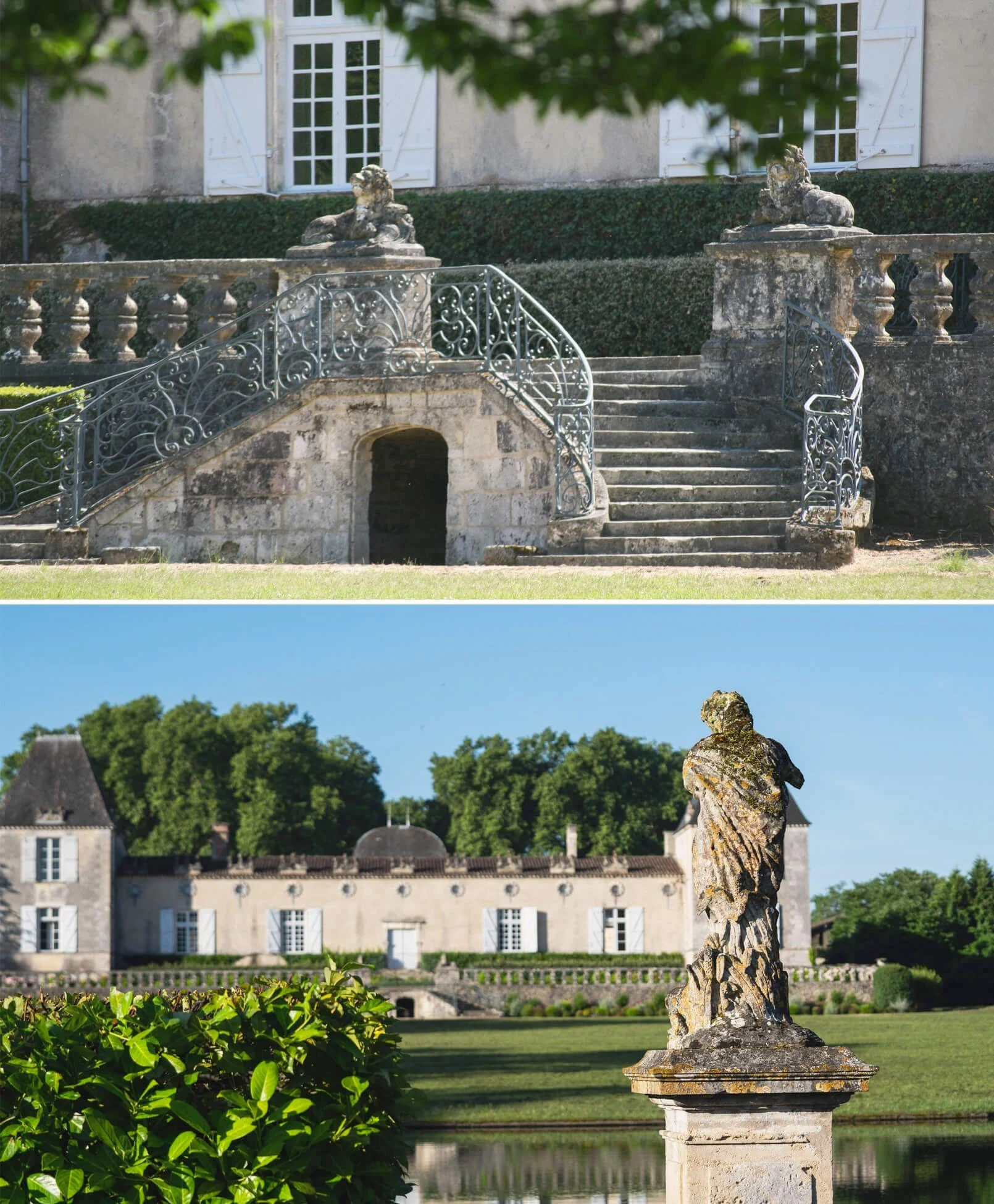
August Kramer Weinbau is a small family-run winery in Rafz, shaped by the cool Rafzerfeld climate, calcareous soils, and estate-grown fruit from a 5-hectare holding. The draw is direct, cellar-led Swiss wine culture: tastings, estate bottles, and a portfolio that moves from Chardonnay and Cabernet Sauvignon to Barrique-aged reds, rosé, dessert wine, and Marc.
● 1 artisanView →03.Winery
Contucci
Montepulciano, Italy
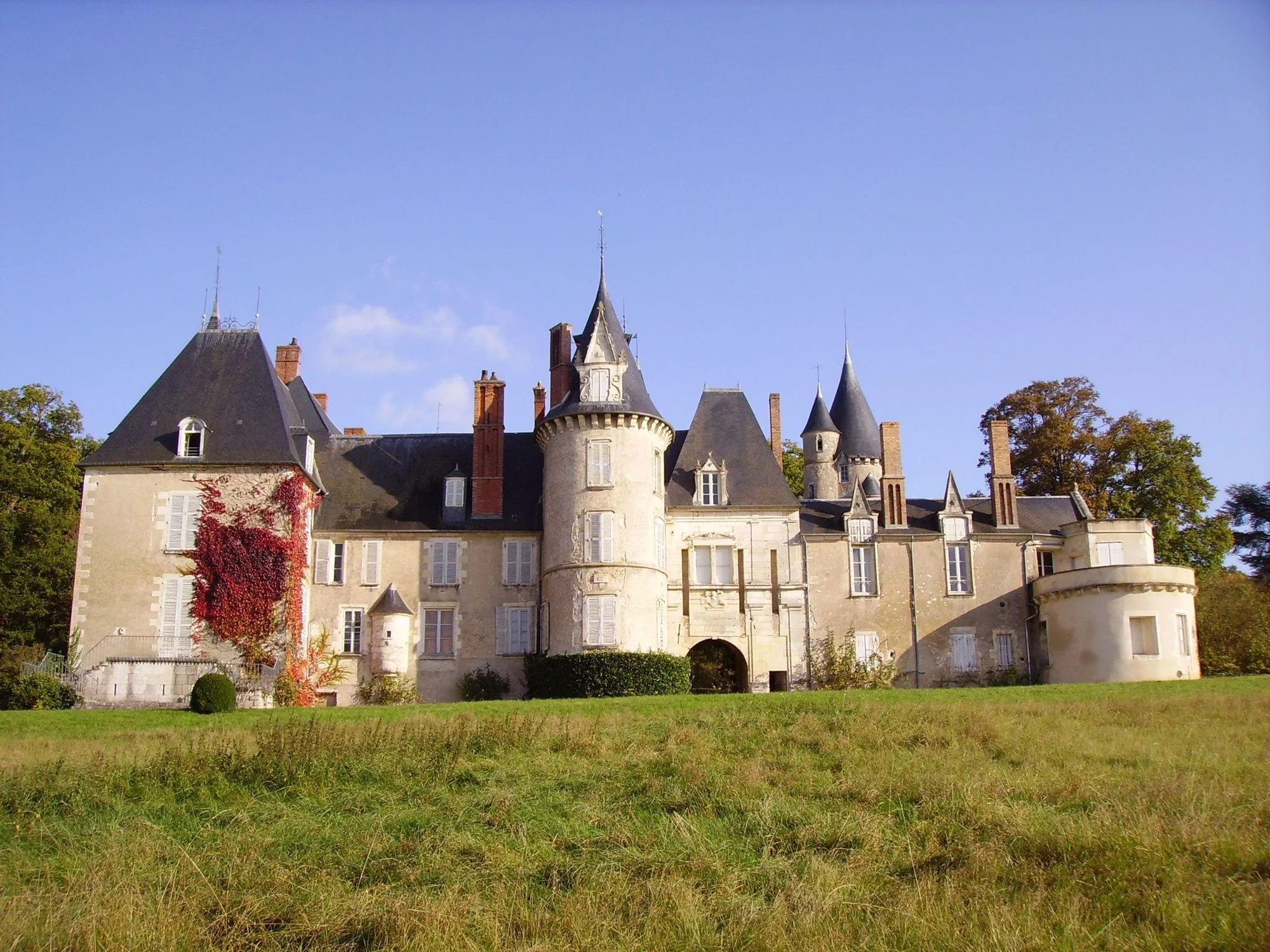
Contucci is a historic Montepulciano winery where Vino Nobile is read through place: clay-sand soils, Prugnolo Gentile, long aging, and cellars built into the town’s medieval fabric. The tone is low-key rather than ceremonial, with heritage doing the heavy lifting and tastings priced at an accessible level for a serious Tuscan address.
● 1 artisanView →
04.Distillery
Kanellopoulos Distillery
Patras, Greece
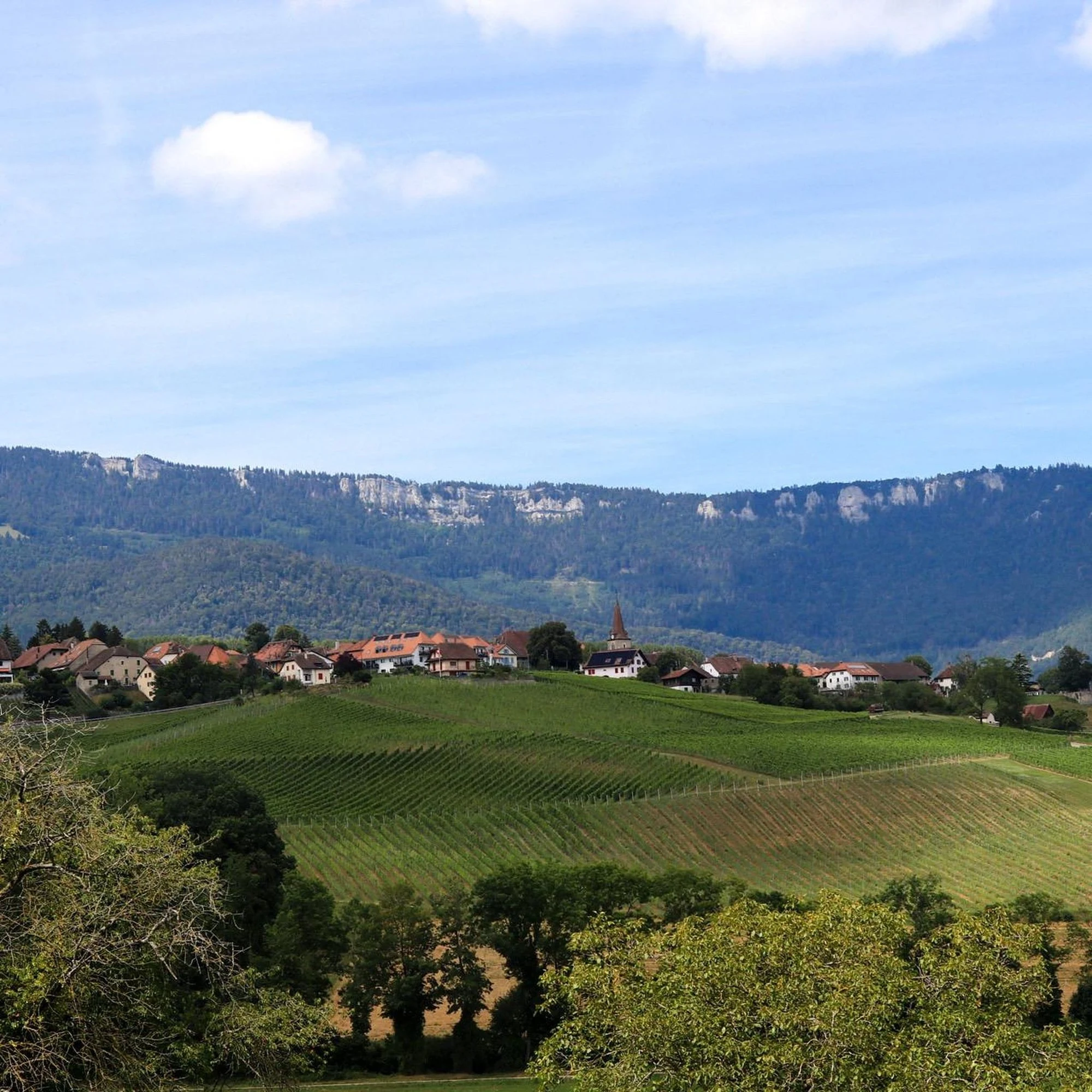
Kanellopoulos Distillery in Patras holds a Pearl 1 Star Prestige (2025), placing it among a small tier of recognised producers in a city that has shaped Greek spirits and wine culture for generations. Located on Glafkou 102 in central Patras, it operates within a distilling tradition that stretches back through the region's tsipouro and tentoura heritage, offering visitors a grounded encounter with Peloponnesian craft production.
● 1 artisanView →
05.Winery
A & A Weinbau
Henggart, Switzerland
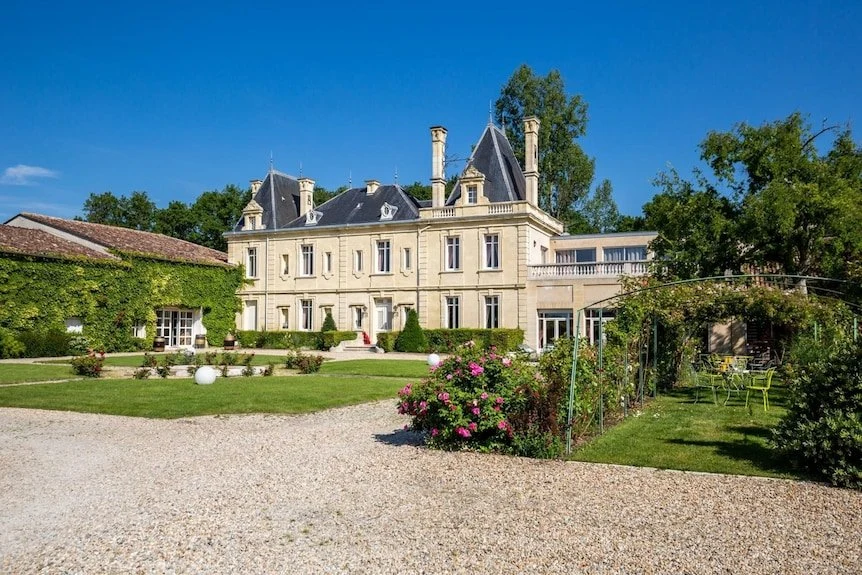
A & A Weinbau belongs to the quieter side of Swiss wine: small-scale production in Henggart, shaped by the cool conditions of Zürich Weinland rather than by export-driven polish. Its appeal is terroir-led and local, with regional recognition through Zürcher Wein and Falstaff listings and an appointment-only format that suits drinkers interested in village-scale Swiss viticulture.
● 1 artisanView →
06.Winery
Joseph Colin
Saint-Aubin, France
Joseph Colin has bottled as an independent Saint-Aubin grower since the 2016 vintage, one of the youngest domaines in the Marc Colin line.
● 1 artisanView →
07.Winery
Cantine Volpi
Tortona, Italy
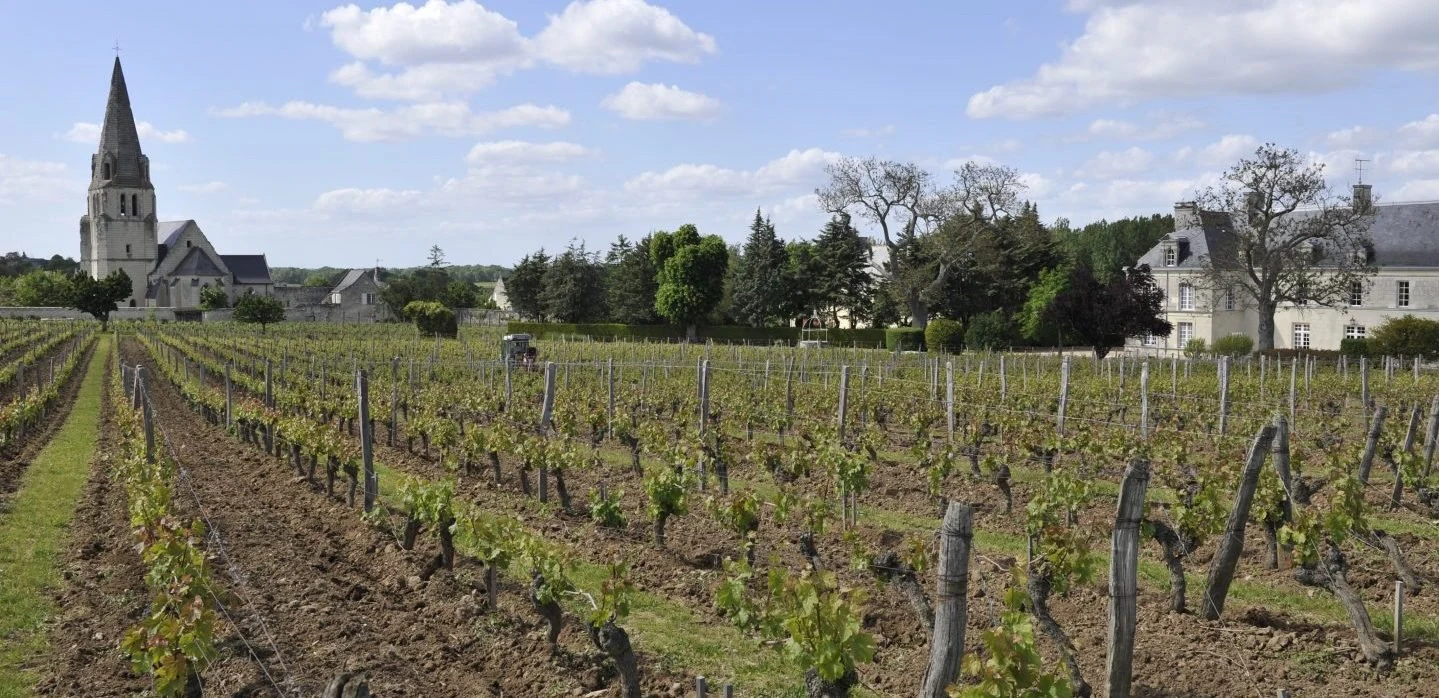
Cantine Volpi belongs to the Colli Tortonesi conversation where Barbera history, Timorasso revival, and organic farming meet industrial precision. The Tortona winery traces its roots to 1914 and now reads less like a tourist tasting stop than a working Piedmontese producer shaped by clay-limestone soils, south-facing vineyards, and a long family line.
● 1 artisanView →08.Winery
Serego Alighieri
Sant'Ambrogio di Valpolicella, Italy
Serego Alighieri is a historic Valpolicella Classica estate in Sant'Ambrogio di Valpolicella, with vineyard and garden walks, a historic cellar, guided tasting formats, and guest house facilities. The appeal is less about spectacle than place: Corvina, Rondinella, and Molinara anchored to a quiet Gargagnago setting shaped for wine education and slow estate hospitality.
● 1 artisanView →09.Winery
Seeburghof
Lucerne, Switzerland
Seeburghof belongs to Lucerne’s small agritourism tier rather than the polished cellar-door circuit: a historic organic farm with vines, fruit trees, cattle, guest rooms, and lake-and-mountain views. Its wine identity is narrow and local, centered on Solaris and Johanniter within AOC Luzern, with the visit shaped as much by place as by the glass.
● 1 artisanView →
10.other
Bi-Rite Creamery
San Francisco, United States
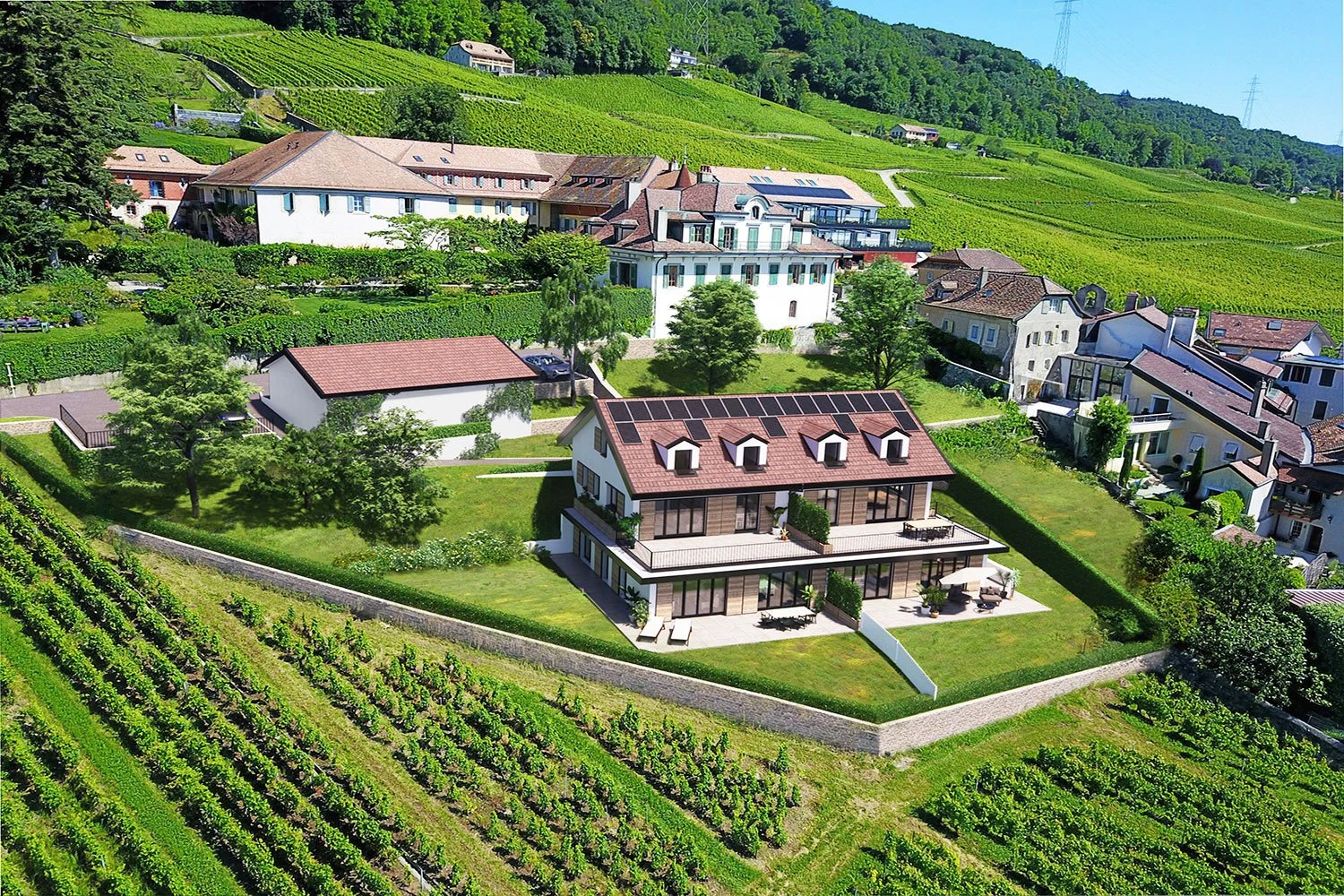
Bi-Rite Creamery on 18th Street has held a place in Opinionated About Dining's North America Cheap Eats rankings three years running, most recently at #39 in 2025. In the Mission District's dense roster of neighbourhood institutions, it functions less like a dessert stop and more like a standing appointment for locals who have already decided what they want before they reach the door. The queue outside on a warm afternoon is its own kind of endorsement.
● 1 artisanView →
11.Distillery
Koskij Distillery
Vienna, Austria
Koskij Distillery holds a Pearl 1 Star Prestige award (2025), placing it among Vienna's recognised producers in a city with a growing craft spirits and winemaking identity. The distillery operates within a regional tradition that values process discipline and small-batch output. For visitors exploring Austria's artisan production scene, Koskij represents a credentialed entry point into Vienna's less-charted spirits territory.
● 1 artisanView →
12.Winery
BIO-Weingut Mitter-Velten
Hochheim am Main, Germany
BIO-Weingut Mitter-Velten belongs to Hochheim am Main’s quieter organic current: Riesling-led, locally rooted, and shaped by the Rheingau’s long conversation between river climate and structured white wine. Its modern identity dates to May 2003, with Martin Mitter associated with the estate, MAINWERK3 membership, Fair and Green certification, and a Falstaff-rated 2017 Hochheim Reichestal Riesling Kabinett halbtrocken giving the address clear credibility.
● 1 artisanView →
13.Winery
Bio-Weingut Frühwirth
Teesdorf, Austria
Bio-Weingut Frühwirth brings the Thermenregion’s organic wine culture into a relaxed heuriger setting in Teesdorf, with estate wines, seasonal Austrian food and a family-run atmosphere. The point is not polish for its own sake, but the way warm Steinfeld soils, regional grapes and tavern hospitality meet at the table.
● 1 artisanView →
14.Winery
Azienda Agricola Guido Porro
Serralunga d'Alba, Italy
Azienda Agricola Guido Porro is a traditional Barolo producer in Serralunga d'Alba, tied closely to Lazzarito and its clay-limestone structure. The appeal is terroir rather than spectacle: Nebbiolo from older vines, spontaneous fermentation, long maceration, and large Slavonian oak place the wines firmly in the classic Serralunga register.
● 1 artisanView →15.Winery
Domaine de Gachet
Libourne, France
Domaine de Gachet belongs to the quieter, traditional side of Libourne wine culture: a family-run Right Bank estate focused on Lalande-de-Pomerol reds rather than visitor-center spectacle. Its interest lies in Merlot and Cabernet Franc shaped for structure, age, and earthy development, with a 2016 Gold medal at the Concours International de Lyon adding a useful quality signal.
● 1 artisanView →
16.Distillery
Aromas Distillery
Patras, Greece
Aromas Distillery sits on Glafkou Street in Patras, a city with one of Greece's most concentrated clusters of spirits production. A recipient of the Pearl 1 Star Prestige award in 2025, the distillery represents the craft end of a tradition that stretches back through Peloponnesian grape-based spirits. For visitors tracing the region's drinking culture, it belongs in the same conversation as Patras's established names.
● 1 artisanView →17.Winery
Schumacher
Herxheim Am Berg, Germany
Schumacher is a small Pfalz estate winery in Herxheim am Berg, set within a traditional village-center property with former monastery walls and a quiet cellar-door mood. The interest is place-led: Riesling, Auxerrois, Pinot Blanc, Spätburgunder, Frühburgunder, and bottle-fermented sparkling wine frame a compact Mittelhaardt reading rather than a broad hospitality spectacle.
● 1 artisanView →
18.Winery
Bodegas Luis Cañas
Villabuena Alava, Spain
Bodegas Luis Cañas gives Rioja Alavesa a clear physical frame: vineyards under the Sierra Cantabria, chalky-clay slopes, old bush vines, and a family estate that moved from bulk wine trading into bottled Rioja in 1970. The visit format runs from vineyard context to cellar work and tasting rooms, with the land rather than cellar theatrics doing the heavy lifting.
● 1 artisanView →19.Winery
Schloss Raggendorf
Prottes, Austria
Schloss Raggendorf puts the Weinviertel’s grape culture through a modern, alcohol-free lens. The Prottes producer works with Austrian varieties including Zweigelt, Grüner Veltliner, Riesling, Blaufränkisch and Chardonnay, with sparkling wine and dealcoholized bottles shaped by low-temperature vacuum distillation and aroma recovery rather than cellar-door nostalgia.
● 1 artisanView →20.Winery
Schachenhofer
Dürnstein, Austria
Schachenhofer belongs to the quieter Wachau register: family-run, region-bound, and focused on the dry white-wine grammar that defines Dürnstein. Vinea Wachau membership, hand-harvest principles, and medal-recognized Smaragd bottlings give the estate its credibility, while the broader Schachenhofer operation keeps the tone practical rather than resort-like.
● 1 artisanView →
21.Hotel
Sundance Mountain Resort
Sundance, United States
Set at the base of 12,000-foot Mount Timpanogos on Utah's Alpine Loop Road, Sundance Mountain Resort is a 6,000-acre destination that holds art, recreation, and conservation in deliberate tension. With 95 mountain cottages, 8 private homes, and a new 63-room ski-in/ski-out inn opening in January 2026, it operates at a scale that protects seclusion without sacrificing range. Star Wine List recognition (2026) anchors its dining credentials.
● 1 artisanView →22.Winery
Seiterre Viticoltori dal 1877
Valeggio Sul Mincio, Italy
Seiterre Viticoltori dal 1877 reads as a Lake Garda wine-culture stop rather than a narrow cellar-door tasting room. The Valeggio Sul Mincio estate links a five-generation history with a multi-region Italian portfolio, guided museum-led experiences, food-linked hospitality, and an agricultural model that extends beyond wine into olive oil, grappa, beer, rice, and flour.
● 1 artisanView →
23.other
Drop Coffee
Stockholm, Sweden
Drop Coffee on Wollmar Yxkullsgatan has traced a clear arc from neighbourhood roaster to one of Europe's most consistently recognised specialty coffee addresses, appearing in Opinionated About Dining's Cheap Eats in Europe rankings every year from 2023 to 2025. Open weekdays from 8am, it operates on Södermalm's quieter residential fringes, where the emphasis on sourcing and brewing method sits closer to a wine bar's logic than a conventional café's.
● 1 artisanView →24.Winery
Shalos Marani
Bolnisi, Georgia
Shalos Marani is a small Bolnisi winery built around Georgia’s cellar tradition rather than tasting-room theatre. Its 1818 cellar, native-variety vineyards and low-intervention qvevri and barrel work make it a focused stop for drinkers who want Georgian amber, red and amphora styles tied closely to place.
● 1 artisanView →
25.Winery
Bott Pince
Bodrogkeresztúr, Hungary
Bott Pince is a small Tokaj-region winery in Bodrogkeresztúr shaped by dry Furmint, Hárslevelű, Szamorodni and Tokaji Aszú rather than cellar-door spectacle. Its appeal sits in the scale: low-volume production, spontaneous barrel fermentation, no chemical use in the vineyards, and tastings that keep the land in view rather than turning wine into theatre.
● 1 artisanView →
26.french
Domaine Gayda
Brugairolles, France
Set among the vineyards of the Languedoc-Roussillon, Domaine Gayda in Brugairolles represents the southern French model of estate dining: wine-led, terroir-focused, and rooted in a landscape where Carignan and Grenache have grown for centuries. The kitchen draws directly from the surrounding agricultural region, placing it in a category distinct from urban fine dining. Check our <a href="https://www.enprimeurclub.com/cities/brugairolles">full Brugairolles restaurants guide</a> for regional context.
● 1 artisanView →
27.Winery
Casillero del Diablo
Santiago, Chile
Casillero del Diablo frames Chilean wine through theatre, cellar lore and terroir rather than a conventional tasting-room script. The Santiago experience draws on the 19th-century Concha y Toro legend, with vineyard gardens, a dark cellar sequence and a portfolio rooted in Cabernet Sauvignon, Carmenère and other Chilean varietals.
● 1 artisanView →
28.Winery
Denis Bachelet
Gevrey-Chambertin, France
Denis Bachelet's 4.5-hectare estate works Gevrey-Chambertin village, premier cru, and Charmes-Chambertin grand cru. Whole-cluster ambient...
● 1 artisanView →
29.Winery
Bodegas y Viñedos Leza Garcia S.L.
Urunuela, Spain
Bodegas y Viñedos Leza Garcia S.L. belongs to the Rioja Alta tradition where altitude, clay-limestone-sand soils, and estate farming matter more than spectacle. In Uruñuela, the house reads as classic and rustic rather than polished-luxury, with DOCa Rioja wines shaped by family vineyards in the Najerilla Valley and a sustainability turn since 2019.
● 1 artisanView →
30.Hotel
Four Seasons Hotel New York
New York City, United States
On East 57th Street between Park and Madison Avenues, the Four Seasons Hotel New York occupies one of Midtown Manhattan's most address-conscious blocks. I.M. Pei's modern-deco tower delivers panoramic park and city views, an Italian restaurant, and the celebrated Ty Bar, where a custom-barrel Hudson Bourbon and a storied après-work scene have made it a fixture of New York's luxury hotel conversation.
● 1 artisanView →31.Winery
Domaine Andron
Saint Seurin De Cadourne, France
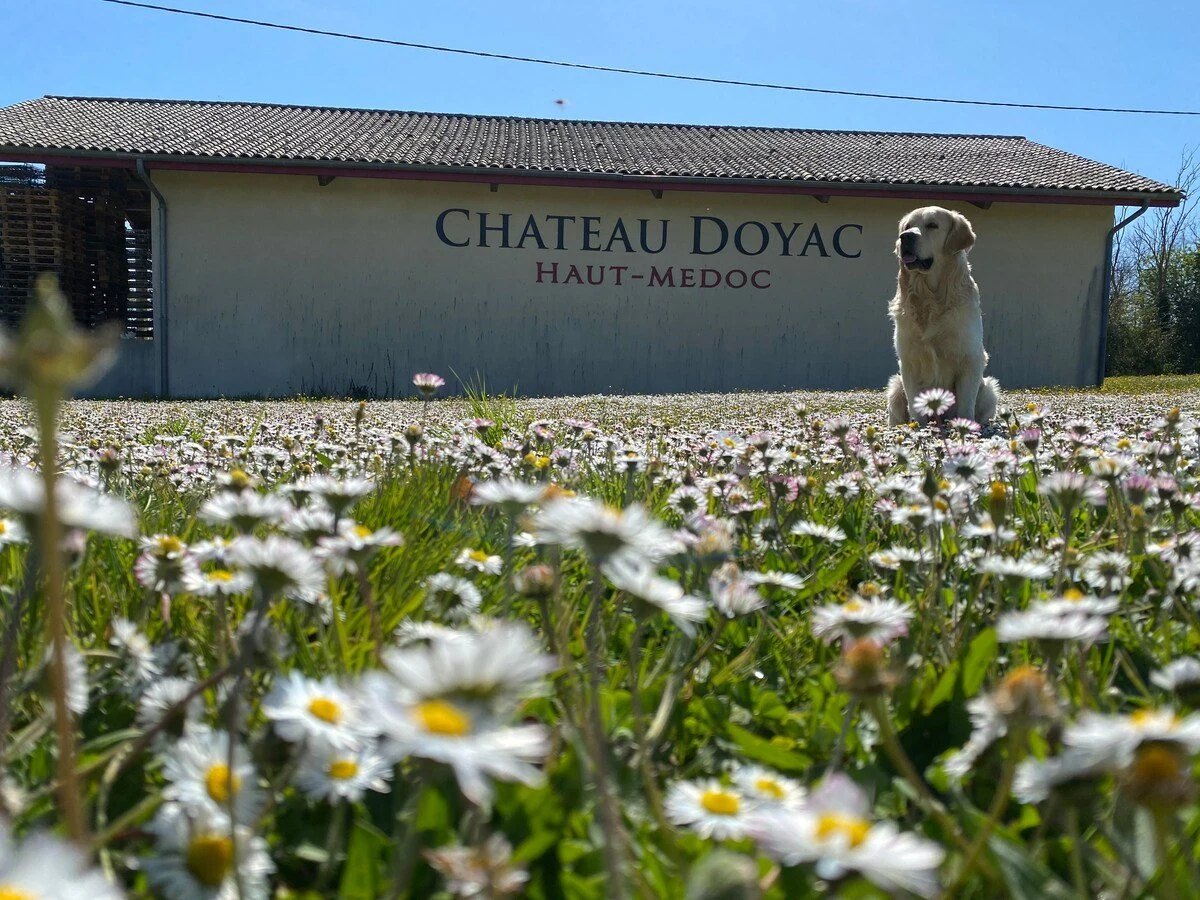
Domaine Andron is a Haut-Médoc estate in Saint Seurin De Cadourne where the interest lies in terroir expression rather than spectacle. Gravel and clay-limestone soils, a 50/50 Cabernet Sauvignon and Merlot blend, sustainable vineyard work, and long barrel aging place the visit firmly inside the Left Bank’s quieter, soil-first tradition.
● 1 artisanView →
32.Winery
El Buho
Santiago Matatlán, Mexico
El Buho operates out of Santiago Matatlán, the Oaxacan valley town that produces more mezcal than anywhere else in Mexico. Awarded a Pearl 1 Star Prestige in 2025, it sits at the upper end of a production village that has become one of the most closely watched spirits destinations in the Americas. For anyone tracking how agave terroir translates from field to still, El Buho is a fixed point of reference.
● 1 artisanView →
33.Winery
Sonoma-Cutrer Vineyards
Windsor, United Kingdom
Sonoma-Cutrer Vineyards in the Russian River Valley, Sonoma County, crafts Burgundian-inspired, estate-driven Chardonnay and Pinot Noir. Signature wines include The Cutrer Chardonnay, Russian River Ranches Chardonnay, and Sonoma Coast Chardonnay. The 270-acre Cutrer Vineyard within a 450-acre estate yields concentrated fruit from fog-cooled slopes; the cellar team emphasizes terroir-forward winemaking, limited library releases and a bespoke Club Cutrer allocation program. Expect layered citrus, stone-fruit and saline acidity on the Chardonnay, and supple red-fruit, earth and spice on Pinot Noir, tasting through mineral textures and precise oak balance that recall cool-climate Burgundian technique and Sonoma provenance.
● 1 artisanView →
34.Winery
Cascina Galarin
Castagnole Delle Lanze, Italy
Cascina Galarin is a family-run organic winery in Castagnole Delle Lanze, where Monferrato’s Barbera, Moscato, Chardonnay and Nebbiolo traditions meet a retreat-like vineyard setting. The draw is not spectacle but place: 22 hectares farmed organically, a two-century Carosso family history, and wines shaped by the Asti hills close to Barbaresco.
● 1 artisanView →
35.Winery
Bodegas Faustino Rivera Ulecia
Arnedo, Spain
A historic family bodega in Arnedo, Bodegas Faustino Rivera Ulecia reads Rioja through cellar humidity, barrel texture, Tempranillo-led reds and a broader Spanish portfolio. The appeal is not spectacle but context: five generations of winemaking, an 1899 origin story, and a tasting format that links DOCa Rioja with Ribera del Duero, Navarra, Rías Baixas and Utiel Requena.
● 1 artisanView →36.Winery
Château Le Pin
Pomerol, France
Château Le Pin is a Pomerol wine address defined by scale rather than spectacle: 2.7 hectares, estate-grown Merlot, and annual production counted in hundreds of cases. Its influence comes from terroir, scarcity, and a modern Right Bank style built around concentration, new French oak, and long cellar life rather than public-facing hospitality.
● 1 artisanView →
37.Winery
Bodegas Irache
Ayegui, Spain
Bodegas Irache is a Navarrese winery in Ayegui shaped by monastery history, Camino de Santiago hospitality, and the Atlantic-continental conditions of Tierra Estella. Its appeal lies less in glossy cellar-door polish than in the collision of vineyard, pilgrimage route, wine museum, and monumental barrel room.
● 1 artisanView →
38.Winery
Château de Villeneuve
Souzay Champigny, France
formerly Jean-Pierre Chevallier works as winemaker at Château de Villeneuve in Souzay-Champigny, shaping Cabernet Franc and Chenin Blanc.
● 1 artisanView →
39.american
Flour Bakery & Café
Boston, United States
On the South End's Washington Street corridor, Flour Bakery & Café has earned a place in the Opinionated About Dining Cheap Eats in North America rankings (ranked #614 in 2024) and carries a 4.6 Google rating across more than 1,100 reviews. Chef Joanne Chang's operation sits at the intersection of serious pastry craft and approachable neighbourhood café culture, making it a reliable reference point in Boston's bakery conversation.
● 1 artisanView →
40.Winery
Bisci
Matelica, Italy
Bisci is a rural Verdicchio di Matelica estate in the Apennine foothills, built around limestone-rich soils, organic farming and cellar work that favors cement over oak. The draw is not spectacle but an unusually serious reading of Verdicchio: high-altitude vineyards, long lees aging for selected cuvées and recognition from Gambero Rosso, Vinous, Falstaff and Slow Wine.
● 1 artisanView →
41.Winery
Barollo
Preganziol, Italy
Barollo gives Preganziol a cellar-led Veneto stop shaped by marine soils, Adriatic influence and Dolomite air rather than by the heavier clichés of Italian wine tourism. The focus is on international varieties, vineyard context and a family-run tasting format with a mineral-leaning point of view.
● 1 artisanView →
42.Distillery
Destilería Ánima
Córdoba, Spain
Destilería Ánima is a spirits producer based in Córdoba, Spain, recognised with a Pearl 1 Star Prestige award in 2025. Operating within a city that has quietly developed a cluster of craft distilling operations, Ánima represents the more considered, quality-oriented end of Andalucía's emerging distillery scene. Visitors seeking serious Spanish spirits production will find it positioned alongside peers such as Brook Brothers and Fernet Capri in Córdoba's growing craft spirits quarter.
● 1 artisanView →
43.Bakery
Cafe Mochiko
Cincinnati, United States
Asian American cafe in Cincinnati, OH.
● 1 artisanView →
44.Winery
Azienda Agricola Alessandria Crissante
La Morra, Italy
A small family-run Barolo estate in La Morra, Azienda Agricola Alessandria Crissante is strongest for travelers who want Nebbiolo read through vineyard sites rather than through cellar spectacle. The focus is classic Langhe: Barolo from Roggeri, Capalot and Galina, with a rural, intimate feel and a portfolio built around clean, precise expressions of local reds.
● 1 artisanView →45.Winery
De Trafford
Stellenbosch, South Africa
De Trafford is a small family-run Stellenbosch winery where Helderberg elevation, granitic soils and a restrained cellar approach shape serious reds, Chenin Blanc and straw wine. Its scale is part of the point: 5 hectares under vine, about 3,500 cases a year, and a portfolio built for drinkers who care about site before spectacle.
● 1 artisanView →
46.Winery
Carputo Vini
Quarto, Italy
Carputo Vini brings the Campi Flegrei story into a relaxed family-run winery format in Quarto, where volcanic soils and local grape culture set the frame. Expect a low-key hillside mood rather than a formal trophy-room experience, with guided vineyard walks, tastings and al fresco meals shaping the appeal.
● 1 artisanView →47.Winery
Schlosskellerei Kessler
St Margrethen, Switzerland
Schlosskellerei Kessler is a family-run Swiss winery in St Margrethen, shaped by a castle-cellar setting on Schloss Weinberg and a cool-climate portfolio led by Pinot Noir, Blauburgunder, and Müller-Thurgau. Its interest lies less in trophy culture than in continuity: a cellar that began in 1985 with a tiny first bottling and later grew into a small-batch regional producer.
● 1 artisanView →48.Winery
Domaine Jean‐Baptiste Sénat
Trausse Minervois, France
Domaine Jean‐Baptiste Sénat is a small Minervois estate in Trausse Minervois, shaped by Montagne Noire cooling, limestone-clay soils and low-intervention cellar work. Its interest lies in a southern French idiom that favors freshness, native varieties and estate-grown fruit over extraction or polish.
● 1 artisanView →
49.Cafe
Beta Coffee
Sydney, Australia
At Beta Coffee, they are pushing the boundaries of coffee, community, and hospitality by challenging traditional coffee service models. They are exploring how technology and innovation can enhance the quality and consistency of coffee, while creating space for baristas to focus on making every customer interaction meaningful and impactful.
● 1 artisanView →
50.Winery
RAIN
Napa, United States
RAIN holds a Pearl 1 Star Prestige rating (2025), placing it among Napa's recognized dining addresses at a moment when the valley's restaurant scene is pulling in multiple directions at once. The Pearl recognition signals a level of consistency and ambition that positions RAIN against a small comparable set of award-carrying Napa tables, not the broader mid-market.
● 1 artisanView →51.Winery
Scea Vignobles Laurence
Montussan, France
Scea Vignobles Laurence is a small independent winery in Montussan, working in the broader Bordeaux orbit with Merlot and Sauvignon in the frame. The draw is modest scale, estate-ground context and a tasting format suited to visitors who want a direct view of local wine production rather than a grand château circuit.
● 1 artisanView →52.Winery
Domaine des Chanssaud
Orange, France
Domaine des Chanssaud gives Orange a grounded Southern Rhône counterpoint to grander Châteauneuf-du-Pape tasting circuits: family-run, organic, and focused on land rather than theatre. The estate works 50 hectares certified Agriculture Biologique from the 2015 harvest onward, with Grenache-led wines shaped by clay pebbles, sand, quartz, heat, and Mistral discipline.
● 1 artisanView →
53.Winery
Brumat
Gorizia, Italy
Brumat is a rustic agriturismo in Gorizia, shaped by Friuli-Venezia Giulia’s borderland table rather than by fine-dining theatre. Expect a countryside mood, local comfort dishes, family-friendly green space, and a format that suits long, informal meals more than hurried itineraries.
● 1 artisanView →54.Winery
David Tofterup
Gratallops, Spain
David Tofterup belongs to the quieter side of Gratallops wine travel: a family-run Spanish winery project shaped more by viticulture and production than by polished hospitality theatre. In Priorat, where llicorella slate, heat, altitude shifts, Garnatxa and Cariñena define the conversation, this is a stronger fit for drinkers interested in land and cellar work than for visitors seeking a design-led tasting room.
● 1 artisanView →
55.Cafe
Momos Coffee Flagship Store
Busan, South Korea
MOMOS Coffee is a specialty coffee roastery founded in Busan, South Korea, in 2007. Guided by their mission to deeply understand the essence of coffee, they pursue ethical and honest practices that create shared happiness for everyone involved — from producers and makers to those who enjoy the final cup.
● 1 artisanView →56.Winery
Sebastian Heßler Weine
Bad Honningen, Germany
Sebastian Heßler Weine is a small family-run Riesling project tied to vineyards in Leutesdorf in the lower Middle Rhine Valley. The focus is narrow: dry Riesling, direct wine sales, and an intimate appointment-only format shaped more by vineyard work than by visitor infrastructure.
● 1 artisanView →
57.Winery
Bodega Paco García
Murillo De Rio Leza, Spain
Bodega Paco García belongs to the contemporary Rioja camp: family-run, estate-based and more interested in fruit clarity than museum-piece grandeur. Its Murillo de Río Leza setting, 40 hectares across seven vineyards and 420-metre valley position give the wines a rural Rioja frame, while labels such as Crianza, Reserva and Seis place the range in an accessible, modern register.
● 1 artisanView →58.Winery
Domaine de Vernus
Regnie Durette, France
Domaine de Vernus is a young Beaujolais estate in Régnié-Durette shaped around Gamay, granite soils and cru-level precision rather than cellar-door spectacle. The draw is terroir: old gobelet-trained vines, indigenous yeast fermentation, Burgundy oak ageing and a portfolio that moves across Régnié, Morgon, Chiroubles, Fleurie and Moulin-à-Vent with a clear plot-by-plot argument.
● 1 artisanView →
59.Winery
Castello di Grumello
Grumello del Monte, Italy
Castello di Grumello is a Valcalepio wine estate in Grumello del Monte where medieval architecture, vineyard country and cellar hospitality sit in the same frame. The draw is not scale or spectacle, but the way a former fortress, noble rooms and local grape traditions explain a quieter side of Lombardy wine culture.
● 1 artisanView →60.Winery
Clos du Calvaire
Sorgues, France
Clos du Calvaire gives Sorgues a grounded Châteauneuf-du-Pape tasting address: family-run, organic-certified since 2020, and shaped by parcels of galets roulés, limestone, red grès and sand. The draw is terroir literacy rather than spectacle, with a rustic estate setting, cellar context and a portfolio anchored by Grenache-led reds and a white from the appellation.
● 1 artisanView →