The Places · Page 169
Where the artisans work.
01.Winery
Schloss Wachenheim
Wachenheim an der Weinstraße, Germany
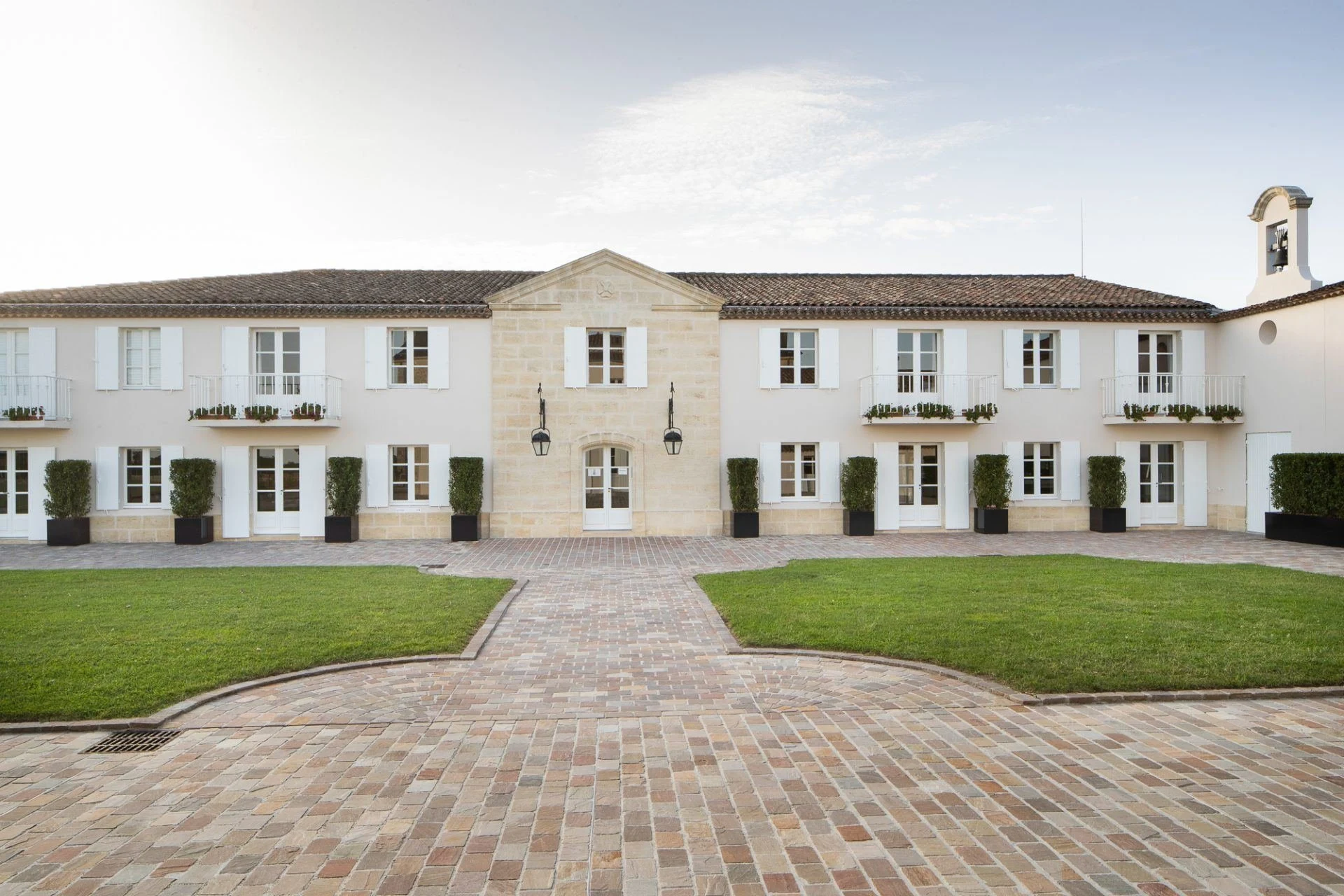
Schloss Wachenheim is a historic Sekt house in Wachenheim an der Weinstraße, founded in 1888 and framed around Pfalz sparkling-wine culture rather than a small-estate tasting-room model. Its appeal is the château-and-cellar setting, the guided visitor format, and the unusual combination of regional identity with large-scale sparkling-wine production.
● 1 artisanView →
02.Winery
Pierde Almas
San Baltazar Chichicapam, Mexico
Pierde Almas operates out of San Baltazar Chichicapam, a small Sierra Sur village that has become one of Oaxaca's reference points for single-village mezcal production. The distillery earned a Pearl 1 Star Prestige award in 2025, placing it among a select tier of Mexican spirits producers recognised for terroir fidelity and production depth. For anyone tracing the geography of artisanal mezcal, this address matters.
● 1 artisanView →
03.Winery
Destillerie Weisz
Neckenmarkt, Austria
Destillerie Weisz operates from Neckenmarkt in Austria's Burgenland, a village whose vineyard soils and continental climate have long shaped the character of spirits and wines produced here. Recognised with a Pearl 1 Star Prestige award in 2025, the distillery sits within a small tier of Austrian craft producers where provenance and process carry more weight than scale.
● 1 artisanView →04.Winery
Schloss Schnait
Wine Town, Germany
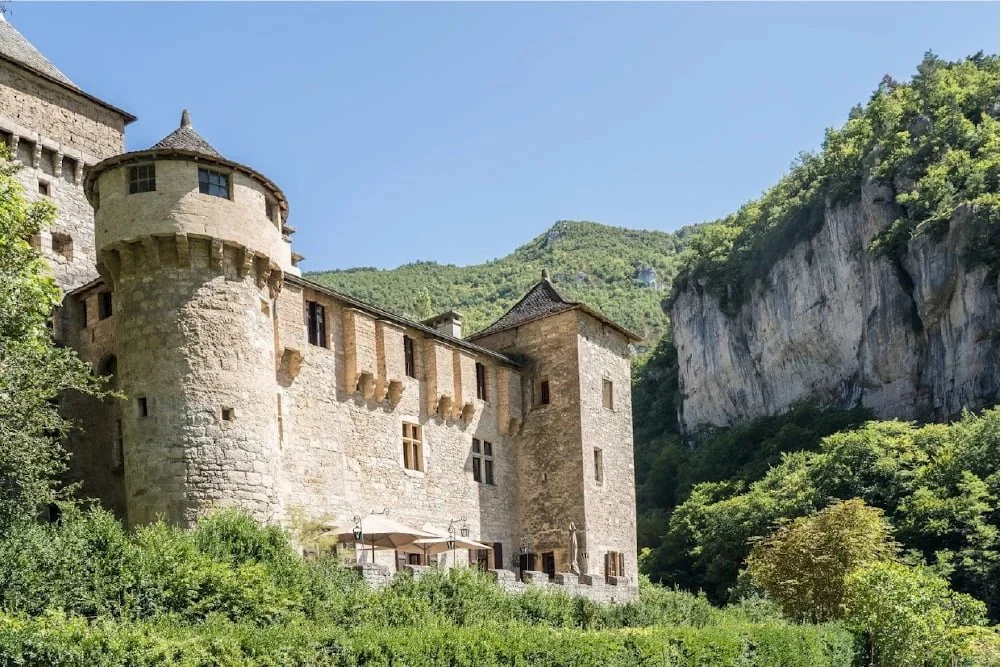
Schloss Schnait is a small Württemberg winery in Wine Town with a historic castle-and-cellar setting in Weinstadt-Schnait. Its compact still-wine portfolio reads through regional markers: Lemberger in dry and feinherb form, Riesling Trocken, and Rosé, with a quiet, rustic atmosphere suited to wine education and small-group discovery.
● 1 artisanView →
05.Winery
Zedda Piras
Cagliari, Italy
Zedda Piras sits on Via Francesco Ciusa in Cagliari's residential fabric, holding a Pearl 1 Star Prestige award for 2025. It represents a tier of Sardinian hospitality where the island's agricultural and viticultural identity shapes the experience rather than continental templates. For visitors building a serious itinerary around Cagliari's food and drink culture, it belongs on the shortlist.
● 1 artisanView →
06.Winery
Bodegas y Viñedos Pedro García
Colmenar De Oreja, Spain
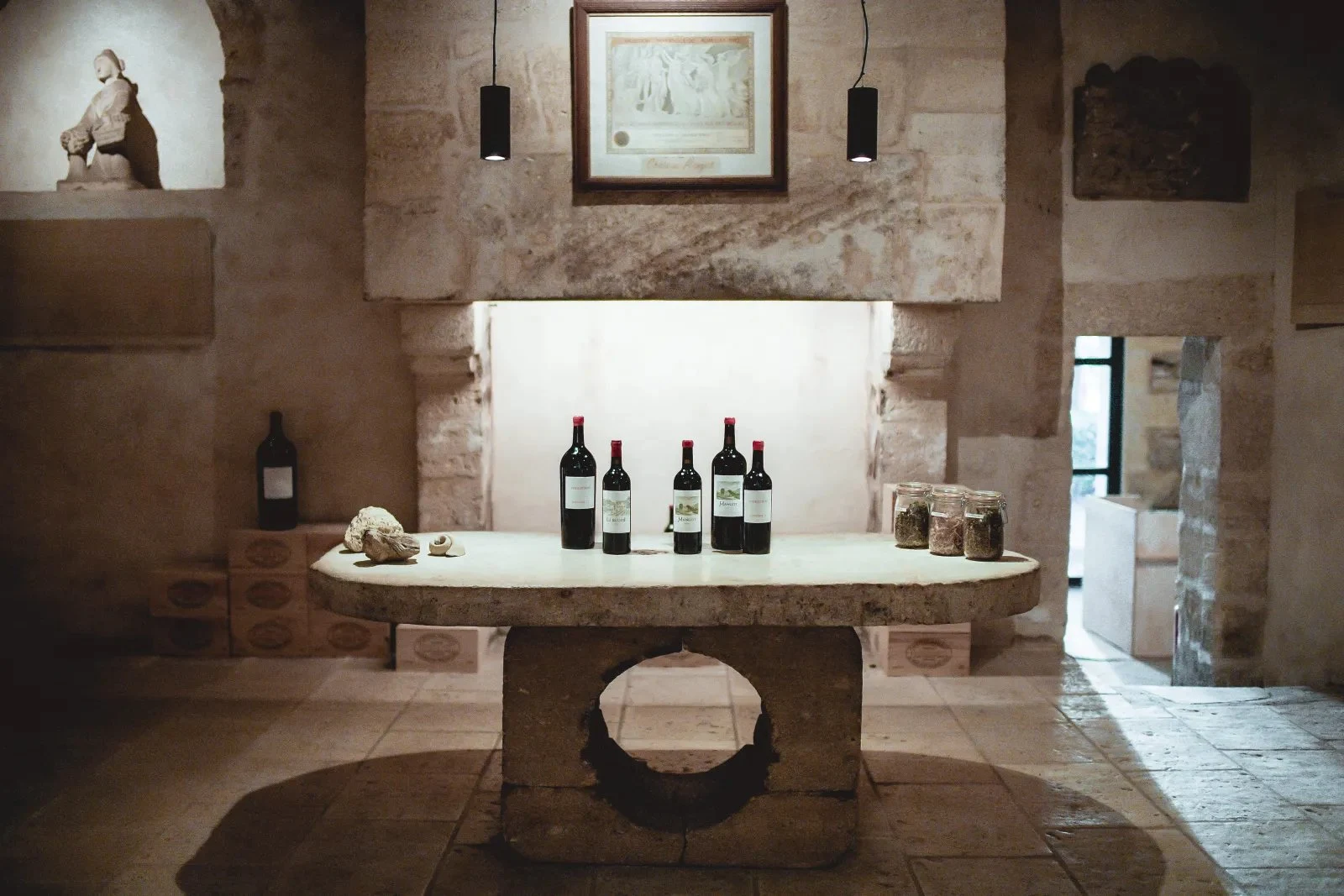
Bodegas y Viñedos Pedro García gives Colmenar De Oreja a compact lesson in Madrid wine country: estate-grown fruit, three-generation family continuity, and old cellar architecture tied to 17th-century caves. The appeal is less trophy-label culture than a close reading of local grapes, D.O. wines, and the way traditional cellar work now sits beside modern production spaces.
● 1 artisanView →07.Winery
Sektmanufaktur Dirk Kessler
Wintrich, Germany
A small Mosel Sekt producer in Wintrich, Sektmanufaktur Dirk Kessler is built around traditional bottle fermentation rather than a broad still-wine range. The draw is process: Riesling, Chardonnay, Weissburgunder and Rotling sparkling wines presented through a cellar-led tasting format that makes the mechanics of German Sekt part of the visit.
● 1 artisanView →
08.middle_eastern
Michaeli Bakery
New York City, United States
Michaeli Bakery on East 54th Street brings the traditions of Jewish baking into Midtown Manhattan, earning a Pearl Recommended Restaurant designation in 2025 and a 4.7-star Google rating across more than 1,000 reviews. The counter at 127 E 54th St draws a steady crowd for pastries, breads, and baked goods rooted in a recognizable Central and Eastern European Jewish lineage. For those eating through New York's most serious dining corridor, this is a considered stop between appointments.
● 1 artisanView →09.Winery
Palmento Costanzo
Passopisciaro, Italy
Palmento Costanzo is an organic Etna winery in Passopisciaro, centered on a restored historic palmento in Contrada Santo Spirito. The estate works Nerello Mascalese, Nerello Cappuccio, Carricante and Catarratto, with guided tastings, cellar visits and wine-pairing options that make it one of the more visitor-ready stops on Etna's northern slope.
● 1 artisanView →
10.Winery
Bocchino Giuseppe
Canelli, Italy
Bocchino Giuseppe is a family-run Canelli winery shaped by hillside farming, loam-and-limestone soils, and a Piedmont portfolio that moves from Moscato d’Asti Canelli to Nizza, Cortese, Barbera, Nebbiolo, Freisa, and Chardonnay. The draw is not trophy culture; it is a compact estate reading of Asti wine traditions, with appointment-led hospitality and a relaxed rural tone.
● 1 artisanView →
11.Winery
Valley of the Moon Winery
Glen Ellen, United States
Valley of the Moon Winery in Sonoma Valley produces estate-driven wines that fuse 19th-century cellar craft with modern precision. Notable offerings include a Zinfandel from 100-year-old vines, an estate Cabernet Sauvignon reserve and an elegant Estate Chardonnay. The winery emphasizes site-driven viticulture across Los Carneros, Russian River Valley and Sonoma Coast, delivering wines that balance ripe fruit, mineral tension and measured oak. Tastings unfold on sunlit patios beneath ancient olive trees or inside a stone barrel cellar built in 1887, where polished oak and cool cellar air sharpen aromas of blackberry, baking spice and wet stone. Appointment recommended for reserve flights and private tours.
● 1 artisanView →
12.Winery
Bossi Fedrigotti
Rovereto, Italy
Bossi Fedrigotti brings Trentino’s alpine wine grammar into focus: cool nights, Garda winds, native grapes and a historic Bordeaux-style red created in 1961. In Rovereto, the estate reads less as a casual cellar-door stop than a study in Vallagarina terroir, with Trentodoc, Marzemino, Teroldego and Fojaneghe showing different sides of the Dolomites’ influence.
● 1 artisanView →
13.Winery
Domaine Felettig
Chambolle-Musigny, France
Gilbert Felettig runs a micro-scale estate in Chambolle-Musigny, working village-level and premier cru parcels outside the grand cru tier.
● 1 artisanView →
14.Winery
BIO-Weingut Valentin Oppenauer
Poysdorf, Austria
BIO-Weingut Valentin Oppenauer belongs to Poysdorf’s more independent organic current, with spontaneous fermentation, estate-grown fruit and a clear preference for lighter, dry Austrian wines. The useful context is terroir: Weinviertel loess, calcareous clay and sandstone meet Grüner Veltliner, Riesling, Zweigelt, rosé and PetNat in a format that reads less commercial and more personal.
● 1 artisanView →
15.Bakery
Boulangerie Gonflé
Paris, France
Off-map uprising gem, little-known or hard-to-find pâtisseries, bakeries, afternoon teas, or dessert restaurants worth going the extra mile for.
● 1 artisanView →
16.Winery
Cantine Birgi
Marsala, Italy
Cantine Birgi is a working cooperative cellar in Marsala, set by the lagoon-and-salt-pan environment that shapes western Sicily’s coastal wines. The draw is less polished estate theatre than scale, local grape breadth, and a cellar-door format tied to cooperative production, with Marsala, Grillo, Catarratto, Zibibbo, Nero d’Avola, Frappato, and Nerello Mascalese in the frame.
● 1 artisanView →
17.Distillery
Redwood Empire Distillery
Graton, United States
Redwood Empire Distillery earned a Pearl 1 Star Prestige award in 2025, placing it among a select tier of California spirits producers recognised for craft and consistency. Located in the Graton area of Sonoma County, the distillery operates where Northern California's agricultural identity and spirit-making tradition intersect. For visitors focused on California's broader drinks culture, it represents a credible stop alongside the region's wine producers.
● 1 artisanView →
18.Winery
Antico Palmento
Manduria, Italy
A restored palmento in Manduria gives Primitivo its historical frame: old pressing spaces, vitrified concrete fermenters and underground cisterns rather than a polished tasting-room script. The draw is terroir expression in a concentrated register, with Acini Spargoli Riserva carrying Veronelli 2024 recognition and the cellar format keeping the local wine tradition physically present.
● 1 artisanView →19.Winery
Château Pierre de Montignac
Civrac En Medoc, France
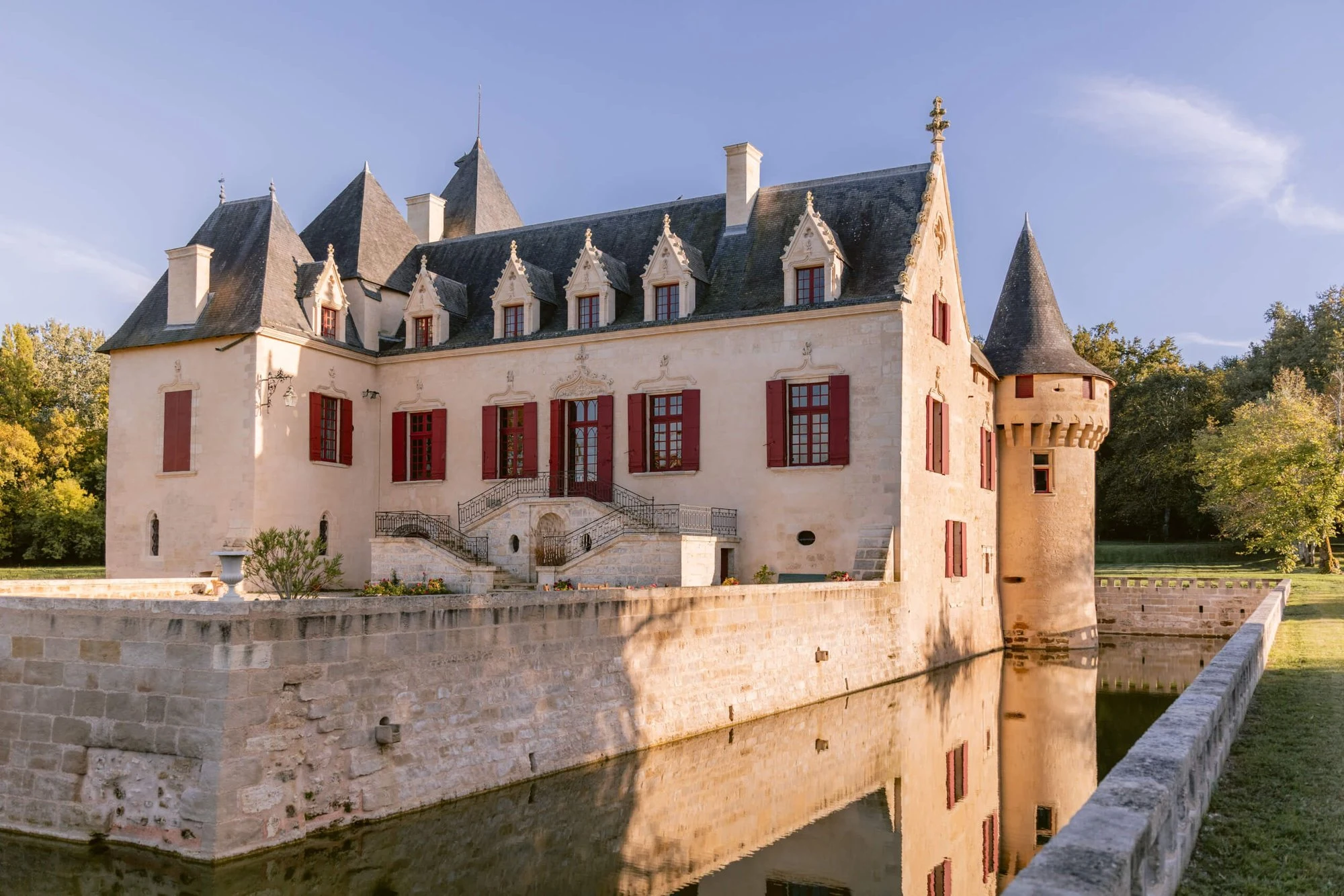
Château Pierre de Montignac belongs to the quieter side of Médoc wine travel: organic vineyards, Cru Bourgeois Supérieur credentials, and estate hospitality folded into a working cellar setting. The draw is terroir-led rather than theatrical, with AOP Médoc reds, on-site bottling, guest rooms, gîtes, and a countryside rhythm that suits visitors who want Bordeaux without the grand-château performance.
● 1 artisanView →
20.Winery
Viña Morandé
Casablanca, Morocco
Viña Morandé holds a Pearl 1 Star Prestige (2025) and sits among the established wine estates operating out of Chile's Casablanca Valley, a cool-climate region shaped by Pacific fog and maritime air that has made it a reference point for Chardonnay and Pinot Noir on the South American continent. The property represents one of the more structured tasting experiences in a valley where serious viticulture and visitor programming increasingly overlap.
● 1 artisanView →
21.Distillery
Schwarzer Distillery
Leutasch, Austria
Schwarzer Distillery operates from Leutasch in the Austrian Alps, earning a Pearl 1 Star Prestige award in 2025, recognition that places it among Austria's more closely watched craft spirits producers. The Tyrolean setting, where Alpine climate and regional botanical character shape what goes into the still, situates this distillery within a broader tradition of place-driven Austrian spirits production.
● 1 artisanView →
22.Distillery
Ouzo Mitsa Distillery
Arta, Greece
Ouzo Mitsa Distillery in Arta, northwestern Greece, earned a Pearl 1 Star Prestige in 2025, placing it among a small tier of Greek spirits producers recognised for craft and regional character. Arta sits in Epirus, a region whose agricultural traditions run deep and whose anise-forward spirits culture predates modern Greek distilling by centuries. For visitors exploring Greek distilleries beyond the better-known Lesbos corridor, Mitsa represents a serious regional stop.
● 1 artisanView →
23.Winery
Cantina Kopp von der Crone Visini
Barbengo, Switzerland
A small family-run Ticino winery in Barbengo, Cantina Kopp von der Crone Visini reads through land before branding: Merlot, Kerner, Viognier and Bordeaux varieties shaped by vineyards across Mendrisiotto, Luganese and Bellinzonese. Its appeal is quiet rather than performative, with estate-grown fruit, integrated production principles and a cellar-house setting that suits travellers who care about Ticino’s granular wine culture.
● 1 artisanView →
24.Winery
Abbotts & Delaunay
Marseillette, France
Abbotts & Delaunay reads the Languedoc through a Burgundian lens: old-vine parcels, organic farming on key estates, restrained extraction, and a portfolio that moves across Minervois, Corbières, Saint-Chinian, Limoux, and the Haute Vallée de l’Aude. In Marseillette, the interest is not scale but precision, with Cumulo Nimbus and single-vineyard bottlings pointing to a fresher, more disciplined register for the region.
● 1 artisanView →25.Winery
Clos de Mez
Fleurie, France
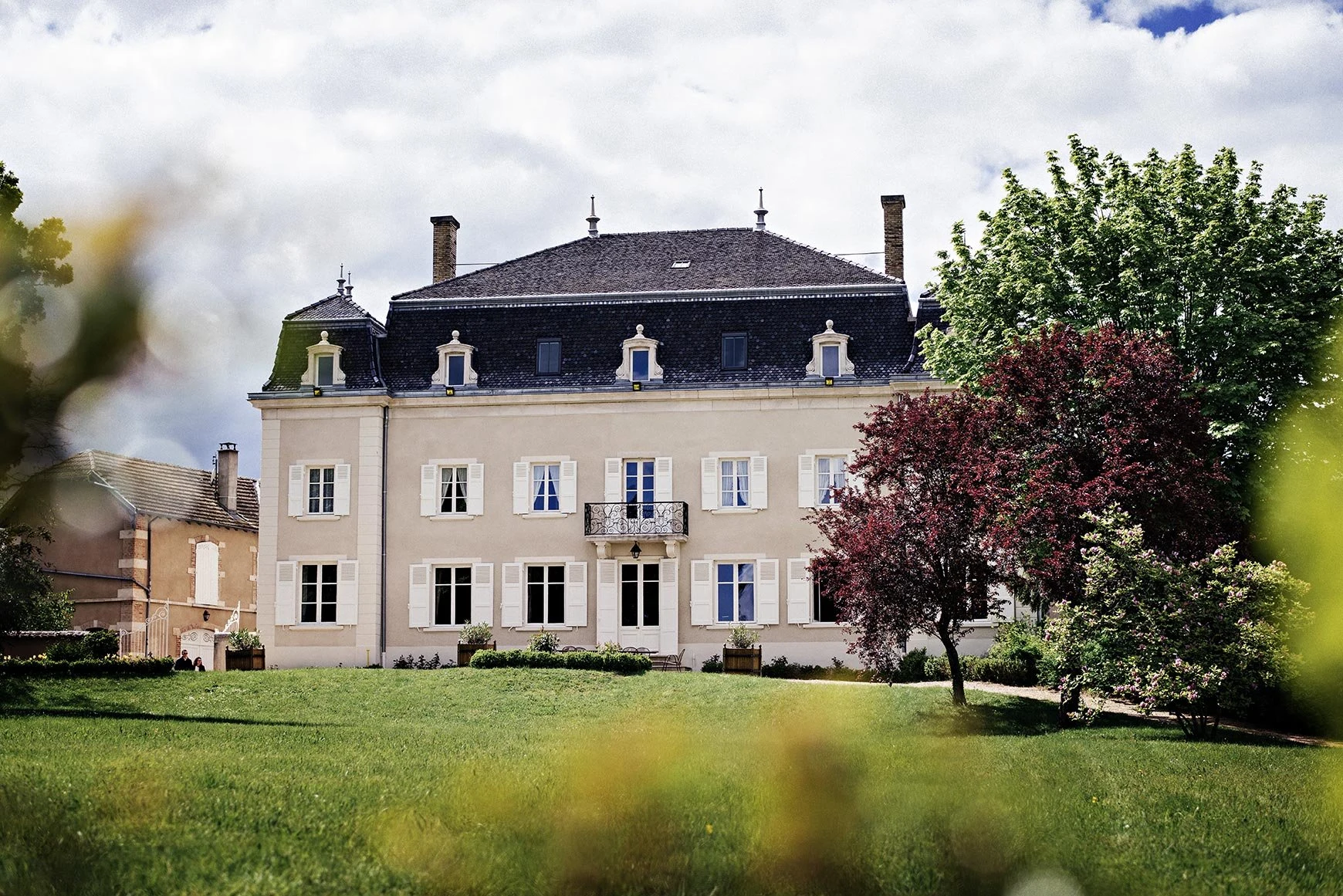
Clos de Mez is a small family-run Beaujolais estate in Fleurie focused on Gamay built for age, not quick-drinking charm. Its interest lies in granitic cru terroir, long macerations, old-vine Morgon material, and the Burgundian whole-bunch discipline of winemaker Marie-Élodie Zighera-Confuron.
● 1 artisanView →
26.Winery
Casale del Giglio
Latina, Italy
Casale del Giglio gives Lazio a different wine argument: not hill-town nostalgia, but Agro Pontino experimentation shaped by maritime air, cordon-trained vineyards, and a research program that tested dozens of varieties. Its strongest case is terroir by investigation, from Syrah and Petit Verdot to Viognier and Bellone, with Decanter recognition adding external weight.
● 1 artisanView →
27.Winery
Bestheim & Châteaux
Bennwihr, France
Bestheim & Châteaux is a cooperative cellar in Bennwihr that reads Alsace through scale: nearly 450 grower families, 1,350 hectares of vines, and a portfolio built around Riesling, Gewurztraminer, Pinot Blanc, Pinot Gris, Pinot Noir and Crémant d’Alsace. The experience is casual and retail-led, useful for visitors who want a broad regional tasting rather than a small-estate salon.
● 1 artisanView →28.Winery
Serpaia di Endrizzi
Orbetello, Italy
Serpaia di Endrizzi is a Maremma wine estate in Orbetello shaped by coastal air, sunny hills, and the Endrizzi family’s move from Trentino into Tuscany. Its identity is built around still red wines, integrated agriculture, and a vineyard-first reading of Rosso Toscana IGP, Rosso Maremma Toscana DOC, and Morellino di Scansano DOC.
● 1 artisanView →29.Winery
Shilda Winery
Akhmeta, Georgia
Shilda Winery gives Akhmeta a modern estate expression of Kakheti wine culture: mountain-facing, vineyard-led, and built for guided tastings rather than casual bar-style drinking. Its defining pull is the combination of a 6-hectare estate, Kindzmarauli PDO context, Georgian varieties, and contemporary Italian and French cellar equipment.
● 1 artisanView →
30.Winery
Bodegas Chivite
Villatuerta, Spain
A historic Navarra estate in Villatuerta, Bodegas Chivite is strongest when read through its soils: clay-limestone vineyards, Atlantic influence, and a long family record that reaches back to 1647. The experience is built around guided winery visits and a portfolio that moves from rosado and Garnacha to estate-focused bottlings under the J. Chivite Family Estates umbrella.
● 1 artisanView →
31.Hotel
SAHARA Las Vegas
Las Vegas, United States
SAHARA Las Vegas sits at the northern end of the Strip on Las Vegas Boulevard, occupying a site with deep roots in the city's mid-century casino era. The property offers hotel accommodations, casino gaming, pool access, and dining across multiple outlets. Visitors positioning themselves near the Las Vegas Convention Center will find it a practical base with direct monorail access.
● 1 artisanView →32.Winery
Schola Sarmenti
Nardò, Italy
Schola Sarmenti brings Nardò’s wine identity into sharp focus through native Puglian varieties, especially Negroamaro, inside a restored nineteenth-century wine factory. The appeal is not spectacle but context: vaulted tuff, Lecce stone, vineyard setting, and a guided tasting format that suits travelers trying to understand Salento through its grapes.
● 1 artisanView →33.Winery
Château La Chenade
Pomerol, France
Château La Chenade gives Lalande-de-Pomerol a Right Bank reading built on clay-gravel soils, Merlot dominance, and the Durantou family’s precise cellar style. The wine sits in a generous, earlier-drinking register than many more structured Pomerol references, with critic attention including an 85-point Matthew Jukes score for the 2024 vintage.
● 1 artisanView →34.Winery
Domaine Histoire d’Enfer SA
Sierre, Switzerland
Dr. Patrick Regamey, winemaker at Domaine Histoire d’Enfer SA in Sierre, works low-yield Valais vineyards into precise Alpine wines.
● 1 artisanView →
35.other
Coffee Collective
Copenhagen, Denmark
Copenhagen's specialty coffee scene has long operated in the shadow of the city's fine-dining reputation, but Coffee Collective at Kristen Bernikows Gade has held a consistent position in Opinionated About Dining's Cheap Eats in Europe rankings for three consecutive years, placing #27 in 2023, #37 in 2024, and #64 in 2025. The café opens Monday through Friday from 7am and offers a reference point for how seriously Danes take their morning ritual.
● 1 artisanView →
36.Winery
Rapet
Pernand-Vergelesses, France
Rapet is a Burgundy wine estate included in the 2026 Michelin Grape Selection as Main Selection.
● 1 artisanView →37.Winery
Schnorf Weinbau
Uetikon Am See, Switzerland
Schnorf Weinbau is a small family-run winery in Uetikon am See, tied to the Lake Zurich wine region rather than destination-winery theatre. Its appeal is the local-vineyard focus: Riesling-Sylvaner, Räuschling, Sauvignon Blanc and Chardonnay sit within a low-key cellar-door format shaped by regional identity and direct producer hospitality.
● 1 artisanView →
38.Winery
Bodega Contador
San Vicente de la Sonsierra, Spain
Bodega Contador belongs to the modern Rioja Alta conversation: small-production Tempranillo, gravity-led architecture, organic vineyard work, and a cellar language shaped by Benjamín Romeo’s garage-wine years. Its claim is not nostalgia but precision, with 50 hectares spread across dozens of plots and historic 100-point recognition from Robert Parker for the 2004 and 2005 Contador vintages.
● 1 artisanView →
39.Hotel
Dragsholm Slot
Hørve, Denmark
A 13th-century castle in the Odsherred UNESCO Global Geopark, Dragsholm Slot has been family-run for four generations and sits within the Relais & Châteaux network. Rates from USD 250 per night place it at the accessible end of Danish castle hospitality, with locally sourced cuisine and one of the country's most atmospheric settings outside Copenhagen.
● 1 artisanView →
40.Winery
Domaine Pierre Guillemot
Savigny-lès-Beaune, France
Vincent Guillemot runs the Savigny-lès-Beaune estate founded by Pierre Guillemot in 1947. Parcels in Savigny, Beaune, Corton.
● 1 artisanView →41.Winery
Scolaris
San Lorenzo Isontino, Italy
Scolaris gives Collio a large-format, family-winery reading rather than a tiny cellar-door one. Founded in 1924 in San Lorenzo Isontino, it works across Ribolla Gialla, Pinot Grigio, Friulano, Schioppettino and Verduzzo, with a production identity that connects Friuli’s local grapes to a broader, modern market.
● 1 artisanView →
42.Winery
Casas del Bosque
Santiago, Chile
Casas del Bosque gives Santiago-based wine travelers a polished route into Chile’s cool-climate story: Casablanca Valley whites and early-ripening reds framed by a relaxed estate experience. Founded in 1993, the family-owned winery has built its reputation on Sauvignon Blanc, Chardonnay, Riesling, Pinot Noir and Syrah, with visitor recognition from Le Winery Guide, Wine Access and Best of Wine Tourism.
● 1 artisanView →43.Winery
Domaine Chappuis
Rivaz, Switzerland
Domaine Chappuis is a Rivaz wine estate for readers who want Lavaux through its terraces rather than through cellar-door theatrics. The draw is Chasselas shaped by limestone-rich slopes, Lake Geneva’s moderating influence, and a family lineage traced to 1335, with a compact 7-hectare holding across St-Saphorin, Dézaley, and Chardonne.
● 1 artisanView →
44.Winery
Amaracmand
Roncofreddo, Italy
Amaracmand belongs to the quieter Romagna conversation: organic farming, Sangiovese, blue clay soils and a family-run estate in Roncofreddo rather than cellar-door spectacle. Founded in 2013, it works in the DOC Romagna and IGT Rubicone frame, with an appointment-only format that suits travelers interested in territory before theatre.
● 1 artisanView →
45.Winery
Eaglepoint Ranch
Redwood Valley, United States
Eaglepoint Ranch holds a Pearl 1 Star Prestige award (2025), placing it among Redwood Valley's recognised producers in a appellation that still flies well below the radar of Napa or Sonoma visitors. The ranch operates in one of Mendocino County's higher-elevation growing zones, where the diurnal range shapes wines of genuine structural interest. It earns attention from those who follow appellation-level quality rather than brand recognition.
● 1 artisanView →46.Winery
Château Grand Ormeau
Lalande De Pomerol, France
Château Grand Ormeau belongs to Lalande-de-Pomerol’s quieter Right Bank register: Merlot-led, gravel-and-clay grounded, and more concerned with structure than spectacle. Its 14 hectares, classic 70% Merlot blend, hand harvest, and 13-to-16-month French oak élevage place it firmly in the appellation’s traditional Bordeaux grammar.
● 1 artisanView →
47.Distillery
Vantana Distillery
Patras, Greece
Located on the Patras-Tripolis road, Vantana Distillery earned a Pearl 1 Star Prestige in 2025, placing it among the recognised spirits producers in the Achaea region. The distillery operates within a Greek tradition of craft spirit-making that stretches back centuries, producing alongside an established cluster of Patras-based distillers and wine estates. For visitors exploring the region's producers, it represents a credentialed stop on the western Peloponnese circuit.
● 1 artisanView →
48.Winery
Alice Bonaccorsi
Randazzo, Italy
Alice Bonaccorsi, also known as Valcerasa, belongs to the small-estate side of Etna wine: family-run, land-led, and focused on native grapes rather than polished cellar-door theatre. The Randazzo setting matters here, with high volcanic vineyards, organic farming, alberello training, and limited annual production shaping wines that speak more clearly of slope and soil than of design gloss.
● 1 artisanView →
49.Winery
Cantina Kaltern
Kaltern, Italy
Cantina Kaltern is the cooperative wine center of Kaltern, shaped by Lake Kaltern, Alpine temperature swings, and a grower network that gives the village’s wine culture unusual scale. Its 590 member winegrowers, 440 hectares of vineyards, FAIR’N GREEN sustainability certification, and focus on Schiava, Pinot Blanc, Sauvignon Blanc, Cabernet Sauvignon, and Moscato Giallo make it a useful lens on Alto Adige wine rather than a simple tasting-room stop.
● 1 artisanView →
50.Winery
Bodegas Alión
Penafiel Padilla De Duero, Spain
Bodegas Alión gives Ribera del Duero a polished, contemporary reading: Tinto Fino from high, continental vineyards, shaped through French oak and a tightly focused red-wine program. Its relevance is not cellar-door tourism but the way it translates the region’s power into a sleeker international idiom, with the Álvarez family and Vega Sicilia connection giving the project serious collector context.
● 1 artisanView →
51.Winery
Bodega Caelum
Luján de Cuyo, Argentina
Bodega Caelum sits along Ruta Nacional 7 in Lujan de Cuyo, placing it squarely within Mendoza's most concentrated corridor of high-altitude winemaking. The bodega format here follows a regional pattern where the table and the cellar share equal billing, and the meal is inseparable from the vineyard that frames it. For visitors working through the Lujan de Cuyo wine route, it represents one of the area's estate dining options worth building an itinerary around.
● 1 artisanView →
52.Hotel
Ibiza Gran Hotel
Ibiza, Spain
Ibiza Gran Hotel occupies the marina front on Passeig Joan Carles I, positioning itself as the island's most deliberate counterpoint to the club-circuit crowds. All 187 accommodations are suites, the property holds over 400 contemporary artworks, and its restaurant floor spans Óscar Molina's fine-dining La Gaia to outposts of Zuma and Cipriani Downtown. For travellers who want Ibiza on their own terms, this is where the planning starts.
● 1 artisanView →
53.Winery
Amalia Cascina in Langa
Monforte d'Alba, Italy
Amalia Cascina in Langa suits travellers who want the Langhe at farmhouse scale rather than resort scale: vineyards, quiet rooms, garden space, a pool in season and a wine program rooted in Monforte d'Alba. The draw is the combined rhythm of Barolo-country hospitality and estate wine, with tastings by appointment and a setting that makes terroir feel practical rather than abstract.
● 1 artisanView →
54.Winery
Pisco Mal Paso
Vicuña, Chile
Pisco Mal Paso operates from Fundo Huamalata in the Coquimbo region, producing pisco in one of Chile's driest and most extreme growing environments. The operation earned a Pearl 1 Star Prestige recognition in 2025, placing it among a small tier of distinguished producers in the Elqui Valley. For visitors tracing the serious end of Chilean pisco production, this is a producer that rewards attention.
● 1 artisanView →
55.Winery
Banfi
Montalcino, Italy
Banfi gives Montalcino’s wine-estate experience a grand scale: a castle setting, vineyard views, historic stone architecture, and a production identity built around Brunello di Montalcino. Its significance comes from the meeting of heritage and technical ambition, with a large Sangiovese program, hospitality on the estate, and a polished Tuscan atmosphere suited to a slower visit rather than a quick tasting stop.
● 1 artisanView →
56.Bakery
Pophams Bakery
London, United Kingdom
Pophams Bakery’s photogenic rosemary and sea-salt twists and bacon and maple scrolls have been catnip to influencers since the beginning (2017). Since then, Pophams has grown to three sites (Islington, Hackney and Arcade Food Theatre) and has, at its Hackney site, expanded into pasta (evenings only). The viennoiserie is precisely crafted with three batons of chocolate in the pain au chocolat and a full 27 layers of butter in each pastry. The Marmite, Schlossberger and spring-onion pastry is a study in umami.
● 1 artisanView →
57.other
Herdade dos Grous
Albernoa, Portugal
Set on a working estate outside Albernoa, Herdade dos Grous earns its Michelin Plate recognition through a kitchen anchored to what the land actually produces: Alentejo veal, merino lamb, Iberian pork, and organic vegetables from the estate itself. The result is traditional Alentejo cooking with a coherence that comes from source, not styling. Twenty-four guestrooms and structured wine-tasting packages round out a visit that makes sense to extend overnight.
● 1 artisanView →58.Winery
Château Paloumey
Ludon Medoc, France
Château Paloumey gives the southern Médoc a sustainability-forward reading: organic farming, agroforestry, and a Cru Bourgeois Supérieur frame without the stiffness of a grand château visit. The appeal is terroir literacy rather than ceremony, with Haut-Médoc gravel, Cabernet-led blends, and small-format tastings that make the region’s left-bank logic easier to read.
● 1 artisanView →
59.french
La Pâtisserie Meurice par Cédric Grolet
Paris, France
At 6 Rue de Castiglione, steps from the Place Vendôme, La Pâtisserie Meurice par Cédric Grolet occupies a specific and contested tier within Paris pastry culture: the destination pâtisserie that functions as a cultural statement as much as a place to eat. Ranked #18 in Opinionated About Dining's Casual Europe list in 2023, it draws a queue that reflects how seriously Paris now treats dessert as a standalone dining category.
● 1 artisanView →
60.Winery
Bodegas y Viñedos Monteabellón
Nava De Roa, Spain
Bodegas y Viñedos Monteabellón is a family-run Ribera del Duero estate in Nava De Roa, built around Tempranillo, vineyard control, and relaxed countryside tastings. Its appeal is not spectacle, but the link between high-altitude vineyards, modern cellar work, and a visitor format that keeps the region’s farming culture in view.
● 1 artisanView →