The Places · Page 170
Where the artisans work.

01.Winery
Bodegas y Viñedos Monteabellón
Nava De Roa, Spain
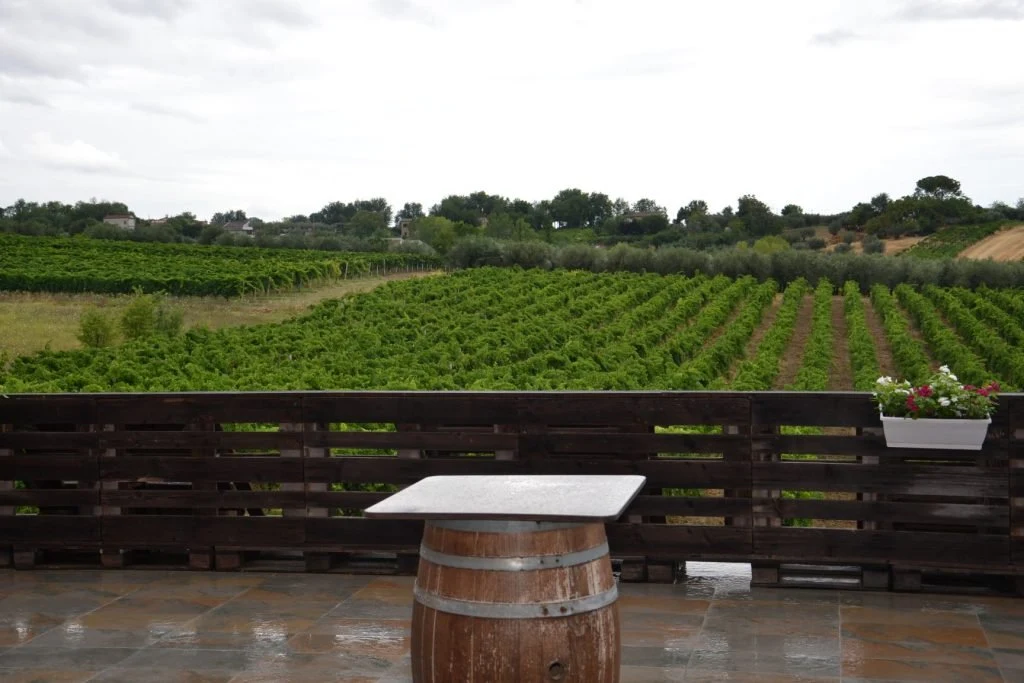
Bodegas y Viñedos Monteabellón is a family-run Ribera del Duero estate in Nava De Roa, built around Tempranillo, vineyard control, and relaxed countryside tastings. Its appeal is not spectacle, but the link between high-altitude vineyards, modern cellar work, and a visitor format that keeps the region’s farming culture in view.
● 1 artisanView →
02.Winery
Cantina Montelliana e dei Colli Asolani
Montebelluna, Italy
Cantina Montelliana e dei Colli Asolani gives Montebelluna a cooperative lens on Asolo Prosecco: 400 growers, a 1957 founding date, and a portfolio anchored in Glera from the Montello and Colli Asolani zone. The draw is less cellar-door theatre than territorial clarity, with a modern retail space built for tasting Prosecco DOC, Asolo Prosecco Superiore DOCG, and local still wines in a clean, accessible setting.
● 1 artisanView →03.Winery
Château Laulan
Francs, France
Château Laulan belongs to the quieter Francs Côtes de Bordeaux register: Merlot-led Right Bank reds shaped around balance, texture, and value rather than grand-estate theatre. The key signal is critic confidence, especially Jancis Robinson MW’s 16.5+ score for the 2019 Francs Côtes de Bordeaux, a wine framed around velvety structure and age-worthy poise.
● 1 artisanView →

04.Winery
Azienda Vitivinicola Marino
Agropoli, Italy
A family-run organic estate near Agropoli, Azienda Vitivinicola Marino reads Campania through Cilento rather than through the better-known inland appellations. The draw is the combination of estate-grown Fiano, Aglianico and Piedirosso, DOP and IGP bottlings, guided cellar context, local food pairings and the sense of a working household rather than a polished tasting-room circuit.
● 1 artisanView →05.Winery
Siduri Wines
Santa Rosa, United States
Siduri Wines belongs to the Pinot Noir-first side of Sonoma County, with Chardonnay as the supporting act and a portfolio built around vineyard-specific bottlings from California and Oregon. The Santa Rosa experience is industrial and wine-led rather than scenic, with a quiet warehouse feel, private-tasting format, and a record dating to 1994.
● 1 artisanView →
06.Winery
Cantina Valpantena
Quinto, Italy
Cantina Valpantena gives Quinto a grounded expression of Valpolicella: cooperative scale, local grower tradition, and wines shaped by the hills north of Verona. The interest here is not trophy-cellar theatre but the mechanics of place, from native grapes to appassimento and a production base tied to hundreds of member farms.
● 1 artisanView →07.Winery
Der Kirschberghof - Gäste & Wein
Sommerhausen, Germany
Der Kirschberghof - Gäste & Wein fits the Franconian estate model where lodging, vineyard views, and cellar-door sales sit together rather than being split into separate attractions. The draw is the Maindreieck setting: Silvaner, Müller-Thurgau, and Bacchus read through a small rural property in Sommerhausen, with an eight-room guesthouse and wine tours giving the visit a slower rhythm.
● 1 artisanView →
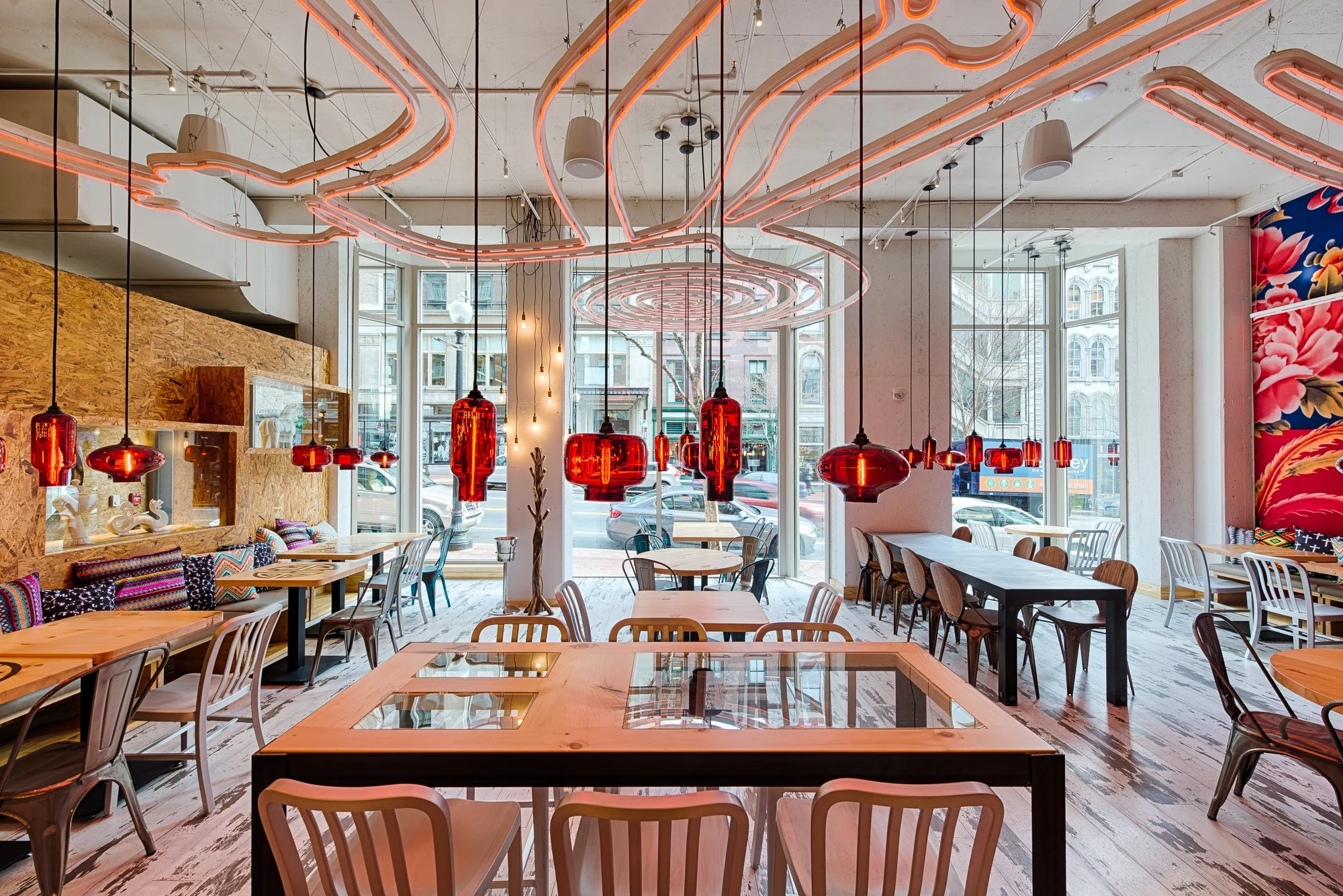
08.Winery
Bodegas Álvarez de Toledo
Toral De Los Vados, Spain
Bodegas Álvarez de Toledo is a low-key Bierzo winery in Toral De Los Vados built around family vineyard recovery, old-vine material and the regional pairing of Mencía and Godello. Its appeal is not spectacle but continuity: a compact, heritage-led wine project where place, lineage and native varieties carry the argument.
● 1 artisanView →09.Winery
Château Lamothe de Haux
Haux, France
Château Lamothe de Haux reads as a Bordeaux estate shaped by slope, stone, and family continuity rather than cellar-door spectacle. In Haux, its dry-white emphasis, troglodyte cellars, and Premières Côtes de Bordeaux setting give the visit a clear point of view: this is Bordeaux through limestone, river influence, and practical, balanced wines.
● 1 artisanView →10.Winery
Schwarz Weine
Schrattenberg, Austria
Schwarz Weine puts Schrattenberg’s red-wine identity ahead of cellar-door theatre: organic farming, structured Zweigelt-led bottlings, and a broad family-estate portfolio define the appeal. The range runs across red, white, sweet, sparkling, distillates, alcohol-free products, and pumpkin seed oil, but the serious signal is in the barrique-aged reds and Falstaff-scored bottles.
● 1 artisanView →
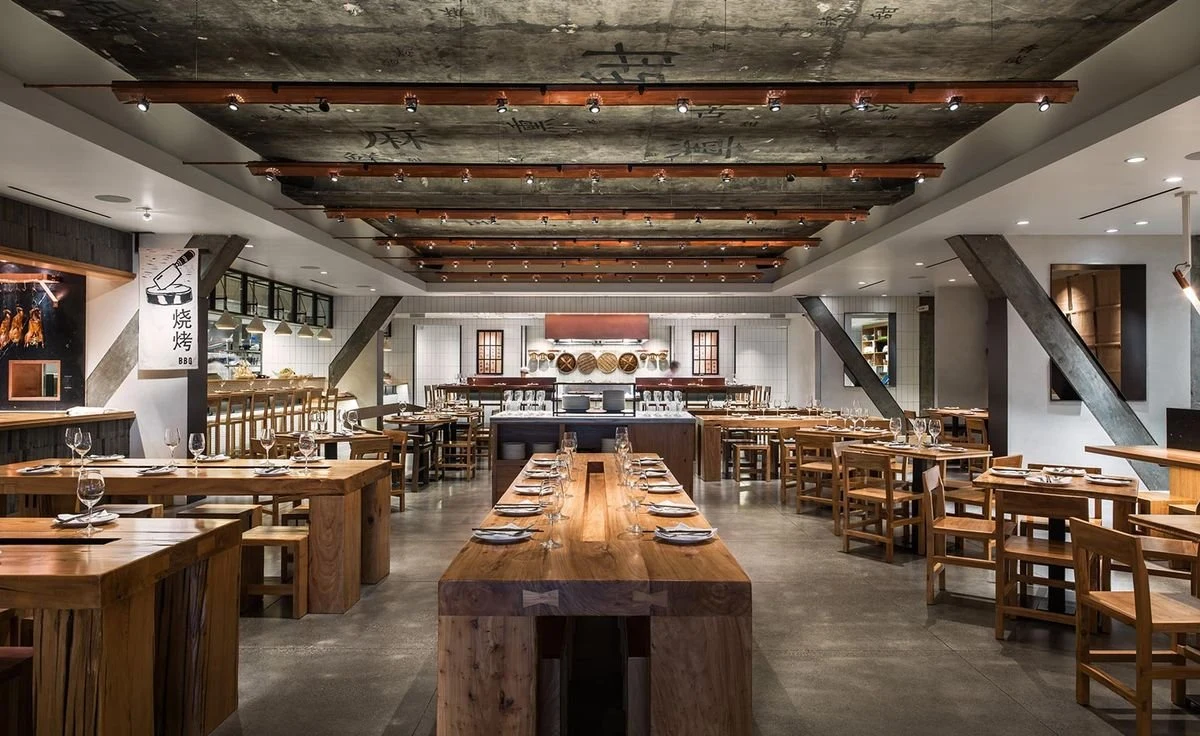
11.Winery
Shadowfax Wines
Victoria, Canada
Shadowfax Wines belongs in Victoria’s quieter drinks conversation: less spectacle, more attention to how coastal British Columbia’s climate shapes what ends up in the glass. With Pearl 1 Star Prestige recognition in 2025, it suits travellers who want a wine-led stop framed by place rather than performance.
● 1 artisanView →

12.Winery
BiancaVigna
Conegliano, Italy
BiancaVigna sits in Conegliano’s hillside Prosecco Superiore tradition, where Glera, steep vineyard parcels and site-specific Rive bottlings matter more than broad sparkling-wine glamour. The appeal is measured: a CasaClima Wine-certified cellar, 30 hectares across 15 municipalities, SQNPI viticulture and an appointment-only tasting format built around terroir rather than spectacle.
● 1 artisanView →13.Winery
Setteanime
Ponte Di Piave, Italy
Setteanime is a quiet Piave DOC winery in Ponte di Piave, shaped by river country, vineyard views, and a Veneto tradition that gives Raboso real weight. The appeal is not spectacle: it is a heritage-led read of place, with still reds, still whites, and sparkling wines tied to the agricultural memory of the Piave corridor.
● 1 artisanView →
14.Distillery
Great Southern Distilling Co (Limeburners)
Albany, United States
Great Southern Distilling Co (Limeburners) in Albany, Western Australia produces single malt spirits shaped by limestone aquifer water, cool marine maturation, and locally sourced peat. Signature expressions include the Director’s Cut Cask Strength, Heavily Peated Single Malt, and port‑finished limited runs. The distillery marries traditional copper pot still distillation with second‑fill American oak and fortified wine barrel finishing, yielding saline, honeyed, and smoky layers. Internationally recognised with multiple Australian Champion Whisky titles and ADI honours, Limeburners offers waterside tastings with vivid sea-breeze aromatics, hands-on gin blending classes, and allocated bottlings that appeal to collectors and connoisseurs seeking place-driven, small-batch spirits.
● 1 artisanView →
15.Winery
Brandini
La Morra, Italy
Brandini frames La Morra Barolo through altitude, organic farming and a cellar style that favors large oak over heavy extraction. The estate’s modern identity rests on certified organic viticulture since 2011, Nebbiolo-led bottlings and the Bagnasco family’s shift from Langhe commerce into site-focused winegrowing.
● 1 artisanView →
16.Winery
Bodega Jean Rivier
San Rafael, United States
Bodega Jean Rivier holds a Pearl 1 Star Prestige (2025) in San Rafael, Mendoza's lesser-known southern wine zone, where a small roster of family-rooted producers maintains a distinct distance from the Luján de Cuyo mainstream. The winery represents a strand of San Rafael viticulture that values regional identity over trend-chasing, positioning it among the area's most recognised addresses for serious wine exploration.
● 1 artisanView →
17.italian
Caffé Panna
Manhattan, United States
Caffé Panna brings the Italian panna tradition into Manhattan’s current dessert culture, where ingredient-driven scoops can carry the same editorial weight as a full tasting counter. Hallie Meyer’s gelateria has OAD Cheap Eats recognition for 2026, ranked No. 67 in North America, a useful signal in a category where craft and accessibility often pull in opposite directions.
● 1 artisanView →18.Winery
Château Sérilhan
Saint-Estèphe, France
Château Sérilhan is a Saint-Estèphe estate shaped by clay-limestone soils, Cabernet-led blending and Cru Bourgeois discipline. Its 25 hectares produce structured red Bordeaux at an accessible bottle tier, with recent Tastingbook scores of 92 Tb for the 2019 and 2020 vintages.
● 1 artisanView →19.Winery
Schinterhof
Barbian, Italy
Schinterhof is a small historic farm winery in Barbian, rooted in South Tyrol’s lower Eisack Valley and linked to a winegrowing history dating to 1380. Its compact range, from Pinot Gris and Sauvignon Blanc to Pinot Noir and Alto Adige sparkling wine, points toward alpine freshness, DOC discipline, and a clear interest in the microzones of Colma-Barbiano.
● 1 artisanView →
20.Winery
Macurichos
Santiago Matatlán, Mexico
Macurichos sits on Oaxaca's Carretera Internacional in Santiago Matatlán, the municipality that produces more mezcal by volume than anywhere else in Mexico. A 2025 Pearl 1 Star Prestige recognition places it among the village's most considered destinations, making it a reference point for understanding how food and mezcal interact in the heartland of agave production.
● 1 artisanView →21.Winery
Sektgut Christmann & Kauffmann
Neustadt Gimmeldingen, Germany
Sektgut Christmann & Kauffmann gives Neustadt Gimmeldingen a serious sparkling-wine address: biodynamic, small-scale, and rooted in Pfalz limestone and sandstone rather than cellar gloss. The project began in 2019 under Steffen and Sophie Christmann with Mathieu Kauffmann, drawing on a family estate whose vineyards and VDP standing give the young Sekt project unusual weight.
● 1 artisanView →22.Winery
Sileni Estates
Hastings, New Zealand
Sileni Estates is a hospitality-forward Hawke’s Bay winery in Hastings, built around cellar-door tasting, local-product browsing, and vineyard-side terrace time. Its range draws from Hawke’s Bay and Marlborough, with Sauvignon Blanc, Pinot Noir, Merlot, Syrah, and Pinot Gris framing a broad New Zealand wine conversation rather than a narrow single-site argument.
● 1 artisanView →23.Winery
Sigrist Eigenkelterung
Buchberg, Switzerland
Sigrist Eigenkelterung is a small Buchberg winery built around the old Swiss logic of on-site growing, pressing, and production. The draw is not spectacle or trophy branding, but a quiet, full-cycle cellar format with Müller-Thurgau, Pinot Noir, and Räuschling in the frame.
● 1 artisanView →
24.Distillery
Brennerei Durigon
Lienz, Austria
Brennerei Durigon is a distillery in Lienz, in Austria's East Tyrol region, recognised with a Pearl 1 Star Prestige award in 2025. Operating where Alpine terrain shapes the character of local spirits production, it represents the small-batch distilling tradition that has gained sustained recognition in the Austrian craft sector. Visitors to the region with an interest in terroir-driven spirits will find it a reference point in the Lienz area.
● 1 artisanView →
25.Winery
Destillerie Wieser
Röschitz, Austria
Destillerie Wieser operates out of Röschitz in Austria's Weinviertel, a region better known for its Grüner Veltliner than its spirits. The distillery earned a Pearl 1 Star Prestige in 2025, placing it among Austria's recognised producers in a category that rewards terroir precision over volume. For anyone tracing Austria's craft distilling circuit, Röschitz is a logical stop.
● 1 artisanView →26.Winery
Château Petit Gravet Aîné
Saint-Émilion, France
Château Petit Gravet Aîné is a small Saint-Émilion estate shaped by clay-limestone soils, old vines and an unusually Cabernet Franc-led profile for the appellation. Its 3.66 hectares and annual production of about 7,000 bottles place it in the low-volume, collector-minded tier of right-bank Bordeaux, with recent vintages drawing strong scores from Jeb Dunnuck, Vinous and other critics.
● 1 artisanView →
27.other
Prolog Coffee Bar
Copenhagen, Denmark
Prolog Coffee Bar on Høkerboderne earns its Opinionated About Dining Cheap Eats in Europe recognition by treating filter coffee and espresso-based drinks with the same rigor Copenhagen's fine-dining rooms apply to their tasting menus. A 4.6 Google rating across more than 1,200 reviews confirms this is no neighbourhood afterthought. For a city that runs on serious coffee culture, Prolog is a reliable reference point.
● 1 artisanView →
28.Cafe
Only Coffee Project Crows Nest
Sydney, Australia
Only Coffee Project in Crows Nest is a minimalist espresso bar renowned for its purist approach to specialty coffee, recently recognized as a finalist for Best Coffee in the Good Food 2025 awards. Located at Shop 2/118 Willoughby Rd, Crows Nest, the shop operates Monday to Sunday from 6:30 AM to 3:00 PM , with shortened hours on public holidays. The concept is strictly coffee-focused, featuring a rotating selection of beans from world-class roasters like Market Lane and Sey Coffee . The space of
● 1 artisanView →29.Winery
Château Tessyier
Vignonet, France
Château Tessyier is a working Right Bank Bordeaux estate in Vignonet, shaped by Saint-Émilion’s Merlot-led grammar rather than by visitor-winery theatre. Its interest lies in scale, old vineyard continuity, sand-and-iron soils, and a production-first character that reads as rural, quiet, and serious.
● 1 artisanView →
30.mediterranean
Stina Winery
Bol, Croatia
Stina Winery sits on Bol's seafront at Riva 16, where the Adriatic island of Brač meets one of Dalmatia's most serious indigenous wine traditions. The winery draws on Brač's native Plavac Mali and Pošip grapes, grown on the island's limestone-heavy terrain that shapes the character of the wines more than any winemaking intervention. For visitors combining the beach at Zlatni Rat with a serious bottle, Stina is the address on the promenade worth knowing.
● 1 artisanView →
31.Winery
Alain Gerber
Hauterive Ne, Switzerland
Alain Gerber is a small family winery in Hauterive NE, shaped by Neuchâtel’s lake-moderated climate, limestone soils, Chasselas and Pinot Noir. The cellar’s appeal is quiet rather than performative: three generations of winemaking, a strong Non Filtre Chasselas identity, and a sweet Prélude cuvée with Grand Prix du Vin Suisse recognition.
● 1 artisanView →
32.Winery
Bodegas San Martin
San Martin De Unx, Spain
Bodegas San Martin is a village cooperative in San Martin De Unx, Navarra, built around Garnacha, bush vines and the Baja Montaña foothill setting. Founded in 1914 by 192 vinegrowers, it now pairs a modern stainless-steel production facility with a portfolio that runs from everyday bottlings to more ambitious oak-aged expressions.
● 1 artisanView →
33.Winery
La Crema Estate at Saralee’s Vineyard
Windsor, United Kingdom
La Crema Estate at Saralee's Vineyard holds a Pearl 1 Star Prestige award (2025), placing it among Windsor's most decorated wine producers. The estate draws visitors seeking serious Pinot Noir and Chardonnay in a Russian River Valley tradition, with winemaking that prioritises site expression over heavy intervention. Check directly for current visiting and tasting arrangements.
● 1 artisanView →
34.Winery
Bacco e Arianna
Vo, Italy
Bacco e Arianna is a family-run agriturismo and azienda agricola in Vo, set inside the Euganean Hills’ farm-and-vineyard culture. Its draw is the link between Colli Euganei DOC wines, traditional Venetian cooking, and a working agricultural model that includes pasta, cured meats, livestock, grappa, honey, oil, and seasonal farm products.
● 1 artisanView →
35.Bakery
Eigenbrötler Backwerke
Wauwil, Switzerland
Off-map uprising gem, little-known or hard-to-find pâtisseries, bakeries, afternoon teas, or dessert restaurants worth going the extra mile for.
● 1 artisanView →36.Winery
Domaine Jonathan Didier Pabiot
Pouilly Sur Loire, France
Pouilly-Fumé is often read through Sauvignon Blanc, but Domaine Jonathan Didier Pabiot makes the appellation feel more geological than varietal. The estate’s organic and biodynamic farming, 20 hectares of limestone, caillottes, clay-limestone and flint-clay parcels, and small Chasselas holding put the emphasis on soil, river climate and low-yield viticulture rather than cellar theatre.
● 1 artisanView →37.Winery
Comm. G.B. Burlotto
Verduno, Italy
Comm. G.B. Burlotto is a historic Verduno winery tied closely to the northern edge of Barolo, where cooler exposures, Marne di Sant’Agata soils, Nebbiolo, and Pelaverga Piccolo shape the story. Founded in 1850, it belongs to the traditionalist Piedmontese camp: long heritage, organic vineyard work across 16 hectares, and a portfolio that makes Verduno feel distinct rather than peripheral.
● 1 artisanView →
38.Winery
Bodegas Bianchi
Bianchi, Argentina
Bodegas Bianchi belongs to the Mendoza story of altitude, family continuity, and export-minded Argentine wine. Founded in 1928 and tied to both San Rafael and the Uco Valley, it is strongest as a study in how heritage producers use site diversity, Malbec, Cabernet Sauvignon, red blends, and sustainability language to speak to a modern international market.
● 1 artisanView →39.Winery
Château Rahoul
Portets, France
Château Rahoul is a historic Graves estate in Portets, built around a 17th-century chartreuse and a vineyard spread across sandy-gravel and clay-gravel parcels. Its interest lies in the Graves duality: red Bordeaux structure on one side, barrel-shaped white wine on the other, with UGCB membership and sustainable viticulture giving the estate more substance than its quiet manner suggests.
● 1 artisanView →
40.Winery
Antoniolo
Gattinara, Italy
Antoniolo is a historic family-run estate in Gattinara, where Alto Piemonte Nebbiolo is read through volcanic soils, old vines and long ageing rather than cellar theatrics. Founded in 1948, the estate is closely tied to the rise of single-vineyard Gattinara and remains a serious address for collectors focused on structure, longevity and place.
● 1 artisanView →
41.Winery
Casa al Vento
Gaiole in Chianti, Italy
Casa al Vento suits travellers who want Chianti Classico to feel inseparable from the place around it: vineyards, restored rural architecture, quiet hills, and a hospitality format built around wine, wellness, and Tuscan food. Its estate scale is modest, with 8.5 hectares of vines and about 25,000 bottles a year, giving the experience a small-production lens rather than a grand-cellar spectacle.
● 1 artisanView →42.Winery
Sektkellerei Höfer
Würzburg, Germany
Sektkellerei Höfer gives Würzburg’s wine culture a sparkling-wine reading rather than another still-wine stop. The appeal is cellar-led: Franconian Sekt, a former 19th-century brewery setting, vaulted underground rooms, and a traditional production frame shaped by Silvaner, Weissburgunder, Spätburgunder and Riesling.
● 1 artisanView →43.Winery
Château Tronquoy-Lalande
Saint-Estèphe, France
Château Tronquoy-Lalande belongs to the Saint-Estèphe conversation through gravel, clay, and a Merlot share that pushes against the appellation’s Cabernet-led stereotype. The estate, shortened to Château Tronquoy from the 2022 vintage, offers a useful lens on modern Médoc: old vineyard history, Cru Bourgeois standing, organic certification from 2024, and a red-wine profile built on structure without giving up generosity.
● 1 artisanView →44.Winery
Sektgut Montris
Kaltern, Italy
Sektgut Montris brings Kaltern’s lake-and-mountain wine culture into a focused sparkling-wine format, with Chardonnay Blanc de Blancs and guided tastings at the center of the experience. The appeal is educational rather than casual: cellar technique, regional context, and a quiet estate atmosphere matter as much as the glass itself.
● 1 artisanView →
45.Winery
Aldegheri
Sant'Ambrogio di Valpolicella, Italy
Aldegheri is a family-run Valpolicella estate in Sant'Ambrogio di Valpolicella, shaped by hillside vineyards, underground barrel rooms and the region’s appassimento tradition. The draw is not spectacle but context: Amarone, Ripasso, Recioto and Valpolicella Classico read here as variations on local soil, exposure and cellar discipline.
● 1 artisanView →46.Winery
Sei Solo Bodegas y Vinedos
Burgos, Spain
Sei Solo Bodegas y Vinedos is a small Ribera del Duero producer in Burgos shaped around old-vine Tempranillo, La Horra fruit, and a deliberately low-oak reading of the appellation. Its interest lies in restraint: 33 hectares across 28 plots, vines over 60 years old, and a compact portfolio that favors site expression over showpiece winemaking.
● 1 artisanView →47.Winery
Schick & Springer Weine
Heilbronn, Germany
Schick & Springer Weine belongs to Heilbronn’s quieter wine culture: part Württemberg producer, part European importer, part specialist merchant for people who already know what they are looking at. Its small Wartberg vineyard anchors the house GGG Lemberger and Grauburgunder, while the wider portfolio ranges across France, Italy, Austria, Portugal, Spain, and selected German estates.
● 1 artisanView →
48.middle_eastern
Tatte Bakery and Cafe
Boston, United States
Tatte Bakery and Cafe on Boylston Street has earned consecutive Opinionated About Dining Cheap Eats recognition from 2023 through 2025, climbing from #54 to a sustained presence in the top tier of North American casual dining. Founded by Tzurit Or, the bakery draws on Israeli pastry traditions to anchor a genre of all-day cafe dining that Boston has made distinctly its own.
● 1 artisanView →49.Winery
Czurda Riesling
Budapest, Hungary
Dr. Henrik Czurda makes focused Riesling at Czurda Riesling in Budapest, from fruit in Győrszemere, Pannonhalma, for now.
● 1 artisanView →
50.Winery
Gancia (Aperitif) Argentina
Capilla del Señor, Argentina
Gancia (Aperitif) Argentina operates from Capilla del Señor, a town in Buenos Aires province long tied to the country's aperitif and vermouth heritage. The producer holds a Pearl 1 Star Prestige award from EP Club (2025), placing it within a select tier of Argentine drinks producers recognised for quality and consistency. For those tracing Argentina's aperitif tradition beyond Mendoza's wine corridors, Capilla del Señor is a meaningful stop.
● 1 artisanView →
51.Distillery
Monks Gin Distillery
Wilderness, South Africa
Monks Gin Distillery in Wilderness, South Africa, earned a Pearl 1 Star Prestige award in 2025, placing it among the Garden Route's most recognised craft spirits producers. The distillery draws on the botanicals and character of the surrounding Wilderness terrain, offering a window into how South Africa's southern coastal belt translates into gin. A focused visit here sits comfortably alongside the region's broader wine and spirits trail.
● 1 artisanView →
52.Distillery
Brennerei Baumann
Stanz im Landeck, Austria
Brennerei Baumann is a distillery in Stanz im Landeck, a small Tyrolean village in the Austrian Alps where altitude and alpine terroir shape the character of local spirits production. Awarded a Pearl 1 Star Prestige in 2025, it operates within a concentrated cluster of craft distillers that has made this corner of the Landeck district a reference point for Austrian alpine spirits.
● 1 artisanView →53.Winery
Corte Rugolin
Valgatara Marano Di Valpolicella, Italy
Corte Rugolin is a family-run Valpolicella Classica estate shaped by a 17th-century manor, an old portico, and a restored fruttaio tasting room. The draw is the regional grammar of Corvina, Corvinone, Rondinella, Ripasso, and Amarone, read through a calm rural setting rather than a trophy-room experience.
● 1 artisanView →
54.Winery
Agriloro SA
Genestrerio, Switzerland
Agriloro SA gives Ticino wine a research-minded frame: historic Mendrisiotto estates, estate-grown fruit, and a cellar culture shaped by Merlot, Mediterranean warmth, and Swiss precision. The draw is not spectacle but terroir literacy, from 21 hectares under vine to an ampelographic garden with 600 vine species and varieties.
● 1 artisanView →
55.italian
Caffè Sicilia
Ragusa, Italy
Caffè Sicilia Ragusa elevates traditional Sicilian pastry to art form through Corrado Assenza's Netflix-famous mastery, where four generations of family craft meets scientific precision. This celebrated confectionery laboratory transforms local almonds, sheep's milk ricotta, and seasonal fruit into extraordinary dolci that honor Sicily's terroir while revolutionizing classical techniques.
● 1 artisanView →56.Winery
Mullineux & Leeu Wines
Stellenbosch Local Municipality, South Africa
Founded in Swartland by Chris and Andrea Mullineux, Mullineux makes terroir-driven South African wines through sustainable farming and minimalist winemaking.
● 1 artisanView →
57.Winery
Leonetti Cellar
Walla Walla, United States
Leonetti Cellar is one of Washington State's most allocation-driven producers, operating from Walla Walla with a reputation built over decades on Cabernet Sauvignon and Merlot from some of the valley's most carefully sourced fruit. A 2025 Pearl 1 Star Prestige recognition places it in the uppermost tier of the region's winemaking establishments. Visits are by appointment, with access structured around the winery's allocation-first model.
● 1 artisanView →
58.Winery
Cantina di Custoza
Sommacampagna, Italy
Cantina di Custoza is a large historic cooperative winery in Sommacampagna, set in the morainic hills that shape the Custoza DOC’s fresh white wines. The experience is practical rather than polished: functional cellars, a tasting room and shop, vineyard views, and a walk-in-friendly feel that suits drinkers interested in terroir, value, and local production scale.
● 1 artisanView →
59.Winery
Gál Szőlőbirtok és Pincészet
Felsőlajos, Hungary
Gál Szőlőbirtok és Pincészet operates from Felsőlajos, a quiet agricultural settlement on the Hungarian Great Plain, and earned a Pearl 1 Star Prestige award in 2025. The recognition places it within a tier of Hungarian producers whose work is drawing attention outside the country's more established wine corridors. For visitors willing to look beyond the Tokaj axis, this winery represents a compelling detour into lesser-documented terroir.
● 1 artisanView →
60.Winery
Bodega Conde de Suyrot
Colonia De Sant Pere, Spain
Bodega Conde de Suyrot is a small Mallorca wine estate in Colonia De Sant Pere, framed by coastal vineyard scenery rather than cellar-door ceremony. Its appeal sits in the meeting of estate-grown white, rosé and red wines, a five-wine guided tasting format, and a cross-cultural identity described as Mallorcan, French and Danish.
● 1 artisanView →