The Places · Page 162
Where the artisans work.

01.Hotel
Carlton Hotel Bangkok Sukhumvit
Bangkok, Thailand
Carlton Hotel Bangkok Sukhumvit sits on one of the city's most commercially active corridors, holding a Global Winner award for Luxury Hotel and a Continent Winner award for Luxury City Hotel from the World Luxury Hotel Awards. For Sukhumvit travellers who want recognised luxury without retreating to the river, it occupies a specific and well-credentialled position in Bangkok's upper-tier accommodation market.
● 1 artisanView →
02.Hotel
Rockliffe Hall
Darlington, United Kingdom
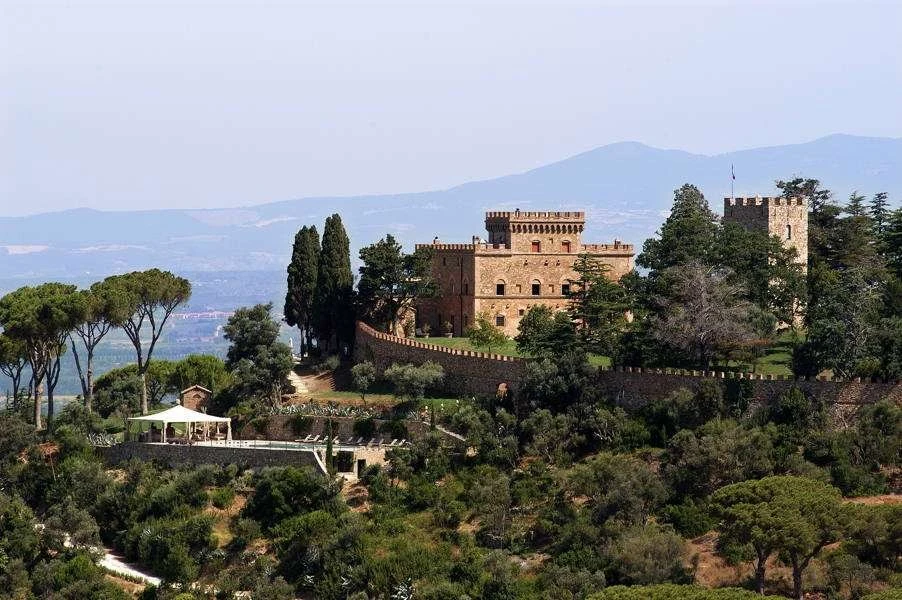
Rockliffe Hall sits on 375 acres of County Durham countryside near Darlington, earning 94 points in the 2026 La Liste Top Hotels ranking, a score that places it within a small cohort of Northern England properties competing at a genuinely international level. The Victorian hall, converted into a luxury hotel and spa, anchors a stretch of the Tees Valley that has historically been underestimated on the British luxury hotel circuit.
● 1 artisanView →
03.Winery
Bodega Finca Reiquehue
Valle De Uco, Argentina
Bodega Finca Reiquehue is a small Valle de Uco winery built around Malbec, micro-production, and vineyard-facing hospitality. Its appeal is not breadth but focus: guided tastings, al fresco meals, and a compact portfolio that treats origin and vinification as the main story.
● 1 artisanView →
04.Winery
South Spirits Lab
Buenos Aires, Argentina
South Spirits Lab holds a Pearl 1 Star Prestige award (2025) and operates out of Benavidez in Buenos Aires Province, placing it among a small cohort of specialist spirits producers gaining formal recognition outside the capital's centre. For those tracking Argentina's craft distilling movement beyond Malbec country, it represents a serious production address worth understanding on its own terms.
● 1 artisanView →
05.Winery
Azienda Agricola Rocche Viberti
Castiglione Falletto, Italy
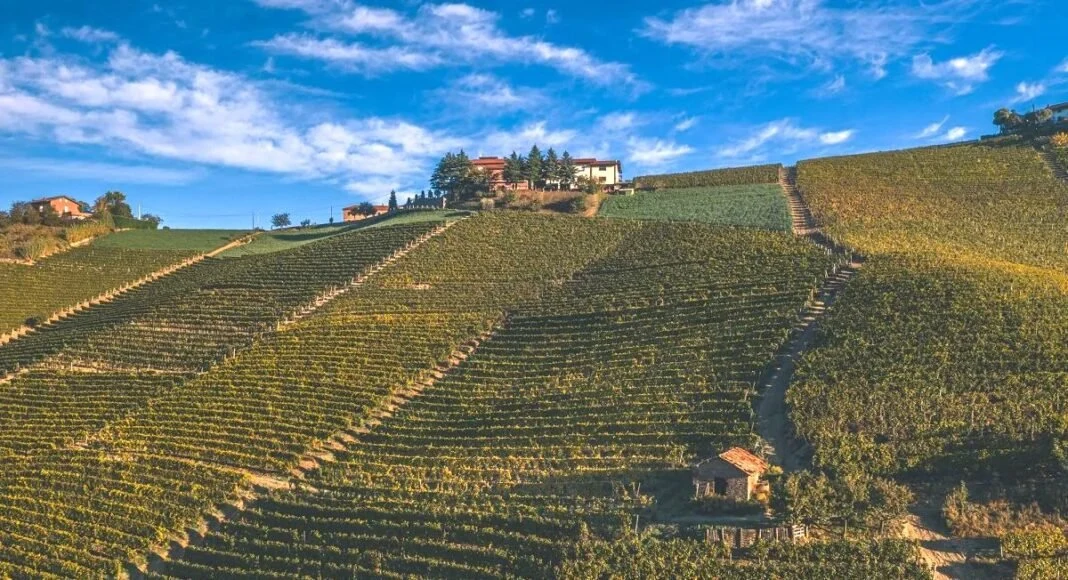
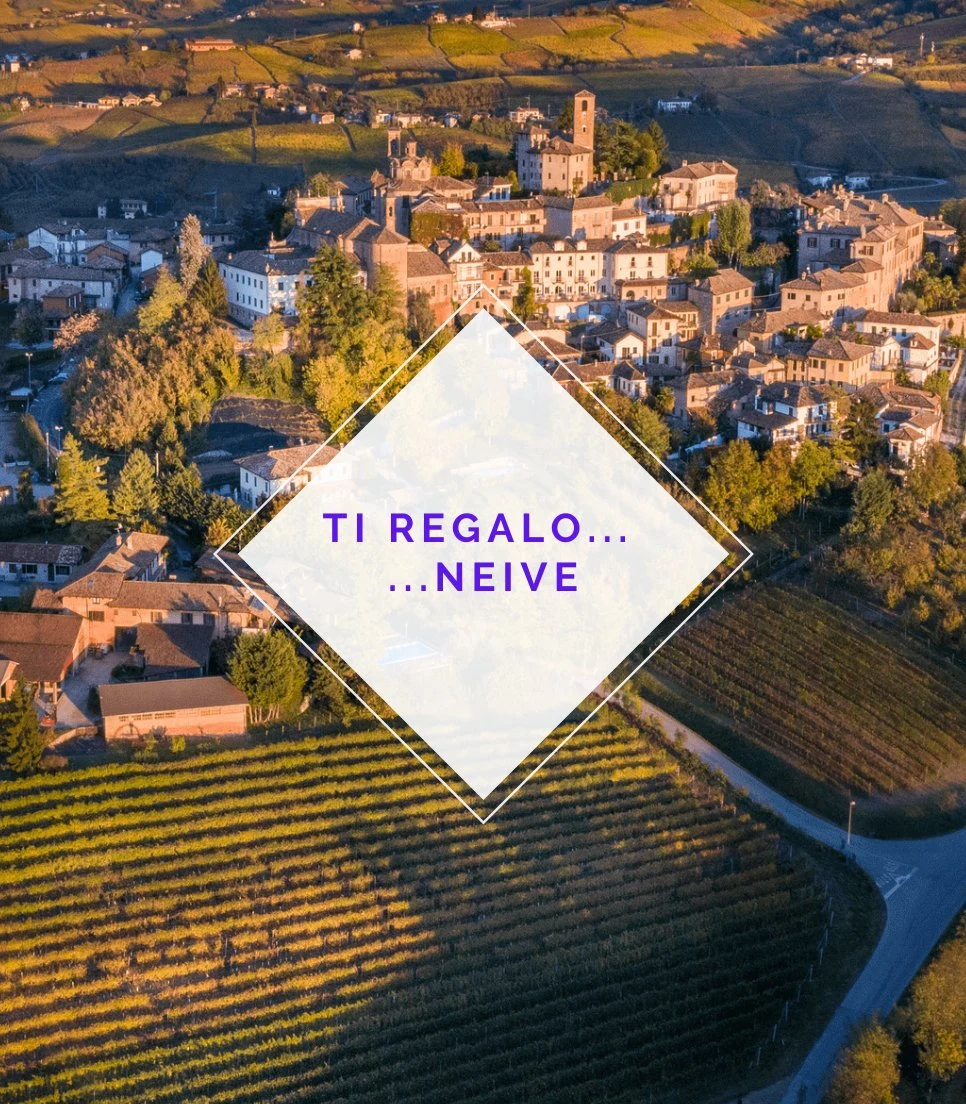
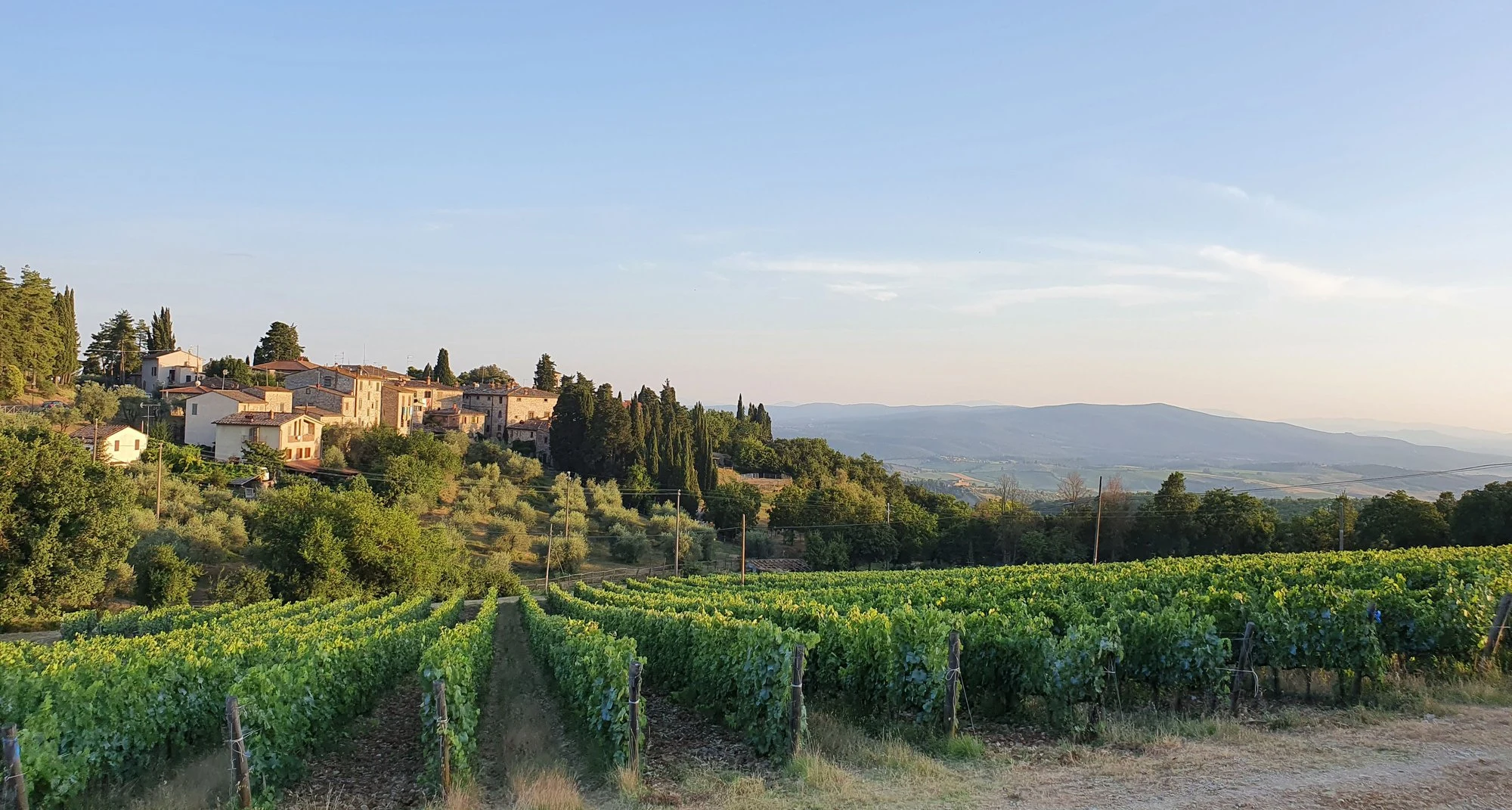
A small Barolo-area estate in Castiglione Falletto, Azienda Agricola Rocche Viberti belongs to the Langhe’s low-volume, land-first end of Nebbiolo culture. The draw is not spectacle but a traditional cellar language: large casks, indigenous varieties, organic farming, and Barolo shaped around the Rocche di Castiglione site.
● 1 artisanView →
06.Winery
Balgera Vini
Chiuro, Italy
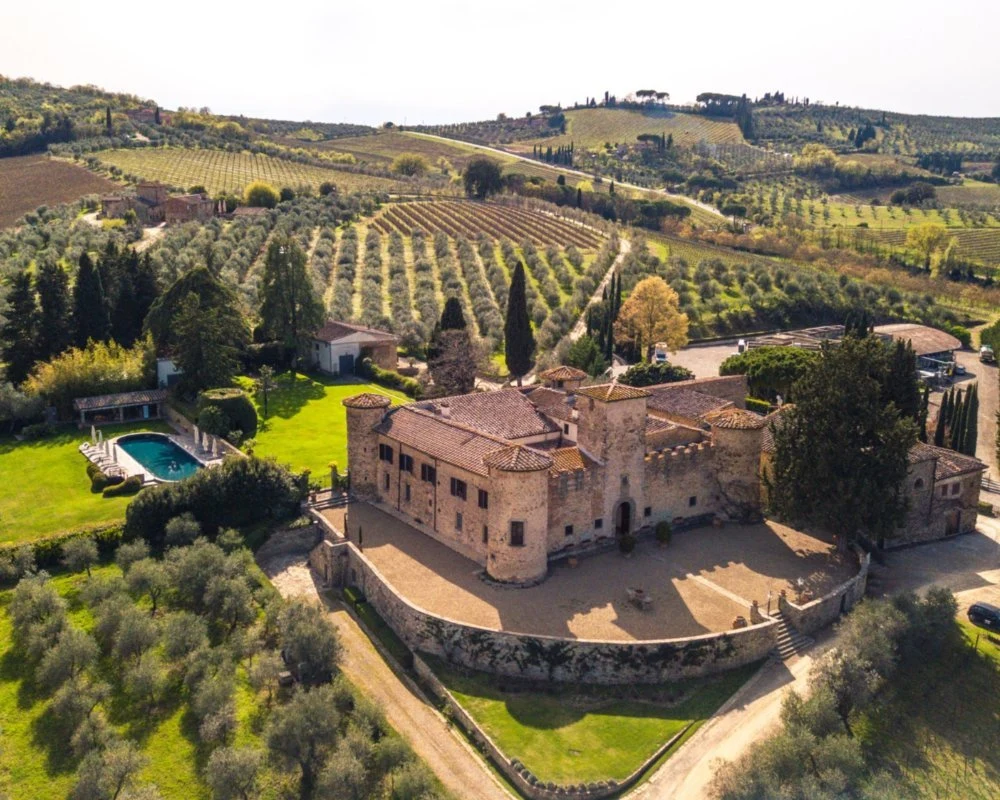
Balgera Vini belongs to Valtellina’s older school of mountain Nebbiolo: terraced Chiavennasca, long ageing, stone-vault cellar work and a quiet, wine-led setting in Chiuro. Founded in 1885, the estate is strongest for visitors who want the region explained through Sassella, Grumello, Inferno, Valgella and Sforzato rather than through polished tasting-room theatre.
● 1 artisanView →07.Winery
Château Pindefleurs
Saint-Émilion, France
Château Pindefleurs is a Saint-Émilion Grand Cru estate where Right Bank clay, limestone, gravel and sand drive the conversation more than cellar theatre. The 17–18 hectare vineyard is Merlot-led, HVE-certified, and shaped by manual harvests, stainless-steel vinification and measured French-oak ageing.
● 1 artisanView →08.Winery
Silver Oak
Napa, United States
Silver Oak belongs to Napa’s Cabernet-focused tradition, with a visitor experience built around appellation identity rather than a broad varietal lineup. The Oakville estate pairs a modern tasting-room setting with a portfolio centered on Napa Valley and Alexander Valley Cabernet Sauvignon, including large-format bottles and a hospitality model suited to collectors, groups, and structured wine education.
● 1 artisanView →
09.Winery
Bival
Valdobbiadene, Italy
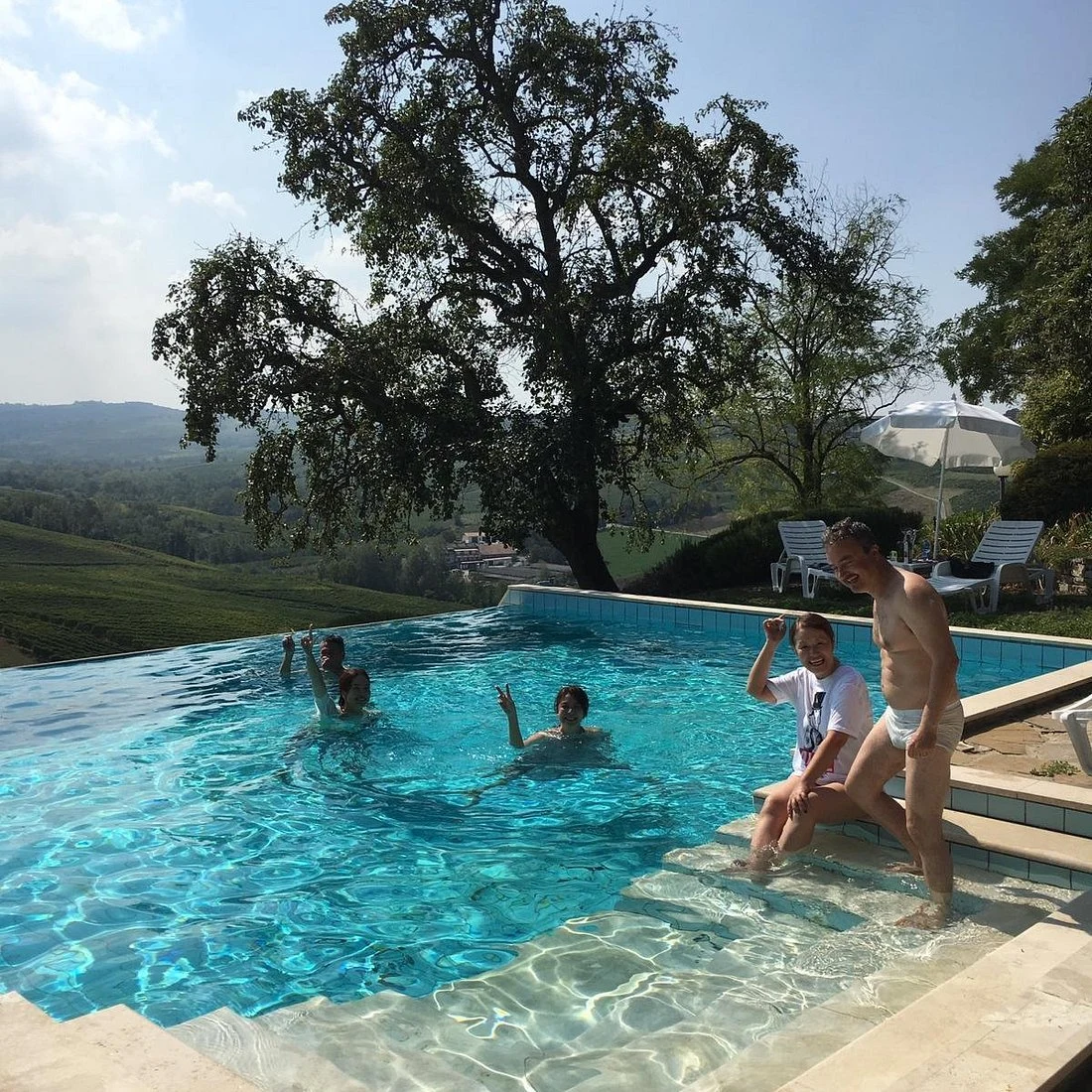
Bival is a family-owned Valdobbiadene winery rooted in the Conegliano Valdobbiadene Prosecco Superiore DOCG tradition, with origins in 1946 and a third-generation farming identity. Its appeal lies in the connection between vineyard, cellar, and tasting: Glera-led sparkling wines, guided estate access, and a hospitality style shaped by the working rhythm of the hills.
● 1 artisanView →10.Winery
Shelter Winery
Kenzingen, Germany
Shelter Winery is a small Baden producer in Kenzingen shaped by Pinot Noir, cool Kaiserstuhl-fringe sites, and a cellar style that favors restraint over show. Its identity runs through a former Canadian Air Force bunker origin, hand harvesting, low-chemical vineyard work, and small-scale production led by Hans-Bert Espe and Silke Wolf.
● 1 artisanView →11.Winery
Scea Château Haut-Meyreau
Dardenac, France
Scea Château Haut-Meyreau is a working Entre-deux-Mers wine estate in Dardenac, shaped more by vineyard production than by hospitality theatre. The draw is its quiet, classic estate setting, with Merlot, Cabernet Sauvignon, Cabernet Franc, Malbec, Sauvignon Blanc and Sauvignon Gris framing a Bordeaux visit rooted in land, cellar work and appointment-led tastings.
● 1 artisanView →
12.Bakery
Gaël REDOUTÉ - Pâtissier Chocolatier
Saint Malo, France
High-end neighborhood pâtissier-chocolatier in Saint-Malo known for refined signature entremets and boxed chocolates, including creations like Grand' rue, Jerzual, and regional-inspired chocolate coffrets. This pastry boutique in Saint Malo, France is represented in the 2026 Relais Desserts member directory.
● 1 artisanView →
13.Winery
Szőlőskert Pincészet (Mátra)
Gyöngyös, Hungary
Szőlőskert Pincészet earned a Pearl 1 Star Prestige in 2025, placing it among a select group of recognised producers in Hungary's Mátra wine region, based around Gyöngyös. The winery operates in a region better known for volume production than prestige viticulture, making its award recognition a meaningful marker within the Hungarian wine scene.
● 1 artisanView →14.Winery
Domaine Georges Noellat
Vosne-Romanée, France
Domaine Georges Noellat belongs to the small-production Burgundy conversation in Vosne-Romanée, where Pinot Noir is judged by vineyard voice rather than hospitality theatre. Its modern chapter, shaped by Maxime Cheurlin after the domaine resumed independent bottling in 2010, is defined by sustainable farming, hand-picked fruit, measured oak use, and a portfolio that reaches from Hautes Côtes de Nuits to Échezeaux and Grands Échezeaux.
● 1 artisanView →
15.mediterranean
Abraço Bakery
Manhattan, United States
Abraço Bakery belongs to the East Village school of cafés where scale, pace, and repeat use matter more than brunch spectacle. Its 2026 placement on Opinionated About Dining’s Cheap Eats in North America Recommended list gives outside validation to a format New Yorkers already understand: coffee, baking, and neighborhood rhythm compressed into a serious daily stop.
● 1 artisanView →
16.Distillery
Gran Dovadol Gin
Mendoza, Argentina
Gran Dovadol Gin in Mendoza, Argentina is a craft distillery producing small-batch, botanically driven spirits. Notable releases include a London Dry expression, a floral botanical edition and a barrel-aged reserve, each reflecting Andes-sourced water and high-altitude distillation. The distillery emphasizes a field-to-bottle philosophy and artisanal maceration plus vapor-infusion techniques that yield bright citrus, mountain herb and warm spice notes. While Gran Dovadol Gin has limited public documentation, Mendoza’s recent international medals for regional gins highlight the quality context; visitors can expect aromatic complexity, crisp alpine minerality and textured mouthfeel that translate beautifully in classic gin cocktails and stripped-down cask samples.
● 1 artisanView →
17.Bakery
Léa Chiari Pâtisserie
Nîmes, France
Off-map uprising gem, little-known or hard-to-find pâtisseries, bakeries, afternoon teas, or dessert restaurants worth going the extra mile for.
● 1 artisanView →
18.Winery
Ca' Bianca
Alice Bel Colle, Italy
Ca’ Bianca reads as a Monferrato estate shaped by altitude, vineyard continuity, and Barbera rather than by cellar theatrics. In Alice Bel Colle, its historic cascina setting and amphitheater of vines place the focus on Piedmontese appellations, from Barbera d’Asti and Moscato d’Asti to Gavi, Dolcetto, Brachetto, Langhe Nebbiolo, Roero Arneis, Alta Langa, and Barolo.
● 1 artisanView →
19.Winery
Thomas-Collardot
Puligny-Montrachet, France
Matthieu Collardot's Domaine Thomas-Collardot bottles Puligny-Montrachet grand cru and premier cru Chardonnay. Estate-bottled since 1992.
● 1 artisanView →20.Winery
Schlossgut Hohenbeilstein
Beilstein, Germany
Schlossgut Hohenbeilstein is a small organic winery in Beilstein, set on a castle hill in Württemberg’s Bottwartal. The draw is place rather than spectacle: terraced slopes, a historic estate setting, guided or casual tastings by reservation, and a portfolio that runs through Riesling, Lemberger, Trollinger, Weissburgunder, Cabernet Blanc, Muskattrollinger, and sparkling wine.
● 1 artisanView →
21.Winery
Arizcuren Bodegay Viñedos
Logroño, Spain
Logroño’s urban-winery tradition gets a focused, small-scale reading at Arizcuren Bodega y Viñedos, where Rioja Oriental fruit is interpreted through old vines, minority varieties, and an educational tasting format. The draw is not estate grandeur but proximity: a workshop-style bodega in the city, connecting Sierra de Yerga vineyards with the rhythms of Logroño.
● 1 artisanView →22.Winery
Schloss Plars
Algund, Italy
Schloss Plars is a South Tyrolean wine-and-suites property in Algund, set around a historic castle, its own vineyard, and a small-scale hospitality format. The draw is not a high-volume tasting room but the overlap of cultivated hillside, red and white estate wines, and 16 individually designed rooms and suites near Merano.
● 1 artisanView →23.Winery
Domaine de Suremain
Mercurey, France
Domaine de Suremain is a historic family-run Burgundy estate in Mercurey, rooted at Château de Bourgneuf and focused on site-led Pinot Noir and Chardonnay. Its 18 hectares, Premier Cru holdings, manual harvest, open-oak fermentation and restrained barrel regime make it a clear lens on Côte Chalonnaise terroir rather than a glossy tasting-room production.
● 1 artisanView →
24.Distillery
Whipper Snapper Distillery
Perth, United Kingdom
Whipper Snapper Distillery is a craft spirits producer in Perth, Scotland, holding a Pearl 1 Star Prestige award in 2025. Positioned in the prestige tier of Scotland's independent distilling scene, it operates within the eastern Highland production zone where mineral water sources and moderate climate shape grain-forward spirit character. A practical visit from Edinburgh or Glasgow, best booked ahead during summer months.
● 1 artisanView →25.Winery
Schubert Wines
Martinborough, New Zealand
Schubert Wines is a small Martinborough cellar door for drinkers who want the region’s Pinot Noir story told through organic farming, low yields and a compact tasting-room format. Its recognition in The Real Review’s Top 100 Wineries of New Zealand 2024 gives the estate a national quality signal, while the experience stays quiet, intimate and vineyard-led.
● 1 artisanView →26.Winery
Denis Mercier
Sierre, Switzerland
Denis Mercier belongs to the small-scale Valais tradition where dry climate, terraced parcels and family continuity matter more than spectacle. In Sierre, the domaine works from hillside vineyards split across Pradec and Goubing, with a cellar-and-tasting-room format suited to visitors who want Swiss wine through soil, exposure and grape variety rather than a polished showpiece.
● 1 artisanView →
27.Artisanal Ice Cream & Pastry Cafe
Alice Ice Cream & Coffee
Copenhagen, Denmark
Alice Ice Cream & Coffee has appeared on Opinionated About Dining's Cheap Eats in Europe list three consecutive years, ranking as high as #31 in 2024. Operating out of Amager in Copenhagen, the coffee and ice cream bar runs a focused menu that places it at the serious end of Copenhagen's casual eating scene, where precision in simpler formats has become its own category of distinction.
● 1 artisanView →
28.Bakery
b. patisserie
San Francisco, United States
Ranked among Opinionated About Dining's top 60 Cheap Eats in North America two years running, b. patisserie on California Street brings a French-Californian pastry sensibility to the Pacific Heights stretch of San Francisco. Chef Belinda Leong's counter draws a loyal morning crowd for technically precise viennoiserie, operating Wednesday through Sunday from a compact, unhurried shop format.
● 1 artisanView →29.Winery
Château Promille
Wei Enkirchen In The Wachau, Austria
Château Promille belongs to the Wachau conversation through place rather than spectacle: steep vineyard country, Danube influence, and a regional culture built around precise white wines. The clearest public quality marker is a 92-point Falstaff note for the 2021 Château Promille, enough to place the name on the radar for readers tracking smaller Austrian producers.
● 1 artisanView →
30.Winery
Bodegas Exopto
Guardia, Spain
Bodegas Exopto reads Rioja through old vines, small plots, and a lighter hand with oak. In Guardia, the producer belongs to the newer Rioja conversation: wild yeast, concrete and large oak vessels, field-blend whites, Graciano with intent, and vineyard work that includes hand treatments and horse-drawn ploughing.
● 1 artisanView →
31.Winery
Casetto
Cisano Di Bardolino, Italy
Casetto puts Lake Garda’s Bardolino tradition in a relaxed winery setting, with vineyards and olive trees framing the tasting experience rather than a formal cellar-door performance. The draw is terroir: Corvina, Rondinella and Molinara shaped by the lake’s moderating climate, plus a hospitality format that keeps the region’s reds, rosés and whites approachable without flattening their local identity.
● 1 artisanView →
32.Winery
Fratelli Tassano (Amargo Obrero)
Rosario, Argentina
Fratelli Tassano (Amargo Obrero) holds a Pearl 1 Star Prestige from EP Club (2025), placing it among Rosario's most recognised addresses. The name pairs a family surname with a working-class bittersweet, two signals that point toward a kitchen rooted in Argentine tradition rather than international posturing. For visitors building a serious Rosario itinerary, it belongs on the shortlist.
● 1 artisanView →
33.Winery
Bender Wein
Leiwen, Germany
Bender Wein is a working Mosel winery in Leiwen shaped by slate slopes, spontaneous fermentation and a house-style approach to Riesling rather than a polished tasting-room script. The interest here is terroir discipline: 20 hectares, nature-friendly viticulture, long yeast aging and a portfolio built around Dajoar, Paulessen, Hofpäsch and the limited Zenit bottling.
● 1 artisanView →34.Winery
Sektmanufaktur Winkler
Girlan, Italy
Sektmanufaktur Winkler is a small South Tyrolean sparkling-wine producer in Girlan, shaped around hand work, family continuity, and a focused bottle-led identity. Its Lamm N°12 cuvée anchors the house style, while the appointment-only tasting format suits travelers who want a quieter reading of Alto Adige wine culture rather than a high-volume cellar stop.
● 1 artisanView →
35.Distillery
Patagonia Whisky Co.
Neuquén, Argentina
Patagonia Whisky Co. holds a Pearl 1 Star Prestige (2025) and operates from El Chocón 239 in Neuquén, placing it among the small cohort of craft spirits producers earning formal recognition in Argentine Patagonia. The address sits within a city better known for its wine corridor than its whisky tradition, which makes the distinction earned here more instructive than expected.
● 1 artisanView →
36.Winery
Diemersfontein
Wellington, New Zealand
Diemersfontein holds a Pearl 1 Star Prestige rating (2025) and sits within Wellington's compact but serious winemaking scene. The estate operates in a region where small producers work against larger Marlborough and Hawke's Bay reputations, making its recognition a meaningful signal of quality. For visitors to the Wellington wine corridor, it belongs on any considered itinerary.
● 1 artisanView →
37.Distillery
Stray Dog Wild Gin Distillery
Aridaia, Greece
A craft gin distillery operating out of Aridaia in northern Greece's Pella regional unit, Stray Dog Wild Gin Distillery holds a Pearl 1 Star Prestige award (2025), placing it among a small tier of recognised spirits producers in a country whose drinks identity has historically centred on wine and tsipouro. The distillery draws on the botanical character of the surrounding Macedonian terrain, making it a reference point for Greek craft gin.
● 1 artisanView →
38.Winery
Bodegas Borsao
Borja, Spain
Bodegas Borsao gives Campo de Borja’s Garnacha identity a large-scale, production-led frame. The draw is not a boutique cellar fantasy but a cooperative winery shaped by limestone soils, the cierzo wind, and a region that has built much of its modern reputation on Grenache.
● 1 artisanView →
39.Winery
Castello di Radda
Radda in Chianti, Italy
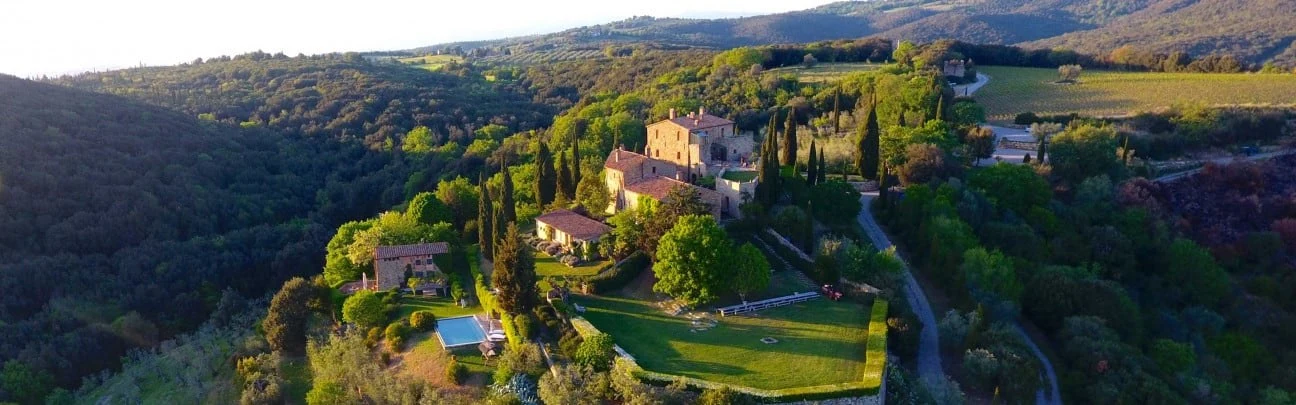
Castello di Radda is a Chianti Classico estate in Radda in Chianti where the interest lies in altitude, Sangiovese, organic farming and a polished cellar-visit format rather than spectacle. The estate’s 40 hectares of organically managed vines, galestro-and-alberese soils and recognised Riserva and Gran Selezione bottlings make it a useful stop for understanding the cooler side of the appellation.
● 1 artisanView →40.Winery
Scheiblhofer The Wine
Andau, Austria
Scheiblhofer The Wine brings Andau’s warm, gravelly Burgenland setting into a large-scale winery format built around red blends, guided tastings, estate hospitality, and polished wine tourism. The house identity rests on Big John, The Legends, and a campus-style experience that connects vineyards, tasting rooms, dining, lodging, events, and retail without losing sight of the region’s heat-driven wine character.
● 1 artisanView →
41.Winery
Marzae Cellar + Provisions
Boston, United States
Marzae Cellar + Provisions occupies a specific and increasingly legible niche in Boston's drinking culture: a natural wine tasting room with aperitif-focused pours and grab-and-go local provisions. A 2026 Star Wine List recipient, it represents the city's growing appetite for producer-driven, low-intervention bottles in an accessible, non-ceremonial format.
● 1 artisanView →
42.Winery
Lafouge
Auxey Duresses, France
Lafouge is a Burgundy wine estate included in the 2026 Michelin Grape Selection as Main Selection.
● 1 artisanView →
43.Winery
Benoit Chevallier
Vosne-Romanée, France
Domaine Benoît Chevallier: post-2008 Vosne-Romanée micro-domaine working Premier Cru and village parcels in Burgundy's Côte de Nuits.
● 1 artisanView →44.Winery
Château la Caminade
Parnac, France
Château la Caminade gives Cahors Malbec its rural frame: family stewardship in Parnac, gravelly sand and clay-limestone soils, and a style built around freshness rather than polish. The draw is not spectacle but a grounded Southwest France estate where organized visits and on-site wine sales connect the Lot Valley’s old Cahors identity to HVE Level 3 farming.
● 1 artisanView →45.Winery
Simon Maye
St Pierre De Clages, Switzerland
Simon Maye is a small family wine estate in St Pierre De Clages, founded in 1948 and shaped by the limestone, gravel and terraced slopes of Valais. The draw is terroir-led Swiss wine, especially old-vine Syrah made since 1985, with guided tasting by appointment rather than casual cellar-door traffic.
● 1 artisanView →46.Winery
Serena Wines 1881
Conegliano, Italy
Serena Wines 1881 belongs to the large-scale, heritage-led side of Conegliano wine culture: family-run since 1881, Prosecco-focused, and tied to the UNESCO-listed hills through its Ville d’Arfanta hospitality estate. Expect a polished winery experience built around sparkling DOC and DOCG styles, sustainable production signals, vineyard scenery, and a format that suits groups, education-led tastings, and relaxed regional immersion.
● 1 artisanView →47.Winery
Domaine Michel Noëllat
Vosne-Romanée, France
Alain et Jean-Marc Noellat make Pinot Noir at Domaine Michel Noëllat in Vosne-Romanée, carrying a family estate from the cellar.
● 1 artisanView →48.Winery
Corte Archi
Marano di Valpolicella, Italy
Corte Archi gives Valpolicella Classica a small-cellar reading: traditional grapes, family stewardship, and a tasting format built around the region’s core styles. The appeal is less about spectacle than proximity to process, from vineyard context to the drying culture behind Amarone and Recioto.
● 1 artisanView →
49.Distillery
Stroh Austria Distillery
Klagenfurt, Austria
Stroh Austria Distillery in Klagenfurt holds a Pearl 1 Star Prestige rating (2025), placing it among Austria's recognised craft spirits producers. The distillery operates within a regional spirits tradition that spans both alpine herbal production and innovative grain-based work. For visitors to Carinthia, it represents a focused entry point into Austrian distilling culture beyond the country's more prominent wine corridors.
● 1 artisanView →
50.Winery
Château du Courlat
Lussac, France
Château du Courlat works Merlot on the clay and limestone of Lussac-Saint-Émilion, under the stewardship of Domaines Bourotte-Audy.
● 1 artisanView →
51.Winery
Ben Glaetzer
Tanunda South Australia, Australia
Ben Glaetzer belongs to the Barossa’s production-led tier, where old-vine Ebenezer Shiraz matters more than cellar-door theatre. The draw is not a walk-in tasting room but a focused red-wine portfolio led by Amon-Ra, with critic scores from Robert Parker and James Halliday placing it firmly in the cult Australian Shiraz conversation.
● 1 artisanView →52.Winery
Schloss Schönborn
Wiesentheid, Germany
Schloss Schönborn is a historic Riesling estate tied to Wiesentheid administration and Rheingau vineyard holdings, with viticulture documented from 1349 and family continuity across 27 generations. The draw is not spectacle but provenance: single-vineyard depth, a quiet historic tasting-room setting, and a wine identity built around site-specific Rheingau Riesling.
● 1 artisanView →53.Winery
Ses Talaioles S.L.
Manacor, Spain
Ses Talaioles S.L. is a Manacor winery estate shaped by eastern Mallorca’s inland-rural character and Mediterranean context. Its appeal sits in the appointment-led estate format: indigenous Mallorcan grapes such as Callet and Manto Negro appear alongside Merlot, Cabernet Sauvignon, Syrah, and Tempranillo, with guided tastings framed around vineyard, cellar, and place.
● 1 artisanView →54.Winery
CVBG
Parempuyre, France
CVBG is a Bordeaux fine-wine merchant in Parempuyre, better read through the négociant tradition than through the usual winery-visit lens. Its relevance lies in La Place de Bordeaux, a portfolio reaching from Bordeaux appellations to international fine wine, and a business-oriented atmosphere shaped by allocation, trade, and terroir interpretation rather than cellar-door theatre.
● 1 artisanView →55.Winery
Senesi Aretini
Sinalunga, Italy
Senesi Aretini is a cooperative winery and direct-sale point in Sinalunga, framed less as luxury wine tourism than as a working Tuscan cellar with a practical retail rhythm. Founded in 1971, it focuses on regional varieties including Sangiovese, Canaiolo, Trebbiano and Malvasia, with guided tastings by appointment and a casual, cellar-door atmosphere.
● 1 artisanView →56.Winery
Domaine Grand Chemin
Savignargues, France
Domaine Grand Chemin gives Savignargues wine travel a grounded Languedoc frame: family continuity, Cévennes foothill soils, and IGP flexibility rather than trophy-label formality. The draw is terroir read through range, with 80 hectares, thirteen grape varieties, and sustainability credentials that matter more than ceremony.
● 1 artisanView →
57.Winery
Aperol
Padua, Italy
Aperol holds a Pearl 1 Star Prestige rating for 2025, placing it among a select tier of recognised producers in the Padua area. The address on Via Venezuela situates it within a city whose relationship with aperitivo culture runs deeper than the drink itself. For anyone mapping Italy's spirits and liqueur tradition, this is a reference point worth understanding in context.
● 1 artisanView →58.Winery
Sektkellerei Johann Kattus
Vienna, Austria
Sektkellerei Johann Kattus puts Vienna’s sparkling-wine tradition in a working cellar context rather than a restaurant-style tasting room. The draw is the guided cellar format, the Döbling setting, and a producer history dating to 1857, with Johann Kattus associated with sparkling wines including Prosecco Spumante DOC Extra Dry and Austrian varieties such as Grüner Veltliner, Chardonnay, Zweigelt, Blaufränkisch, and Welschriesling.
● 1 artisanView →
59.Distillery
Zefyros Distillery
Athens, Greece
Zefyros Distillery is an Athens-based spirits producer recognised with a Pearl 1 Star Prestige award in 2025, placing it among a growing cohort of Greek craft distilleries earning formal critical attention. Operating within a city that has long been better known for wine and ouzo tradition than for internationally recognised distillation, Zefyros represents a newer tier of Greek spirits production gaining traction with serious collectors and trade buyers alike.
● 1 artisanView →60.Winery
Schiopetto
Capriva Del Friuli, Italy
Schiopetto is a historic Collio DOC estate in Capriva del Friuli, closely tied to the modern identity of Friulian white wine. Its importance rests on Mario Schiopetto’s 1965 Tocai bottling, a white-wine program shaped by Ponca soils, steel fermentation, lees work, and grapes including Friulano, Sauvignon, Ribolla Gialla, Pinot Grigio, Pinot Bianco, and Malvasia.
● 1 artisanView →